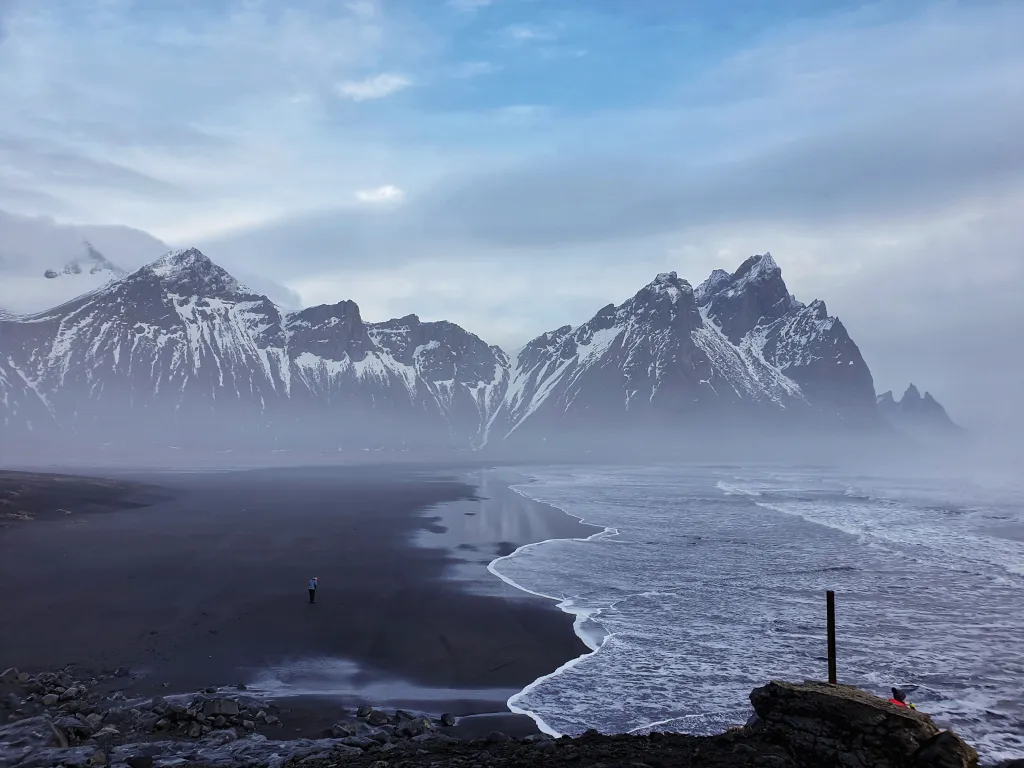
Planning an Iceland trip means preparing for incredible landscapes and notoriously fickle weather. To truly enjoy the Land of Fire and Ice, you need the right gear and a smart strategy. This guide helps you pack smart and plan effectively, ensuring you’re ready for whatever the Icelandic elements throw your way.
Layering for Iceland’s Unpredictable Weather
Iceland’s weather is famous for its rapid changes. You might experience sun, rain, hail, and strong winds all within a single hour. The key to staying comfortable is a robust layering system. Don’t think in terms of one heavy coat; instead, focus on adaptable layers that you can add or remove as conditions shift. This approach keeps you insulated without overheating during activities like hiking, and it allows you to shed warmth easily when stepping into a geothermal pool or a warm cafe.
The Base Layer: What to Look For
Your base layer sits directly against your skin and is crucial for managing moisture. Its primary job is to wick sweat away from your body, keeping you dry and preventing the chill that comes from evaporating moisture. For Iceland, merino wool is the undisputed champion. It’s breathable, naturally odor-resistant, and retains warmth even when damp. Look for lightweight (150-200 GSM) merino wool tops and bottoms. Avoid cotton at all costs; once wet, cotton loses all insulating properties and takes forever to dry, leading to a miserable experience in cool, damp conditions. Brands like Icebreaker or Smartwool offer excellent options, typically ranging from $70-$120 per piece.
Mid-Layers: Insulation and Breathability
The mid-layer provides your primary insulation. This is what traps body heat, keeping you warm. Fleece jackets or lightweight down/synthetic puff jackets work best here. For milder days or active hikes, a fleece like the Patagonia Better Sweater ($139) offers good warmth and breathability. For colder conditions or less strenuous activities, a synthetic insulation jacket, such as a Patagonia Nano Puff ($239) or a similar item from Arc’teryx, provides excellent warmth-to-weight ratio and performs well even if it gets slightly damp. The goal is enough warmth without excessive bulk, allowing freedom of movement.
Outer Shell: Your Fortress Against the Elements
The outer shell is your protective barrier against wind, rain, and snow. For Iceland, a waterproof and windproof hardshell jacket and pants are non-negotiable. Look for gear made with GORE-TEX or similar proprietary waterproof-breathable membranes. This layer needs to keep external moisture out while still allowing internal moisture (sweat vapor) to escape, preventing you from getting clammy. Features like adjustable hoods, sealed seams, and waterproof zippers are essential. While pricier (jackets often $200-$500, pants $150-$300), a good hardshell is an investment that ensures you can comfortably explore, regardless of the weather. Brands like Patagonia, Arc’teryx, and Marmot are reliable choices.
Don’t Skimp on Footwear: It Will Make or Break Your Trip
This is my boldest recommendation: your footwear can literally make or break your entire Iceland experience. The terrain is varied – volcanic rock, gravel paths, muddy trails, and slippery moss – and wet conditions are almost guaranteed. Poor footwear leads to cold, wet feet, blisters, and potential slips, turning scenic hikes into painful ordeals. Prioritize high-quality, waterproof hiking boots above almost all other gear decisions. This isn’t a place for stylish sneakers or flimsy walking shoes.
Waterproofing and Ankle Support Are Non-Negotiable
Invest in sturdy, waterproof hiking boots with good ankle support. Boots featuring GORE-TEX membranes are highly recommended. They will keep your feet dry when navigating waterfalls, crossing shallow streams, or simply walking through persistent rain. Ankle support is crucial for stability on uneven terrain, significantly reducing the risk of sprains. Models like the Merrell Moab 3 Mid Waterproof ($145) or the Salomon X Ultra 4 Mid GORE-TEX ($170) are popular and perform exceptionally well in Icelandic conditions. Make sure to break them in before your trip to avoid blisters, even if it means wearing them around your house for a few days. You will be walking a lot, often on challenging surfaces.
Socks: The Unsung Heroes of Comfort
Often overlooked, socks play a vital role in foot comfort and health. Just like your base layers, cotton socks are a strict no-go. They absorb moisture, stay wet, and cause friction, leading to blisters. Opt for merino wool hiking socks. They wick moisture, provide cushioning, and help regulate foot temperature. Brands like Darn Tough or Smartwool make excellent, durable merino wool hiking socks (typically $18-$25 a pair). Bring at least 3-4 pairs, allowing for changes if they get wet or after a long day of hiking. Dry, comfortable feet are for enjoying long days of exploration in Iceland.
Common Packing Mistakes to Avoid on Your Iceland Adventure
Many travelers arrive in Iceland underprepared or with the wrong assumptions about what to bring. Sidestep these common pitfalls to ensure a smoother, more enjoyable journey.
- Bringing Only One Pair of Shoes: Even the best waterproof boots can get soaked if you’re out in extreme weather for extended periods, or if water splashes over the top. Always pack a second pair of comfortable, sturdy, and ideally water-resistant shoes, like waterproof trail runners or sturdy sneakers, for evenings or less intense days. This also gives your main hiking boots a chance to air out and dry.
- Forgetting About Wind Protection: People often focus on rain, but the wind in Iceland can be relentless and brutally cold, especially on exposed coastlines or high plateaus. A windproof outer shell is just as important as a waterproof one. Even on a dry day, strong winds can cut through layers, making you feel much colder than the ambient temperature suggests. Your hardshell jacket and pants should be windproof by default, but consider a warm, windproof hat and gloves too.
- Packing Too Much Cotton: As mentioned, cotton is terrible in cold, wet conditions. From jeans to t-shirts to hoodies, leave all heavy cotton items at home. They absorb moisture, take ages to dry, and lose all insulating properties when wet, making you cold and uncomfortable. Stick to wool, synthetics, and quick-drying fabrics for all your clothing.
- Underestimating the Sun: Even with overcast skies, Iceland is at a high latitude, and UV radiation can be surprisingly strong, especially when reflected off glaciers or water. Pack good quality sunglasses (polarized are best for reducing glare) and a broad-spectrum SPF 30+ sunscreen. Sunburn can ruin a trip just as easily as hypothermia.
- Not Carrying a Reusable Water Bottle: Iceland boasts some of the purest tap water in the world. Buying bottled water is expensive and unnecessary. Bring a sturdy reusable water bottle and fill it up from any tap, or directly from many streams (do your research on specific locations, but generally, clear, flowing glacial meltwater is safe). This saves money and reduces plastic waste.
- Ignoring the Need for a Power Adapter: Iceland uses Type F (Schuko) and Type C (Europlug) sockets. If your devices use a different plug type (like Type A/B from North America or Type G from the UK), you’ll need an adapter. Don’t forget this; charging your phone and camera batteries is critical for navigation and capturing memories.
Rain Gear Showdown: Hardshell vs. Softshell for Iceland
Choosing the right external layer for Icelandic weather is critical. While both hardshell and softshell jackets offer protection, they excel in different conditions. Understanding their core differences helps you pick the right gear for your activities.
| Feature | Hardshell Jacket | Softshell Jacket |
|---|---|---|
| Primary Function | Maximal Waterproofing & Windproofing | Breathability & Water-Resistance |
| Material | Laminated fabric (e.g., GORE-TEX, eVent, proprietary membranes) | Woven synthetic fabric (e.g., polyester, nylon, often DWR coated) |
| Water Resistance | Fully waterproof (sealed seams, DWR coating) | Highly water-resistant (sheds light rain/snow, not fully waterproof) |
| Wind Resistance | Excellent | Good to excellent |
| Breathability | Good, but less than softshell (can get clammy during high exertion) | Excellent (allows sweat vapor to escape easily) |
| Flexibility/Comfort | Stiffer, can be crinkly, less stretch | Softer, more flexible, often stretchy, quieter |
| Durability | Generally very durable, abrasion-resistant | Durable, but can be less resistant to snags than some hardshells |
| Typical Price Range | $200 – $600+ | $100 – $350 |
| Best Use in Iceland | Constant rain, strong winds, mixed winter conditions, heavy hiking | Milder, drier days, high-exertion activities, layering under hardshell |
Prioritizing Waterproofing: The Hardshell Advantage
For most travelers to Iceland, a hardshell jacket is the essential outer layer. Its ability to provide complete waterproof and windproof protection is simply unparalleled. When you’re standing by Skógafoss, getting drenched by spray, or hiking through a sudden downpour, you’ll be immensely grateful for a fully seam-sealed hardshell. Models like the Patagonia Torrentshell 3L ($179) offer reliable protection without breaking the bank. Pair it with hardshell pants, such as the Marmot PreCip Eco Full-Zip Pants ($100), for head-to-toe dryness. This setup is crucial for protecting your mid-layers and keeping your body temperature stable in sustained bad weather.
When Softshell Makes Sense (and when it doesn’t)
Softshells are excellent for activities where breathability is and the weather is less severe. If you’re doing a strenuous hike on a mostly dry, but windy, day, a softshell like the Arc’teryx Gamma MX Hoody ($350) can be fantastic. It moves with you, breathes better, and provides ample wind resistance and light rain protection. However, it will eventually wet out in persistent rain. Therefore, while a softshell can be a great piece for certain conditions, it should not replace your hardshell as your primary rain protection in Iceland. Some travelers bring both: the softshell for active, dry days and the hardshell for when the weather truly turns. If you can only bring one, make it a hardshell.
Beyond Clothes: Essential Gear for Comfort and Safety
While clothing is critical, a few non-apparel items can significantly enhance your comfort, safety, and overall experience in Iceland. Don’t overlook these practical additions to your packing list.
Do I Really Need a Travel Adapter?
Yes, absolutely. Iceland uses Type F and Type C electrical outlets, which are common across most of mainland Europe. If your electronic devices are from North America (Type A/B), the UK (Type G), or other regions with different plug standards, you will need a travel adapter. Without one, you won’t be able to charge your phone, camera batteries, or any other vital electronics. Pick up a universal travel adapter that supports these types, ensuring it can handle the voltage (Iceland uses 230V). A basic adapter costs around $10-$20 and is an absolute necessity for powering your essential gear.
What About a Portable Power Bank?
A portable power bank is a highly recommended item for Iceland, especially if you plan on extensive sightseeing, using your phone for navigation, or capturing lots of photos and videos. Many popular attractions are remote, and you won’t always have access to charging points throughout the day. A power bank with at least 10,000mAh capacity will typically recharge a modern smartphone 1-2 times, while a 20,000mAh model like the Anker PowerCore 20000mAh ($50) can provide 3-4 charges. This ensures your devices stay powered for emergency calls, GPS, and documenting your adventures, particularly during long drives or hikes away from civilization.
Is a Reusable Water Bottle Worth It?
Without a doubt, yes. Iceland’s tap water is among the cleanest and most delicious in the world, often tasting better than expensive bottled water. Carrying a reusable water bottle allows you to stay hydrated by refilling it for free at any tap, saving you significant money over buying bottled water and reducing plastic waste. Many travelers also bring an insulated water bottle (like a Hydro Flask or Stanley, $30-$50) that can keep water cold for hours or, conversely, keep hot tea or coffee warm on a chilly day. This simple item is both environmentally friendly and economically smart.
The Unexpected Essential: An Insulated Water Bottle
Beyond the obvious layers and sturdy boots, one item consistently proves its worth in Iceland: a high-quality insulated water bottle. It’s more than just for water. This versatile companion keeps your coffee hot on frosty mornings or your water refreshingly cold after a hike. Its utility in Iceland’s constantly shifting temperatures makes it an indispensable piece of gear for comfort throughout your journey.
Preparing for Iceland means equipping yourself for an adventure through unparalleled natural beauty, where comfort hinges on smart choices. By focusing on layered clothing, robust footwear, and a few key pieces of practical gear, you’ll be ready to embrace the elements and fully immerse yourself in the magic of the Land of Fire and Ice, from the moment you land until your final departure.