I spent three years living between Marrakech and Fes, working as a guidebook researcher. I have walked both medinas until my knees ached. Here is the short answer: Fes wins for deep, immersive culture — the kind that feels untouched by tourism. Marrakech wins for spectacle, shopping, and ease. Pick based on what you actually want, not what Instagram tells you.
1. The Medina Experience: Noise vs. Authenticity
Both cities have UNESCO-listed medinas. They feel nothing alike.
Marrakech: A sensory overload with a price tag
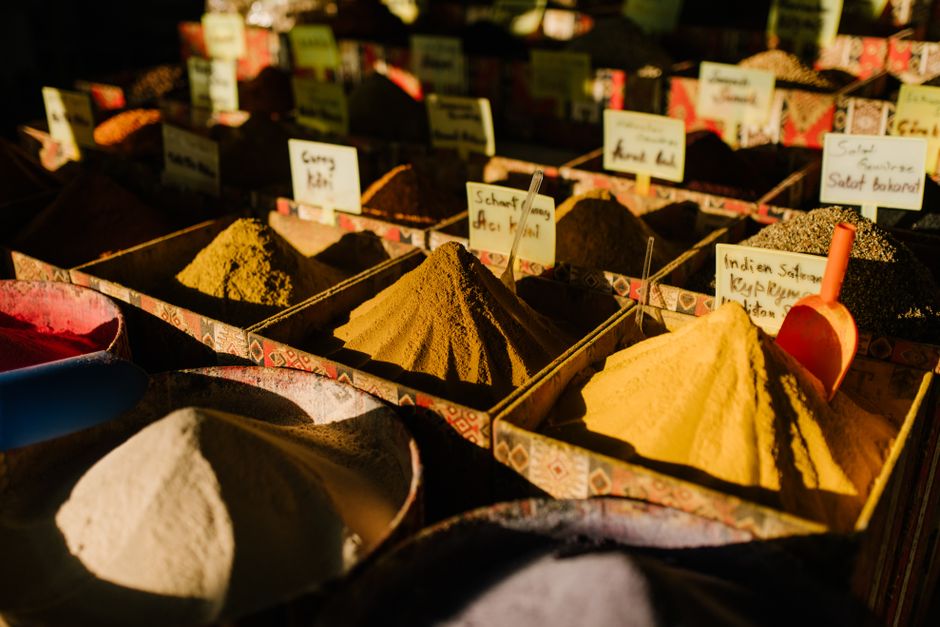
Djemaa el-Fna square is a circus at night — snake charmers, orange juice stalls, drummers. It is electric. But every second interaction ends with someone trying to sell you a carpet. The medina is clean, well-lit, and heavily policed. That safety comes with a cost: authenticity is staged. The spice stalls are for photos, not for locals buying dinner.
Most riads now charge $120–250 per night. A decent tagine in the medina costs $12–18. You are paying for the show.
Fes: Raw, real, and sometimes overwhelming
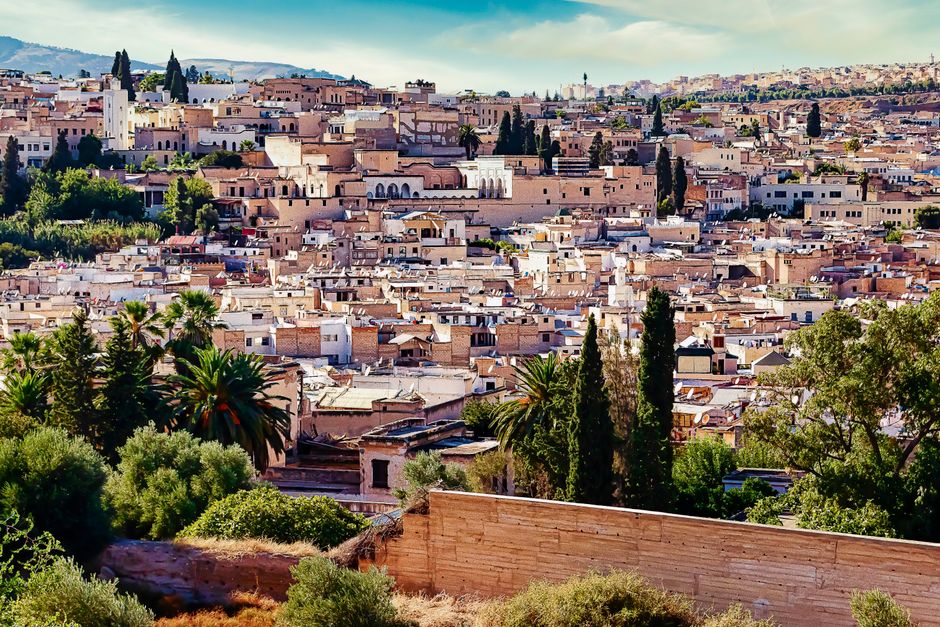
Fes el-Bali has 9,400 alleys. No cars. Donkeys carry goods. Tannery workers stand knee-deep in dye vats. The smell of leather and mint hits you before you see the Chouara Tannery. This is not a theme park. Locals live here. Kids play soccer in alleys. Women buy bread from communal ovens.
Prices are lower. A riad room costs $50–100. A tagine costs $6–9. But you need a guide. Getting lost in Fes is not romantic — it is genuinely disorienting. I have seen travelers cry from frustration.
| Factor | Marrakech | Fes |
|---|---|---|
| Medina size (alleys) | ~3,000 | ~9,400 |
| Average riad night (mid-range) | $150 | $70 |
| Street food tagine | $14 | $7 |
| Guide recommended? | Optional | Strongly recommended |
| Crowd density (peak season) | Extreme | Moderate |
Verdict: If you want a clean, easy, photogenic medina — Marrakech. If you want to feel like you stepped into the 14th century — Fes.
2. Food Culture: Street Eats vs. Refined Tradition
Moroccan food is the same in both cities on paper. In practice, it diverges sharply.
Marrakech: Global fusion with a local base
Marrakech has world-class restaurants. Nomad (rooftop, $18–25 mains) modernizes tagine with quinoa. Le Jardin serves pastilla with duck confit. But street food is tourist-priced. A bowl of harira at a stall costs $4 — locals pay $1 in Fes.
The food scene is designed for Instagram. You eat beautiful food in beautiful settings. Taste is good. Depth is missing.
Fes: The city that taught Morocco to cook
Fes is where Moroccan cuisine was codified. The royal kitchens trained chefs here for centuries. You find dishes in Fes that exist nowhere else: rfissa (chicken with lentils and fenugreek), trid (layered bread with meat sauce), sellou (sweet sesame powder).
Eat at Dar Roumana ($35–45 set menu) for a tasting menu that explains each dish. Or go to the Batha neighborhood at dusk — women sell homemade msemen (flaky pancakes) for $0.30 each. That is real food.
Verdict: Marrakech wins for dining out as an event. Fes wins for eating as cultural education.
3. Crafts and Shopping: What You Actually Take Home
Both cities sell the same things — leather, ceramics, textiles, metalwork. Quality varies wildly.
Marrakech: Convenience and curation
Marrakech has Ensemble Artisanal, a government-run cooperative with fixed prices. A decent leather bag costs $40–60. No haggling. No fake goods. It is the safest place to buy if you do not know what you are looking at.
Private boutiques in the Gueliz district sell curated pieces. Maison de la Photographie store sells vintage Berber jewelry at $80–150. You pay for curation.
Fes: The source, but you must work for it
Fes is the origin of Moroccan leather. The tanneries produce the real thing — vegetable-tanned, dyed with natural pigments. A handmade belt costs $15–25. A babouche (slipper) costs $10–15. But you have to find the right workshop.
Ceramics from Fes are distinct — the blue-and-white Fassi pottery is thinner, more delicate than Marrakech red clay. A small plate costs $5–8 at the pottery cooperative. Same plate in Marrakech: $20.
Warning: Fes has aggressive touts who lead you to shops that pay them commission. Prices double. Always ask if the person guiding you gets a cut. If yes, walk away.
Verdict: Marrakech for easy, curated shopping. Fes for bargains if you know where to go.
4. History and Architecture: Which City Has More to See?
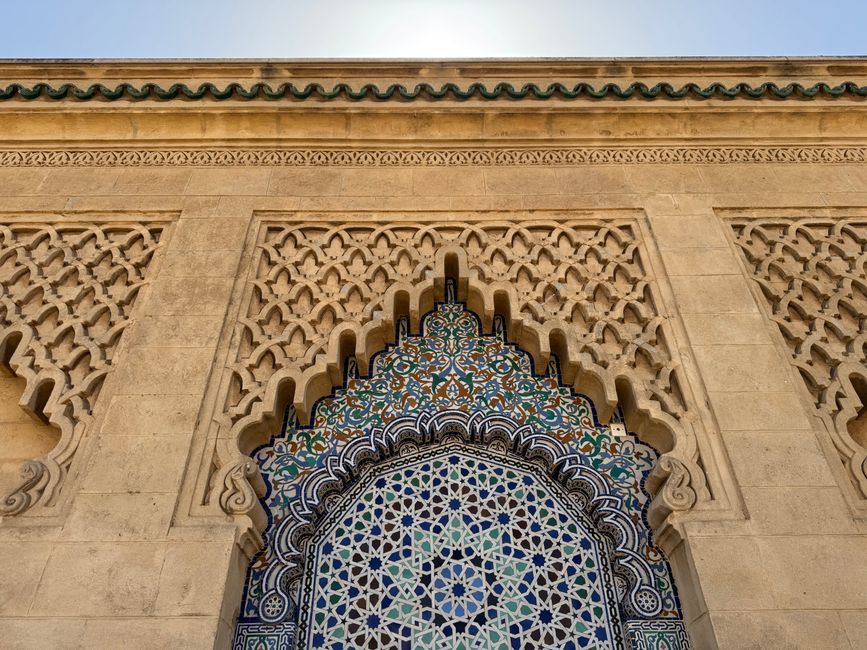
This is not close. Fes has more historic monuments per square kilometer than any city in North Africa.
Marrakech: Big sights, quick visits
You can see the main sites in one day. Koutoubia Mosque (exterior only), Bahia Palace ($7 entry), Saadian Tombs ($7), Jardin Majorelle ($15). All are beautiful. All are crowded. You spend more time queuing than looking.
The architecture is Almohad and Saadian — grand, symmetrical, heavy on tile and carved cedar. Impressive. But it feels like a museum.
Fes: Layers of history in every alley
Fes has Al-Attarine Madrasa ($5) — the most beautiful tilework in Morocco, with a courtyard that changes color as the sun moves. University of Al Quaraouiyine (founded 859 AD) is the oldest existing university in the world. You cannot enter the prayer hall, but the library is open ($6).
The Merenid Tombs on the hill give a panoramic view of both medinas at sunset. Free. No crowds. Just you and the call to prayer echoing across the valley.
Verdict: Marrakech for polished, easy sightseeing. Fes for depth and discovery.
5. Practicalities: Getting Around, Safety, and Timing
This section decides your trip.
Marrakech: Easy but expensive
Marrakech has a direct train from Casablanca airport (2.5 hours, $15–20). The medina is walkable. Taxis are cheap ($3–5 per ride). English is widely spoken in tourist areas. ATMs are everywhere.
Safety: Petty scams are constant. Someone will tell you the street is closed and lead you to their uncle’s shop. Ignore them. Violent crime is rare.
Best time: March–May or September–November. Summer hits 45°C (113°F).
Fes: Harder to reach, harder to navigate
Fes airport has limited flights. Most travelers fly into Casablanca and take the train (4 hours, $20–25). The medina is a maze. Hire a guide for your first day. Official guides cost $25–35 for a half day. Worth every dirham.
Safety: Less aggressive than Marrakech. Touts exist but give up faster. The medina is darker at night — stick to main routes after 9 PM.
Best time: Same as Marrakech, but Fes is cooler due to higher elevation (400m vs 200m).
Verdict: Marrakech for first-time Morocco visitors. Fes for experienced travelers who want less hassle and more substance.
6. The Final Call: Which City for Which Traveler?
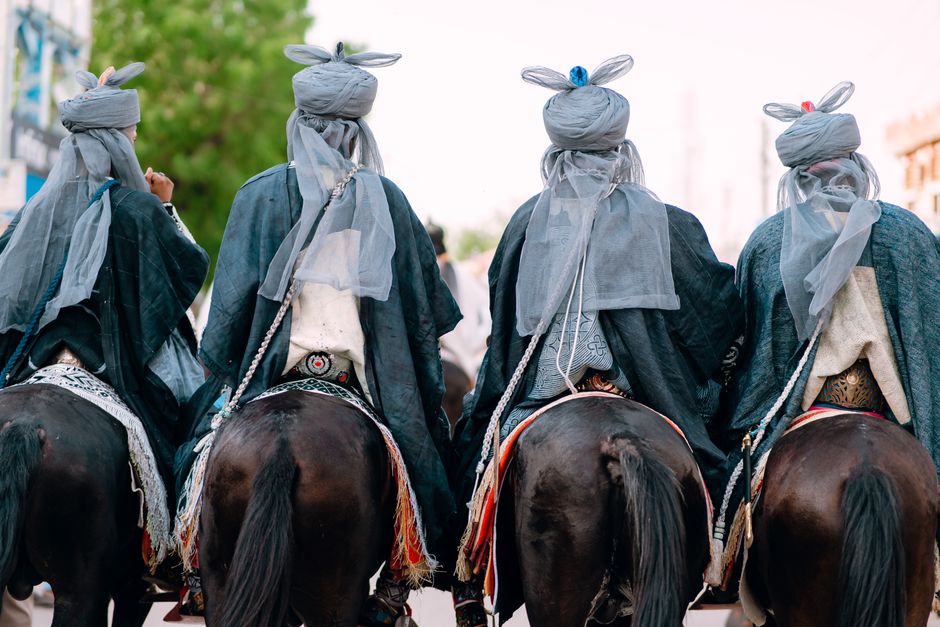
I have taken 40+ travelers through both cities. Here is the breakdown that actually works.
Choose Marrakech if:
- You have 3–4 days total for Morocco
- You want nightlife, rooftop bars, and Instagrammable meals
- You prefer shopping with fixed prices and English-speaking vendors
- You are traveling with kids or elderly parents
Choose Fes if:
- You have 5+ days and want to slow down
- You care about historical accuracy and authentic crafts
- You are comfortable getting lost and navigating without a phone signal
- Your budget is tight — Fes gives you 30–50% more value for the same money
Best option for 2026? Do both. Fly into Marrakech, spend 2 days, take the train to Fes (6 hours, $25), spend 3 days. That gives you the spectacle and the substance. You will leave understanding why Morocco is not one country but many — and why that matters.