Most people think $50 a day in Europe means sleeping in parks and eating bread. That’s wrong. I’ve done it for months at a time across 12 countries. The trick isn’t suffering — it’s making smart choices before you leave and while you’re there.
This system works for 2026. Prices shift a little each year, but the principles stay the same. Here’s exactly how.
Where Your $50 Goes: The Real Budget Breakdown
You need a number for each category. Guessing gets you broke by day three.
| Category | Daily Budget | What That Covers |
|---|---|---|
| Accommodation | $15–20 | Hostel dorm bed, preferably with breakfast included |
| Food | $10–12 | Supermarket breakfast, street food lunch, cook dinner |
| Transport | $8–10 | Walking + public transit + long-distance bus/train averaged |
| Activities | $5–8 | Free walking tours, museum free days, parks |
| Miscellaneous | $2–5 | Water bottle refills, SIM card, laundry |
Every dollar spent outside these categories comes from somewhere else. That’s the system. No exceptions.
Getting There Without Blowing Your Budget
Your flight to Europe can cost more than two weeks of travel if you buy wrong.
Book 6–8 weeks out, not 6 months
Data from Google Flights shows the sweet spot for European flights from North America is 45–60 days before departure. Earlier doesn’t save money. Later costs double.
Fly into a cheap hub, not a famous one
London, Paris, and Amsterdam are expensive entry points. Instead, fly into Milan, Barcelona, or Berlin. I paid $380 round-trip to Berlin from New York in October 2026. The same dates to London were $720.
Use a carry-on only
Checked bags cost $40–70 each way on budget airlines. That’s two days of your budget gone. The Osprey Farpoint 40 ($185, 40L) fits every airline’s carry-on limits and has a suspension system that handles 8kg comfortably. I’ve used mine for 18 months of travel.
Accommodation: Sleep Cheap Without Sleeping Rough
Hostels are the default. But not all hostels are equal.
Use Hostelworld’s rating filter, not price filter
Sort by rating, not price. A hostel rated 8.5+ with a $20 bed is better value than a $12 bed rated 6.0. The cheap one will have broken lockers, dirty showers, and no kitchen. You’ll pay more in stress and lost sleep.
Cook your own dinner
Hostel kitchens save you $8–12 per meal. Buy pasta, sauce, vegetables, and eggs at a local supermarket. In Spain, that’s €5 for three meals. In Switzerland, it’s €12 — still half the price of eating out.
Consider guesthouses in smaller towns
A private room in a guesthouse outside city centers often costs $25–30. Split that with a friend and you’re at $12–15 each. That’s cheaper than a hostel dorm in some cities.
Transport: Move Between Cities for Almost Nothing
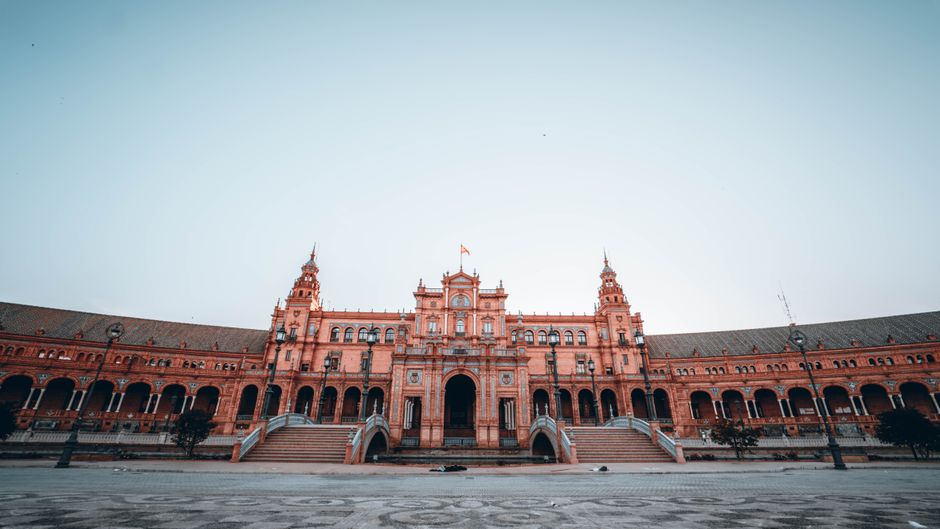
This is where most budget travelers bleed money. They book trains last-minute or take taxis.
Buses are your best friend
FlixBus and RegioJet connect almost every city in Europe. A ticket from Prague to Vienna costs €12 if you book two weeks ahead. The train is €45. The bus takes 1 hour longer. That’s €33 saved for one extra hour.
Budget airlines — use them wisely
Ryanair and Wizz Air offer €20 flights between major cities. But you must follow their rules. No checked bag. Print your boarding pass at home. Arrive exactly 2 hours before departure. Miss any of these and your €20 flight becomes €80.
Use Omio and Rome2Rio to compare
Omio shows bus, train, and flight prices in one search. Rome2Rio shows every option including rideshares. Use both before booking anything.
Food: Eat Well, Spend Little
Eating out three times a day kills your budget fast. Here’s the alternative.
Breakfast: Buy oats, milk, and bananas from a supermarket. €1.50 total. Skip the hostel breakfast if it costs extra — many charge €5 for a sad croissant and coffee.
Lunch: Street food or supermarket sandwiches. In Italy, a panini from a local bakery costs €3. In Poland, a zapiekanka (open-faced baguette with cheese and mushrooms) costs €2.50.
Dinner: Cook at the hostel or buy from a market. In Greece, a gyros pita from a street stall costs €3.50 and is a full meal.
Use Too Good To Go — an app where restaurants sell unsold food for 50–70% off. A bag of pastries from a bakery costs €3. Dinner from a restaurant costs €4. It’s available in most European cities.
Activities: Free and Nearly Free Things to Do
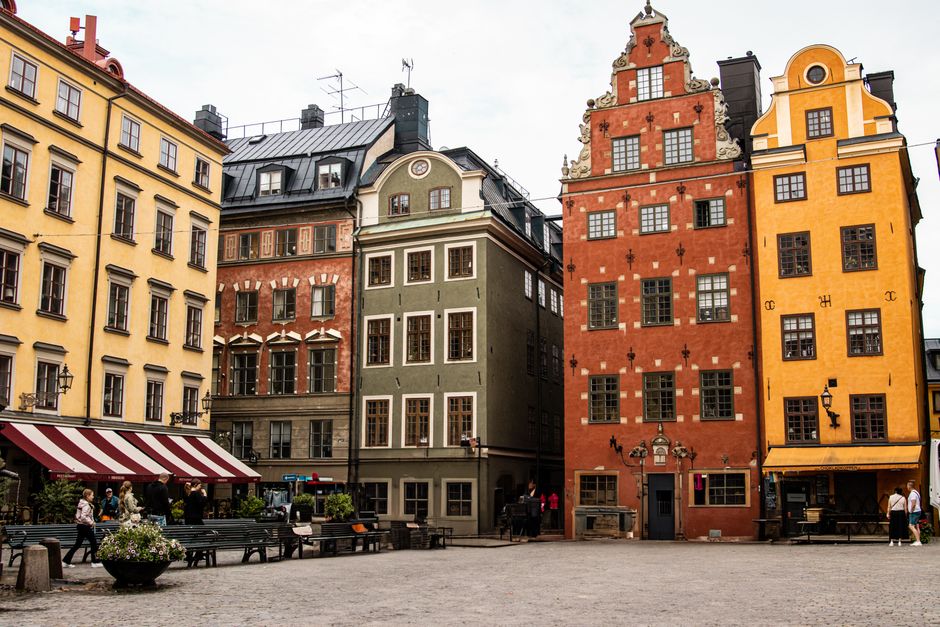
You don’t need to spend €20 on every museum. Most European cities offer free or cheap alternatives.
Free walking tours
Every major city has a free walking tour. You tip what you want at the end. €5–10 is standard. These tours cover the main sights and history in 2–3 hours. That’s your entire activity budget for the day.
Museum free days
Many museums in Europe have free entry on specific days. The Louvre in Paris is free on the first Saturday of each month. The Uffizi in Florence is free on the first Sunday. Check each museum’s website before you go.
Parks, viewpoints, and neighborhoods
Some of the best experiences cost nothing. Climb Montmartre in Paris. Walk the Charles Bridge in Prague at sunrise. Hike to the top of Arthur’s Seat in Edinburgh. These are free and more memorable than standing in line for a museum.
Hidden Costs That Sneak Up on You
These are the budget killers nobody talks about.
ATM fees. Your bank charges $3–5 per withdrawal. Use a fee-free debit card like Charles Schwab or Wise. Withdraw larger amounts less often — €100 once a week instead of €20 every day.
Tourist taxes. Many cities charge €1–5 per night in accommodation tax. This is not included in the hostel price. Budget for it.
Laundry. Hostel laundry costs €4–6 per load. Wash clothes in the sink with a travel clothesline. I use the Pacsafe Travelsafe ($30, 12L) to lock my valuables while I shower or sleep — saves the stress of lost gear.
Water. Bottled water costs €1–2 per bottle. Carry a reusable bottle and fill it at hostel sinks or public fountains. In Italy, there are free public water fountains everywhere.
When $50 a Day Doesn’t Work
This system breaks in three situations. Know them before you go.
Scandinavia. Copenhagen, Oslo, and Stockholm are expensive. A hostel dorm costs $40. A sandwich costs $15. You need $70–80 per day here. Skip these countries if you’re on a strict $50 budget, or limit your stay to 2–3 days.
Peak season. July and August in Paris, Barcelona, or Rome. Hostel beds cost $40–50. Everything is crowded. Go in shoulder season (April–May or September–October) and your $50 goes twice as far.
Switzerland. It’s not just expensive — it’s a different league. A McDonald’s meal costs $18. A train ticket from Zurich to Geneva costs $80. Don’t go to Switzerland on $50 a day. It’s not possible without camping and eating gas station food.
For everything else — Eastern Europe, Southern Europe, the Balkans, even parts of Germany and France — $50 a day works. I’ve done it. You can too.