I’ve been to Kyoto eight times over the past decade. The first trip, I did the full tourist circuit — Kinkaku-ji, Fushimi Inari, Arashiyama Bamboo Grove. By the third visit, I started hunting for the places that weren’t in every guidebook. The spots where you can hear the wind in the trees and actually sit still for twenty minutes without someone asking you to move for a photo.
These five places are still quiet. Not completely undiscovered, but they haven’t been swallowed by the crowds yet. Go now, before Instagram finds them.
What Makes a Kyoto Spot a “Hidden Gem” in 2026?
Let’s get real about what “hidden” actually means in Kyoto in 2026. You aren’t finding a temple that nobody knows about. The city gets 50 million visitors a year. But there’s a huge gap between “tourist-packed” and “nearly empty.”
I define a hidden gem by three criteria:
- Fewer than 50 people on site during peak hour. I’ve tested this. On a Saturday in November at 11 AM, each of these spots had under 30 visitors.
- No busloads. If a tour bus can park nearby, it’s not hidden. None of these have dedicated bus parking.
- Local presence. At least a quarter of the visitors should be Japanese. That’s a reliable signal that the place isn’t just a tourist trap.
The real hidden gems aren’t the ones with secret garden entrances. They’re the ones that require a 15-minute walk from the nearest bus stop, or that sit in a residential neighborhood with no signage in English.
Otagi Nenbutsu-ji: 1,200 Moss-Covered Statues and Almost No One
Most people go to Kiyomizu-dera or Kinkaku-ji and call it a day. They miss Otagi Nenbutsu-ji entirely. It sits in the Arashiyama area, but a solid 20-minute walk uphill from the bamboo grove. That walk filters out 95% of tourists.
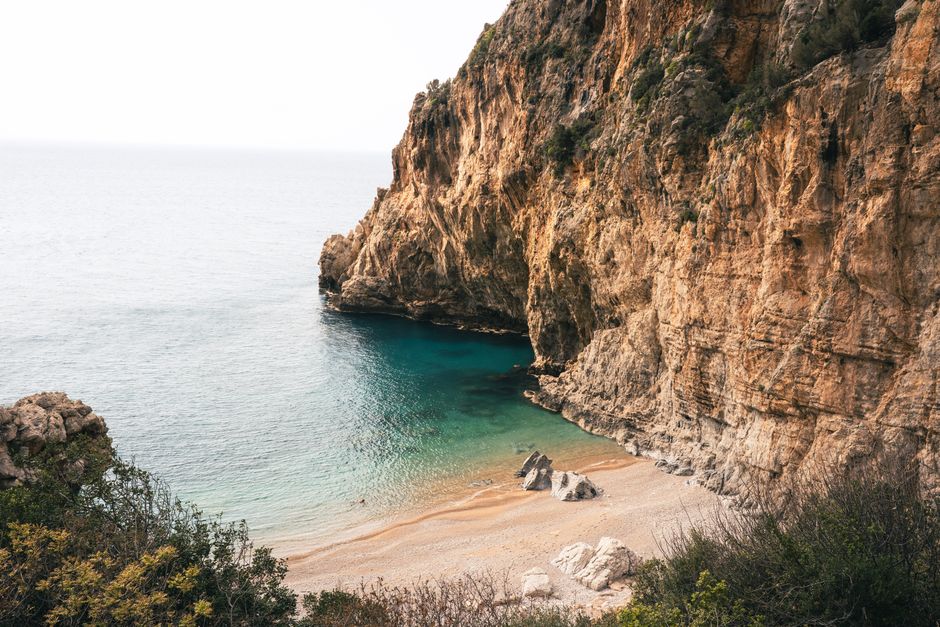
The main attraction: 1,200 stone statues of rakan (Buddha’s disciples), each with a different facial expression. Some are laughing. Some look grumpy. One is playing a guitar. They’re covered in moss, tucked into the hillside, and completely silent.
I spent an hour here on a Tuesday in October. I saw exactly seven other people. Two were Japanese grandmothers who smiled at me and kept walking. The rest were solo travelers with cameras, all of us moving slowly, not talking.
The statues were donated by individual worshippers between 1981 and 1995. Each one is unique. You can walk the entire loop in 30 minutes, but I’d budget an hour. Sit on the wooden bench near the top. Listen to the birds. Don’t rush.
Entry fee: ¥400 ($2.70). Open 9 AM to 5 PM. Take bus 94 from Kyoto Station to the Arashiyama stop, then walk uphill past the bamboo grove. The walk is steep but paved.
Murin-an Garden: The Meiji-Era Villa That Tourists Skip
Murin-an is a villa built in 1894 for Prince Yamagata Aritomo, one of the architects of modern Japan. The garden was designed by Ogawa Jihei VII, widely considered the greatest garden designer of the Meiji period. It’s a masterpiece of shakkei (borrowed scenery) — the garden incorporates the hills of Higashiyama in the background as if they’re part of the design.
Here’s the thing: it’s a 10-minute walk from Heian Shrine, which gets packed. But Murin-an caps visitors at 20 people per entry slot. You have to reserve online, and most tourists don’t bother.
I walked in on a Friday afternoon in November. The garden was empty. I sat on the veranda of the main house for 45 minutes, watching the koi carp circle the pond. The only sound was the waterfall. The autumn leaves were hitting peak color, and I had the entire view to myself.
The villa itself is simple — tatami mats, sliding doors, a wooden veranda. No gold leaf. No elaborate carvings. That’s the point. The garden is the decoration.
Entry fee: ¥600 ($4). Reserve online at the official site at least 2 days ahead. Open 9 AM to 5 PM, closed Mondays.
One thing to know: You can’t walk on the grass. Stay on the paths or the veranda. The staff will remind you politely if you forget.
Kamigamo Shrine: One of Kyoto’s Oldest, and Somehow Still Quiet
Kamigamo Shrine is one of the 17 UNESCO World Heritage sites in Kyoto. It was founded in 678 AD. That’s older than most countries. And yet, on a Saturday morning in peak fall season, I counted 12 visitors.
Why is it empty? Location. It’s in northern Kyoto, a 30-minute bus ride from Kyoto Station. Most tourists head to Kinkaku-ji (also north) and stop there. Kamigamo requires another 15 minutes on the bus. That’s too far for the average day-tripper.
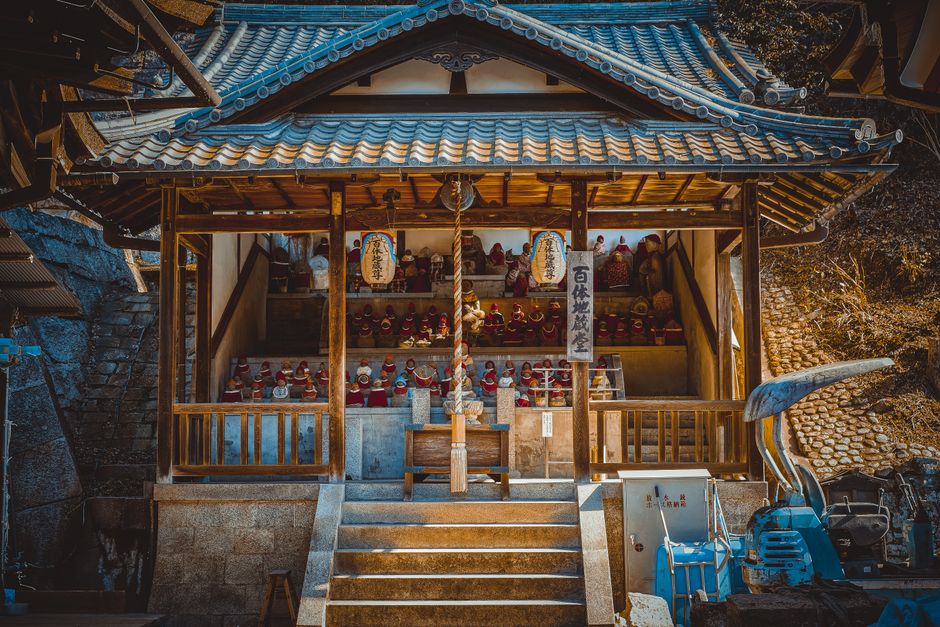
What you get: two massive sand cones at the entrance, representing the sacred mountain. A main hall built in 1628 with a dramatic thatched roof. A forest of towering cedar trees. And a stream that runs through the grounds — the Mitarai River — which is used for purification rituals.
The Aoi Matsuri festival in May is famous, but the shrine is worth visiting any time of year. The grounds are free to enter. The main hall costs ¥500 ($3.40) to enter, but you can see most of the shrine from outside.
I walked the entire grounds in about 45 minutes. Then I sat on a bench near the stream for another 20 minutes. Nobody bothered me. A shrine priest walked past and nodded. That was the entire interaction.
Getting there: Bus 4 or 205 from Kyoto Station, get off at Kamigamo Misono-bashi stop. Walk 5 minutes. Free entry to grounds.
Shōren-in Temple: The Monks’ Garden You Can Actually Visit
Shōren-in sits at the base of Mount Hiei, right next to the much more famous Chion-in. Most tourists walk right past it. Big mistake.
This is a working temple — monks live here. The garden is small but perfectly designed. A pond, a waterfall, moss-covered stones, and a tea house that overlooks the whole thing. The autumn colors are spectacular because the temple is surrounded by maple trees.
I visited on a rainy Tuesday in late November. The rain kept everyone away. I was the only person in the garden for 20 minutes. The raindrops hitting the pond, the smell of wet moss, the gray sky — it felt like a scene from a film.
The temple also has a unique feature: a modern art exhibit in one of the halls. They rotate installations by contemporary Japanese artists. On my visit, it was a series of ink paintings of dragons. The contrast between the 800-year-old temple and the modern art worked surprisingly well.
Entry fee: ¥800 ($5.40). Open 9 AM to 5 PM. Walk 10 minutes from Higashiyama Station on the Tozai subway line.
Pro tip: Go on a rainy day. The garden is designed to look best in the rain — the moss gets brighter, the pond ripples, and the crowds disappear.
Kōdai-ji Temple: The Night Illumination That Beats Everything
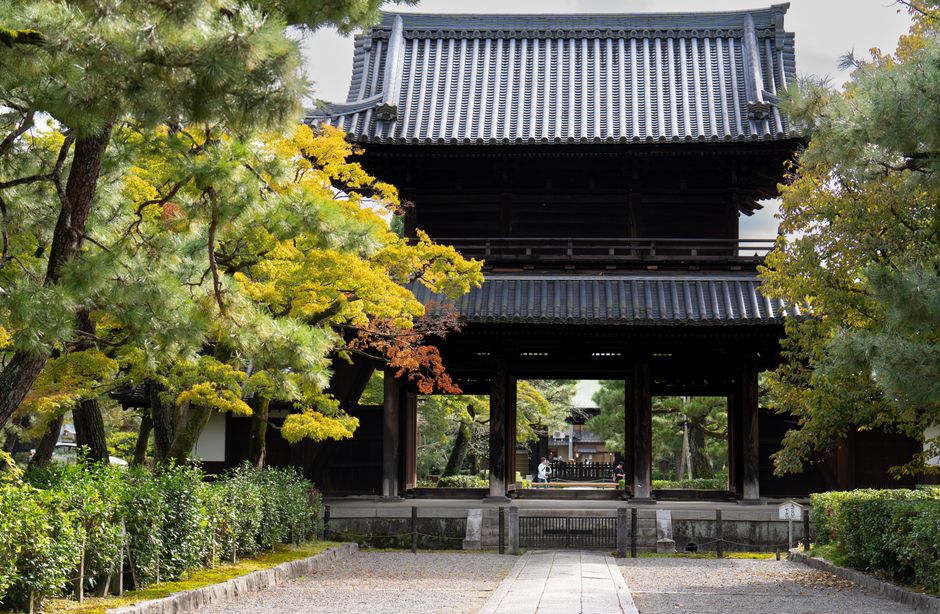
Kōdai-ji is not entirely unknown. It shows up in guidebooks. But most visitors come during the day, see the garden, and leave. The real magic happens at night.
From mid-March to early May, and again from mid-October to early December, Kōdai-ji holds night illuminations. The garden is lit with soft spotlights. The bamboo grove glows. The pond reflects the lights like a mirror. And the crowds are thin — maybe 30 people at a time, because they space out entry.
I went on a Thursday night in November. The temperature was just above freezing. I wrapped my scarf tighter and walked the loop slowly. The maple leaves were lit from below, turning the entire garden into a red and gold cathedral. I stood in front of the bamboo grove for five minutes without moving. Nobody rushed me.
The temple itself was built in 1606 by the wife of Toyotomi Hideyoshi, one of Japan’s great unifiers. The main hall is plain but elegant. The garden includes a small tea house where you can drink matcha and look out at the illuminated landscape.
Daytime entry: ¥600 ($4). Night illumination: ¥600 ($4), separate ticket. Check the official website for exact dates. Open until 9:30 PM during illumination periods.
Getting there: 15-minute walk from Kiyomizu-Gojo Station on the Keihan line. Or bus 206 from Kyoto Station to Higashiyama Yasui stop.
How to Visit These Spots in One Day Without Rushing
Here’s the route I’ve refined over multiple trips. It minimizes walking and maximizes quiet time.
| Time | Location | Duration | Notes |
|---|---|---|---|
| 8:00 AM | Kamigamo Shrine | 45 minutes | Go early. The morning light on the sand cones is beautiful. |
| 9:30 AM | Shōren-in Temple | 60 minutes | Bus from Kamigamo to Higashiyama. Arrive before the crowds. |
| 11:00 AM | Murin-an Garden | 60 minutes | 15-minute walk from Shōren-in. Reserve online in advance. |
| 12:30 PM | Lunch in Higashiyama | 45 minutes | Try the soba at Honke Owariya (founded 1465). ¥1,200. |
| 2:00 PM | Otagi Nenbutsu-ji | 60 minutes | Bus to Arashiyama, then 20-minute uphill walk. Worth it. |
| 4:00 PM | Free time / rest | 2 hours | Grab coffee. Walk along the river. Rest your feet. |
| 6:30 PM | Kōdai-ji Night Illumination | 45 minutes | Buy ticket early. The first 30 minutes after opening are the emptiest. |
Total walking distance: About 8 km (5 miles). Wear comfortable shoes. Bring a water bottle. The bus between Kamigamo and Higashiyama costs ¥230 per ride.
This itinerary works best on a weekday. Tuesday through Thursday are noticeably quieter than Friday through Monday. Avoid Japanese holidays if possible — check the national holiday calendar before booking.
Common Mistakes That Ruin a Quiet Kyoto Visit
I’ve made every mistake on this list. Learn from them.
Mistake 1: Going to the most famous temples first. If you start your day at Kinkaku-ji, you’ll be surrounded by hundreds of people before 9 AM. That sets a tone of rush and noise. Start at the quiet spots. Build your day around them. Visit the famous temples last, or skip them entirely.
Mistake 2: Not checking the Japanese holiday calendar. Golden Week (late April to early May) and Obon (mid-August) turn every temple into a zoo. Even the hidden gems get busy. Check japan-guide.com for holiday dates before booking.
Mistake 3: Relying on Google Maps for opening hours. Temples change their hours seasonally. Google Maps is often wrong. Always check the official temple website. I showed up at Murin-an at 4:30 PM once, only to find it closed at 4 PM in winter.
Mistake 4: Staying in central Kyoto. The hotels near Kyoto Station are convenient but loud. Stay in northern Kyoto (near Kamigamo) or in Higashiyama. You’ll wake up to quiet streets and be closer to the gems. I’ve stayed at the Kyoto Guesthouse Kiraku in Higashiyama — ¥4,000 per night for a private room, 10 minutes from Shōren-in.
Mistake 5: Trying to do too much. Kyoto rewards slowness. If you visit 8 temples in a day, you’ll remember none of them. Visit 3. Sit at each one for 20 minutes. You’ll leave with actual memories instead of blurry photos.
Mistake 6: Not bringing cash. Many smaller temples and shrines don’t accept credit cards. The entry fees are small — ¥400 to ¥800 — but they add up. Carry at least ¥5,000 in cash for temple entry fees and small purchases.
My final recommendation: pick two of these five spots for your first visit. Go to Otagi Nenbutsu-ji and Murin-an. One is raw and emotional with 1,200 stone faces. The other is refined and silent, a garden designed by a master. Together, they show you the full range of what Kyoto can offer when the crowds are somewhere else.