You’ve decided you want to kayak. Maybe it was a trip, maybe a video. Now you’re three hours into Reddit threads and product pages, and the same question keeps surfacing: inflatable or hardshell? The answer isn’t complicated once you know what actually matters — and it has very little to do with performance on the water.
This breakdown covers the real tradeoffs, names specific products with prices, and gives you a clear answer based on your actual situation.
Inflatable vs. Hardshell: The Core Differences at a Glance
Before recommendations, here’s the objective data. These aren’t opinions — they’re physical realities that follow each kayak type everywhere.
| Factor | Inflatable | Hardshell |
|---|---|---|
| Average beginner price | $100–$700 | $350–$1,200 |
| Weight (10 ft kayak) | 18–30 lbs | 44–65 lbs |
| Storage space needed | Backpack or closet shelf | Garage, shed, or roof rack |
| Setup time at the water | 8–20 minutes to inflate | Zero (if already loaded) |
| Straight-line tracking | Poor to moderate | Good to excellent |
| Speed | Slower (wider, softer hull) | Faster (rigid hull) |
| Puncture risk | Moderate (multi-layer PVC holds) | None |
| Best water type | Calm lakes, slow rivers | Lakes, rivers, coastal |
What the table can’t tell you is which tradeoffs matter in your specific life. A faster kayak sitting in your garage because you can’t figure out transport isn’t faster than anything. That’s where the next sections come in.
The Real Case for Buying an Inflatable First
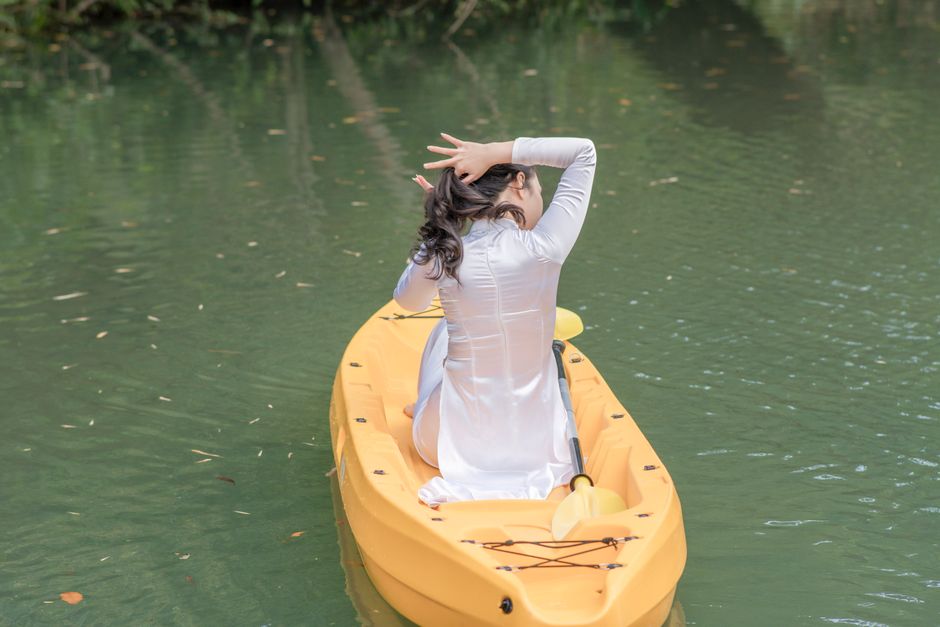
For most beginners, an inflatable is the smarter starting point. Not because it performs better — it doesn’t. But because the single biggest predictor of whether someone actually uses their kayak is how easy it is to get to the water.
Storage and Transport: The Factor That Ends Most Kayaking Hobbies
The Sea Eagle 370 Pro ($490) rolls up into a bag you can carry on your back. The Advanced Elements AdvancedFrame Convertible ($599) folds down to roughly the size of a large suitcase. Neither requires a roof rack, a truck bed, or a second person to help unload at the boat launch. For apartment dwellers, renters, or anyone without a dedicated gear storage space, this isn’t a minor convenience — it’s the difference between kayaking twelve times a year and kayaking twice ever.
Hardshell kayaks require either a roof rack system (add $150–$400 for a quality Thule or Yakima setup), a pickup truck, or a trailer. Then you need somewhere to store a rigid 10-foot boat year-round. If you already have that infrastructure, great. Most beginners starting from scratch don’t.
Performance Reality for Calm Water
If you’re paddling calm lakes, flat reservoirs, or slow-moving rivers — where 90% of beginners actually paddle — the performance gap between a quality inflatable and an entry-level hardshell is smaller than you’d expect. The Aqua Marina Beast ($420) handles reasonably on flatwater. You’re not racing. You’re exploring. The speed difference becomes noticeable only when you’re covering long distances or paddling into wind, which is not the typical beginner outing.
Where inflatables genuinely fall apart: tracking in crosswind, paddling efficiency on distances over 5 miles, and anything whitewater-adjacent. A soft hull catches wind and drifts sideways. You’ll work harder to go the same speed. Know this going in and it won’t frustrate you.
Which Inflatable Models Are Worth Buying
Stay away from the Intex Explorer K2 ($100). It’s a pool toy with a paddle included. The hull is too soft, it has no real tracking fin, and it won’t survive a season of real use. Beginners who buy it get discouraged and blame kayaking instead of the equipment. Spend at least $400 on a quality inflatable — the Sea Eagle 370 Pro or the Aqua Marina Tomahawk AIR-K 375 ($450) use drop-stitch floor construction that holds shape under load. That distinction matters more than any other spec on the product page.
When to Skip Inflatables and Buy Hardshell Instead
If you have storage and a way to transport it, buy the hardshell. Full stop. The performance is better at every skill level, you won’t outgrow it, and the long-term value is higher.
The Perception Joyride 10 ($749) and Old Town Vapor 10 ($699) are two of the most beginner-appropriate hardshells available — stable, maneuverable, and honestly priced for what they deliver. The Pelican Argo 100X ($349) sits at the budget floor: nothing exciting, but a legitimate hardshell for calm water if storage is no issue and price is the constraint.
Anyone who wants to eventually paddle coastal water, open bays, or light touring should look at the Wilderness Systems Pungo 105 ($1,199). Yes, it’s expensive for a first kayak. But it’s also the kayak you’ll still use in year six, and that math often beats buying a $500 inflatable and upgrading 18 months later after you’ve caught the bug.
Three Mistakes First-Time Buyers Make
- Buying the cheapest inflatable available. The $80–$130 kayaks on Amazon — generic brands, thin PVC, no tracking fin — are not kayaks. They’re oversized pool floats. You’ll hate your first three paddles and blame the sport instead of the product. The $100 price difference between these and a real inflatable is the most important money you’ll spend on gear.
- Buying a hardshell without solving transport first. A Perception Tribe 11.5 ($700) sitting in your garage because you can’t get it to the lake isn’t a kayak — it’s a very large decoration. Solve the roof rack or truck situation before you buy the boat, not after.
- Choosing based on aesthetics or brand prestige over hull shape. A narrow touring kayak from a premium brand will frustrate a first-timer who hasn’t built core stability yet. Wide, stable sit-on-top designs like the Perception Tribe are forgiving. Match the hull profile to your current skill level, not your aspirational one. You can always upgrade once you know what you’re doing.
Which Kayak Should You Actually Buy? Three Scenarios
I live in an apartment or have no outdoor storage
Inflatable, no debate. The Sea Eagle 370 Pro ($490) is the best value at this tier — quality drop-stitch floor, paddles included, decent tracking for flatwater. The Advanced Elements AdvancedFrame Convertible ($599) adds an aluminum rib frame that makes it track noticeably more like a hardshell and is worth the extra $100 if you plan to paddle regularly.
I want to eventually paddle rivers or coastal water
Start with a hardshell sit-inside. The Old Town Vapor 10 ($699) is a proven beginner kayak with a proper cockpit that prepares you for real conditions. Inflatables handle mild river current but struggle in anything technical. If coastal or river paddling is your actual goal within the next year or two, don’t delay the hardshell — you’ll just end up buying twice.
My budget is under $400 and I need something now
The Pelican Argo 100X ($349) is the honest answer for budget-constrained buyers who have storage and transport. It’s basic, but it performs on calm water and won’t actively make kayaking unpleasant. If storage is also a problem, the Aqua Marina Beast ($420) is the minimum I’d recommend on the inflatable side — it stretches the budget slightly, but it’s the floor for a real paddling experience rather than a floating frustration.
The person who asks “inflatable or hardshell” at the start of their search usually ends up happy either way — as long as they lock in storage and transport before they look at a single product page. Get those two questions answered, and the kayak choice practically makes itself.