February rewards travelers who choose by climate instead of calendar. You can find dry-season beaches in Thailand, warm hiking in Costa Rica, deep snow in Japan, and summer road trips in New Zealand.
Thailand is the best overall choice for warm weather, reliable conditions, food, beaches, and easy transport. The right alternative depends on the trip you actually want: snow, wildlife, festivals, or a short European escape.
Where to go in February for warm weather
Choose Southeast Asia or the tropics if your main goal is sun. February sits inside the dry season across several popular regions, so you get better beach conditions and fewer rain interruptions than during the summer monsoon months.
Thailand gives you the strongest all-round trip
Visit Bangkok, Chiang Mai, and either Krabi or Koh Lanta. Southern Thailand usually brings hot days, low rainfall, and calm water in February. Krabi works best for dramatic limestone scenery and short island trips. Koh Lanta feels quieter and suits travelers who want long beaches without the party scene of Phuket.
Costa Rica is the best choice for active travelers
February is part of Costa Rica’s dry season on the Pacific coast. Base yourself near Manuel Antonio for beaches and wildlife, or choose La Fortuna for volcano trails and hot springs. Pacific towns can be busy during school holidays, so book popular parks and rental cars early.
Tenerife offers easy winter sun from Europe
Tenerife is the practical pick for a warm European break. Southern resorts such as Costa Adeje are drier and sunnier than the north, while Mount Teide gives the island a completely different landscape. The ocean is cooler than the Caribbean, but hiking, food, and short flight times make Tenerife a stronger choice than a pure beach destination for a one-week trip.
Which February destinations are best for snow and winter culture?
Japan is the clear winner for snow, food, and city travel. February combines strong ski conditions with winter festivals and excellent urban transport. Use the table below to match the destination to the kind of cold-weather trip you want.
| Destination | Typical February experience | Best for | Main tradeoff |
|---|---|---|---|
| Hokkaido, Japan | Deep snow, cold air, winter festivals | Skiing, snowboarding, food | Cold temperatures and high demand |
| Niseko, Japan | Consistent powder and resort services | First-time ski trips | Higher prices than regional ski towns |
| Quebec City, Canada | Snowy streets, ice events, old-town scenery | Winter culture and architecture | Very cold evenings |
| Dolomites, Italy | Alpine views, ski villages, bright days | Skiing and scenic European travel | Mountain transfers take planning |
Pick Hokkaido for the richest winter itinerary
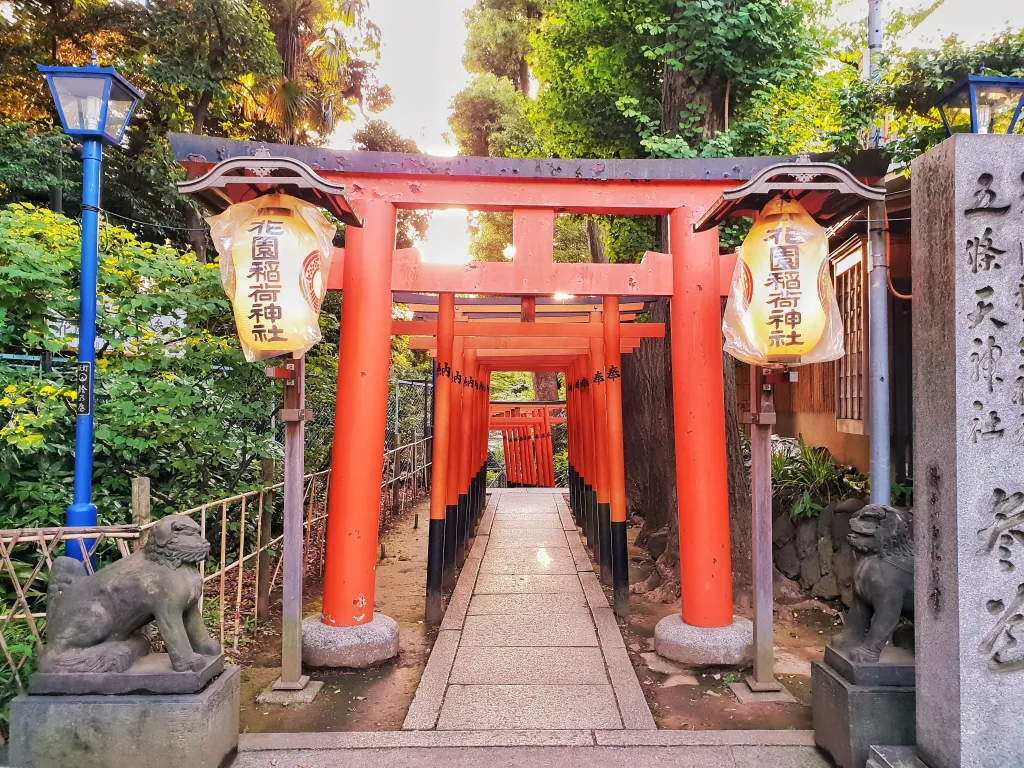
Spend several days in Sapporo, then travel to Otaru or a ski area such as Niseko. Sapporo’s February snow festival adds a major cultural reason to visit, while Hokkaido’s seafood and ramen make the trip work even for people who do not ski.
Pick Quebec City for a short city break
Quebec City suits travelers who want winter atmosphere without moving between several mountain resorts. Stay inside or near the fortified old town, plan outdoor sightseeing during daylight, and leave room for indoor stops at museums, cafés, and restaurants.
How to choose a February destination by weather, crowds, and cost
Start with your tolerance for weather risk, then check crowds and transport. A destination with perfect average temperatures can still disappoint if the trip depends on a seasonal event, a long transfer, or a beach that faces rough winter seas.
Match the climate to your actual activities
Beach trips need more than heat. Look for dry conditions, calm water, and enough daylight for excursions. Thailand’s Andaman coast is a better February beach choice than a destination where rain or rough seas can cancel boat trips. For hiking, Costa Rica and Tenerife offer a better balance than humid beach resorts because trails remain central to the experience.
Snow trips work the same way. Ski resorts need a strong base, but city travelers may prefer a place with reliable public transport and indoor attractions. Japan stands out because snow, food, shopping, and hot-spring culture all remain available when weather changes your plans.
Use a simple crowd and budget test
February can be expensive around school holidays, Valentine’s Day weekends, and major festivals. Compare the cost of flights, airport transfers, lodging, and paid activities together. A cheap flight to a remote beach may lose its advantage after a three-hour ferry and private transfer. A more expensive flight to Bangkok can still produce a cheaper total trip because trains, buses, food, and hotels cover more budgets.
Book fixed-date elements first. These include ski lodging, national-park permits, festival hotels, and intercity flights. Keep flexible activities for later. You can decide between beaches, markets, and museums after you see the forecast.
Know when February is the wrong month
Do not choose northern Europe for dependable warmth. Do not choose a tropical island solely from a social-media photo if February brings its wetter season. Avoid building a short trip around a festival unless you have confirmed dates and accommodation availability. For a low-stress week, Thailand or Tenerife beats a complicated multi-stop itinerary.
How to plan the trip without overpacking
Pack for one main climate and one controlled exception. Trying to prepare for beaches, ski slopes, and formal dinners creates heavy luggage and slower travel. Plan the route first, then pack only for the conditions you will face.
- Choose one base region. In Thailand, combine Bangkok with one beach area. In Japan, pair Tokyo with Hokkaido only if you can spare at least ten days. Shorter trips should stay within one weather zone.
- Check the forecast seven days before departure. February averages help with planning, but the live forecast decides layers, footwear, and day trips. Pack a thin rain shell even for dry-season destinations.
- Use a 40-liter carry-on for warm destinations. The Osprey Farpoint 40 has a 40-liter capacity and a suitcase-style opening, which makes it easier to separate beach clothes from transit items.
- Choose a smaller day bag. The Patagonia Black Hole Pack 32L provides enough room for water, a light layer, camera gear, and snacks on full-day excursions. It is more useful for hiking than a small fashion backpack.
- Carry backup power and location tracking. The Anker Nano Power Bank 10,000mAh covers phone top-ups during long travel days. An Apple AirTag measures about 31.9 by 31.9 by 8 millimeters and adds a simple way to track checked luggage.
- Leave space for local purchases. Thailand and Japan both reward travelers who buy food, clothing, and small gifts along the route. A bag packed to its limit turns every purchase into a problem.
For snowy destinations, the packing rule changes. Rent skis, poles, and bulky snow gear at the resort unless you already own equipment that fits well. Bring waterproof footwear, thermal layers, gloves, and a packable insulated jacket. Renting saves luggage fees and avoids carrying gear through airports and train stations.
February travel questions answered
What is the best country to visit in February?
Thailand is the best country for most travelers because February offers strong beach weather, good food, varied cities, and simple internal transport. Choose Costa Rica instead if wildlife and outdoor activities matter more than beaches.
Where is hot and affordable in February?
Thailand usually gives the best combination of warm weather and daily value. Bangkok, Chiang Mai, and Koh Lanta offer different price levels, so you can spend more on a beach hotel without making the entire trip expensive. Tenerife can be affordable with a self-catering apartment, but food and car rental costs vary by resort.
Where should couples go in February?
Choose Koh Lanta for relaxed beaches, Costa Rica for private nature-focused stays, or the Maldives for a high-end resort trip. Koh Lanta is the strongest value choice; the Maldives wins only when an isolated luxury stay is the main purpose.
What is the best February destination for families?
Tenerife is the easiest family option for a short holiday because roads, hotels, restaurants, and activities are straightforward. Thailand is better for a longer trip, but the flight time and heat require more planning with young children.
For a final decision, use this quick match: Thailand for the best overall escape, Costa Rica for wildlife, Japan for snow and food, Tenerife for accessible winter sun, and Quebec City for a compact cold-weather city break.
| Travel goal | Best destination | Why it wins |
|---|---|---|
| Warm beaches | Thailand | Dry weather, varied islands, strong value |
| Wildlife and hiking | Costa Rica | Dry Pacific season and diverse ecosystems |
| Snow and culture | Japan | Powder snow, festivals, food, and rail travel |
| Easy European sun | Tenerife | Shorter flights and reliable winter activities |