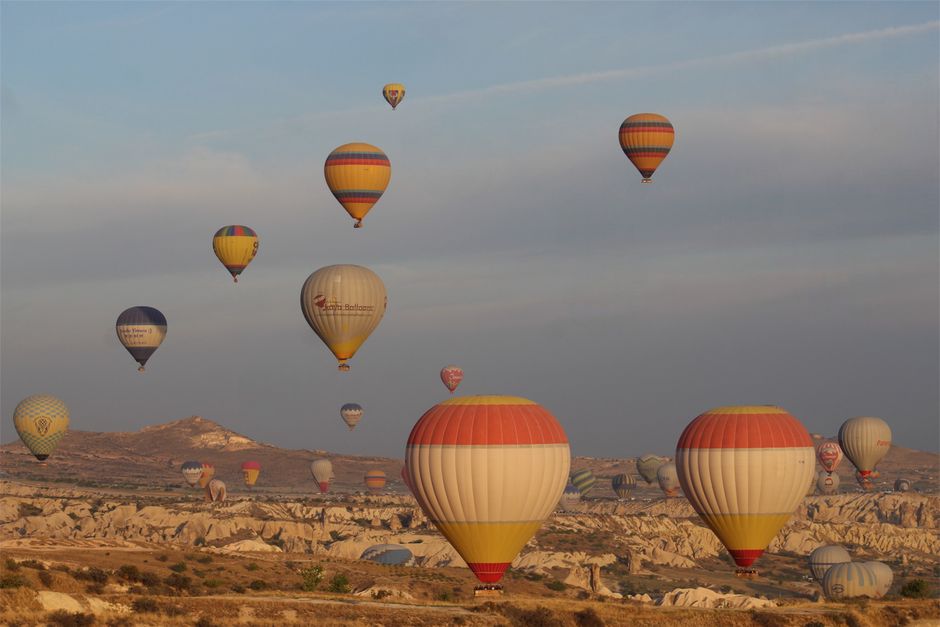
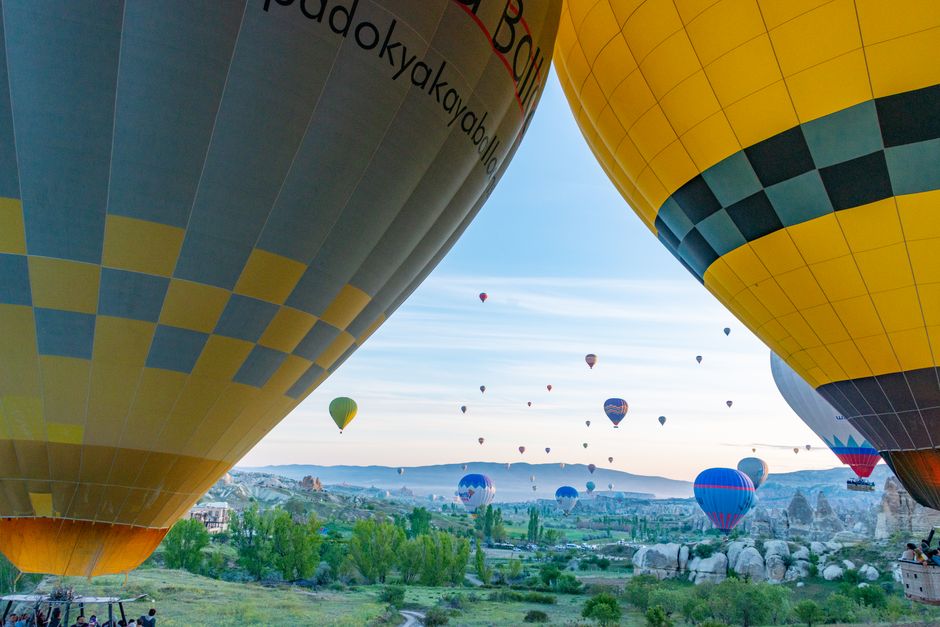
The alarm rings before dawn, the streets are quiet, and the sky above Cappadocia is still dark. Within an hour, the horizon may fill with pale stone cliffs, distant ridges and dozens of balloons drifting over the valleys. Later, the same landscape becomes a walking destination, with cave churches, orchards, underground passages and villages built into soft volcanic rock.
Cappadocia rewards visitors who plan around geography rather than a long list of attractions. The region looks compact on a map, but its valleys and towns sit at different elevations and rarely connect by direct walking routes. A thoughtful itinerary leaves room for early starts, steep paths, changing weather and slow meals.
When should a Cappadocia trip begin?
The best plan combines three full days with one flexible morning. That amount of time allows a valley walk, a cave-town visit and at least two chances to see the landscape at sunrise. A shorter stay can still work, but missed weather or tired legs will remove much of the experience.
Choose the season for the landscape, not just the temperature
Spring brings green valley floors, flowering trees and comfortable walking conditions, although rain can make dusty paths slippery. Summer offers long daylight hours but creates strong heat after late morning, so the best walks start early. Autumn often brings clear skies, warm afternoons and cooler evenings. Winter changes the character of the region completely: snow can cover the fairy chimneys, roads may become slower, and some trails feel empty and silent.
Sunrise views can happen in every season. The main difference lies in visibility and access. Low cloud, wind or heavy snow can hide the horizon, so a good schedule never gives only one morning to the view.
How long should the visit last?
Two nights suit a fast introduction, but three nights create a much better balance. The first day can cover a nearby valley and village. The second can focus on cave settlements and underground spaces. The third can hold a longer walk or a quieter route away from the busiest viewpoints. Four or five nights make sense for travelers who want several long hikes, a slower pace or extra weather protection.
Which Cappadocia valleys fit the same day?
Group valleys by location instead of crossing the whole region between every stop. This saves time and keeps the day focused. Routes can look short on a map, yet loose volcanic ground, stair-like sections and photo stops make walking slower than expected.
Pick one long walk or two short walks
For a first visit, Rose Valley and Red Valley make the strongest walking pairing because the scenery changes often and the routes can be adjusted. Pigeon Valley works better for travelers who want a quieter path between settlements. Ihlara Valley deserves its own block of time; adding several central valleys on the same day produces a rushed schedule and a long return journey.
Carry water, download an offline map and mark the intended exit before starting. Trail signs vary, and some paths split near orchards or rock shelters. The best route is the one that ends near a road or village before energy runs out.
What is the clearest three-day itinerary?
A three-day itinerary should move from easy orientation to deeper exploration. The order below limits backtracking and leaves the most weather-sensitive view at the start of each day.
Day one: settle into the valleys
- Arrive in the central valley area and check the condition of the next morning’s viewpoint.
- Walk a short section near Göreme during the cooler part of the afternoon.
- Visit a nearby cave church or rock-cut space, then stop at a high viewpoint before sunset.
- Eat early and prepare water, layers and a headlamp for the next morning.
The first day should feel manageable. Arrival delays are common, and a steep hike after a journey can turn an enjoyable trip into a recovery day.
Day two: sunrise, villages and underground spaces
- Explore a cave settlement or underground city after breakfast, when the passages feel less crowded.
- Spend the afternoon in Uçhisar or another village with a slower pace.
- Choose a sunset ridge only if the return route remains clear in daylight.
Day three: choose depth over distance
Use the final day for one longer valley such as Ihlara, or combine two nearby routes around the central area. Travelers who prefer culture can spend more time in village streets, small chapels and local stone architecture. Travelers who prefer walking should start early and stop before the hottest part of the afternoon. Keep the final evening open; clear skies may create the best sunset of the trip.
Are Cappadocia’s cave towns worth visiting?
Yes, but the underground cities reward curiosity more than speed. They show how people used the soft volcanic rock for shelter, storage, worship and defense. The experience feels very different from walking through an open valley.
What should visitors expect underground?
Passages can be narrow, low and uneven. Several levels may connect through sloping tunnels, stone doors and small chambers. People with limited mobility, claustrophobia or breathing problems may find the deepest sections uncomfortable. A visit does not require athletic ability, but it does require steady footing and patience.
Which cave settlement adds the most context?
Kaymaklı and Derinkuyu are among the best-known underground cities, while surface settlements around Uçhisar and Göreme show how daily life continued above ground. The most useful visit is not always the largest site. A smaller cave complex with fewer visitors may provide more space to understand storage rooms, ventilation shafts and communal areas.
Do not treat every hollow in the rock as an approved attraction. Some chambers are fragile, unmarked or located on private land. Stay on the marked route, avoid touching painted surfaces and follow local instructions near churches and old homes. The cave towns are historic spaces, not adventure playgrounds.
How can sunrise viewing stay safe and worthwhile?
Arrive early, stay behind barriers and accept that the sky may not cooperate. Cappadocia’s famous dawn scenes depend on wind, cloud and visibility. A clear forecast does not guarantee a perfect view, and balloons may not fly when conditions become unsafe.
Build a sunrise routine
Check the location the evening before and confirm how the route begins in darkness. Leave enough time to walk slowly, find a stable viewing point and let eyes adjust. Wear layers because the temperature can feel sharply colder before the sun rises. A small light helps on uneven ground, but it should point toward the path rather than into other visitors’ faces.
Stay away from cliff edges, unmarked roofs and narrow ledges. The best photograph cannot justify an unstable position. Balloon launch areas also need space; never enter a restricted field or approach equipment without permission.
Plan a second chance
Keep one additional morning available if sunrise matters greatly. Fog may hide the valleys, wind may stop balloon flights and cloud may flatten the light. That does not make the morning wasted. Low cloud can create a quiet, dramatic landscape, while a clear sunset may offer better colors than dawn.
Viewpoints can become crowded, especially during peak travel periods. Walking a few minutes away from the main platform often creates a calmer experience without sacrificing the broad view. Respect quiet hours near cave hotels and residential lanes; the region is a lived-in place, not a permanent photo set.
What mistakes should a first visit avoid?
The smartest Cappadocia trip leaves gaps in the schedule. Packing every valley, museum and viewpoint into one day creates long transfers, missed meals and little time to notice the landscape.
Common planning mistakes
- Choosing a base without checking its distance from the planned valleys.
- Starting a long hike late, when heat and poor light make the return harder.
- Relying on mobile signal in narrow valleys and underground spaces.
- Wearing smooth-soled shoes on loose rock and dusty descents.
- Assuming balloon flights, clear skies or road conditions will stay fixed.
- Entering closed paths, private orchards or unstable cave rooms for photographs.
- Booking the entire trip around one sunrise viewpoint.
When should a different style of trip replace a hiking-heavy plan?
Travelers with mobility limits should focus on accessible viewpoints, village streets and shorter cave sites rather than forcing a long valley route. Families with young children may prefer two brief walks and an open-air stop instead of a deep underground city. Visitors arriving in winter should leave more time for roads and weather changes. A slower plan often reveals more of Cappadocia than a checklist of distant sites.
The strongest itinerary combines one memorable walk, one cave or underground visit, two sunrise opportunities and plenty of unscheduled time. Cappadocia keeps changing with the light, and the most lasting view may come from a quiet ridge reached after the day’s main attractions are finished.