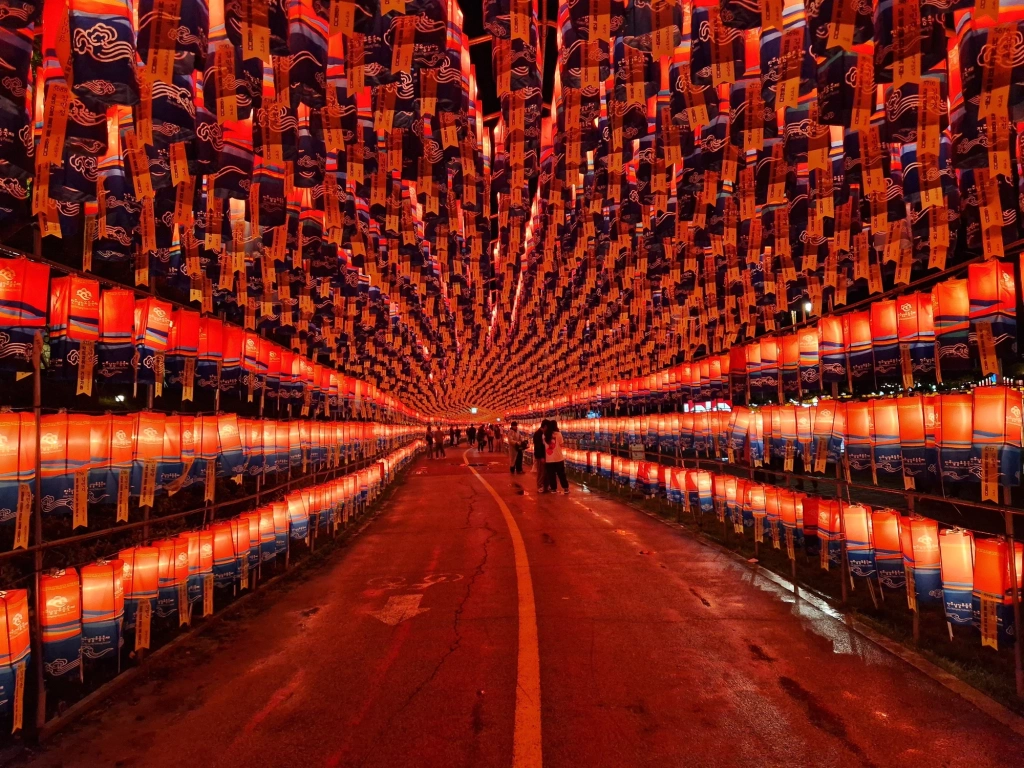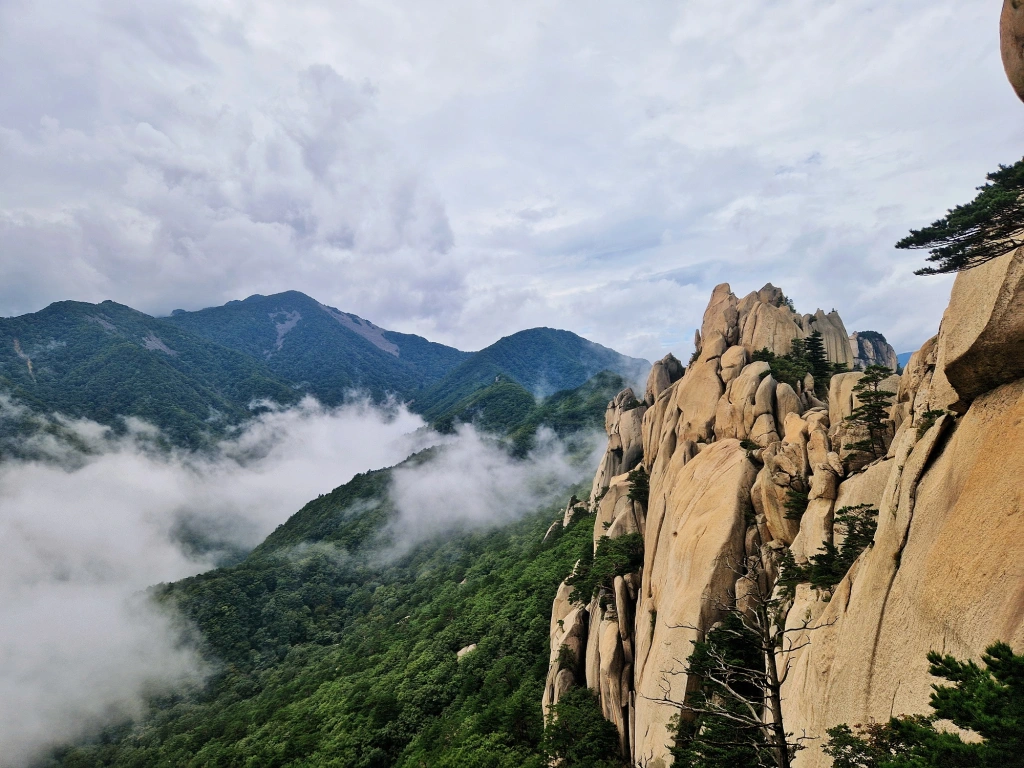
Hakone combines volcanic valleys, forested mountains, lakeside scenery, and traditional hot springs within easy reach of Tokyo. A well-planned visit needs more than a list of sights because weather, transport connections, bathing customs, and walking distances shape the entire experience.
What Makes Hakone Worth Two Days?
Hakone works best as a landscape journey rather than a single attraction. The area sits around an old volcanic caldera, so the scenery changes quickly from wooded valleys to steaming vents, open lake views, and high mountain ridges. The main reward comes from combining those settings in the right order.
The volcanic landscape explains the hot springs
Underground heat warms mineral-rich water beneath Hakone. That geological activity created the hot spring culture that defines the area, but it also shaped the roads, trails, and viewpoints. Valleys such as Hakone-Yumoto feel sheltered and green, while the higher ground around Owakudani has a raw, exposed character.
The contrast matters when planning a day. A visitor can leave a warm bath in the morning, travel through cedar forest, cross a steep mountain section, and reach Lake Ashi before lunch. Few destinations offer that much variety without a long transfer between regions.
Hot springs are a way to slow the itinerary
A hot spring visit should not be treated as another quick stop between viewpoints. The experience works because the body moves from travel mode into a slower rhythm: wash first, soak quietly, cool down, drink water, and leave enough time before the next activity.
For a first visit, one carefully chosen bathing session is more valuable than trying to visit several. A public bath suits travelers who want a shorter visit, while a traditional inn offers a deeper overnight experience with more time for rest. The strongest plan includes a bath after outdoor sightseeing rather than before a long uphill walk.
Mount Fuji is a weather opportunity, not a guaranteed attraction
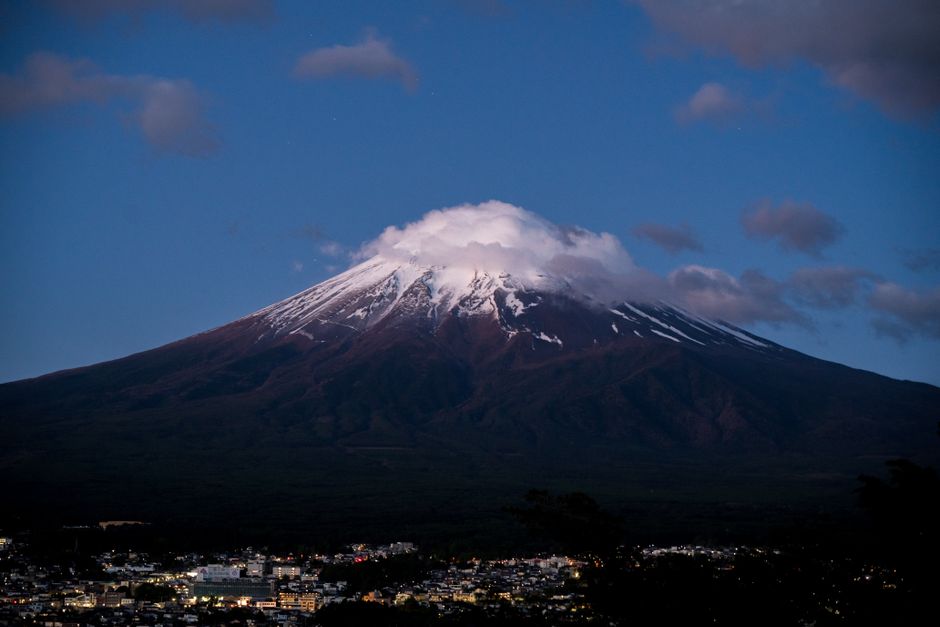
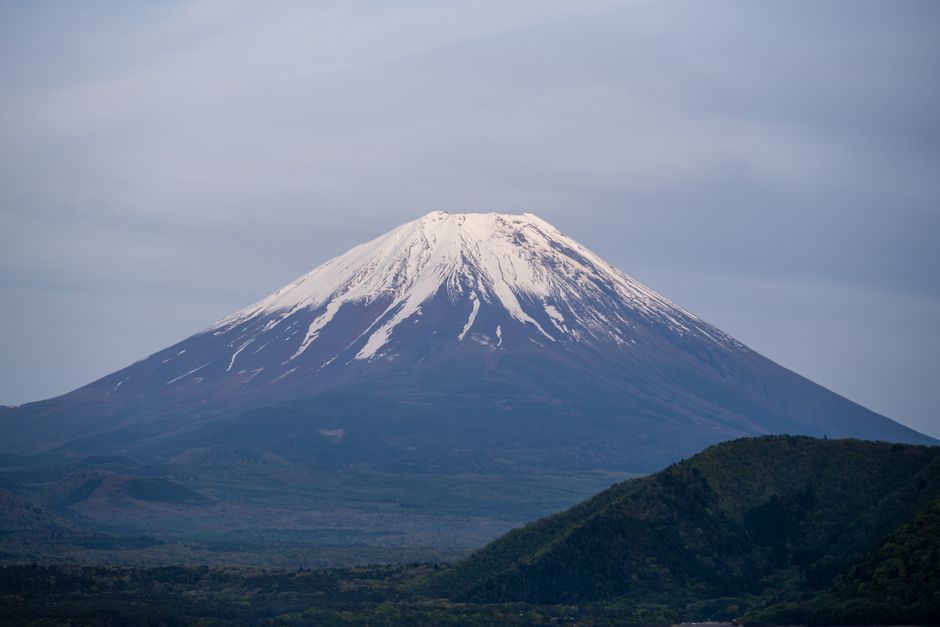
Mount Fuji can appear from Lake Ashi, higher viewpoints, and selected mountain trails, but the mountain often hides behind cloud even when the rest of Hakone looks bright. Clear air after a cold front usually creates the best conditions. Early morning also gives the strongest chance because clouds commonly gather around the summit later in the day.
That uncertainty is part of the destination. A good itinerary treats Fuji as a bonus and gives Hakone enough value through its hot springs, forest paths, volcanic scenery, and historic routes. The two-day plan is the safest choice because it creates more than one viewing opportunity.
Where Should Visitors Stay for Baths and Views?
The best base depends on the balance between bathing, transport, quiet surroundings, and access to the lake. Hakone is spread across steep terrain, so a stay that looks close on a map may still require a slow bus ride or a steep walk. Choose the base before arranging the daily route.
Hakone-Yumoto is the easiest arrival base
Hakone-Yumoto suits short stays and travelers carrying luggage. It has the most convenient connection from the main railway network, a broad choice of restaurants, and direct access to local transport. The valley is warm, leafy, and atmospheric, although it feels busier than the higher districts.
Gora suits mountain scenery and traditional lodging
Gora is a strong choice for visitors who want a quieter evening, art spaces, and access to the cable-car route. The slopes are steep, and some accommodation sits above the main road, so luggage can make the final walk tiring. The reward is a more secluded setting and easier access to higher parts of Hakone.
Lake Ashi suits sunrise views and a slower pace
The southern and eastern shores of Lake Ashi are best for travelers who want to wake near the water and start early. Motohakone and Hakone-machi place visitors close to lakeside paths, shrine scenery, and views toward Mount Fuji. Evening dining choices are more limited, and transport becomes less frequent after the main sightseeing hours.
| Base | Best for | Main tradeoff |
|---|---|---|
| Hakone-Yumoto | Short visits and easy arrival | More daytime crowds |
| Gora | Mountain scenery and bathing | Steep streets |
| Lake Ashi | Early views and lakeside walks | Fewer evening services |
| Sengokuhara | Open fields and a quieter stay | Less central for the full loop |
For a first visit with only one night, Hakone-Yumoto is the most practical base. For two nights, Gora or Lake Ashi creates a calmer experience and gives the scenery more room to unfold.
What Is the Most Practical Two-Day Hakone Itinerary?
The strongest route moves from low valley to high mountain, then toward the lake. That direction reduces unnecessary backtracking and places the most weather-sensitive views at the time of day when they are most likely to appear.
Day one: arrive, bathe, and explore the lower valley
- Arrive at Hakone-Yumoto in the morning and store luggage at the accommodation or a designated luggage counter.
- Keep this part relaxed because the full mountain route becomes tiring later.
- Take a local bus or train to the chosen bathing area. Reserve at least two hours for washing, soaking, changing, and resting rather than treating the bath as a twenty-minute stop.
- After lunch, visit a nearby museum, garden, or short forest path. Choose one main attraction instead of trying to fit several distant sites into the same afternoon.
- Return to the accommodation before evening transport becomes sparse. A bath before dinner works well after the first day of walking.
This first day protects the second day from a common mistake: attempting the entire mountain loop immediately after a long journey. It also gives the body time to adjust to steep paths and changes in temperature.
Day two: take the mountain route toward Lake Ashi
- Leave early and travel uphill through Gora toward the cable-car and ropeway sections. Check operating notices before departure because strong wind, volcanic gas, or maintenance can interrupt the route.
- Stop at Owakudani for the volcanic landscape and wide views. Stay on marked paths, follow local safety instructions, and avoid lingering if the air quality warning changes.
- Continue toward Lake Ashi and arrive near the water around late morning. If the sky is clear, prioritize a lakeside viewpoint before taking a boat or visiting another attraction.
- Walk part of the old cedar avenue near Moto-Hakone. The tall trees create a completely different atmosphere from the exposed volcanic slopes.
- End at Hakone-Yumoto or the planned departure point with enough time for the return journey. Do not schedule the final connection within a few minutes of the last sightseeing activity.
How to adjust the route when conditions change
If rain blocks the mountain views, keep the lower-valley bath, museum, and forest sections. If wind stops the ropeway, use the bus route toward Lake Ashi and treat Owakudani as optional. If the sky clears after a cloudy morning, move the lake viewpoint later rather than abandoning it.
The route should remain flexible, but the order should remain deliberate. Weather-first planning means placing the lake and high viewpoints into the clearest available window, not forcing the same schedule in every forecast.
What Hot Spring Rules and Mistakes Matter Most?
Follow the bathing sequence exactly: wash, rinse, soak, rest, and drink water. That simple order prevents most etiquette problems and makes the experience more comfortable for everyone sharing the bath.
Wash completely before entering the bath
- Remove shoes before entering the changing area.
- Store clothing and valuables securely.
- Wash at the seated shower station before stepping into the shared water.
- Keep towels out of the bath. Place a small towel on the edge or on the head if needed.
- Speak quietly and avoid splashing.
Many bathing facilities do not allow swimwear in shared baths, and tattoo policies vary. Check the rules before arrival instead of assuming every facility follows the same policy. Some places may offer private bathing options or cover requirements, but availability changes by location.
Prevent the most common comfort problems
Do not enter the hottest bath immediately after a long hike, a large meal, or alcohol. Sit down, drink water, and begin with a shorter soak. Ten minutes may be enough for the first round. Leave the water if dizziness, nausea, or a racing heartbeat appears.
Cold weather creates another trap. Travelers may feel warm after bathing and underestimate how quickly the body cools while waiting for transport. Carry a dry layer and keep the route back to the accommodation simple.
Do not overpack the sightseeing day
The most common planning error is combining a long loop, several museums, a full hike, and a long bath in one day. Hakone rewards fewer stops with more time at each one. Choose one main transport loop, one cultural or natural stop, and one bathing session.
For visitors who dislike shared bathing, a private bath or a room with bathing facilities may be a better fit. For visitors who dislike steep roads, a lakeside base is less stressful than a hillside base. The right choice removes friction before it becomes a problem.