Seven UNESCO-listed monument zones sit across Kathmandu Valley, yet the most rewarding way to see them is not to rush through every landmark. The valley works better as a sequence of courtyards, shrines, rooflines, and quiet streets, with enough time for each place to show its character. This guide explains how to build a realistic route, what each old square does best, how to behave inside active temples, and which common mistakes can turn a fascinating visit into a tiring one.
How to Plan a Kathmandu Valley Temple Route
The strongest itinerary groups nearby sights instead of treating the valley as one large attraction. Kathmandu, Patan, and Bhaktapur each deserve a separate block of time because traffic can make short distances surprisingly slow. A route that looks compact on a map may take much longer once narrow lanes, roadworks, festival crowds, and temple visits enter the picture.
Start with one historic square
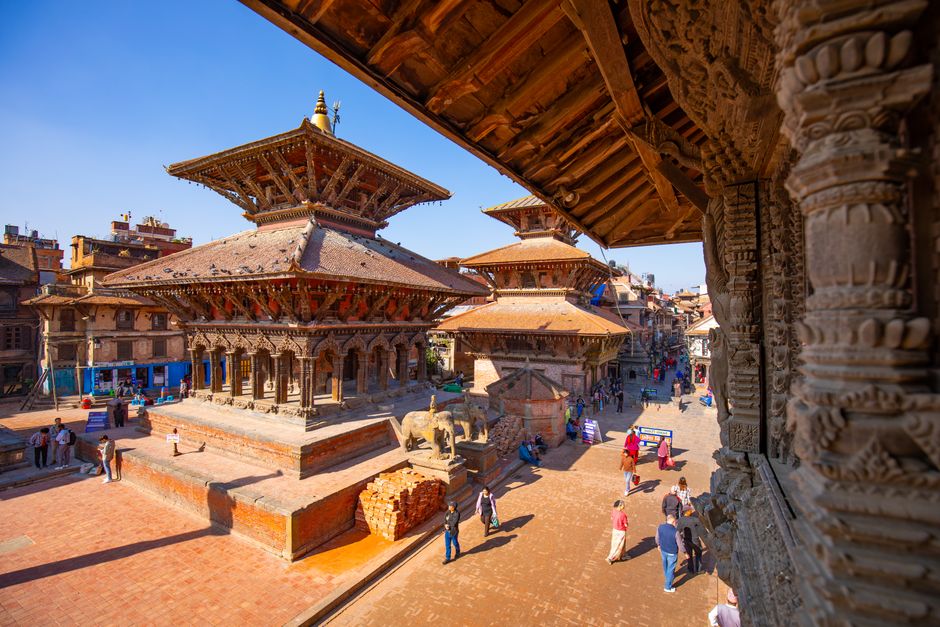
For a first visit, begin with Patan Durbar Square. Its Newar architecture is dense but manageable, and the surrounding lanes contain courtyards, small shrines, workshops, and traditional houses that reward slow walking. Arrive early, before the central square fills with tour groups. Spend the first hour looking at the palace courtyards and major temples, then walk outward through the side streets rather than leaving immediately.
Kathmandu Durbar Square works best as part of a city day. Combine it with the nearby old lanes of Ason and Indra Chowk, but allow time for noise, traffic, and uneven pavements. Bhaktapur deserves the longest visit. Its brick squares, raised temple platforms, pottery areas, and quieter residential lanes feel more coherent when explored over several hours.
Build the day around light and energy
Temple architecture changes noticeably during the day. Morning light brings sharper detail to carved wood and brick façades, while late afternoon gives Bhaktapur a warmer atmosphere. A practical pattern is to visit a major square early, pause during the busiest middle hours, and return to a second site later. This avoids trying to absorb sacred spaces while tired, hungry, or squeezed into a traffic delay.
Allow at least half a day for each major old square and treat Swayambhunath and Boudhanath as separate experiences rather than quick stops. The best overall plan is three full cultural days: Kathmandu and Swayambhunath, Patan and nearby courtyards, then Bhaktapur with a slower evening walk.
Which Old Square Should You Visit First?
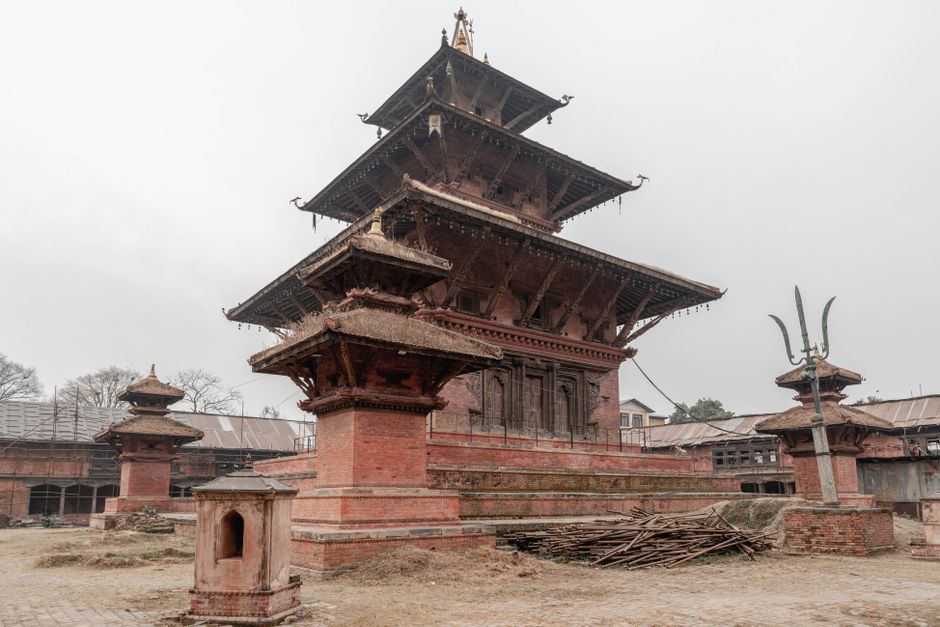
Each square offers a different answer to the question of what makes Kathmandu Valley special.
| Site | Best time | Main strength | Allow |
|---|---|---|---|
| Kathmandu Durbar Square | Early morning or late afternoon | Royal history, major temples, busy old-city streets | 3 to 4 hours |
| Patan Durbar Square | Morning | Fine Newar details, museum courtyards, nearby bahals | 4 to 5 hours |
| Bhaktapur Durbar Square | Morning through late afternoon | Preserved brick streets, open squares, traditional urban character | 5 to 7 hours |
| Swayambhunath | Sunrise or clear late afternoon | Hilltop views, Buddhist symbolism, prayer activity | 2 to 3 hours |
The clearest first choice
Patan is the best first stop for travelers who want detail without the full intensity of Kathmandu’s central traffic. Its square presents a strong concentration of temples, and the nearby courtyards reveal how religious life fits into ordinary neighborhoods. Bhaktapur wins for atmosphere, but its larger scale demands more time. Kathmandu Durbar Square wins for historical drama and easy access, although the surrounding city can feel more hectic.
Do not judge a site by its main courtyard
The central square is only the opening scene. In Patan, look for bahals, or traditional Buddhist courtyards, tucked behind ordinary-looking entrances. In Kathmandu, follow the lanes toward small shrines and market streets. In Bhaktapur, move beyond the main square toward pottery areas and residential alleys. The strongest verdict is simple: choose Patan for architecture, Bhaktapur for atmosphere, Kathmandu for urban history, and Boudhanath for an active Buddhist setting.
What Should Happen on a Three-Day Itinerary?
Spend the first day understanding the valley’s rhythm, the second studying its craftsmanship, and the third slowing down inside its best-preserved historic city. Start with Kathmandu Durbar Square early, continue through the old market streets, and visit Swayambhunath later when the hilltop gives a wider view of the city. Keep the evening gentle; the first day includes more walking, traffic, and sensory noise than the map suggests.
Use day two for Patan Durbar Square and the surrounding lanes. This is the strongest day for carved windows, metalwork, courtyards, and close architectural observation. Stop often. A rushed route misses the small shrines and quiet doorways that explain how the historic city still functions beyond its postcard views.
Reserve day three for Bhaktapur. Enter early, walk across the principal squares before the crowds thicken, then spend the middle of the day exploring side streets and temple platforms. Return toward the central area in the late afternoon. The changing light makes the brick façades warmer, and the slower pace helps separate Bhaktapur from a simple checklist of monuments.
Visitors with only one day should choose Patan rather than attempting all three squares. That decision produces a fuller experience and reduces the risk of spending the entire visit inside vehicles.
Temple Etiquette and Mistakes That Ruin the Visit
Active temples are not museum displays, and respectful behavior matters even when a site welcomes tourists. Follow these practical rules:
- Check the entrance before walking inside. Some Hindu temple interiors restrict non-Hindu visitors, while courtyards may remain open. Follow signs and local directions without arguing.
- Remove shoes where signs, devotees, or temple staff indicate. Wear footwear that can be taken off quickly and keep socks in reasonable condition.
- Walk clockwise around Buddhist stupas and prayer structures. Avoid cutting across groups engaged in worship or blocking narrow circulation paths.
- Ask before photographing people, rituals, monks, or private courtyards. A camera pointed at a shrine does not automatically grant permission to photograph everyone nearby.
- Keep voices low inside courtyards and do not climb onto statues, shrine platforms, or temple roofs for a better picture.
- Carry water and plan shade breaks. Stone paving and stairways become tiring, especially after several hours of slow walking.
- Expect uneven surfaces. Old squares include raised thresholds, worn steps, narrow lanes, and areas where reconstruction continues after earthquake damage.
- Leave extra time for festivals and ceremonies. A blocked lane or crowded courtyard may be part of the day’s cultural life, not a problem to push through.
The most common planning error is treating entry points and landmark photographs as the entire visit. The second is attempting Kathmandu, Patan, and Bhaktapur in one day. That plan saves little time and removes the quiet pauses that make the valley memorable. The better choice is fewer sites with longer visits.
What Should Visitors Expect Beyond the Famous Landmarks?
Are the squares still living neighborhoods?
Yes. Religious ceremonies, local errands, courtyard gatherings, school routes, and small workshops continue around the monuments. That mixture gives the valley its character, but it also means visitors must share narrow spaces with residents. A quiet doorway may belong to a family rather than a sightseeing route.
Is the architecture easy to understand without a guide?
The main forms are visible without specialist knowledge: tiered pagoda roofs, carved struts, stone water spouts, Buddhist courtyards, and palace gateways.
What happens when weather changes?
Rain can make brick paving slippery and soften the day’s views from Swayambhunath. Cloud also changes the mood of the valley without making the old squares uninteresting. Keep the itinerary flexible: use a wet morning for museums, courtyards, and close architectural details, then move toward open viewpoints when the sky clears.
Expect beauty alongside dust, traffic, construction, crowds, and occasional restricted access. That contrast is part of the honest experience. The most important rule is to treat Kathmandu Valley as a living cultural landscape, not a collection of empty monuments.