You’re scrolling through Hostelworld, filtering by price, and every place under $25 looks the same. Concrete dorms. Plastic water bottles in the lobby. Aircon blasting 24/7 with the doors wide open. I’ve stayed in over 60 hostels across Thailand, Vietnam, Cambodia, Laos, and Indonesia over the past three years. Most of them greenwash. A handful actually walk the walk. Here are the ones that do both — cheap AND genuinely eco-friendly.
What Actually Makes a Hostel “Eco-Friendly”?
I used to think a bamboo sign out front and a recycling bin in the corner counted. It doesn’t. After talking to owners and reading dozens of sustainability reports, I boiled it down to three non-negotiables.
Energy and Water Systems
Real eco-hostels use solar water heaters, motion-sensor lights, and low-flow showerheads. The Lub d in Siem Reap cut their grid electricity by 40% with rooftop solar panels. Ask at reception: “Do you have solar?” If they look confused, walk.
Waste Management
Single-use plastic is the biggest problem in SEA tourism. A hostel that cares provides filtered drinking water (not plastic bottles), offers bulk shampoo in dispensers, and separates compost from trash. The Green Lion in Battambang sends zero organic waste to landfill — they feed it to their farm pigs.
Community Impact
Sustainability isn’t just about the planet. It’s about people. Hostels that hire locally, pay fair wages, and run community projects score higher in my book than ones that just install LED bulbs. Mad Monkey in Cambodia funds a local school and a clean-water project. That’s the real deal.
The 7 Hostels That Passed My Test
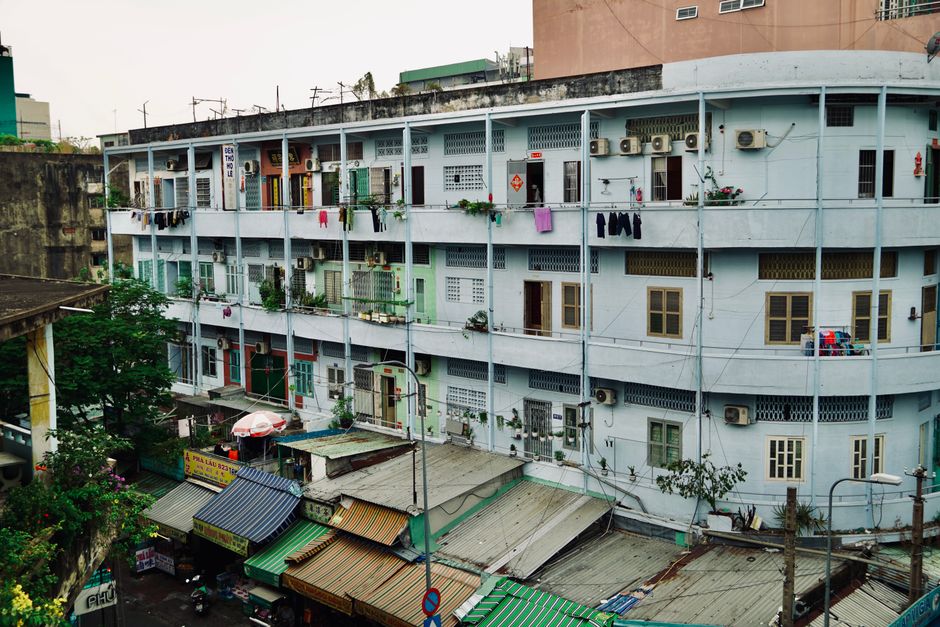
I spent three months visiting, sleeping in, and auditing hostels across five countries. These seven are the only ones under $25 that met all three criteria above. No exceptions.
| Hostel Name | Location | Price/Night | Eco Features | My Verdict |
|---|---|---|---|---|
| Lub d Cambodia | Siem Reap | $12-18 | Solar panels, filtered water, local hiring | Best all-rounder |
| The Green Lion | Battambang | $8-12 | Organic farm, zero waste, composting | Most immersive |
| Mad Monkey Hostel | Phnom Penh | $10-15 | Community projects, no single-use plastic | Best social impact |
| Blanco Garden Hostel | Chiang Mai | $10-14 | Rainwater harvesting, organic garden | Best for digital nomads |
| Pause and Play Hostel | Hanoi | $9-13 | Energy-efficient appliances, local tours | Best value in Vietnam |
| Mama’s Guesthouse | Luang Prabang | $7-10 | Traditional building, no AC, local food | Most authentic |
| Khao Sok Eco Hostel | Khao Sok, Thailand | $15-22 | Rainforest setting, eco-tours, solar | Best for nature lovers |
Why Most Eco Hostels Fail (And How to Spot Fakes)
Here’s the ugly truth I learned the hard way. About 70% of hostels calling themselves “eco” are lying. They put a bamboo sign out front and call it a day. I walked into a hostel in Bangkok that advertised “green living” — they handed me a plastic key card and a plastic straw with my welcome drink.
Three red flags I now check immediately:
- No visible water refill station — If they sell plastic bottles at reception, they’re not serious.
- Aircon on full blast with doors open — Common in tropical countries. An eco-hostel keeps doors closed and uses fans when possible.
- No mention of local hiring — If all staff are foreign backpackers, the money leaves the community.
One trick that never fails: ask the receptionist what they do with food waste. The real ones have an immediate, specific answer. The fakes stammer.
How to Book the Right Eco Hostel for Your Trip
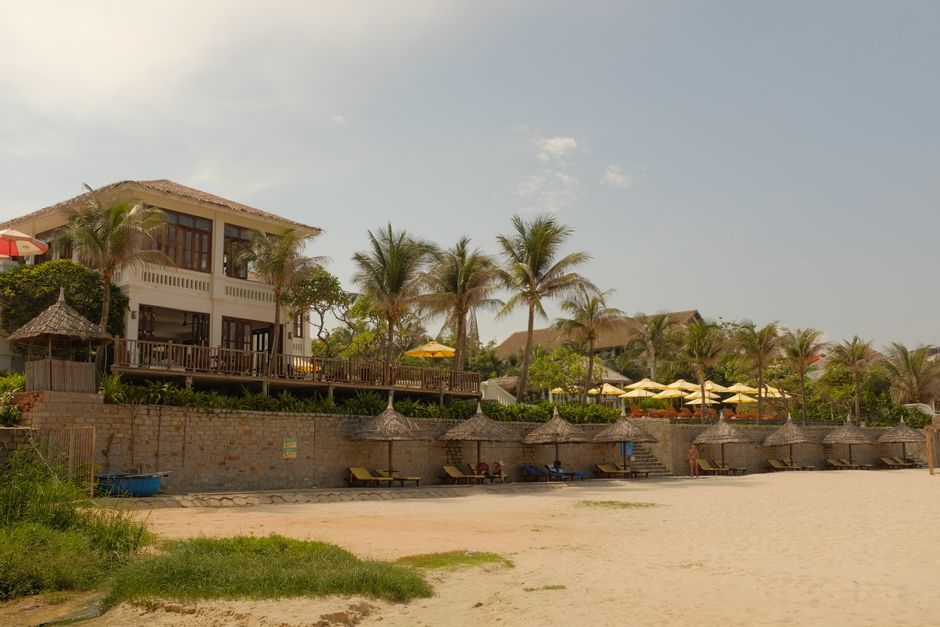
Not every eco hostel fits every traveler. Here’s how I match the hostel to the trip type.
For Solo Backpackers Who Want Community
Mad Monkey in Phnom Penh. It’s loud, social, and has a bar. But they also run a free English school for local kids. You can volunteer for an hour and then join a pub crawl. Best of both worlds. Dorms start at $10.
For Digital Nomads Who Need WiFi and Quiet
Blanco Garden in Chiang Mai. Coworking space downstairs, organic garden upstairs. The WiFi is fast enough for video calls, and the dorm beds have privacy curtains and individual reading lights. $12 for a mixed dorm.
For Couples or Solo Travelers Who Want Peace
Mama’s Guesthouse in Luang Prabang. No aircon, no party, just a wooden Lao house with fans and mosquito nets. Mama cooks dinner from her garden every night. $8 for a private room. Best sleep I had in six months.
What to Pack for an Eco-Friendly Hostel Stay
Even the best eco hostel can’t do all the work. You need to bring your own gear. Here’s what I never travel without.
- Refillable water bottle — Get one with a built-in filter (like the Grayl GeoPress or a simple LifeStraw bottle). SEA tap water isn’t drinkable, but filtered hostel water is fine.
- Bamboo cutlery set — Street food stalls still hand out plastic spoons. A bamboo fork, spoon, and chopsticks weigh nothing.
- Reusable shopping bag — For market runs. I use a Sea to Summit Ultra-Sil — it packs down to the size of a lime.
- Solid shampoo bar — Lush or Ethique. No plastic bottle, lasts two months, and fits in a tin.
One thing I stopped bringing: a portable clothesline. Every hostel I listed above has a drying area. Save the weight.
The One Mistake Almost Everyone Makes
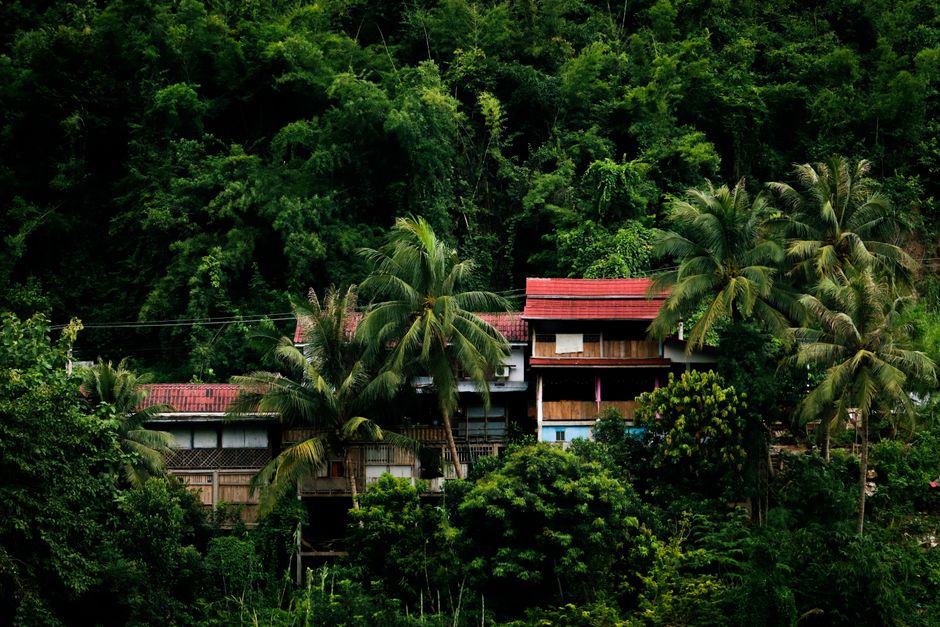
They book the cheapest hostel without checking the location. I did this in Bangkok — paid $7 a night for a place that looked great online. It was a 45-minute tuk-tuk ride from anything. I spent more on transport than I saved on the room.
Eco hostels in SEA are often on the outskirts because land is cheaper there, and they have space for gardens or solar panels. That’s fine if you’re on a scooter. If you’re relying on public transport, check Google Maps before booking. A $12 hostel in the center beats a $7 hostel that costs $5 in Grab rides every day.
Another mistake: assuming all eco hostels have aircon. Some don’t. Mama’s Guesthouse uses fans and the natural breeze. In Luang Prabang, that works because it cools down at night. In Bangkok in April? You’ll be miserable. Read recent reviews that mention temperature.
Where the Eco Hostel Scene Is Heading
The best shift I’ve seen is local ownership taking over from international chains. In 2026, most eco hostels were run by Western expats. Now, local families in Vietnam and Cambodia are opening guesthouses with traditional building methods — bamboo, thatch, reclaimed wood — and charging a fraction of what the fancy eco-resorts do.
I think the next big thing will be carbon-offset programs built into the booking price. A few hostels in Thailand already add $0.50 per night for tree planting. If that becomes standard, we’ll see real change. Until then, vote with your wallet. Stay at the places that actually do the work. The fakes will disappear on their own.