The best time to visit Iceland is September for most travelers. You can still find open roads, autumn color, and manageable daylight, while the northern lights become possible and summer crowds start to thin. Choose June through August for hiking and long road-trip days, or January through March for a darker, quieter trip focused on aurora viewing and winter scenery.
Which month is best for your Iceland trip?
The best month depends on the experience you want to build. Iceland changes sharply with daylight, road access, weather, and visitor demand, so choosing a month first makes the rest of the itinerary easier.
Best month for a first visit
September is my overall pick. Daylight lasts roughly 13 hours in Reykjavik at the start of the month and about 11 hours by the end. That gives you enough time for the Golden Circle, waterfalls, black-sand beaches, and sections of the South Coast without forcing every activity into a tight schedule. The first autumn colors also add contrast to Iceland’s dark lava fields.
Best month for hiking
July wins for highland hiking. The F-roads into areas such as Landmannalaugar normally have their best chance of opening from late June through August, though exact dates vary with snow and road conditions. July also brings nearly 21 hours of usable daylight around Reykjavik, which makes long walks and late drives much easier.
Best month for northern lights
March offers the strongest balance for aurora hunters. Nights remain properly dark, roads are often easier than in midwinter, and daylight approaches 12 hours by the end of the month. The northern lights are never guaranteed, but clear skies, low light pollution, and activity after around 9 p.m. improve your odds. For a single short trip, book at least four nights instead of gambling on one evening.
What each Iceland season is really like

Iceland has four calendar seasons, but travelers experience them mainly through light and access. A summer day can feel almost endless, while a winter storm can close a road within hours. That contrast matters more than small changes in average temperature.
Summer: June to August
Summer is the easiest season for a broad road trip. Average daytime temperatures in Reykjavik sit near 12 to 15°C, and the long days leave room for detours. Whale watching, puffin trips, camping, and highland excursions are at their most practical. The drawbacks are higher accommodation prices, busy parking areas, and popular viewpoints that rarely feel empty. Reserve rooms and rental cars early, especially for July.
Shoulder season: April to May and September to October
Shoulder months give you a better mix of value and access. April has longer days than winter but can still bring snow, ice, and sudden wind. May brings migrating birds, brighter evenings, and better conditions along the main tourist routes. September is more reliable for a classic itinerary, while October has stronger aurora potential but shorter days and a higher chance of storms. The shoulder season is the smartest choice for travelers who want fewer crowds without giving up the main sights.
Winter: November to March
Winter suits travelers who accept a flexible schedule. Average daytime temperatures often sit around 0 to 4°C in Reykjavik, but wind can make conditions feel much colder. Ice caves, glacier tours, hot pools, and northern lights trips define the season. Snow and darkness limit driving time, and mountain roads usually close. Do not build a tight Ring Road schedule around winter driving; use guided excursions or keep your route short.
Season-by-season planning data
This snapshot shows why the best time to visit Iceland changes by trip style. Temperatures are broad Reykjavik averages, not promises for the whole island. The north, interior, and exposed coast can be colder and windier.
| Period | Daylight in Reykjavik | Typical daytime temperature | Best for | Main drawback |
|---|---|---|---|---|
| January to March | 4 to 12 hours | 0 to 4°C | Northern lights, ice caves, winter scenery | Storms and limited driving |
| April to May | 13 to 19 hours | 4 to 10°C | Lower crowds, waterfalls, spring birdlife | Mixed road and trail conditions |
| June to August | 18 to 21 hours | 12 to 15°C | Hiking, puffins, camping, full road trips | Peak prices and crowds |
| September to October | 8 to 13 hours | 5 to 12°C | Aurora chances, photography, quieter sights | Shorter days and changing weather |
| November to December | 4 to 8 hours | 0 to 5°C | Holiday atmosphere and aurora trips | Very short daylight and closures |
Bottom line: June through August is the practical winner for a first-time self-drive trip. September is the better overall value. January through March is the better fit for a winter experience, not a rushed island tour.
How to choose your travel month in four steps
Use this process before booking flights. It prevents a common mistake: choosing cheap dates first and discovering that the activities you wanted are unavailable.
- Choose one main goal. Pick hiking, northern lights, wildlife, winter activities, or a relaxed sightseeing loop. Do not treat every seasonal attraction as equally available.
- Set your daylight minimum. If you want to drive six hours, hike, and stop at several viewpoints in one day, aim for May through September. If you prefer short excursions from Reykjavik, winter darkness is less restrictive.
- Check road access before choosing a route. The Ring Road is far more realistic in summer and early autumn. F-roads and remote highland tracks require a later-season opening and a suitable four-wheel-drive vehicle. Never assume a map route equals a legal or safe route.
- Leave weather space in the schedule. Keep one spare day for a delayed ferry, canceled boat trip, closed pass, or storm. Iceland rewards flexible plans. A packed itinerary can turn one closure into three missed bookings.
- Book the scarce items first. Accommodation in small towns, glacier tours, and summer rental cars can sell out before flights. Build the route around confirmed essentials, then add scenic stops.
The strongest plan is a short route completed safely, not an ambitious loop that collapses when wind or snow changes the road conditions.
Questions travelers ask before booking Iceland
Can you see the northern lights in summer?
No. Iceland’s summer sky stays too bright for normal aurora viewing, especially from late May through July. The midnight sun is the tradeoff for long sightseeing days. For northern lights, travel from late August or early September through mid-April, with October through March offering the longest dark hours.
Is Iceland worth visiting in winter?
Yes, if you want ice, snow, hot springs, and aurora tours and can accept cancellations. Winter is not the best choice for a first self-drive itinerary covering the entire island. Base yourself in Reykjavik for part of the trip, add guided South Coast excursions, and keep the daily plan short.
When are puffins in Iceland?
Puffins usually arrive from late April or May and remain through August, with sightings often strongest from May to early August. Coastal colonies can be reached by boat or on selected land-based trips. Bird activity changes by location, so confirm the season with a local operator before committing to a specific island or cliff.
When is Iceland cheapest?
November through March often brings lower accommodation demand outside the Christmas and New Year period. April, May, September, and October can also offer better value than July. The cheapest month is not automatically the cheapest trip: extra tours, weather delays, and slower driving can raise the total cost.
What can ruin an otherwise well-timed visit?
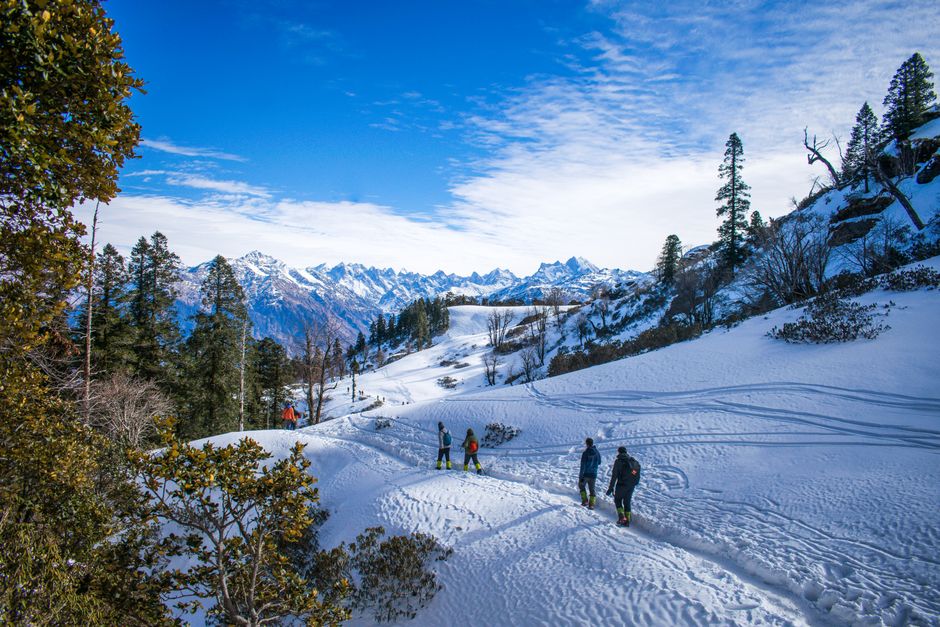
My strongest warning is simple: do not choose a month based on one photograph. A summer image of a clear highland road says little about winter access, and a northern-lights photo does not show the hours spent waiting in cold, cloudy weather.
- Booking only one aurora night: clouds can erase the opportunity. Stay several nights and check forecasts each evening.
- Expecting warm summer weather: 15°C, rain, and strong wind can arrive on the same day. Pack a waterproof shell, warm layers, gloves, and shoes with reliable grip.
- Driving too far in winter: darkness and wind reduce visibility quickly. Use official road and weather updates before every long drive.
- Assuming every attraction runs year-round: highland buses, puffin boats, ice-cave tours, and mountain roads follow seasonal schedules.
- Ignoring daylight: a route that looks short on a map may require slow driving, photo stops, and time for changing conditions.
For most readers, September gives the cleanest compromise: enough light for major sights, a real chance of northern lights, and less pressure than peak summer. Choose summer for access and hiking, winter for atmosphere and aurora, and shoulder season for the best balance.