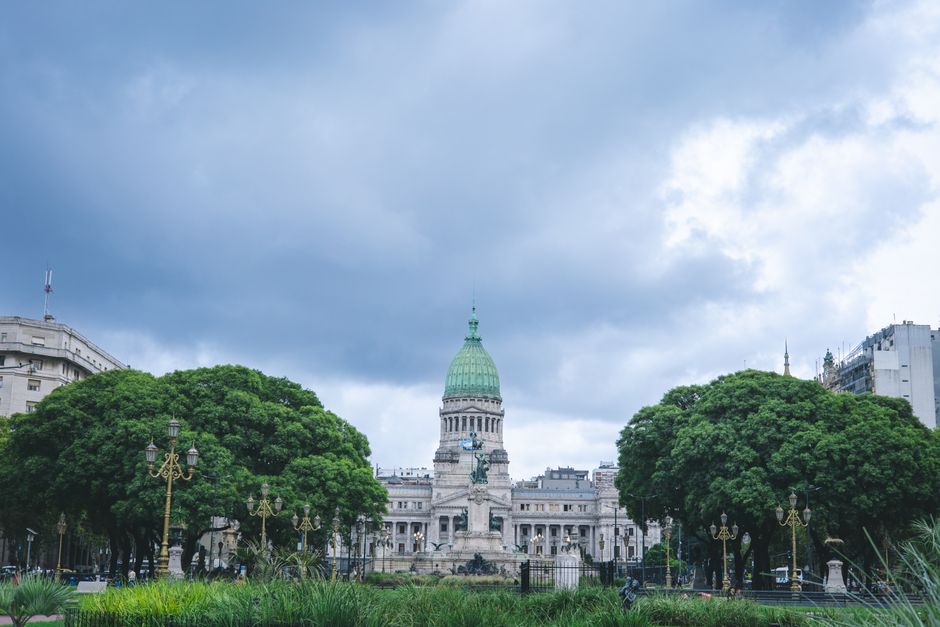
Buenos Aires is easier to understand by neighbourhood than by landmark list. Each district has its own pace, architecture, dining habits and practical demands, so a good itinerary depends on matching the area to the time available and the experience sought.
Which Buenos Aires neighbourhoods fit a first visit?
A first visit works best with a route that combines historic streets, grand civic buildings, everyday local life and a strong evening scene. The districts below offer the clearest introduction, but they are not interchangeable. Travel time, walking comfort and the day of the week all affect the experience.
| Neighbourhood | Best for | Allow | Best time |
|---|---|---|---|
| San Telmo | Colonial streets, markets and antiques | 3 to 4 hours | Sunday morning for the street market |
| Monserrat and Microcentro | Historic buildings, Plaza de Mayo and city history | 3 hours | Weekday morning |
| Recoleta | Museums, formal architecture and shaded avenues | 3 to 4 hours | Late morning or afternoon |
| La Boca | Colourful streets, football culture and port history | 2 to 3 hours | Daylight hours |
The strongest two-day route
On the first day, begin in Monserrat and walk towards Plaza de Mayo, then continue through San Telmo. This creates a logical historical line and avoids crossing the city repeatedly. On the second day, combine Recoleta with Palermo, using the parks and broad avenues as a transition between the two.
The strongest three-day route
Add La Boca during daylight on the third morning, then leave the afternoon open for Palermo Viejo or a return to San Telmo. This slower structure is more reliable than trying to fit every district into one packed day. A neighbourhood guide should reduce unnecessary transport, not create a checklist.
San Telmo, Recoleta or Palermo: which district deserves more time?
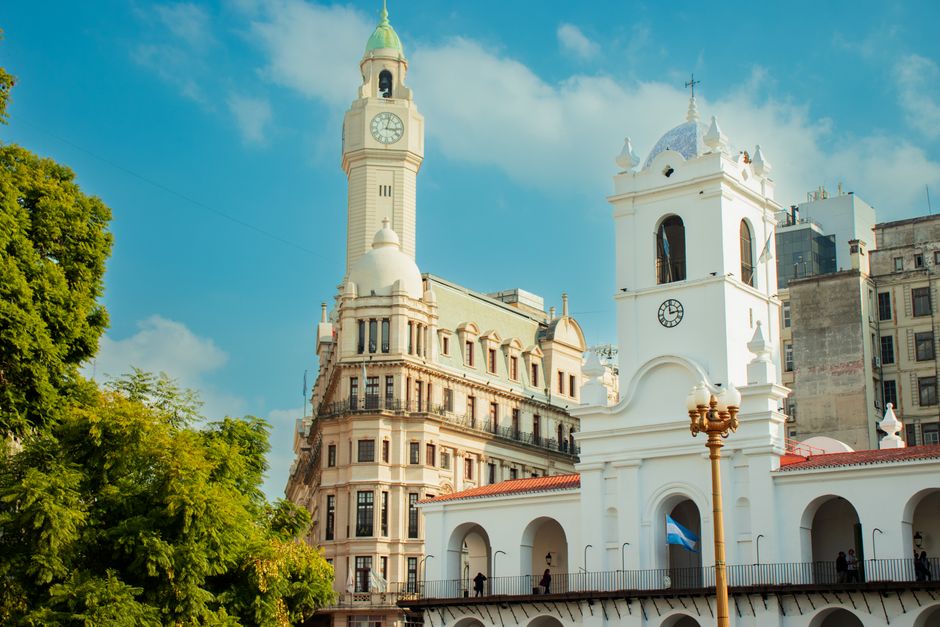
Palermo deserves the most flexible time, Recoleta offers the easiest polished introduction, and San Telmo gives the strongest sense of the city’s historic character. That ranking is based on variety and practical ease, not on a claim that one district suits every traveller. Recoleta is the better choice for architecture, museums and calm daytime walking. San Telmo is the clear pick for older streets, market culture and a less formal atmosphere.
La Boca is more specialised. Its colourful core can be memorable, but it should not replace a full day in the central historic districts. The area rewards a focused visit during daylight rather than aimless wandering after dark. Microcentro is useful for civic history and transport connections, yet it can feel quiet outside working hours. The practical verdict is simple: prioritise Palermo and Recoleta for comfort, San Telmo for character, and La Boca for a targeted daytime visit.
How to explore each neighbourhood without wasting time
Start with the city’s historic centre
Begin around Plaza de Mayo and move through the surrounding civic streets before heading south. The central area explains how Buenos Aires developed as a port capital, and several major buildings sit within a walkable cluster. Early starts are valuable because pavements become busier later, guided groups gather around key sights, and heat can make long crossings tiring during warmer months. Keep the route focused: a few meaningful buildings and squares provide more context than rushing through every nearby attraction.
Use San Telmo as a slow walking district
San Telmo is best explored without a strict minute-by-minute schedule. Its appeal lies in the relationship between narrow streets, old façades, small plazas and changing storefronts. Sunday is the liveliest day for the market, but that also brings crowds and slower movement. Arrive early, keep valuables secure in dense areas, and step away from the busiest route when the market becomes tiring. Weekdays offer a quieter view of the district, though some stalls and small businesses may not operate.
Pair Recoleta with Palermo, not with La Boca
Recoleta and Palermo connect more naturally than Recoleta and La Boca. Recoleta suits a concentrated circuit of monuments, museums and formal avenues. Palermo then provides more open space, especially around its large parks and botanical areas. The pairing creates a useful change of pace: structured sightseeing first, then room to sit, walk or eat without watching the clock. La Boca sits in a different direction and has a different rhythm, so combining all three in one day creates too much transport and too little attention.
Check official opening information shortly before each museum or paid attraction, then keep one unbooked block in the itinerary. That small buffer protects the day when weather, transport or fatigue changes the plan.
Five mistakes that make Buenos Aires harder than it needs to be
- Treating the city as one walkable centre. Buenos Aires is large, and districts that look close on a map can take much longer to reach than expected. Group nearby areas together and avoid crossing the city between every stop.
- Visiting La Boca without a daylight plan. Stay within the main visitor streets, arrive during the day and leave before the area becomes quiet. A short, focused visit is safer and more rewarding than wandering without direction.
- Scheduling the Sunday market as a quick stop. San Telmo becomes crowded, and browsing takes longer than a map suggests. Treat it as the main activity for the morning.
- Check the specific venue rather than relying on a general district timetable.
- Ignoring the evening return route. A restaurant reservation in Palermo or a late event in another district should be planned around the journey back. Keep a charged phone, know the meeting point and use recognised transport options.
The most useful alternative to a tightly packed itinerary is a two-zone day: one historic district before lunch and one nearby or well-connected district later. This approach gives enough room for weather changes, long meals and the unexpected street performance that makes a city memorable.
Buenos Aires neighbourhood questions answered
Is Palermo the best neighbourhood for a first stay?
Palermo is the strongest all-round base for travellers who want parks, restaurants, cafés and evening activity close together. Its size is also the main drawback: Palermo Viejo, Palermo Soho and the park areas feel different, so an address can be technically in Palermo while still sitting far from the places planned for the day. Choose it for variety and flexible evenings, not because every part of the district has the same atmosphere.
Is San Telmo worth visiting if the Sunday market is closed?
Yes. The market adds energy, but San Telmo still offers some of the city’s most distinctive historic streets and older buildings. A weekday visit is often easier for photography and slower walking. The trade-off is a quieter atmosphere and fewer stalls, so the district should be judged as a historic area rather than only as a market destination.
How much time is needed for La Boca?
Two to three daylight hours are enough for a focused visit to the colourful pedestrian streets, nearby cultural sites and port-history areas. More time is not automatically better because the experience is concentrated and the surrounding streets require sensible route planning. La Boca is worth adding when visual character and local history are priorities; it should be left out of a rushed itinerary that already includes several distant districts.
The best Buenos Aires itinerary groups neighbourhoods by geography, protects daylight visits to specialised areas and leaves enough time for each district to show its own character.