Mexico City has roughly 1,200 street food markets and over 40,000 licensed vendors. In 2026, the city’s sanitation department inspected 3,200 stalls and shut down 280 for hygiene violations. That’s roughly 1 in 12. You can eat well without getting sick. Here’s how.
1. The 3-Second Rule That Actually Works: Watch the Crowd
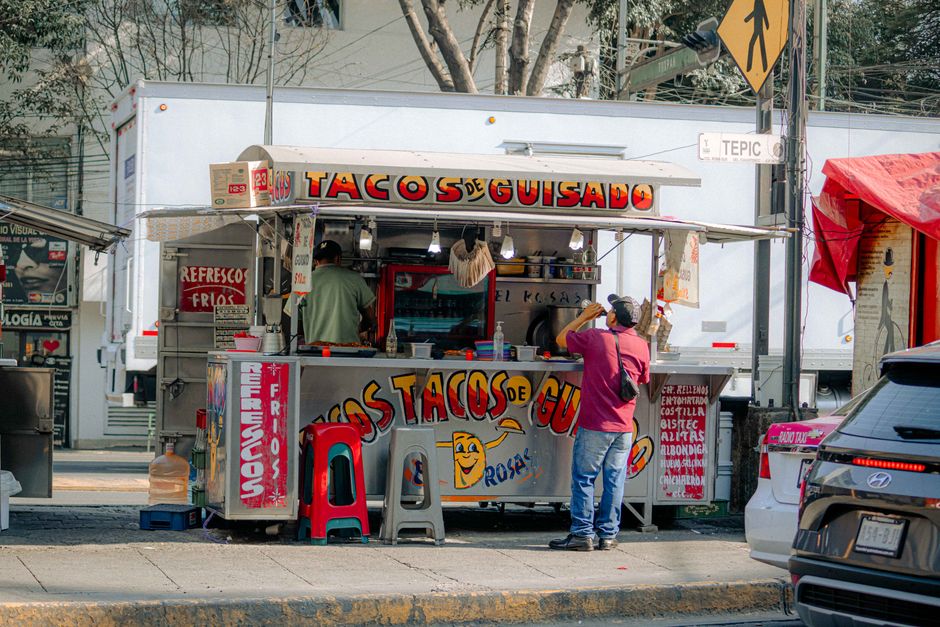
Locals know which stalls are safe. They vote with their feet. A stall with a 15-minute wait at 2 PM is almost certainly fine. An empty stall at lunchtime? Skip it.
What to look for in 10 seconds
- Line length: At least 3-4 people waiting. More is better.
- Turnover: Food should be cooked fresh, not sitting under a heat lamp. Watch the vendor pull meat from a grill, not a steam tray.
- Cleanliness: Vendor wearing gloves? Surfaces wiped between orders? Those are green flags.
One exception: tourist-heavy plazas like Zócalo. Lines there can be long but quality varies. Trust stalls near metro exits or outside office buildings, not the ones with English menus.
2. Mercado de San Juan: The One Market You Shouldn’t Skip
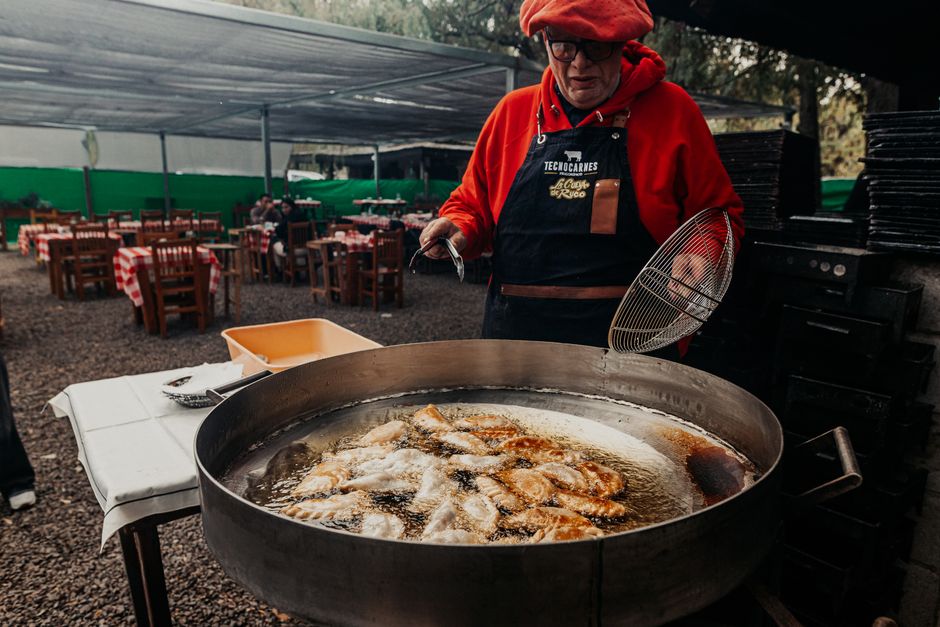
This isn’t a street stall — it’s a covered market. But for a first-timer, it’s the safest introduction to CDMX street food culture. Mercado de San Juan (Ernesto Pugibet 21, Colonia Centro) has been operating since 1955. Vendors here undergo regular health inspections. Prices are fixed, so no haggling.
| Item | Typical Price (MXN) | What to Order |
|---|---|---|
| Tacos al pastor | 25-35 | Pork with pineapple, double tortilla |
| Tamales | 20-30 | Green salsa or mole, not sweet |
| Elote (corn cup) | 30-40 | With crema, cotija cheese, and chili powder |
| Quesadillas | 20-25 | Huitlacoche or flor de calabaza |
Pro tip: Bring small bills. Many vendors won’t accept 500-peso notes. A money belt or a slim wallet like the Travelon Anti-Theft Crossbody Bag ($35 on Amazon) helps you access cash without flashing a full wallet.
3. The Three Things That Will Make You Sick (and How to Avoid Them)
Most food poisoning in Mexico City comes from three sources, not from the food itself.
Water and ice
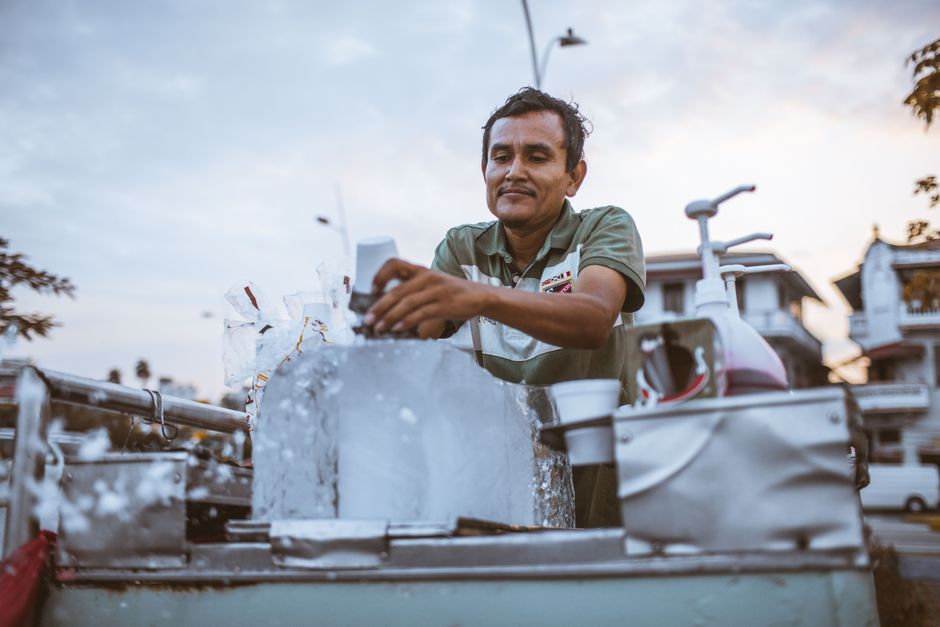
Tap water is not safe. Neither is ice from unknown sources. Only drink bottled or filtered water. Ask for “agua sin hielo” (no ice) unless you see the vendor open a sealed bottle. Street stalls selling aguas frescas (fruit water) often use tap water. Skip them unless you see a sealed jug.
Raw vegetables
Salsa, lettuce, and pico de gallo sit out at room temperature. If the stall is busy and turnover is high, it’s usually fine. If the salsa looks like it’s been sitting for hours, skip it. Ask for salsa on the side so you can inspect it.
Dairy
Crema (Mexican sour cream) and cheese can spoil fast. Look for stalls that keep these in a cooler or on ice. If the vendor is scooping crema from a warm bowl, pass.
4. Mercado de la Merced: Cheap Eats, But Know What to Order
Mercado de la Merced is the largest market in Latin America. It’s chaotic, crowded, and incredible. But it’s also where first-timers make mistakes.
What to order: Tacos de canasta (basket tacos), tamales, and tlacoyos (thick masa cakes filled with beans or cheese). These are pre-cooked and held hot. They’re safe because they stay at temperature.
What to skip: Ceviche and raw seafood. The turnover is high, but the risk isn’t worth it for a beginner. Stick to cooked food until you’ve built up your gut flora.
Bring a packable daypack like the Osprey Daylite ($70). It folds flat, has a hydration sleeve, and keeps your hands free for eating. Don’t bring a bulky bag — you’ll be weaving through tight aisles.
5. Timing Matters: When to Eat (and When to Walk Away)
Street food in Mexico City follows a schedule. Show up at the wrong time and you’ll get old food or empty grills.
- Breakfast (7-9 AM): Tamales, atole, chilaquiles. Vendors set up early and sell out by 10.
- Lunch (1-3 PM): Peak taco time. Fresh meat, hot grills, short waits.
- Late afternoon (4-6 PM): Dead zone. Many stalls close between lunch and dinner. You’ll find reheated food.
- Dinner (7-10 PM): Suadero, longaniza, and al pastor. Stalls near nightlife areas stay open late.
Don’t eat at a stall that’s about to close. They’re trying to offload leftover food. Eat during peak hours when turnover is highest.
6. What to Do If You Get Sick (Spoiler: It’s Usually Not the Food)
Most “food poisoning” in Mexico City is actually traveler’s diarrhea from a change in gut bacteria. Your body isn’t used to the local microbiome. It’s not the food’s fault.
What helps
- Probiotics: Start taking a high-quality probiotic like Culturelle Digestive Health ($25 for 30 capsules) three days before your trip and continue daily. It won’t prevent everything, but it reduces severity.
- Hydration: Oral rehydration salts (Pedialyte packets, $8 for 10) are cheap and effective. Mix with bottled water.
- Pepto-Bismol: Take two tablets at the first sign of trouble. It binds to toxins in the gut.
When to see a doctor: Fever above 101°F, blood in stool, or inability to keep fluids down for 24 hours. Go to a Farmacia Similares — they have in-house doctors for about $5.
7. The One Rule That Overrides Everything
If a stall looks clean, has a line, and the vendor looks like they care, eat there. Trust your gut — literally and figuratively. Mexico City’s street food scene is one of the best in the world. Don’t let fear keep you from trying a taco al pastor from a 30-year-old cart in Condesa.
For the first 48 hours, stick to cooked food from busy stalls. After that, your stomach will adjust. By day four, you’ll be eating raw salsa and elote from a cart on the corner without thinking twice.
Bring a water filter bottle like the LifeStraw Go ($40). It filters out bacteria and parasites, so you can refill from any tap. That alone will save you money and reduce risk.