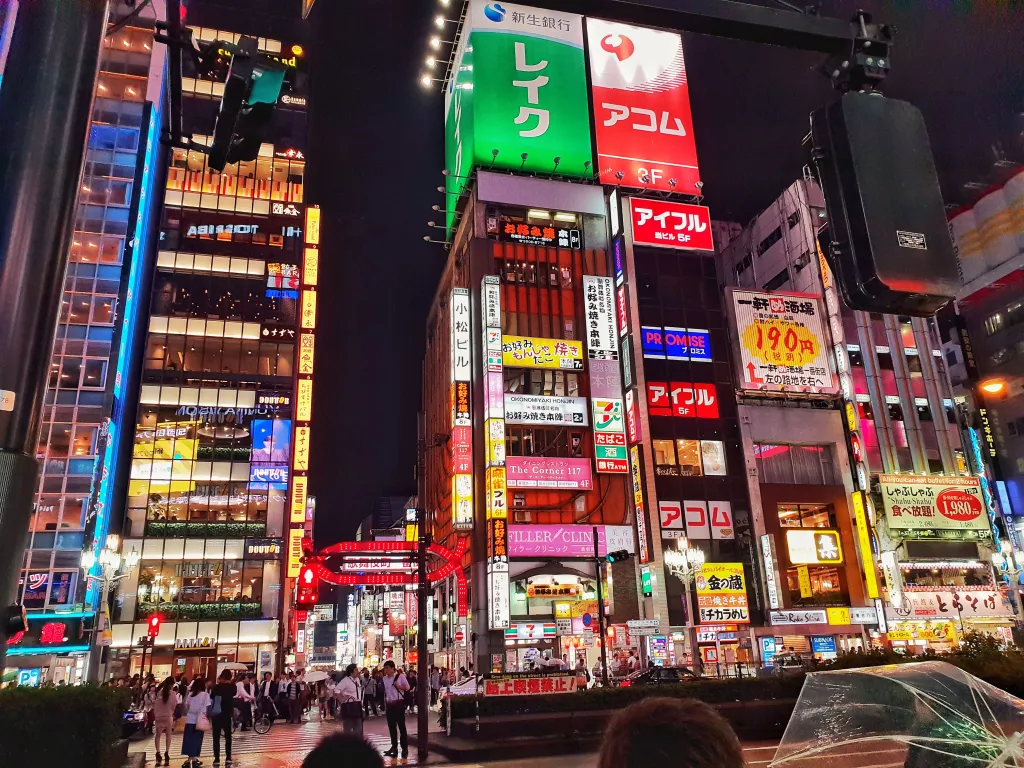
Many visitors assume Shinjuku is just a district of towering skyscrapers and dazzling neon signs. While it certainly boasts those, reducing Shinjuku to its flashy exterior misses its true depth. This area offers much more: serene gardens, historic alleyways, diverse culinary scenes, and some of Tokyo’s most impressive panoramic views. It’s a place where modern urban development meets pockets of tradition, offering a complete Tokyo experience.
Navigating Shinjuku Station’s Labyrinth
Shinjuku Station is not merely a transportation hub; it’s an experience in itself. Recognized as the world’s busiest railway station, it handles over 3.5 million passengers daily. Its complex network of platforms, concourses, and exits can be daunting. Understanding its layout is key to exploring Shinjuku efficiently without feeling overwhelmed. The station connects multiple JR lines, private railways like the Odakyu and Keio lines, and several Tokyo Metro and Toei Subway lines. Knowing your destination’s closest exit saves considerable time and frustration.
Identifying Your Exit Strategy
The cardinal rule for Shinjuku Station navigation: know your exit. Exits are typically marked by compass directions (East, West, South, New South) and specific landmarks. For instance, the East Exit leads directly to Kabukicho and Shinjuku-sanchome, popular for shopping and nightlife. The West Exit serves the skyscraper district, including the Tokyo Metropolitan Government Building. The South Exit connects to Shinjuku Southern Terrace and Takashimaya Times Square. The New South Exit offers direct access to the JR Shinjuku Miraina Tower complex, including NEWoMan Shinjuku. Always check maps or a navigation app like Google Maps for the precise exit number. Walking out of the wrong exit can add 15-20 minutes to your journey.
Key Train Lines and Platforms
JR Shinjuku Station is a central interchange for several critical JR lines. The Yamanote Line circles central Tokyo, making it ideal for reaching major districts like Shibuya, Harajuku, and Ueno. The Chuo Line provides rapid service east to Tokyo Station and west to areas like Kichijoji. The Saikyo Line runs north-south, connecting to Ikebukuro and Shibuya. For those heading to Hakone or Mount Takao, the Odakyu Line and Keio Line respectively depart from their dedicated platforms within the station complex. Subway lines, including the Marunouchi Line, Shinjuku Line, and Oedo Line, are often deeper underground and connect to different parts of the city. Familiarize yourself with the color-coded lines and their corresponding platform numbers before descending.
Digital Tools for Navigation
Rely on digital maps. Apps like Google Maps provide accurate, real-time public transport directions, including specific platform numbers and even exit suggestions. Input your destination, and the app will guide you step-by-step through the station. Many parts of Shinjuku Station also offer free Wi-Fi, which can be a lifesaver for tourists without local data plans. Screenshots of your route can be helpful in areas with spotty reception. Look for the large digital signboards above platforms which display the next train’s destination and departure time. These are often in both Japanese and English.
Beyond the Main Hub: Shinjuku’s Hidden Green Spaces
While Shinjuku is synonymous with urban energy, it also hosts remarkable pockets of tranquility. These green spaces offer a much-needed respite from the city’s relentless pace. They demonstrate a thoughtful balance between development and nature, a hallmark of Japanese urban planning.
- Shinjuku Gyoen National Garden: This expansive garden is a true urban oasis. It beautifully blends three distinct garden styles: traditional Japanese, French formal, and English landscape. The Japanese Garden features ponds, bridges, and meticulously pruned trees. The French Formal Garden, with its symmetrical flowerbeds, offers a stark contrast. The English Landscape Garden provides wide, open lawns perfect for picnicking. Entry costs 500 JPY (as of 2026). It’s typically open from 9:00 AM to 5:30 PM, with last entry at 5:00 PM, though hours can vary by season. It is usually closed on Mondays, so plan accordingly.
- Shinjuku Central Park: Located adjacent to the skyscraper district, Shinjuku Central Park is a public park offering open spaces, walking paths, and a small waterfall. While not as grand as Shinjuku Gyoen, it’s easily accessible and provides a pleasant spot for a quick break. You’ll find locals enjoying lunch, children playing, and even occasional festivals or events. It’s a good place to appreciate the scale of the surrounding high-rises from ground level. Unlike Shinjuku Gyoen, there is no entry fee, and it’s open 24 hours.
- Hana Ozono Garden: A smaller, lesser-known gem, Hana Ozono Garden is a charming Japanese garden located near the Shinjuku Imperial Garden entrance. It’s a free-to-enter space often overlooked by tourists, offering a quiet escape with traditional landscaping and a koi pond. This garden is particularly beautiful during cherry blossom season, but provides a peaceful atmosphere year-round. It’s ideal for a brief moment of reflection.
These green spaces are essential for balancing the sensory input of Shinjuku’s bustling streets. They prove that even in one of the world’s densest urban centers, moments of calm are always within reach.
Experiencing Shinjuku’s Nightlife: Golden Gai vs. Kabukicho
Shinjuku truly comes alive after dark, offering a nightlife spectrum from historic, intimate bars to sprawling entertainment complexes. The choice depends on the experience you seek: a cozy, conversational evening or a vibrant, energetic night out.
Golden Gai’s Intimate Alleyways
Golden Gai is a remarkable cluster of tiny bars packed into six narrow alleyways. Each bar, often seating fewer than ten people, has its own unique theme and personality. These establishments cater to a diverse crowd, from local salarymen to curious tourists. Many bars have a cover charge, usually ranging from 500-1500 JPY, to maintain exclusivity and cover operating costs for such small venues. Drinks can be pricier than elsewhere, but the atmosphere is unparalleled. It’s a place for genuine interaction, often leading to conversations with locals or other travelers. Look for bars with English signs or friendly barmen. A clear recommendation: start early (around 7 PM) to find a seat and avoid overcrowding later in the night. Be respectful of the small spaces and intimate settings.
Kabukicho’s Energetic Vibe
Just a short walk from Golden Gai lies Kabukicho, Tokyo’s largest red-light district and entertainment hub. Here, neon signs blaze, music spills from clubs, and countless restaurants, arcades, and karaoke boxes operate late into the night. It’s a sensory overload, designed for maximum excitement. Kabukicho is home to famous attractions like the Robot Restaurant (though currently closed as of 2026, check for updates) and numerous host and hostess clubs. For a lively experience, visit one of the many themed izakayas or karaoke establishments like Big Echo or Karaoke Kan. While generally safe, be aware of touts, especially for bars with unclear pricing. Stick to well-established venues or places recommended by locals. Kabukicho is best for those seeking high-energy entertainment and a bustling crowd.
| Feature | Golden Gai | Kabukicho |
|---|---|---|
| Atmosphere | Intimate, traditional, conversational | Lively, energetic, flashy |
| Venue Size | Very small (5-10 seats) | Large clubs, bars, restaurants |
| Typical Cost | Moderate-High (cover charge common) | Varied (budget to high-end) |
| Best For | Unique cultural experience, local interaction | High energy, diverse entertainment, spectacle |
| Crowd | Locals, discerning tourists | Tourists, young locals, groups |
Best Views of Tokyo’s Skyline from Shinjuku
For an unbeatable, free panoramic view of Tokyo, head directly to the Tokyo Metropolitan Government Building (Tocho). Its observation decks offer stunning 360-degree vistas of the city, including Mount Fuji on clear days. There’s no better option for this specific experience.
Dining in Shinjuku: From Casual to Culinary Delights
Shinjuku’s food scene is incredibly diverse, catering to every budget and palate. From quick, satisfying ramen to exquisite fine dining, the options are limitless. Knowing where to look is the real challenge.
Where to Find Authentic Ramen?
For truly authentic ramen, explore the smaller eateries tucked away from the main streets. Ichiran Shinjuku Central East Entrance is a popular choice for its unique solo dining booths and customizable ramen. For a different experience, visit Fu-unji, known for its rich tsukemen (dipping ramen), often with a line out the door. Another excellent spot is Nagi Golden Gai, serving its famous niboshi (dried sardine) ramen in an incredibly narrow, atmospheric setting. Expect to pay between 800-1,500 JPY for a bowl. Many ramen shops use vending machines for ordering, so have small bills ready.
What About Budget-Friendly Options?
Shinjuku excels at affordable, delicious food. Consider the eateries in Omoide Yokocho (Piss Alley) for yakitori and other grilled delights, where a meal can be had for around 1,500-2,500 JPY. Supermarkets and convenience stores like 7-Eleven, FamilyMart, and Lawson offer surprisingly high-quality bentos, onigiri, and sandwiches for under 1,000 JPY. For a quick, satisfying meal, chain restaurants like Sukiya or Yoshinoya provide gyudon (beef bowls) for as little as 400-700 JPY. Department store basement food halls (depachika) also offer excellent, often discounted, prepared meals in the evenings.
Fine Dining Experiences?
Shinjuku also hosts numerous Michelin-starred restaurants and high-end dining establishments, particularly in its skyscraper district. Restaurants within hotels like the Park Hyatt Tokyo, Hilton Tokyo, and Keio Plaza Hotel offer exquisite cuisine with impeccable service. For Japanese fine dining, seek out specialized omakase sushi restaurants or kaiseki (multi-course) meals. Be prepared for prices ranging from 10,000 JPY to upwards of 30,000 JPY per person for these experiences. Reservations are almost always essential, often weeks in advance.
Practical Tips for a Smooth Shinjuku Visit
- Best Time to Visit: Spring (March to May) for cherry blossoms and pleasant weather, or Autumn (September to November) for vibrant fall foliage and comfortable temperatures. Summer (June to August) is hot and humid, while winter (December to February) is cold but typically dry and offers clearer views of Mount Fuji.
- Using IC Cards: Purchase a Suica or Pasmo IC card for seamless travel on trains and buses. These rechargeable cards eliminate the need to buy individual tickets, saving time and hassle. They can be purchased at vending machines in major stations and are also usable at many convenience stores and vending machines.
- Staying Connected with Wi-Fi: Rent a portable Wi-Fi device or purchase a local SIM card upon arrival. While free public Wi-Fi is available in some areas, a dedicated device ensures constant connectivity for navigation, communication, and research. Major airports like Narita (NRT) and Haneda (HND) offer rental services.
- Cash is King (Still): While credit cards are widely accepted in larger establishments, many smaller shops, restaurants in Omoide Yokocho or Golden Gai, and even some public transportation vending machines still prefer or only accept cash. Always carry a reasonable amount of Japanese Yen (JPY).
- Comfortable Footwear: You will walk extensively in Shinjuku. Comfortable shoes are non-negotiable for exploring the station, gardens, and districts like Kabukicho and Golden Gai.
Shinjuku Experience Summary
| Aspect | Recommendation | Key Feature | Best For |
|---|---|---|---|
| Green Escape | Shinjuku Gyoen National Garden | Three distinct garden styles | Relaxation, photography |
| City Views | Tokyo Metropolitan Government Building (Tocho) | Free 360-degree observation decks | Panoramic Tokyo, Mount Fuji (clear days) |
| Unique Nightlife | Golden Gai | Tiny, themed bars, local interaction | Authentic cultural experience |
| High-Energy Nightlife | Kabukicho | Neon, clubs, entertainment complexes | Vibrant atmosphere, diverse options |
| Casual Dining | Omoide Yokocho / Ramen Shops | Yakitori, authentic ramen | Affordable, atmospheric meals |