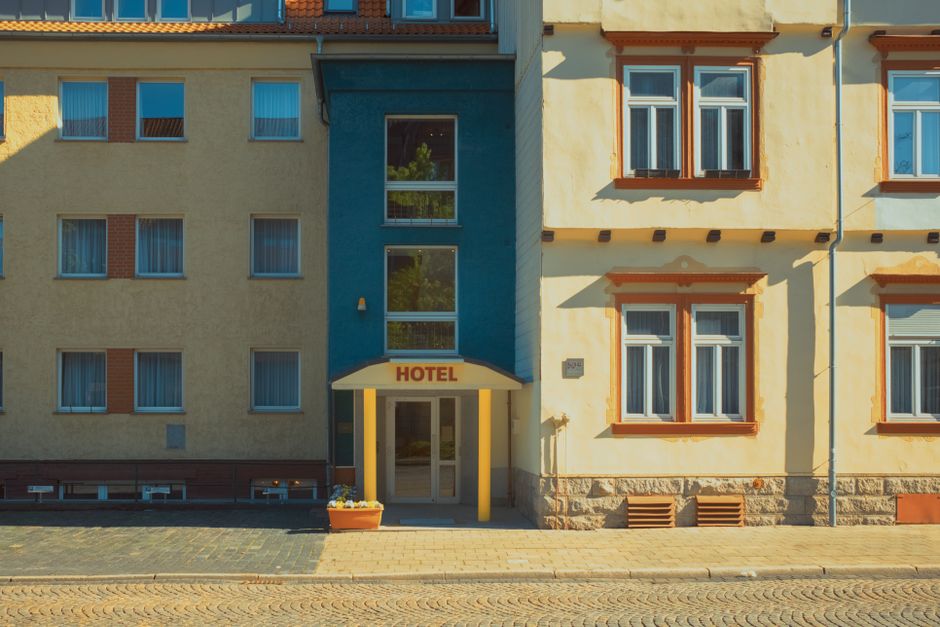
The best neighborhood is not always the city center. The right base depends on the shape of the trip: a first visit, a food-focused weekend, a family holiday, a business stay, or a long layover all need different surroundings.
Use the steps below to compare areas before booking. The goal is simple: choose a neighborhood that makes the daily route easier, keeps the main activities realistic, and matches the kind of evenings the trip is meant to have.
Compare Neighborhoods by the Shape of the Trip
Start with the trip rather than the accommodation. Mark the places that matter most, then look for an area that reduces repeated travel. A neighborhood that sits between several priorities often works better than one beside a single famous landmark.
Match the area to the main reason for visiting
For a first visit built around major sights, a central historic district usually wins because it allows early walks and quick returns during the hottest or busiest part of the day. For nightlife, stay close to the entertainment area, but choose a side street several blocks away from clubs. For museums and galleries, a cultural district with dependable evening transit may be more useful than the oldest part of town.
Use this quick neighborhood comparison
| Trip priority | Best area type | Main benefit | Main drawback |
|---|---|---|---|
| First city visit | Central historic district | Shorter routes to major sights | More crowds and noise |
| Family trip | Quiet area near a park and transit | More space and easier breaks | Longer trips to nightlife zones |
| Early flight | Airport rail or bus corridor | Simple morning departure | Less atmosphere after dark |
The clear winner for a first city break is usually the central area with a quiet edge, not the loudest square or the most isolated suburb.
Test the Daily Route Before Booking
A neighborhood can look close on a map and still create a tiring trip. Rivers, steep hills, large parks, divided highways, rail lines, and limited bridges can turn a short-looking route into a long one. Test the actual journey at the time it will happen.
Follow a three-route check
- Measure the route from the proposed area to the main morning activity.
- Measure the route to the place most likely to be visited after dinner.
- Measure the route to the airport, train station, or long-distance bus terminal.
- Check the same journeys during likely rush hours, not only in the middle of the day.
- Confirm the final walking section, including stairs, slopes, crossings, and poorly lit streets.
Set a practical travel limit
For a short city break, aim for one-way journeys of about 30 minutes to the main sights. A longer trip can work for a week-long visit if the neighborhood offers better food, quieter nights, or easier access to outdoor areas. Add time for transfers, waiting, and finding the correct platform. A route shown as 25 minutes may take 40 minutes in real conditions.
Check the last evening transit service as well. A neighborhood with excellent daytime connections may become awkward after midnight. If the trip includes several late dinners or performances, a slightly more central base is worth choosing.
Read the Street, Not Just the Listing
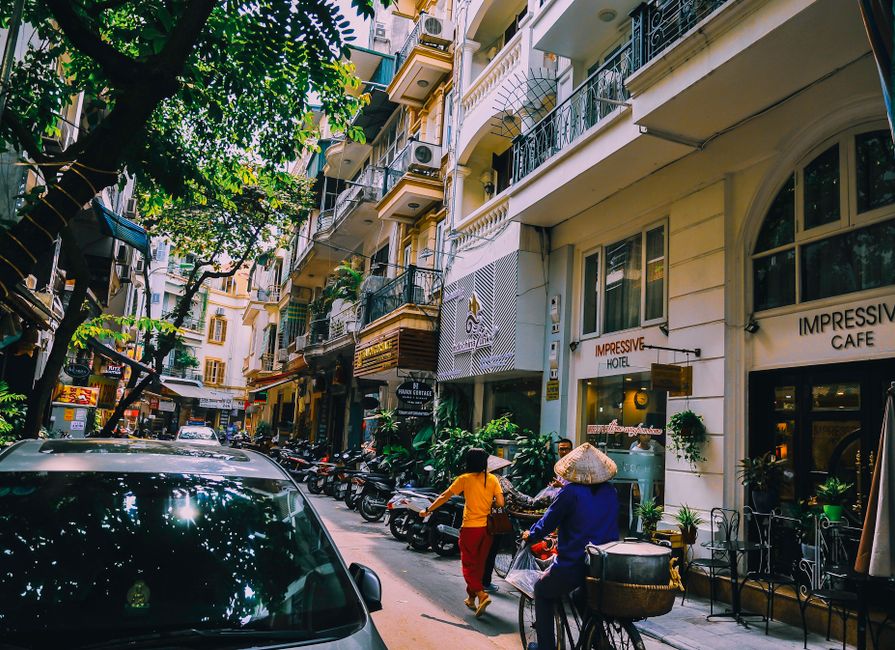
Accommodation descriptions often use broad labels such as central, lively, charming, or well connected. The block itself matters as much as the district.
Inspect the surroundings at different times
Look at the nearest intersection on an online map and examine the full route to the entrance. Identify bars, stadiums, schools, loading bays, taxi ranks, markets, bus depots, and construction sites. A quiet-looking street beside a concert venue may be calm for most of the week and extremely loud on event nights. A market street may bring fresh food and character, but deliveries can begin before sunrise.
Street photos also help reveal the practical details that listings skip. Check pavement quality, lighting, crossing points, building entrances, and the distance between the main road and the property. A narrow alley may feel atmospheric in daylight and uncomfortable after dark. A large avenue may feel safe and bright but difficult to cross with luggage.
Read reviews for repeated facts
Ignore isolated complaints and look for patterns. Repeated comments about thin windows, steep stairs, poor water pressure, confusing entrances, or unreliable lifts deserve attention. The same detail can be a benefit or a problem depending on the trip. A lively street may suit travelers who eat late and dislike quiet evenings, while it may frustrate anyone who needs early starts.
Check recent comments separately from older ones. Streets change quickly after new construction, a transit opening, a venue closure, or a shift in local nightlife. The strongest choice is a property with clear access information, recent reviews, and no repeated warning about the same practical issue.
Choose the Quiet Edge of the Right Area
The best compromise for most first-time visitors is the quiet edge of a useful neighborhood. It keeps restaurants, sights, and transit within reach without placing the room above the busiest bar or directly beside a major square. This choice also gives the itinerary more flexibility: mornings can begin with a walk, afternoons can include a rest, and evenings do not require a long journey home.
How far from the action is far enough?
Start by looking two or three blocks away from the busiest street. Avoid assuming that a high floor solves every problem; traffic, outdoor terraces, delivery vehicles, and late-night crowds can still reach upper rooms. A rear-facing room, solid windows, and a clear quiet-hours policy matter more than a dramatic view.
When a quieter suburb is the better choice
Choose a residential district when the trip lasts at least five nights, the daily plan includes parks or local markets, or the city center has poor nighttime conditions. Do not choose it for a two-day first visit if the main sights sit far away and transit stops running early. The extra travel can consume the small amount of time available.
For most short visits, the winning location is not the most famous one. It is the area that makes the first morning easy, the last evening comfortable, and the next day simple to plan.
Questions That Reveal a Good Base
Is the city center always the best place to stay?
No. The center is useful when the main sights are spread around the old town, civic district, and central museums. It is less useful when the center becomes empty after offices close, when nightlife creates heavy noise, or when the attractions are concentrated in another district. Compare the locations of the planned activities before treating central as automatically better.
Should the accommodation be near public transportation?
Yes, but the nearest stop is not always the best stop. A major interchange can offer more routes but also bring crowds, traffic, and a confusing walk. A smaller stop on a direct line may be easier. Look for service frequency, the final departure time, accessibility, and the number of transfers needed for the most important routes.
How can a neighborhood feel unsafe without relying on stereotypes?
Focus on observable conditions rather than reputation. Check lighting, foot traffic, open businesses, transport access, and the condition of the route from the stop to the entrance. Read current local guidance and compare several reliable sources. A district can contain both welcoming streets and uncomfortable blocks, so the exact route matters more than a label applied to the whole area.
Turn the Location Into a Simple Itinerary
Once an area looks promising, build a sample schedule before committing. This exposes weak connections and shows how much time the location gives back.
A three-day test schedule
| Day | Morning | Afternoon | Evening |
|---|---|---|---|
| Day 1 | Walk to the nearest major sight | Rest, then visit a nearby museum or market | Dinner within a 15-minute walk |
| Day 2 | Use transit to a distant district | Explore streets between the destination and the base | Return by the last convenient direct route |
| Day 3 | Visit a neighborhood attraction | Collect luggage and allow extra terminal time | Depart or stay near the next transport link |
Local details that improve the choice
- Ask at a local information desk which streets become crowded during festivals, matches, or weekend markets.
- Check the usual meal times so the area still has open kitchens when dinner is planned.
- Allow extra time for hills, heat, rain, luggage, and confusing transport stations.
- Keep the first morning flexible in case arrival delays make the original plan unrealistic.
The right base should support the itinerary without becoming the itinerary.