The best way to travel in summer heat is simple: stop treating the hottest hours as sightseeing time. Build the day around shade, indoor breaks, cooler mornings, and a slower route. A packed midday itinerary is not ambitious. It is a reliable way to arrive tired, dehydrated, and annoyed.
A comfortable summer trip usually has one major outdoor activity before late morning, a long indoor or hotel break after lunch, and a second outing near sunset. That rhythm works in cities, coastal towns, national parks, and historic destinations. It also leaves room for delays, local meals, and the small discoveries that disappear when every hour is booked.
The Split-Day Schedule That Works in Hot Cities
A practical schedule removes guesswork. The exact times can shift with sunrise, local opening hours, and the forecast, but the order should stay the same: outdoor activity first, cooling break second, gentle exploration last.
| Time | Best use | What to avoid |
|---|---|---|
| 6:30–8:00 | Breakfast, early walk, quiet viewpoint, or waterfront route | Waiting indoors for the day to start |
| 8:00–10:30 | Main outdoor sight with limited shade | Long queues in direct sun |
| 10:30–13:00 | Indoor attraction, market hall, or short shaded transfer | Crossing a large open district on foot |
| 13:00–16:30 | Lunch, rest, shower, reading, or a cool indoor activity | Hiking, beach sports, and long road transfers |
| 17:00–21:00 | Sunset walk, local dinner, evening event, or calm neighborhood visit | Starting another demanding climb |
This schedule works because it protects the hours when heat exposure becomes cumulative. A short outdoor errand at noon may feel manageable, but several small exposures can add up to a headache, swollen feet, or sudden exhaustion. Summer travel rewards restraint.
Keep the first day lighter than the rest. Arrival often includes luggage, unfamiliar streets, poor sleep, and extra walking. A sunset meal near the accommodation is a better first evening than a cross-city tour. Save the ambitious landmark for the second morning, when the body has adjusted and the route is familiar.
Choose a Shade-First Route Through the City
Maps usually optimize distance. Summer travelers need to optimize exposure. The shortest route may cross a traffic junction, a white stone plaza, and several blocks without shelter. The better route may take ten minutes longer but pass through arcades, tree-lined streets, courtyards, covered markets, or buildings open to the public.
- Mark the exposed sections first. Identify bridges, waterfront promenades, rooftops, open squares, steep stairways, and wide roads with little tree cover. Treat these sections as morning-only routes unless the forecast stays mild.
- Place recovery stops before the body asks for one. A shaded café, public library, hotel lobby, museum courtyard, or quiet church can break a route into manageable sections. Plan one stop before every long exposed stretch.
- Use public transport for distance, not just convenience. Walking between nearby sights can still be a poor choice when the route crosses a hot industrial area or climbs a bare hillside. Save energy for the destination.
- Turn uphill walks into downhill walks. Visit elevated viewpoints early, when legs and air feel fresher. Return through shaded streets or use transport if the descent is exposed.
- Keep a backup route. When the forecast rises, replace an outdoor landmark with an indoor market, museum, historic house, aquarium, or food-focused neighborhood walk. A flexible plan is not a weaker plan. It is how the day survives real weather.
Shade also changes what can be seen. Early morning light may suit stone buildings, fishing harbors, and narrow streets better than harsh afternoon sun. Evening light often makes a familiar square feel new. The best route is not just cooler; it can produce better photographs and a calmer experience.
How to Stay Comfortable on Transit and Long Walks
Heat discomfort often begins during the transfer between attractions. Travelers focus on the destination, then spend 40 minutes standing on a platform, walking beside traffic, or waiting for a delayed bus in full sun. Transit planning deserves the same attention as sightseeing.
Reduce the distance between stops
Group activities by neighborhood. Two nearby attractions with a short shaded connection are better than four famous places spread across the city. Check the final approach, not only the station location. A transit stop may be close on the map but separated from the destination by a broad road, a stairway, or an exposed pedestrian bridge.
Use the coolest available part of a journey for the longest transfer. A morning train, underground route, or shaded ferry can carry travelers across town before the heat peaks. Save short walks for evening, when delays are less punishing.
Dress for airflow and movement
Loose, breathable clothing works better than tight layers that trap sweat. A hat with a real brim protects more of the face than a narrow cap. Sunglasses reduce glare on pale pavement and water. Comfortable walking shoes matter because hot feet swell, and thin soles make hard streets feel harsher.
Do not rely on cold drinks alone. Carry water before leaving, take small drinks often, and use a cool indoor space when skin feels unusually hot. A damp cloth on the neck can help during a short break, but it does not replace shade or rest.
Know the warning signs
Headache, dizziness, nausea, unusual weakness, confusion, cramps, and a racing pulse mean the plan needs to stop. Move into shade or an air-conditioned space, loosen restrictive clothing, drink slowly, and ask for help if symptoms do not improve.
The strongest travel plan is the one that leaves enough time to stop. Pushing through heat to protect a reservation can turn a minor problem into an emergency.
Heat Mistakes That Ruin a Good Trip
Most bad summer days begin with a planning mistake, not a dramatic weather event. The fix is usually simple: remove one demand from the schedule and add one proper cooling break.
Mistake: treating the forecast temperature as the whole story
Humidity, direct sun, wind, pavement, and crowded streets change how hot a place feels. A cloudy day can still feel oppressive when humidity is high. A dry day can feel severe on an open stone terrace. Check the heat index or local heat warning, then plan for the conditions at street level.
Mistake: booking every hour
A reservation at 9 a.m., another at noon, and dinner across town creates a chain of forced walks. Leave at least one flexible block each day. If the morning runs late, drop the least important stop instead of stealing time from the midday break.
Mistake: saving water for when thirst appears
Thirst often arrives after the body has already lost fluid. Drink regularly during walks and eat meals that contain water and salt. Avoid making the first drink of the day a strong alcoholic or caffeinated beverage when a long outdoor route follows.
Mistake: assuming the coast or mountains are automatically cool
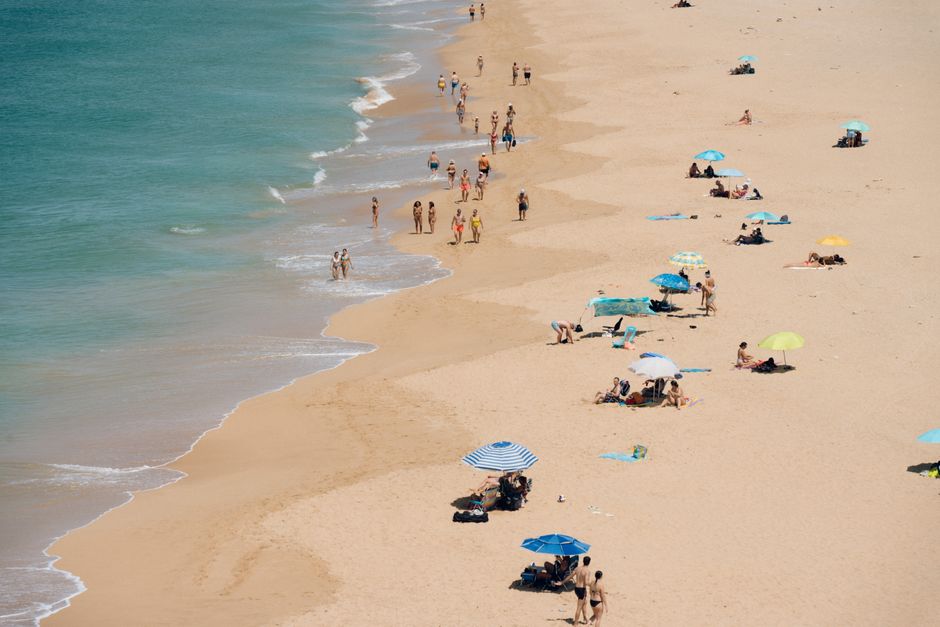
Beaches can have little shade, strong glare, and hot sand. Mountain towns can expose visitors to intense sun during steep climbs. Choose the time and route first. The setting alone does not protect against heat.
When a destination issues an extreme heat warning, cancel the exposed activity. Museums, food neighborhoods, cinemas, covered markets, and evening walks are not consolation prizes. They are the sensible itinerary.
Three Summer Itinerary Ideas That Hold Up in Real Heat
The best itinerary is short enough to survive delays and flexible enough to change after the morning forecast. These examples work because each one limits midday exposure instead of pretending the heat will not matter.
Historic European city: early monuments, long lunch, evening streets
Begin with a central square, cathedral exterior, or hilltop viewpoint between 7 and 10 a.m. Move indoors for a museum, market hall, or shaded café before noon. Spend the hottest hours resting near the accommodation. Avoid stacking multiple churches, plazas, and viewpoints into one afternoon; the stone and pavement will hold heat long after the air temperature peaks.
Asian city: quiet temple or garden, indoor midday, local evening district
Visit a temple complex, garden, or riverside path shortly after opening. Keep the route focused and use public transport between districts. Eat lunch indoors, then pause through the early afternoon. In the evening, explore a food street, covered arcade, or residential neighborhood with a local guide or a clearly mapped route. Humidity can make short walks feel harder than expected, so reduce distance before reducing rest.
North American city: waterfront morning, cultural afternoon, shaded dinner walk
Use the morning for a waterfront trail or open-air neighborhood before the sun becomes intense. Replace a midday outdoor attraction with a gallery, historic interior, public library, or cinema. Start the evening with a shaded restaurant area, then take one manageable walk rather than crossing the entire city on foot. In places with sudden summer storms, keep a covered route nearby and avoid exposed waterfronts when thunder begins.
Comfort comes from protecting the day’s rhythm. One memorable morning, one serious cooling break, and one relaxed evening will beat a rushed list of ten sights in direct sun.