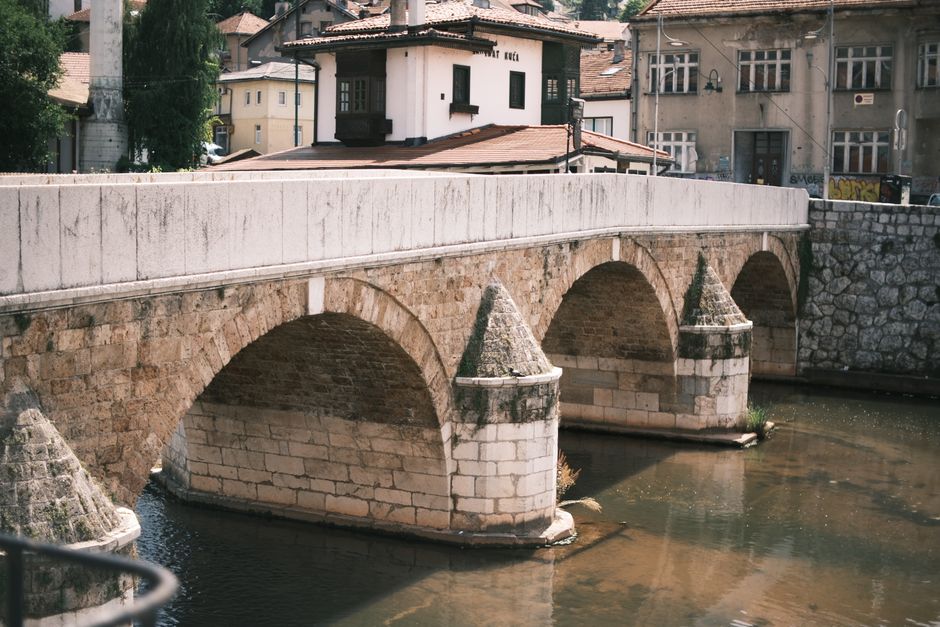
Sarajevo is not simply a historic city with a mountain backdrop. The old bazaar and surrounding slopes form one connected travel experience: narrow lanes lead to open squares, the river cuts through different eras, and steep viewpoints reveal how closely the city sits between wooded hills. The strongest visit combines slow walking in Baščaršija with one carefully chosen climb or mountain excursion.
The best plan leaves room for uneven pavements, changing weather, pauses for coffee, and the quiet moments that make Sarajevo feel different from a standard European city break. A practical route can fit into one day, but two days allow the city’s history and landscape to settle properly.
What to Expect from Sarajevo’s Old Bazaar
Baščaršija works best as a walking district
Baščaršija is the natural starting point for a Sarajevo visit. Its name is often translated as the main market area, and the district still feels built around trade, craft, food, and meeting places rather than grand sightseeing alone. Small streets gather around Sebilj fountain, with workshops, cafés, bakeries, courtyards, and religious buildings close together.
The district is compact, but it should not be rushed. Allow at least two hours for the central lanes, then add time for nearby streets that feel less polished and more residential. The streets can become crowded around the fountain, especially during the middle of the day, so early morning offers the clearest views of the wooden architecture and quieter shopfronts.
Look for layers, not a single landmark
The most interesting part of the bazaar is the change in atmosphere over a short distance. Ottoman-era streets lead toward Austro-Hungarian façades, while the Miljacka River and later civic buildings show how Sarajevo expanded beyond the market quarter. Gazi Husrev-beg Mosque, the old covered market, and the stone bridge crossings help explain the city’s historic shape, but the surrounding details matter just as much.
The best bazaar walk is deliberately unhurried. Follow one lane, step into a quiet courtyard when access is open, and notice how the sound changes near the river. Modest clothing is useful around religious sites, and visitors should avoid photographing people at close range without permission. A respectful pace produces a better experience than trying to collect every landmark in one sweep.
How to Build a One-Day Sarajevo Itinerary
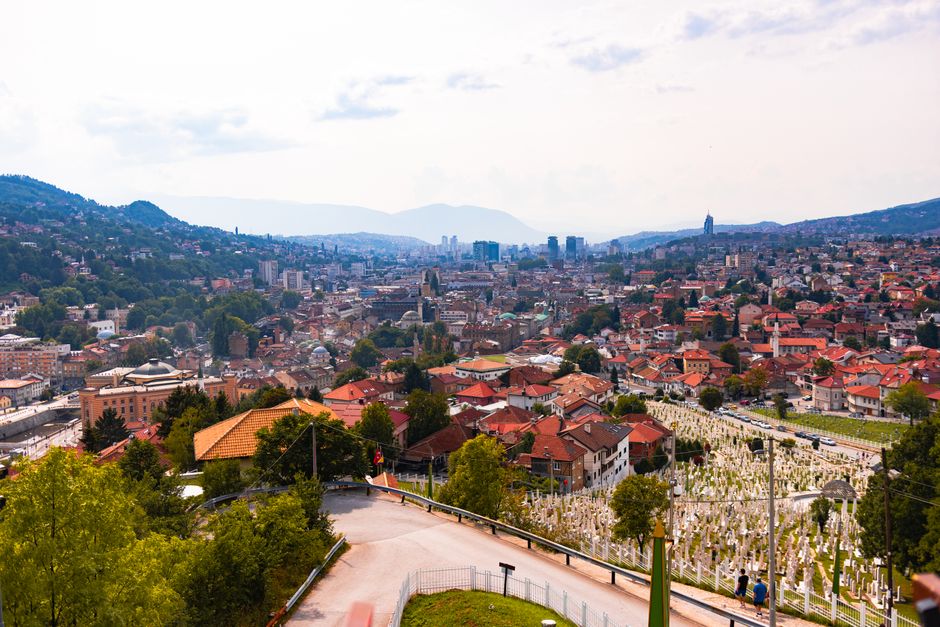
The clearest one-day plan moves downhill and then upward. Begin in the old bazaar while the lanes are calm, follow the river through the historic centre, and finish at a viewpoint before sunset. This order protects the most time-sensitive part of the day: the mountain light.
Suggested route and timing
| Time | Area | Purpose |
|---|---|---|
| 08:30–10:30 | Baščaršija | Explore the market lanes, fountain, craft streets, and nearby historic buildings |
| 10:30–12:00 | Gazi Husrev-beg area | Visit religious and civic landmarks at a respectful, unhurried pace |
| 12:00–13:30 | River and city centre | Walk beside the Miljacka and compare older and Austro-Hungarian architecture |
| 13:30–15:00 | Central Sarajevo | Take a long lunch break and reset before climbing |
| 15:00–18:30 | Yellow Fortress or Trebević | Choose a city viewpoint or a larger mountain outing |
| After 18:30 | Old town | Return for an evening walk when the lanes become more atmospheric |
Choose one high viewpoint
Do not force both Trebević and the Yellow Fortress into a short day. The Yellow Fortress is the practical choice for a quick panorama from within the city. Trebević is the stronger choice for forest, open space, and a sense of Sarajevo’s mountain setting, but it needs more travel time and a closer look at the return route.
The firm recommendation for a first visit is simple: choose the Yellow Fortress when the schedule is tight, and choose Trebević when the mountain landscape matters more than seeing every central landmark. Leave a buffer before dusk because weather, walking speed, and transport connections can shift the plan.
How to Reach Sarajevo’s Best Mountain Views
Trebević gives the fuller landscape
Trebević is the better mountain choice for travelers who want more than a city photograph. From higher ground, Sarajevo appears as a long urban corridor enclosed by wooded slopes. The view explains the city’s character better than a map does: neighbourhoods spread along the valley, roads follow the terrain, and the surrounding mountains remain present from nearly every direction.
Build the outing around daylight. Check the current operating information for the cable car before leaving, then allow extra time for walking once reaching the mountain area. Conditions can change quickly at higher elevation, even when the old town feels warm and still. Wear shoes with reliable grip, carry water, and keep the return plan clear before starting a longer trail.
Trebević is not a quick photo stop. A sensible visit includes the ascent, a viewpoint pause, a short forest walk, and enough time to return without racing the final light. The reward is the contrast between Sarajevo’s dense centre and the calm, open slopes above it.
Yellow Fortress is the efficient alternative
The Yellow Fortress offers a shorter route and a wide view over the city. The climb from the old town is steep in places, with steps and uneven surfaces, but the viewpoint can fit into a morning or late-afternoon plan. It is especially useful when a full mountain excursion would leave too little time for Baščaršija.
Go for the viewpoint rather than expecting a complete nature escape. The setting remains urban, and the best experience comes from watching the city’s layout change as the light moves across the valley. Sunset can be beautiful, but it also brings crowds and a darker descent. A late-afternoon visit with enough time to walk back before full darkness is the safer, calmer choice.
For the strongest balance of effort and reward, Yellow Fortress wins on a one-day itinerary. Trebević wins when the trip has a second day or when walking through mountain scenery is the main goal.
Common Mistakes That Make the Visit Harder
Sarajevo rewards flexible planning, but several avoidable mistakes can turn a good route into a tiring one. The city’s slopes, weather, and layered history all need a little space in the schedule.
Plan around these practical problems
- Starting too late in Baščaršija: The central lanes become busier later in the day. Begin early if quiet streets and clear photographs matter.
- Underestimating the hills: A map may show short distances, but steep streets and steps change the effort. Group nearby landmarks instead of crossing the city repeatedly.
- Trying to see every viewpoint: Yellow Fortress, Trebević, and other elevated areas each take time. Pick one main viewpoint and enjoy it properly.
- Ignoring weather at elevation: Mountain conditions can be cooler, windier, or wetter than conditions beside the river. Add a light layer and check the forecast before setting out.
- Using the same plan in every season: Short winter daylight limits mountain time, while summer heat makes a midday climb uncomfortable. Shift the route earlier or later to match the season.
- Expecting every historic site to follow one schedule: Religious and cultural buildings may have changing access rules, prayer periods, or quiet hours. Check current visitor information and dress respectfully.
Make the route easier without flattening the experience
Keep the first morning focused on the bazaar and central landmarks. Save the longer climb for a point in the day when the weather looks stable. If rain arrives, replace the mountain outing with a slower river walk, a museum visit, or a longer café break, then move the viewpoint to the next clear period.
Another useful adjustment is to carry only what the route requires. A small day bag leaves both hands free on narrow streets and steep steps. Comfortable footwear matters more than polished travel clothing, especially on old stone surfaces that become slippery after rain.
Do not treat a missed viewpoint as a failed day. Sarajevo’s strongest quality is the way small streets, river crossings, and hills connect. A flexible route often reveals more than a rigid checklist.
Which Sarajevo Route Fits the Length of the Trip?
The right itinerary depends mainly on available daylight and walking energy. A short stop should protect the old bazaar. A full day can add one urban viewpoint. A second day opens the mountain landscape without forcing every activity into a narrow window.
Three useful route choices
| Available time | Best route | Clear advantage | Main trade-off |
|---|---|---|---|
| Half day | Baščaršija, river, central landmarks | Strongest introduction with minimal transfers | Little time for mountain scenery |
| One full day | Baščaršija, river, Yellow Fortress | Combines history and a city panorama | Less time for forest and longer walks |
| Two days | Old town on day one, Trebević on day two | Balances cultural detail with open mountain views | Requires a second day of stable weather |
When not to choose the mountain route
Skip Trebević when daylight is short, the forecast is poor, or the return arrangements are unclear. A mountain trip should feel spacious, not like a race between transport connections. The Yellow Fortress provides the better substitute for visitors with limited time, reduced mobility, or a strong preference for staying close to the centre.
For a first Sarajevo visit, the two-day plan is the clear winner. It gives the old bazaar enough attention and keeps the mountain experience from becoming a rushed add-on. For a single day, the old town plus Yellow Fortress gives the most reliable result.