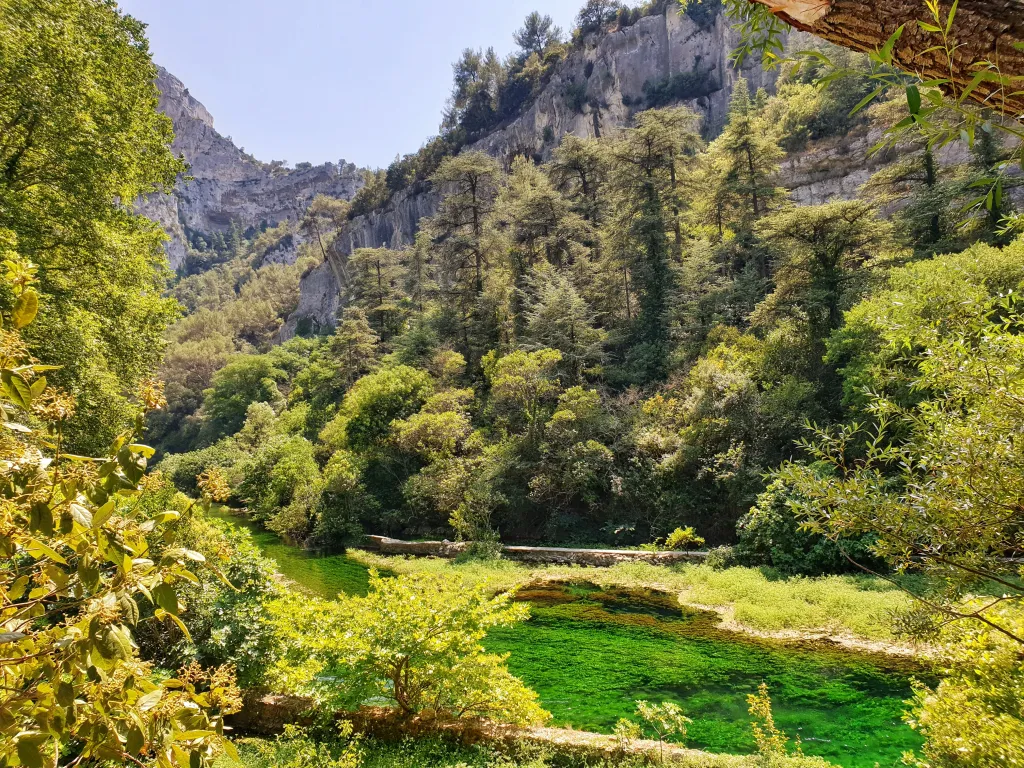
Which parts of Naxos deserve time beyond the port town, and how can a short visit include beaches, mountain villages and walking trails without turning into a rushed checklist? Naxos rewards a slower plan. Its appeal comes from the contrast between the low coastline, fertile inland valleys and high villages built into the mountains.
This guide sets out practical ways to explore the island, including itinerary ideas, trail planning, beach choices and common mistakes. Road conditions, ferry schedules, opening hours and local access can change by season, so current information should always be checked before departure.
How many days are needed to explore Naxos?
Three full days can cover the main town, one beach area and a short inland route. Five days usually gives a better balance because travel between the coast and mountain villages takes longer than the map suggests. Seven days allows room for weather changes, a longer hike and unplanned stops in small settlements.
What should happen on the first day?
Use the first day to understand the island’s layout rather than crossing it from end to end. Explore Chora, walk through the old Venetian quarter and visit the waterfront area around the Portara at a relaxed pace. The Portara is especially effective near sunset, but the site can become busy at the most popular viewing times. Early morning offers quieter paths and clearer views toward the sea.
How should travel time be calculated?
Allow more time for inland drives than a simple distance calculation suggests. Roads may narrow near villages, bends reduce speed, and stops at viewpoints are part of the experience. A route linking Chora, Halki, Filoti and Apiranthos can occupy most of a day when walking, eating and village exploration are included. Trying to add several beaches to the same route often produces a long day with little time in the water.
Which stay length works best?
For a first visit, five nights is the strongest choice. It gives enough time for one Chora day, two beach days, one mountain-village day and one flexible day for weather or a longer walk. A shorter stay should focus on fewer areas. A longer stay can divide the island into coastal and inland bases, reducing repeated driving.
How to build a practical Naxos itinerary

The most reliable Naxos itinerary leaves one day partly open. Wind, heat and road delays can change the appeal of a beach or trail, especially outside the calmest summer mornings. The schedule below uses a five-day framework, but each day can be expanded or removed without breaking the overall route.
| Day | Main area | Suggested focus | Planning note |
|---|---|---|---|
| 1 | Chora | Old town, castle quarter and Portara | Keep the evening flexible for sunset and dinner |
| 2 | West coast | Agios Prokopios, Agia Anna or Plaka | Choose one main beach rather than racing between all three |
| 3 | Central villages | Halki, Filoti and nearby walking paths | Start early before inland heat builds |
| 4 | Mountain route | Apiranthos or Mount Zas area | Check trail shade, water and weather before leaving |
| 5 | Flexible day | Return to a favorite beach or explore a quieter coast | Use this day to absorb delays and changing conditions |
What should be booked or checked first?
Transport connections and accommodation location deserve attention before detailed sightseeing. Chora is the easiest base for evening walks and public transport, while inland villages offer a quieter setting but require more planning for beaches. Check the arrival and departure times before choosing a remote base. A late ferry arrival can make a distant village inconvenient on the first night.
How can the itinerary avoid unnecessary driving?
Group places by geography. Pair Chora with the Portara and nearby coastal stops. Pair Halki with Filoti and other central villages. Treat Apiranthos as a dedicated mountain destination instead of adding it to a beach-heavy day. This simple division reduces backtracking and leaves more time for the places that make Naxos different from a standard beach holiday.
Which Naxos villages are worth visiting?
Naxos has more than a single traditional village worth seeing. The strongest choices depend on the kind of experience sought: architecture, food, mountain views, walking or a quiet afternoon. The villages are not interchangeable, and visiting several without a clear reason can make the day feel repetitive.
| Village | Best for | What to look for | Time to allow |
|---|---|---|---|
| Halki | Architecture and a relaxed stop | Neoclassical buildings, lanes and the surrounding olive-growing landscape | 1.5 to 2 hours |
| Filoti | Mountain scenery and access to Mount Zas | Village lanes, the main square and routes toward the highest summit in the Cyclades | 2 to 4 hours |
| Apiranthos | Stone architecture and highland atmosphere | Marble-paved lanes, local museums and steep mountain views | 2 to 3 hours |
| Kinidaros | A quieter inland detour | Rugged surroundings and a less polished village setting | 1 to 2 hours |
Why choose Halki?
Halki works well for travelers who want a manageable inland introduction. It has a compact center, attractive older buildings and a setting shaped by olive groves. The village can be combined with a short walk or a visit to nearby churches and lanes. It is a better choice than trying to cover every mountain settlement in one day because the experience stays focused and unhurried.
Why choose Filoti?
Filoti is the practical gateway to the Mount Zas area. The village sits on a mountain slope and has a livelier feel than smaller inland stops. It suits visitors who want to combine lunch or a village walk with a serious hike. The main mistake is arriving late, starting a summit route in strong heat and then treating the return journey as an afterthought.
Why choose Apiranthos?
Apiranthos is the clearest choice for stone lanes, mountain character and a more elevated landscape. Its streets can be steep and uneven, so comfortable walking shoes matter. Allow time to explore rather than treating the village as a quick photograph stop. Its value lies in the texture of the place: marble paths, shaded corners, highland views and a slower rhythm than the coast.
What mistakes should be avoided on Naxos?
The biggest planning mistake is treating Naxos as a small island that can be crossed without a schedule. It is larger and more varied than its port-town arrival suggests. A beach morning, an inland village lunch and a mountain hike may all appear close together, but the combined day can become tiring and impractical.
What causes the most disappointing days?
- Overloading the route: Four villages and two beaches rarely leave enough time to experience any of them properly.
- Ignoring the wind: Coastal conditions can shape swimming, walking and comfort. Check the forecast before choosing a beach.
- Using the wrong base: A remote inland stay can be peaceful but inconvenient for repeated evening trips to Chora.
- Driving after dark on unfamiliar roads: Mountain bends, livestock and limited lighting require extra caution.
- Assuming every landmark is open: Churches, museums and small local sites may follow seasonal or irregular hours.
- Skipping a flexible day: A delayed ferry, strong wind or unexpected heat can affect the whole plan.
When should a beach-focused plan be changed?
Change the plan when wind, heat or access conditions make the original choice uncomfortable. A village visit, a longer lunch or a short shaded walk can be a better use of the day than forcing a swim at an exposed shore. The island offers enough variety that a poor beach forecast does not require abandoning the entire itinerary.
What should be confirmed locally?
Confirm current road conditions, trail access, bus times, ferry changes and local opening hours shortly before setting out. Conditions can differ from general travel information, especially after storms or during shoulder-season periods. Local advice is most useful when it answers a specific question: which beach is sheltered today, which trail is clear, or how late transport operates.
Is Naxos the right Greek island for this trip?
Naxos is the best fit for travelers who want more than a resort coastline. Its strongest feature is the combination of sandy beaches, working agricultural landscapes, mountain villages and trails that can be reached within the same trip. Visitors seeking only nightlife may prefer a different island. Visitors wanting a very compact island with short transfers may also find Naxos more spread out than expected.
Who benefits most from choosing Naxos?
Choose Naxos for a balanced trip with swimming, food, walking, history and village exploration. It suits travelers prepared to move at a moderate pace and leave room for changing weather. It is particularly strong for a five- to seven-day itinerary where the coast and interior receive equal attention.
Who should choose a different destination?
Choose another island if the priority is a purely urban nightlife scene, a tiny walking-only destination or guaranteed access to every beach regardless of wind. Naxos rewards curiosity and planning. It does not need a packed schedule, but it does need realistic travel times.
| Travel priority | Best Naxos approach |
|---|---|
| Beaches and easy access | Stay near Chora or the west coast |
| Villages and architecture | Plan a central mountain route |
| Hiking and views | Reserve a full morning for the mountains |
| Slow, varied travel | Stay at least five nights |
Naxos works best when the itinerary leaves space for the island’s changing pace. The coast supplies the easy days, the villages add character, and the mountain routes provide the strongest sense of scale. A focused plan with fewer stops will usually produce a richer visit than an ambitious circuit completed in a hurry.