
The common misconception about airport travel? That it’s inherently a nightmare. It’s not. It’s a solvable puzzle. The problem isn’t the airport itself; it’s usually your approach. Stop showing up unprepared, expecting chaos, and then blaming the system. Take control.
Airports operate on rules, efficiency, and a good dose of strategic thinking. Master these, and you’ll find it’s just another leg of your journey, not an obstacle course. You can navigate any terminal like a pro. Get ready to actually enjoy the start of your trip.
Skip Security Lines: Pre-Screening is Non-Negotiable
If you don’t have TSA PreCheck or Global Entry, you’re doing it wrong. Period. You are actively choosing to wait longer, fumble with your shoes, and unpack your laptop in front of a line of exasperated travelers. This isn’t just about saving time; it’s about reducing friction, stress, and the overall miserable experience of airport security.
These programs are an investment. They pay for themselves in reduced blood pressure alone. Stop making excuses about the application process. It’s straightforward, and the benefits are immediate and tangible. The worst part of air travel for most people is security. Eliminate that pain point.
TSA PreCheck: The Domestic Game Changer
This is your baseline. For $78, you get five years of expedited screening. You keep your shoes, light jackets, and belts on. Laptops and 3-1-1 compliant liquids stay in your bag. The average wait time for PreCheck passengers is consistently under 10 minutes, often much less. Compare that to the standard line, which can easily hit 30-60 minutes during peak times. The application involves a simple online form followed by a quick in-person appointment for fingerprinting and identity verification. It’s a no-brainer for anyone flying domestically more than once a year.
Global Entry: International Travel Essential
If you travel internationally even once every few years, Global Entry is the superior choice. For just $100 (also for five years), it includes all the benefits of TSA PreCheck *and* expedites your customs processing when returning to the U.S. Instead of waiting in long immigration lines, you use a kiosk. The application is more rigorous, requiring an interview, but it’s often covered by premium travel credit cards like the Chase Sapphire Reserve. This isn’t a luxury; it’s a necessity for international travelers.
CLEAR: The Line Jumper (for the Impatient)
CLEAR is a different beast. It’s an annual membership, typically around $189-$249, though discounts exist. What it does is bypass the ID check line entirely, using biometrics (fingerprints or iris scan) to verify your identity. You then go straight to either the PreCheck line or the standard security line. It won’t let you keep your shoes on if you’re not PreCheck, but it does cut out one major bottleneck. For weekly flyers or those who simply cannot stand any line, it might be worth it. For most, PreCheck or Global Entry is sufficient. It’s an additional layer of speed, not a replacement for PreCheck’s screening benefits.
Packing Smarter: Carry-On Dominance

Avoid checked bags at all costs. This isn’t a suggestion; it’s a directive. Checked luggage is a liability: prone to delays, damage, and outright loss. Plus, you pay for the privilege of waiting for it. Embrace the carry-on lifestyle. It simplifies your journey, saves money, and gives you total control over your belongings from door to destination.
The Carry-On Commandments
- Hard-sided, Four-Wheelers Only. A cheap, flimsy bag will break. Invest in a durable, hard-sided carry-on with four spinner wheels. Maneuverability is critical. It should fit standard airline dimensions (e.g., 22x14x9 inches for most major US carriers). Brands like Away or Monos make excellent options, though there are many quality choices.
- The “Rule of Three.” Three tops, three bottoms, three pairs of socks/underwear. Mix and match. You don’t need options for every mood. Learn to re-wear items or do quick sink laundry.
- Wear Your Bulkiest Items. Your jacket, boots, heaviest jeans – wear them on the plane. Don’t waste precious carry-on space.
- Toiletries are Miniatures. Decant your liquids into reusable travel-sized containers. Don’t pack full-size bottles. Adhere strictly to the 3-1-1 liquids rule (3.4 oz/100ml containers, fitting in one quart-sized bag, one bag per passenger). Solid toiletries are even better.
- Embrace Merino Wool. This fabric is a game changer. It’s lightweight, odor-resistant, and dries fast. Pack fewer items because they stay fresh longer and can be washed/dried quickly.
- Roll, Don’t Fold. Rolling your clothes maximizes space and minimizes wrinkles more effectively than folding. It’s a small trick that makes a big difference.
Following these rules means you’re first off the plane, straight to your ground transport, bypassing the baggage claim carousel entirely. That’s efficiency.
Navigating the Terminal: Your Phone is Your Co-Pilot
The days of paper tickets and relying solely on static airport monitors are over. Your phone is your command center, holding the keys to gate changes, delay notifications, and even navigating sprawling terminals. If your phone dies, you’re essentially blind. Don’t let that happen.
Essential Apps for Seamless Travel
- Airline’s Official App: This is absolutely mandatory. Gate changes, delay notifications, mobile boarding pass, and often in-flight entertainment are all managed here. Crucially, app alerts are almost always faster than airport screens or public announcements. Turn on push notifications.
- Flighty / FlightStats: These apps provide real-time flight tracking, projected delays, and even the inbound aircraft’s status. They often give you a heads-up on potential issues before the airline officially announces anything, allowing you to react proactively.
- Google Maps (or Apple Maps): For navigating large airports. Many major airports now have detailed indoor maps integrated into these apps, showing terminals, gates, restaurants, and amenities. Stop wandering aimlessly; know where you’re going.
- LoungeBuddy / Priority Pass: If you have lounge access (via credit card, status, or paid membership), these apps show you which lounges are available in your terminal, their amenities, and guest policies. Essential for long layovers or just finding a quiet spot.
Power Management is
Your phone is useless if dead. Carry a high-capacity power bank. The Anker PowerCore Slim 10000 PD is a solid bet; it’s compact, reliable, and offers fast charging for most phones and tablets. Don’t rely on finding an available airport outlet; they’re often occupied, broken, or simply not where you need them. Bring your own charging cables. Always. A dead phone means no boarding pass, no flight updates, and no navigation. It’s a single point of failure you can easily avoid.
Airport Food & Drink: Stop Getting Ripped Off

Airport food is a scam. It’s overpriced, often mediocre, and designed to capitalize on your captive audience status. Unless you have lounge access with complimentary meals, pack your own. Bring an empty water bottle and fill it past security. A few snacks, a sandwich, maybe even a full meal. You’ll save a fortune and eat better. Don’t be a mark; plan your provisions.
Baggage Claims: Checked vs. Carry-On Efficiency
The baggage claim carousel: a purgatory for the unprepared. This is where your journey slows to a crawl, and your stress levels spike. Here’s why you should avoid it, or at least understand the inherent trade-offs involved in checking a bag.
The Baggage Battle: Time, Cost, and Risk
| Feature | Carry-On Baggage | Checked Baggage |
|---|---|---|
| Arrival Time Impact | Minimal: straight to exit, no waiting | Significant: 15-60+ min wait post-landing |
| Risk of Loss/Delay | Extremely Low (always with you) | Moderate to High (especially with transfers) |
| Cost (Typical) | Free (most airlines, economy basic excluded) | $30-$75 per bag, each way (can be more for oversized/excess) |
| Packing Limits | Strict size/weight, 3-1-1 liquids rule | More lenient size/weight, no liquid limits |
| Airport Maneuverability | Easy, light, fast movement through crowds | Cumbersome, heavy, slows movement |
This table lays out the stark reality. Checking a bag adds significant time and risk to your journey. You pay for the privilege of waiting longer and potentially losing your belongings. For short to medium trips, it’s rarely worth it. The flexibility and peace of mind of a carry-on are invaluable. Only check a bag if you absolutely must.
When Checking is Unavoidable
Some trips genuinely demand checked bags: ski gear, extensive family travel, specific work equipment, or extended stays. If you must check, take precautions. Use a luggage tracker (like an Apple AirTag inside your bag). Take photos of your bag and its contents before you leave home. Keep receipts for valuable items. These steps won’t prevent loss, but they’ll make the recovery or claims process less of a nightmare. Also, pack essentials like medication and a change of clothes in your carry-on, just in case.
Gate Changes & Delays: Be Prepared, Not Panicked
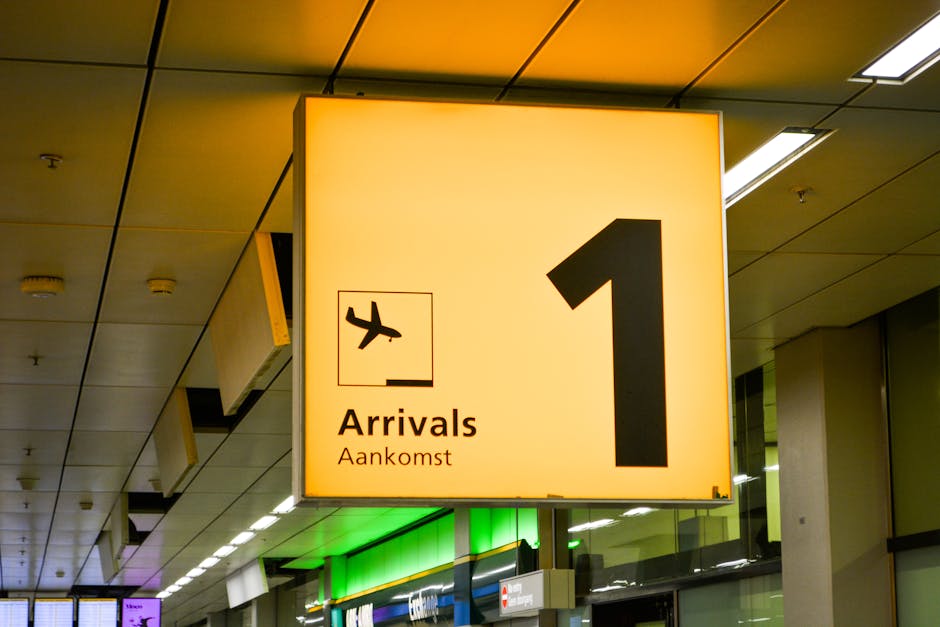
Delays and gate changes are inevitable aspects of air travel. How you react determines your stress level. Panicking solves nothing. Being prepared and proactive, however, can make all the difference between a minor inconvenience and a ruined trip. Your strategy here is rapid information gathering and decisive action.
What’s the first step when a delay is announced?
Check your airline app immediately. It’s almost always the most accurate and up-to-date source of information. Do not rely solely on the gate agent or the overhead screen; they can be slow to update. Confirm the new departure time and, crucially, the new gate number. Cross-reference with an independent flight tracking app like Flighty for additional verification and estimated delay times.
How do you stay informed without constantly checking screens?
Enable push notifications on your airline app. This is non-negotiable. It’s designed to alert you the moment changes occur. Additionally, keep an eye on your email and text messages from the airline. While you should pay attention to airport announcements, treat your phone as the primary information hub. A good pair of noise-canceling headphones (like the Sony WH-1000XM5) can also help you focus on your phone without distraction from airport noise, but remember to keep an ear out for crucial audible announcements.
What about rebooking if your flight is severely delayed or canceled?
Act fast. While others are queuing at the customer service desk (which can take hours), get on the phone with the airline (use your elite status line if you have it). Simultaneously, use the airline’s app or website to explore rebooking options yourself. Sometimes, you can rebook onto an earlier or more convenient flight faster than an agent. Have alternative flights in mind, even on other airlines, by quickly checking Google Flights or similar search engines. Present your preferred solution to the agent. Speed is everything in rebooking.
Is it worth waiting for a voucher or compensation?
For significant delays or cancellations, yes. Know your passenger rights. If you’re flying to or from the EU, familiarize yourself with EU 261, which provides robust compensation for significant delays. US regulations are less clear but still offer some protections. Don’t leave the airport without asking for meal vouchers for long delays, and understand if you’re entitled to overnight accommodation. Keep meticulous records of all communication, flight numbers, and any expenses incurred. This documentation is critical for any compensation claims.
Airport success hinges on preparation, technology, and a proactive mindset.