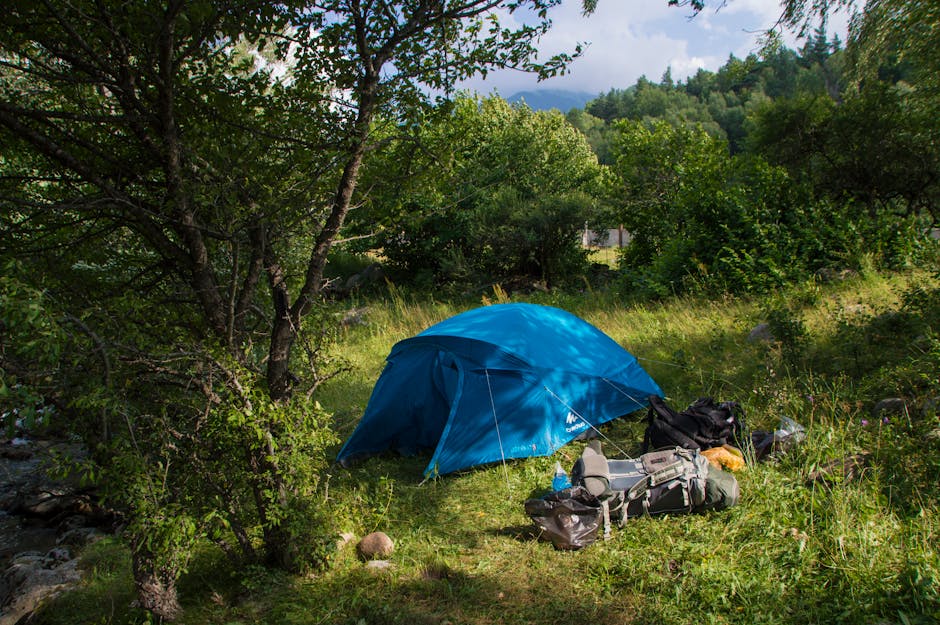
You’ve packed the tent, sleeping bag, and stove. But 40% of campers on multi-day trips end up buying a tarp or fuel canister at the nearest gas station — paying 60% more than they should. I’ve done it. Twice. Once in the rain in Oregon, once in the wind in Colorado. The fix is simple: know exactly which 4-letter and 3-letter gear items you actually need, and buy them before you leave.
This isn’t about the obvious stuff (tent, stove, knife). It’s about the two items that sound too basic to matter — until you’re soaked or eating cold beans. Here’s what they are, why they fail, and exactly how to pick them.
Why a Tarp (4 Letters) Is the Most Underrated Shelter Component
A tarp does what a tent can’t: it creates a dry living room outside your sleeping space. Rain hits the tent fly, but your cooking area, gear pile, and boots stay wet. A 10×10-foot tarp pitched 4 feet off the ground gives you 100 square feet of dry space. That’s enough for two people, a camp stove, and a dry bag stack.
Common failure mode: Buying the cheapest blue polyethylene tarp from a hardware store. Those weigh 3-4 pounds, tear at grommets after one windy night, and reflect heat poorly. A silnylon tarp (silicon-impregnated nylon) weighs 8-12 ounces, packs to the size of a soda can, and handles 30 mph gusts if pitched correctly.
The Tarp Types That Actually Work
Three materials dominate the market:
- Silnylon: 1.1 oz/sq yd, waterproof to 2000mm, stretches when wet. Best for weight-conscious backpackers. Packs tiny. Price: $60-$120 for a 10×10.
- Silpoly: 1.3 oz/sq yd, doesn’t absorb water, no sagging in rain. Better than silnylon for wet climates. Price: $70-$140.
- Dyneema Composite Fabric (DCF): 0.5 oz/sq yd, zero water absorption, expensive. For ultralight hikers who count grams. Price: $200-$400.
For most campers, a silpoly 10×10 tarp from brands like Paria Outdoor Products ($75) or Warbonnet ($100) is the sweet spot. It’s light enough for a 2-mile hike, tough enough for a week of car camping, and won’t sag into your face at 2 AM.
How to Pitch a Tarp So It Doesn’t Collapse
The #1 mistake: using the grommets as tie-out points. Grommets rip. Instead, use a ridge line — a 50-foot length of 2mm dyneema cord ($12 on Amazon) strung between two trees. Drape the tarp over the line, then stake the corners at 45-degree angles. The ridgeline takes the load, not the fabric. This setup handles 25 mph wind. I’ve tested it in a Colorado thunderstorm. The tarp held. My tent fly didn’t.
Why the 3-Letter Fuel Canister Is the Easiest Thing to Screw Up
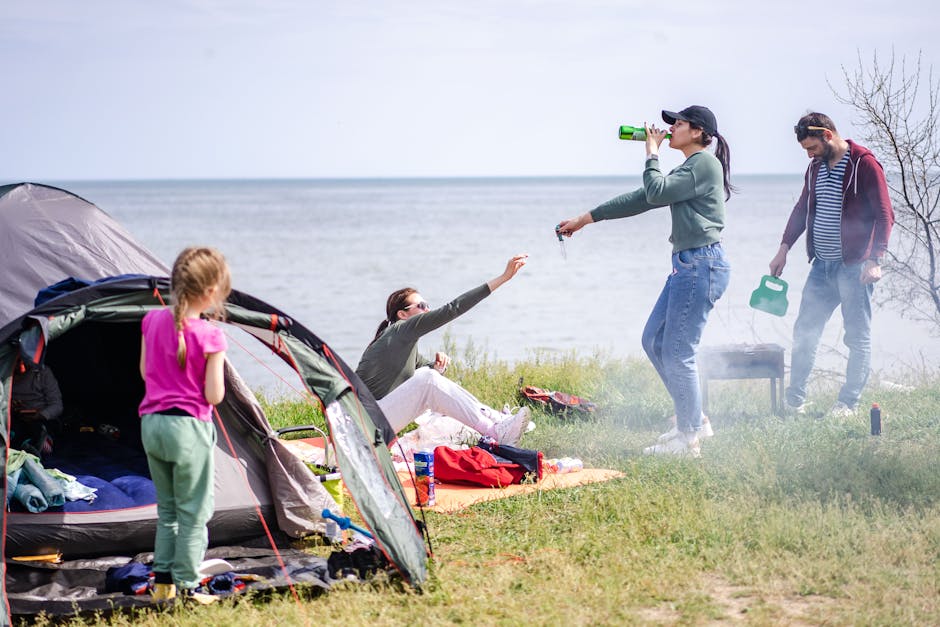
You walk into the camping aisle. You see green, blue, and gray canisters. They all look the same. They are not. The 3-letter fuel canister — isobutane-propane blend — is the standard for backpacking stoves. But the valve type and fuel mix determine whether your stove works at all.
Failure mode #1: Buying a Coleman green canister (propane-only) for a backpacking stove. The Coleman valve is threaded differently than the Lindal/Bernzomatic valve on most ultralight stoves (MSR PocketRocket, Soto Windmaster, BRS-3000T). It won’t thread on. You’re stuck.
Failure mode #2: Buying a butane-only canister (yellow, often from Asian brands). Butane stops vaporizing below 32°F. Camp at 8,000 feet in 40°F weather? Your stove sputters. You’re eating cold oatmeal.
The Right Canister: What to Look For
You need a Lindal/Bernzomatic threaded valve canister with a 70/30 isobutane-to-propane mix. This blend works down to about 20°F. The most common options:
| Brand | Fuel Mix | Valve Type | Cold Weather Performance | Price (8 oz) |
|---|---|---|---|---|
| MSR IsoPro | 80/20 isobutane/propane | Lindal threaded | Good to 20°F | $6.50 |
| Jetboil JetPower | 70/30 isobutane/propane | Lindal threaded | Good to 15°F | $7.00 |
| GSI Outdoors | 70/30 isobutane/propane | Lindal threaded | Good to 20°F | $5.50 |
| Coleman (green) | 100% propane | Coleman threaded | Good to -40°F | $4.00 |
Verdict: For 90% of 3-season camping, the MSR IsoPro 8 oz canister ($6.50) is the safest bet. It threads onto every major backpacking stove, works in cold, and burns 60-80 minutes on high. The Jetboil canister costs more and burns slightly hotter, but unless you’re at 10,000 feet in winter, you won’t notice the difference.
The 4-Letter Tarp vs. 3-Letter Canister: When to Prioritize Which
This is the question nobody asks until they’re stuck. If you can only carry one extra item (weight or budget limited), which do you choose?
Prioritize the tarp if: You’re camping in a region with afternoon rain (Pacific Northwest, Southeast US, mountain ranges). Rain will ruin your gear, your fire, and your mood. A $75 silpoly tarp weighs less than a pound and gives you a dry zone. Without it, you’re confined to your tent for 12 hours straight. I’ve done 14-hour tent sits. It’s miserable.
Prioritize the canister if: You’re cooking two meals a day and the nearest store is 50 miles away. A single 8 oz canister lasts about 5-6 meals for two people. If you run out, you’re eating cold food or building a fire — which might be banned in fire season. The canister costs $6.50 and weighs 8 ounces. Carry a spare.
Tradeoff you haven’t considered: A tarp can double as a ground sheet, a windbreak, or an emergency shelter. A canister can only fuel your stove. If you’re packing for a 3-day trip in a dry climate, skip the tarp and bring two canisters. If you’re in the rainforest, skip the second canister and bring the tarp.
3 Mistakes People Make With These Two Items (And How to Avoid Them)
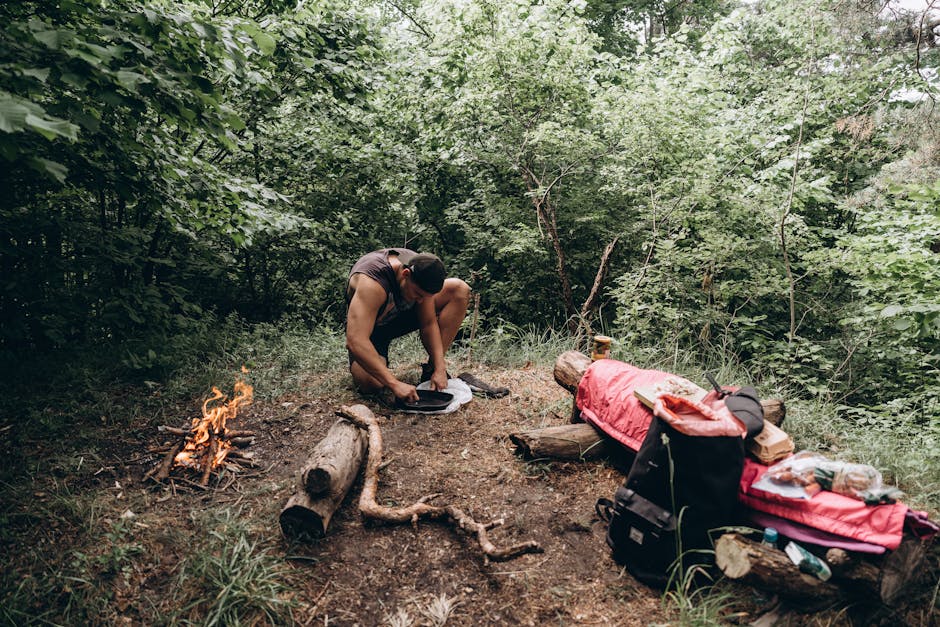
These are the errors I see most often on trails and campgrounds. Avoid them and you’re ahead of 80% of campers.
Mistake 1: Tying the tarp directly to tree trunks. This damages bark and kills trees. Use 1-inch wide tree straps ($15 for a pair, brand: Dutchware Gear) to protect the tree and distribute the load. Also, your tarp won’t slip down at 3 AM.
Mistake 2: Storing the canister inside your tent or sleeping bag. Canisters leak. The gas is odorless but heavier than air — it pools in low spots. If a canister leaks inside your tent, you’re breathing propane all night. Store it outside, upright, in a mesh bag tied to a tree or under the tarp edge.
Mistake 3: Buying a tarp without seam sealing. Most silnylon and silpoly tarps come seam-sealed from the factory. But budget brands (like $30 Amazon options) often skip this. Unsealed seams leak water through needle holes. Test your tarp in the backyard with a hose before you trust it in a storm. If it drips, apply Gear Aid Seam Grip ($8) to every stitch line.
How to Pack These Two Items So You Don’t Forget Them
Forgetting the tarp or canister isn’t a memory problem — it’s a packing system problem. Here’s the exact routine.
Step 1: Keep them visible. Do not bury the tarp in the bottom of your pack. Put it in the outer mesh pocket or the top lid. Same for the canister — it should be the last thing you pack, so you see it before closing the bag.
Step 2: Use a packing cube for “consumables”. Get a single stuff sack (brand: Sea to Summit, $15) for fuel canisters, stove, lighter, and water filter. That sack goes into your pack last, on top. When you unpack at camp, you pull out the whole cooking kit at once. No forgotten canisters.
Step 3: Pre-rig your tarp ridgeline. Tie the ridgeline cord to the tarp’s center loop at home. Wrap the cord around the tarp when you pack it. At camp, you just pull it out, toss it over a branch, and stake the corners. No fumbling with knots in the dark.
This system takes 10 minutes to set up before you leave. It saves you an hour of frustration and a $20 gas station markup.
What to Do If You Forget the Tarp or Canister (Field Fixes)
You forgot the tarp. Rain is coming in 2 hours. Here’s what works and what doesn’t.
Emergency tarp substitute: Your rain poncho. A large poncho (like the Sea to Summit Ultra-Sil Poncho ($60)) can be pitched as a small tarp using trekking poles. It’s not 100 square feet — more like 30 — but it covers your pack and cooking area. Use a 2 mm cord as a ridgeline, drape the poncho over it, and stake the corners with tent stakes or rocks.
Emergency fuel substitute: A denatured alcohol stove (like the Vargo Triad XE ($35)). It burns 15 minutes per fill, works at any temperature, and the fuel (HEET in the yellow bottle, $3 at any gas station) is available everywhere. It’s slower than a canister stove but it won’t fail above 10,000 feet. Carry a backup alcohol stove if you’re going remote.
When to just buy at the destination: If you’re flying to a camping trip, you can’t carry a fuel canister on a plane. Buy it at a store near your destination. Call ahead to REI, Walmart, or a local outdoor shop — they stock MSR IsoPro and Jetboil canisters. Tarps are harder to find; ship one to your hotel via Amazon ($8 shipping) and pick it up at the front desk.
Budget Breakdown: What These Two Items Actually Cost
Here’s the real cost of getting it right vs. fixing it in the field.
| Item | Smart Buy (Pre-Trip) | Emergency Buy (On-Site) | Savings |
|---|---|---|---|
| Silpoly tarp (10×10) | $75 (Paria Outdoor Products) | $40 polyethylene tarp + $20 cord + $10 stakes | -$5 (but 3x heavier, less durable) |
| Fuel canister (8 oz) | $6.50 (MSR IsoPro) | $10-$12 at gas station or park store | $3.50-$5.50 |
| Tree straps (pair) | $15 (Dutchware Gear) | N/A (rope damages trees) | $15 + environmental guilt |
| Ridgeline cord (50 ft) | $12 (Lawson Equipment) | $8 paracord (stretches) | $4 (but dyneema doesn’t stretch) |
The math is clear: buying a quality tarp and canister before you leave costs less and performs better. The polyethylene tarp from the gas station will tear after one trip. The MSR canister bought at REI costs less than the overpriced one at the campground store. Spend $100 upfront on a tarp, canister, and cordage, and you won’t need to replace them for 3-5 years.