Frozen Pipes Wrecked Their Vacation. Here’s What They Missed.
About 250,000 U.S. homes suffer burst pipes every single winter. A large chunk happen while the owners are 6,000 miles away in Kyoto or Lisbon, completely unreachable. One failed pipe joint can release 250 gallons of water per hour directly into your walls — and it usually doesn’t fail while it’s frozen. It fails when things thaw out, days later, while you’re eating tapas in San Sebastián.
You booked the flights. You packed the bags. You thought about everything except the crawl space under your house that dips below freezing the moment you turn the heat down.
This list is for people who travel in winter and actually want to come home to a dry house. Some of it is gear. Some of it is common sense that isn’t very common.
Why Frozen Pipes Are the Number One Winter Travel Hazard Nobody Talks About
Most travel prep content covers travel insurance, airport lounges, and packing cubes. Nobody talks about the $15,000–$30,000 in water damage quietly waiting to happen while you’re sipping mulled wine in Vienna.
Pipes freeze when temperatures drop below 32°F (0°C) in spaces that lack insulation — crawl spaces, garages, exterior walls, unheated basements. Water expands as it freezes. Pipes can’t expand. Something gives. Usually it’s a joint or a thin section of copper. And the failure isn’t dramatic or immediate.
That’s the worst part. You might leave Thursday, the pipes freeze Saturday night, and everything looks fine on the surface until Tuesday when temperatures crawl back up. By then you’re three days into a Michelin-star kaiseki experience in Kanazawa and your neighbor is watching water pour through your ceiling.
Which Pipes Are Actually at Risk?
Not all pipes are equal. The most vulnerable ones are pipes in unheated crawl spaces or basements, plumbing in exterior walls — especially in homes built before 1985 — supply lines in garages where cars normally park but won’t while you travel, outdoor hose bibs and the indoor connections behind them, and any pipes in vacation or seasonal properties that sit empty in winter. If your home is older than 30 years or sits in a region that drops below 20°F regularly, take this seriously before every winter trip.
The Real Financial Downside of Getting This Wrong
Insurance covers burst pipe damage, but your deductible alone often runs $1,000–$2,500. Then there’s the claim on your record, the potential rate increase, and weeks of contractors tearing walls apart. The average water damage claim from a burst pipe runs around $11,000. Remediation for a serious flood can hit $30,000 or more. Active prevention costs a fraction of that — often under $50.
The Best Winter Destinations in Europe Worth the Cold
Europe in winter is genuinely underrated. Fewer crowds, lower prices, and some cities look dramatically better with snow than without it.
- Vienna, Austria — Christmas markets run through late December, then the city settles into quiet elegance. The Kunsthistorisches Museum has essentially zero lines in January or February. Hotel rates drop significantly after New Year’s.
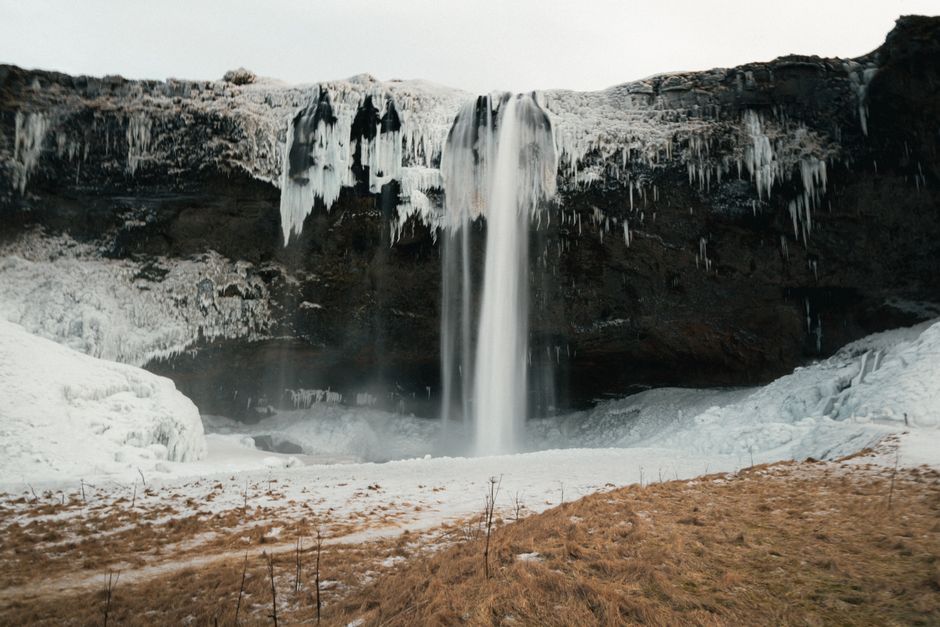
- Reykjavik, Iceland — Northern lights season runs October through March. January temperatures average 32°F (0°C), which sounds harsh but rarely goes much lower due to the Gulf Stream. The Blue Lagoon is open year-round and less crowded off-peak.
- Prague, Czech Republic — January after the Christmas crowds clear out. Hotel rates drop 40–60% from December peaks. Old Town still looks like a film set. The castle district without tourist groups is a completely different experience.
- Dubrovnik, Croatia — The Game of Thrones crowds are entirely gone. Prices drop dramatically. The Adriatic light in February is low and golden and the walled city photographs like nothing else on the continent.
- Edinburgh, Scotland — Hogmanay (New Year’s) is worth enduring the cold. The city completely transforms. Wind off the North Sea is genuinely brutal, so pack a proper outer layer, not a fashion jacket.
- Tallinn, Estonia — One of the most underrated winter cities in Europe. Medieval architecture, a serious food and cocktail scene, and properly cold in a way that feels atmospheric rather than miserable. Temperatures regularly hit 14°F (-10°C) in January.
Note: If you’re heading to Iceland or Tallinn, your home back in a warmer zone still faces freeze risk from the single cold snap that hits while you’re gone. Don’t assume mild local winters are enough protection.
Heat Tape: What It Is, How It Works, and Why Length Matters More Than You Think
Heat tape is the correct answer for most pipe protection situations. Full stop.
Foam pipe insulation helps, but it’s passive — it slows heat loss, it doesn’t generate heat. In a sustained cold snap below 15°F, insulation alone will eventually fail. Heat tape — also called heat cable — is an electric resistance wire that wraps around your pipes and maintains temperature above freezing. Plug it into a standard outlet. Many varieties are self-regulating, meaning they consume more power when pipes are colder and less as ambient temperatures rise, keeping energy use reasonable.
The 140FT Option: Built for Real Homes
For homes with longer pipe runs in crawl spaces, multiple exposed sections, or garage configurations, the 140-foot heat cable with mounting buckles covers most residential setups. At $41.99, that’s less than a single service call from a plumber — let alone what water damage remediation costs.
The mounting buckles are a detail that matters more than the marketing copy suggests. Without a secure attachment method, heat tape slides off pipes or bunches up in areas where it provides no real protection. Bundled buckles means you don’t have to source hardware separately or improvise with zip ties.
The cable carries a 4.6/5 rating across 64 verified reviews. Most positive comments focus on ease of installation and consistent performance through sustained cold snaps — not just overnight dips.
How to Install It Correctly
Spiral-wrap the cable around the pipe — not layered on itself, because stacking creates hot spots that damage both the cable and the pipe over time. Space the buckles every 12–18 inches to maintain consistent pipe contact. Plug into a GFCI outlet only. That’s not optional — it’s an electrical code requirement and a legitimate safety issue. Most cables include a built-in thermostat that activates below 38°F and shuts off above 50°F, so you don’t need a separate controller for standard setups.
Critical mistake to avoid: don’t wrap heat tape over existing foam insulation. Wrap the pipe first, then cover with insulation if you want additional protection. Reversing that order traps heat and creates a fire risk that defeats the whole purpose.
Also before you leave: set your home thermostat to a minimum of 55°F. A smart thermostat like the Nest Learning Thermostat lets you monitor and adjust remotely from anywhere in the world. Maintaining 55°F makes heat tape a backup defense rather than the only line of protection — and significantly reduces your electricity cost for running it.
30FT vs 140FT: Which Heat Cable Do You Actually Need?
This comes down entirely to your pipe run length. Buying too little leaves gaps. Buying too much creates coiled excess that you can’t just bundle up and ignore — excess cable folded on itself is a fire and malfunction risk. Measure your runs before you order.
| Feature | 30FT Cable ($28.00) | 140FT Cable ($41.99) |
|---|---|---|
| Best for | Single pipe run, one hose bib, small crawl space section | Long basement runs, multiple sections, full garage setup |
| Price per foot | ~$0.93/ft | ~$0.30/ft |
| Typical install time | 30–45 minutes | 1–2 hours |
| Coverage scope | 1–2 pipe sections | Multiple runs throughout property |
| Mounting buckles | Included | Included |
| Rating | 4.6/5 (64 reviews) | 4.6/5 (64 reviews) |
| Best value when | You have one short exposed run | You have more than 35 feet of exposed pipe |
If you genuinely only have one exposed hose bib or a short garage pipe run, the 30-foot version keeps it simple and saves you money without compromise on quality. If you have longer runs, the math is straightforward: three 30FT cables to match the 140FT coverage would cost you roughly $84 versus $42. The 140FT wins decisively on value for any property with multiple vulnerable sections.
Asia Winter Destinations That Make the Cold at Home Worth Enduring
Asia in winter ranges from full arctic conditions to beach weather within the same continent. The contrast with European winters is dramatic — and the value for money is often significantly better.
Japan in Winter: The Right Call
Kyoto in February has almost none of the crowds from cherry blossom season. Snow on temple roofs. Fushimi Inari at 6am with no tour groups. Nishiki Market without shoulder-to-shoulder traffic. Hokkaido’s Sapporo Snow Festival in early February is a legitimate bucket-list experience — snow sculptures the size of buildings, outdoor beer gardens operating in sub-zero temperatures, powder skiing at Niseko that rivals anything in Europe. Flights are cheaper than peak season by a material margin. This is Japan at its most cinematic and least crowded.
Southeast Asia: Perfect Timing
Thailand, Vietnam, and Cambodia are in peak dry season November through February. Hoi An in January means perfect weather, golden afternoon light, and no rain. Chiang Mai in December means cool evenings, clear skies, and temple-hopping without sweating through multiple layers. Bali in August is overrated and overpriced; Bali in January — outside the brief wet season — is genuinely excellent.
This is exactly when winters in North America and Northern Europe are at their most brutal — which means your unheated crawl space is at maximum risk while you’re in flip-flops on a beach in Koh Lanta.
South Korea Winter: Underrated
Seoul’s ski resorts — Vivaldi Park and High1 Resort — are legitimately good and significantly cheaper than comparable resorts in Japan or Europe. Korean fried chicken and soju in Myeongdong at 15°F (-9°C) hits differently than you’d expect. January in Seoul is cold and clear. Less humidity than summer, which actually makes street photography and city walking more comfortable than the muggy summer months.
4 Mistakes People Make When Leaving Their Home in Winter
- Turning the heat completely off. Saves maybe $40–60 in heating costs over a two-week trip. Risks tens of thousands in water damage. Set it to 55°F minimum — non-negotiable, regardless of how long you’re gone.
- Forgetting to disconnect outdoor hoses. A garden hose left connected traps water in the bib and the pipe connection behind the wall. That’s a freeze point that fails before any other pipe in your house and almost nobody thinks about it until water starts pooling in the garage.
- Using foam insulation as the only line of defense. Frost King pipe wrap and similar products are excellent for moderate cold — they genuinely extend the threshold before pipes freeze. But they’re insulation, not heat generation. Below 10°F in an unheated crawl space, passive insulation alone will eventually fail. Active heating is the only reliable answer for sustained cold.
- Not telling anyone you’re leaving. Give a neighbor or trusted contact a key. Ask them to walk through every 3–4 days. A temperature alarm that sends a phone notification when indoor temps drop below 45°F — Govee and Inkbird both make reliable ones for under $20 — gives you visibility from anywhere in the world. If the Govee alerts at 3am while you’re in Tokyo, you can call your neighbor and have them check before any damage occurs.
One more step that’s genuinely important: locate your main water shutoff valve and physically test that it works. If the worst happens while you’re away, whoever is checking your house needs to stop the flow immediately. Most homeowners have never operated their shutoff valve. Many of them are stiff, partially seized, or in an unexpected location. Find it before you leave, not after the ceiling collapses.
The Verdict
For any home with a crawl space, basement pipe runs, or multiple exposed sections, the 140FT heat cable at $41.99 is the clear buy — the per-foot cost makes it decisively better value than multiple shorter rolls, and the coverage eliminates the guesswork about whether you got every vulnerable run. Single exposed section or one hose bib: the 30FT at $28 is the right size. Either way, you’re spending $28–$42 against a potential $11,000 insurance claim and weeks of contractors in your house.
Your winter trip to Prague or Kyoto is absolutely worth it. Sort the pipes, set the thermostat to 55°F, and actually enjoy the trip — instead of managing a disaster from 5,000 miles away.