You have seven days of vacation approved. You want to go to Italy. The group chat is dead. No one can commit. So you book the flight anyway because waiting on other people is a losing game. Now you are staring at two names on a map: Rome and Florence. Both sound incredible. Both are drowning in history. But one of them will be a better fit for a first-time solo traveler in 2026, and the answer is not as obvious as the guidebooks pretend.
I have spent time in both cities without a travel partner. The experience is completely different. Rome is loud, sprawling, and demands that you fight for space. Florence is compact, walkable, and lets you breathe. That does not mean Florence wins by default. It depends on what kind of solo trip you actually want. This article breaks down the real numbers: what you will spend, where you will wait, and which city respects your time more.
The Solo Traveler’s Real Budget: Rome Punishes Spontaneity
Rome is expensive in sneaky ways. Florence is expensive in predictable ways. As a solo traveler, you feel every euro because you are not splitting anything.
A dorm bed in a central Rome hostel like The Beehive near Termini runs €45–€65 per night in peak 2026 season. A private room in the same area starts around €120. In Florence, a dorm bed at Ostello Bello near the Duomo costs €40–€55. A private room at Plus Florence starts around €95. The difference is not huge, but Rome’s metro is shockingly limited. You will end up walking more or paying for taxis because the subway only has three lines and none of them go to Trastevere or the Vatican conveniently.
Food is where Rome gets tricky. Sitting down for cacio e pepe in a tourist-adjacent trattoria near the Pantheon will cost €18–€22 for the pasta alone. In Florence, the same quality of pasta at a place like Trattoria Mario near the Mercato Centrale runs €12–€15. Rome’s tourist traps are more aggressive because the city is bigger and the famous sites are more spread out. You get hungry, you are tired, you sit down at the wrong place, and you pay €25 for mediocre amatriciana.
Florence’s compact center means you can always walk back to a known good spot in ten minutes. Rome does not offer that luxury. The city punishes poor planning with expensive mediocre meals.
Bottom line: Budget €85–€110 per day in Florence for a comfortable solo trip. Budget €100–€130 per day in Rome for the same comfort level, not because Rome is better, but because you will make more expensive mistakes there.
Walking Alone: Which City Feels Safer After Dark?
Both cities are safe by global standards. Violent crime against tourists is rare. But the feeling of safety matters when you are alone and trying to enjoy a late dinner without staring at your phone for directions every five minutes.
Rome has pockets that turn sketchy fast. The area around Termini station after 11 PM is not pleasant. You will see groups of men loitering, aggressive street vendors, and the occasional pickpocket attempt. The first time I walked from Termini to my hostel at midnight, I had my backpack on my chest and my hand on my phone. It was fine, but it did not feel fine.
Florence is smaller and calmer. The historic center is well-lit, heavily populated with other tourists until late, and the walk from the Arno back to your hostel feels relaxed. The only area to avoid late at night is the Cascine Park on the western edge, which has a reputation for petty crime and drug activity. But as a tourist, you have no reason to be there after dark anyway.
For a first-time solo traveler, Florence wins this category. The city’s small footprint means you are never far from a busy piazza with people around. Rome requires more street smarts and more planning around where you stay.
Attractions: Rome Makes You Work, Florence Lets You Wander
Rome’s big attractions are a logistical nightmare in 2026. The Colosseum requires a timed entry ticket booked weeks in advance. The Vatican Museums are the same. If you show up without a reservation, you will wait two to three hours in direct sun. As a solo traveler, you have no one to hold your spot while you buy water or use the bathroom.
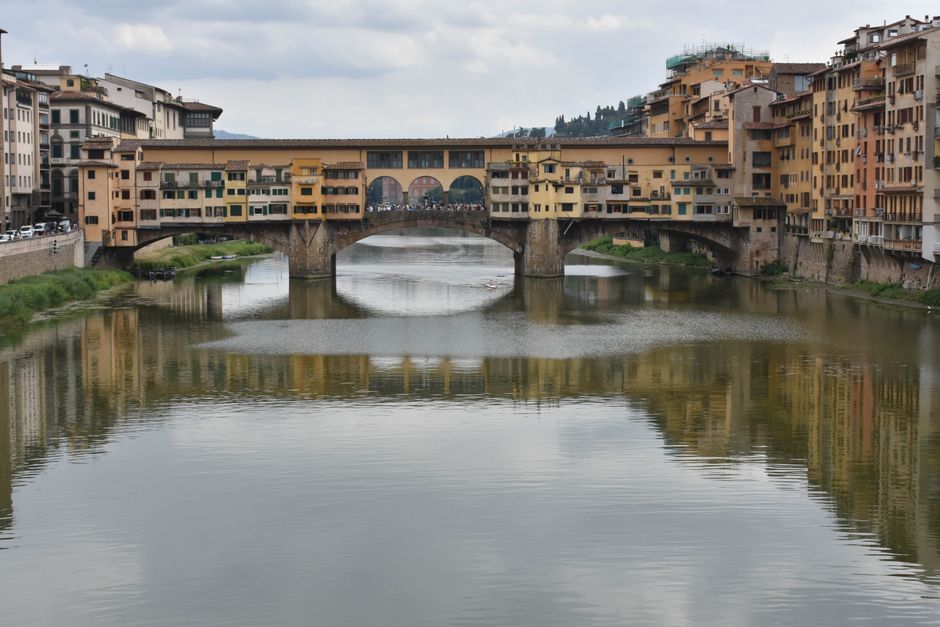
Florence’s attractions are easier. The Uffizi Gallery and Accademia also require timed tickets, but the lines move faster and the buildings are closer together. You can see the Duomo from the outside for free, walk across the Ponte Vecchio, and wander into the Basilica of Santa Croce without a reservation. Florence rewards spontaneous wandering. Rome punishes it.
Here is a real comparison of what a solo traveler faces at peak times in 2026:
| Factor | Rome | Florence |
|---|---|---|
| Colosseum / Uffizi ticket wait without reservation | 2–3 hours | 45–90 minutes |
| Walking distance between top 3 attractions | 45–60 minutes total | 15–20 minutes total |
| Metro coverage in historic center | Poor (3 lines, none in Trastevere) | None needed (walkable) |
| Average cost of a sit-down lunch near a major site | €18–€25 | €12–€18 |
| Best solo-friendly activity | Walking the Appian Way on a Sunday | Sunset at Piazzale Michelangelo |
Rome’s highlights are more impressive. The Colosseum, the Forum, the Pantheon, and St. Peter’s are world-class. But you will spend half your day commuting between them and waiting in lines. Florence gives you more art and architecture per square meter with less friction.
What You Should Actually Pack for Either City
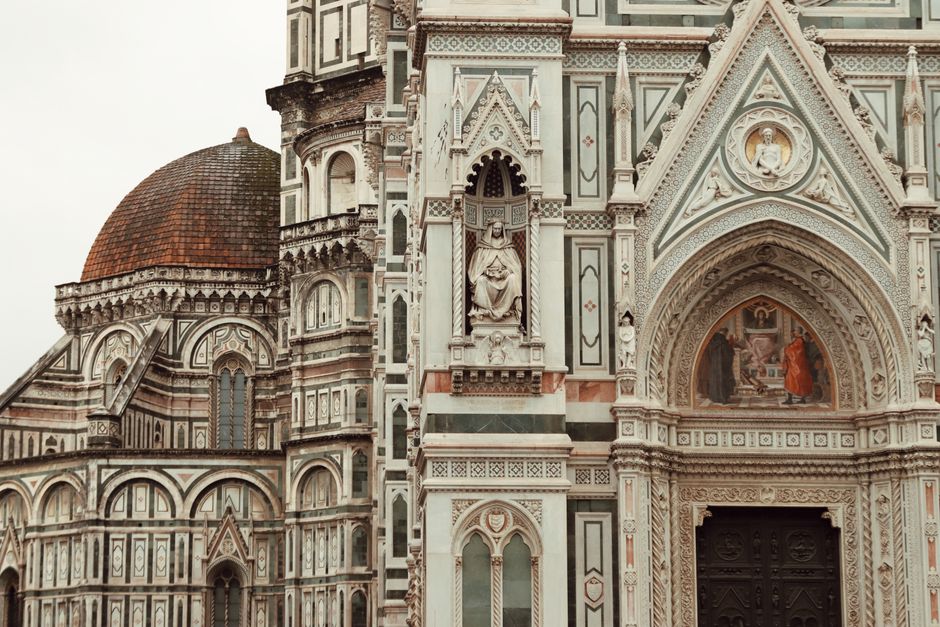
This is not a fashion blog, but solo travel packing matters more because you carry everything yourself. No one is watching your bag while you climb the Duomo’s 463 steps.
One thing I learned the hard way: Italian churches enforce a dress code. Shoulders and knees must be covered. You will be denied entry at St. Peter’s, the Duomo, and Santa Croce if you show up in a tank top and shorts. Pack a lightweight scarf or a packable cardigan. The J.Crew Factory gauze wrap ($24.50) works well because it packs flat and dries fast if you wash it in a hostel sink.
For shoes, do not bring anything you have not walked ten miles in. Florence’s cobblestones are uneven. Rome’s distances are long. A pair of Allbirds Tree Runners ($105) or Hoka Clifton 9 ($145) will save your feet. Fashion sneakers like Veja look great in photos but will destroy your arches by day three.
One more thing: bring a small crossbody bag with a zipper, not a backpack. Pickpockets work the metro and crowded museum queues in both cities. A crossbody worn in front is harder to open without you noticing.
Where to Stay Alone Without Feeling Isolated
Solo travel is not just about safety and cost. It is about not feeling lonely at dinner. The neighborhood you choose matters more than the city itself.
In Rome, stay in Trastevere. It is the best neighborhood for solo travelers because the streets are narrow, filled with small trattorias, and the nightlife is lively without being sketchy. You can sit at a bar, order a spritz for €6, and no one looks at you weird for being alone. Avoid staying near Termini. It is cheaper for a reason.
In Florence, stay anywhere within the historic center. The area around Santo Spirito on the Oltrarno side is ideal. It is quieter than the Duomo side, has better restaurants, and the piazza fills with locals and students at night. You can grab a lampredotto sandwich from a food cart for €5 and sit on the church steps with a view.
Hostels in both cities run social events. The Beehive in Rome does a great pasta-making night. Ostello Bello in Florence has a free welcome drink and a rooftop terrace. If you want to meet people, book a hostel with a bar or a communal kitchen. If you want privacy, book a guesthouse or a small B&B. The Hotel Orto de’ Medici in Florence has a garden and single rooms under €130 in shoulder season, which is rare for a hotel that nice.
The Verdict: Pick Florence for Your First Solo Trip
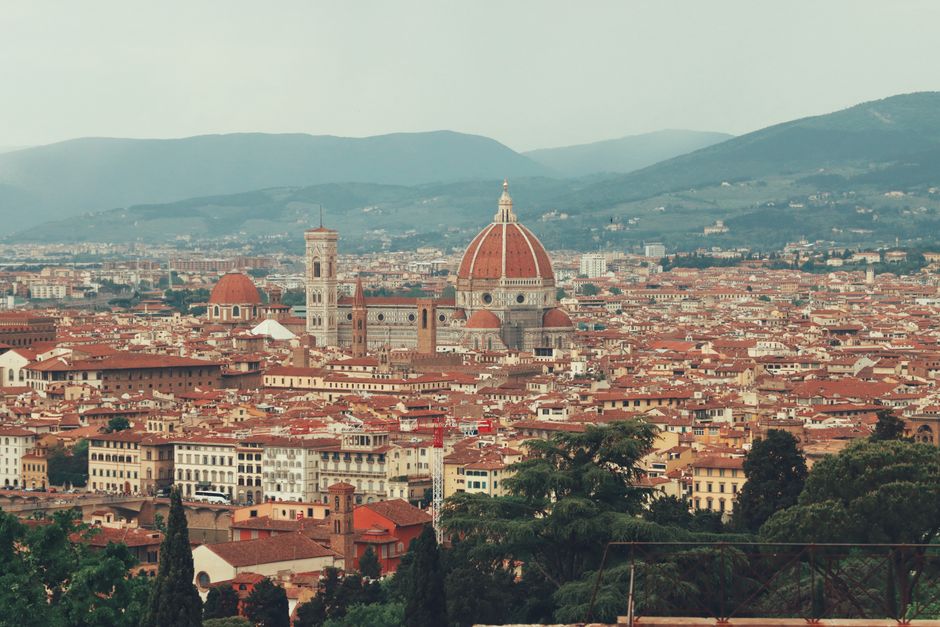
Florence is the better city for a first-time solo traveler in 2026. Not because it is prettier or more authentic. Because it is easier.
You will spend less time navigating, less money on mistakes, and less mental energy worrying about safety or logistics. The city is small enough that you can learn it in a day. The art is concentrated. The food is cheaper. The evening atmosphere is calmer. For someone traveling alone for the first time, that reduction in friction is worth more than the Colosseum.
Rome is the better city for a second solo trip, once you have learned how Italy works. Go to Florence first. Learn the rhythm. Then tackle Rome with confidence.
This is not financial advice. It is travel advice based on real costs and real experiences. Your mileage will vary, but the numbers do not lie.