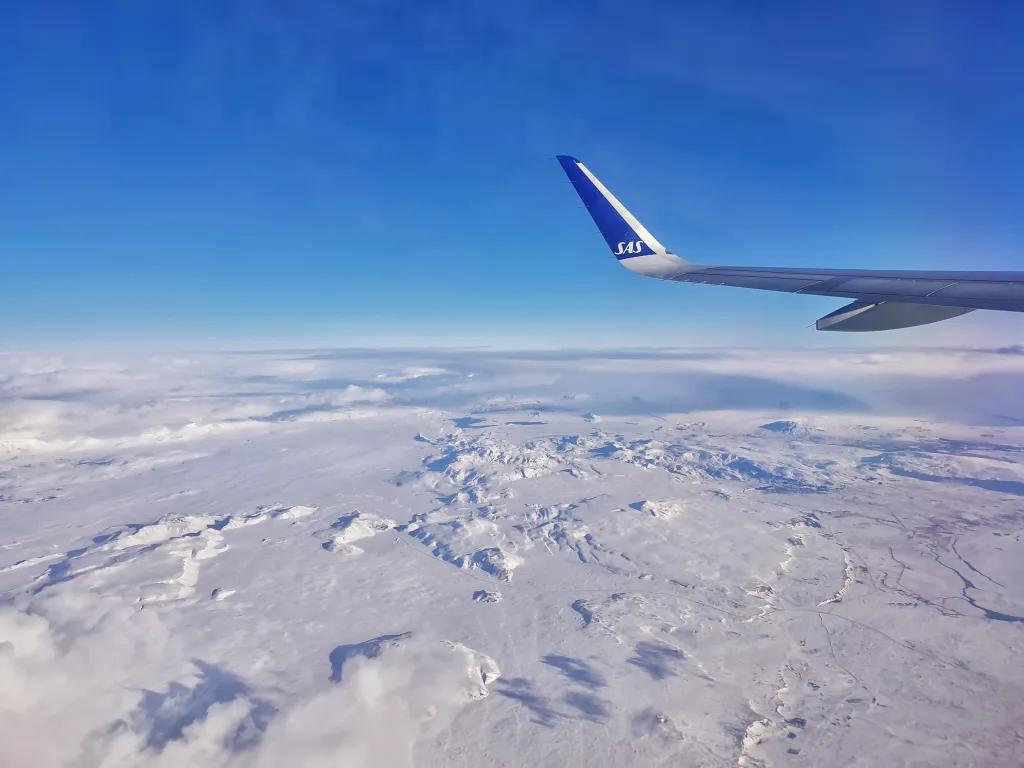
Iceland’s south coast in winter is stunning — and genuinely punishing to under-prepared travelers. Short daylight windows (as few as 4 hours in December), sudden road closures, and weather that flips between calm and brutal within the same afternoon mean your carefully planned schedule can collapse by day two. This is a realistic 6-day breakdown built around how the South Coast actually behaves in winter, not how the tourism board describes it.
What Winter on Iceland’s South Coast Actually Looks Like
Before booking flights, understand the operating environment. The South Coast runs roughly 380km along Route 1 from Reykjavik east to Jökulsárlón glacier lagoon. In winter, this stretch behaves nothing like the summer version most travel content covers.
Daylight is the defining constraint. In December and early January, you have approximately 4 to 5 hours of usable natural light. Most waterfalls, beaches, and glacier viewpoints are only worth visiting in daylight — driving to Skógafoss in the dark to see nothing is not the experience you paid for. By February, daylight extends to 7-8 hours. By March, you’re close to 11 hours. If you’re flexible on travel month, February is the strongest value: enough light to see the landscapes, still cold enough for aurora activity at night.
Temperatures along the coast sit between -2°C and 5°C (28°F to 41°F) through winter. Milder than most visitors expect. The risk isn’t extreme cold — it’s ice on roads, sustained coastal wind, and the speed at which conditions shift. The area around Reynisfjara black sand beach and Dyrhólaey sees gusts that render standard windbreakers useless.
Daylight Hours by Month
| Month | Sunrise | Sunset | Usable Daylight | Practical Verdict |
|---|---|---|---|---|
| December | ~11:20am | ~3:45pm | ~4.5 hours | Hardest month — plan 2-3 stops max per day |
| January | ~11:00am | ~4:15pm | ~5 hours | Marginally better; very high aurora odds |
| February | ~9:45am | ~5:30pm | ~7.5 hours | Best balance of daylight and aurora season |
| March | ~8:00am | ~7:00pm | ~11 hours | Close to full usability; aurora window narrows |
What’s Open in Winter vs. What Closes
Open year-round: Seljalandsfoss, Skógafoss, Reynisfjara beach, Fjaðrárgljúfur canyon, Jökulsárlón glacier lagoon, and Diamond Beach. Skaftafell visitor center and Vatnajökull National Park are accessible, though specific hiking trails may be closed due to ice. Closed in winter: all F-roads — this includes access routes to Þórsmörk and Landmannalaugar. Full stop. The path behind Seljalandsfoss often gets roped off in icy conditions; check on arrival. None of this kills the trip. Every major South Coast highlight is reachable from Route 1.
The 6-Day South Coast Itinerary
This plan runs on February conditions. Cut your daily stop count down if traveling in December or January. All driving times assume winter-pace driving: slower on ice, stops to check road.is updates, visibility delays near Vík.
| Day | Route | Key Stops | Drive Distance | Notes |
|---|---|---|---|---|
| Day 1 | Arrive → Reykjavik | Blue Lagoon, Reykjavik waterfront | ~50km from Keflavik airport | Blue Lagoon is 20 minutes from the airport — stop here on the way in, not on departure day when you’re time-pressured |
| Day 2 | Reykjavik → Vík | Seljalandsfoss, Skógafoss, Dyrhólaey arch | ~190km, 2.5-3 hrs driving | Leave Reykjavik by 8:30am; Seljalandsfoss in morning light, Skógafoss at midday, Dyrhólaey before the light dies |
| Day 3 | Vík → Kirkjubæjarklaustur | Reynisfjara beach, Fjaðrárgljúfur canyon, Systrafoss | ~80km, 1.5 hrs driving | Short drive — use the extra time at Reynisfjara; don’t rush this beach |
| Day 4 | Klaustur → Jökulsárlón area | Skaftafell, Svartifoss waterfall, Jökulsárlón lagoon, Diamond Beach | ~155km, 2 hrs driving | Arrive at the lagoon between 1pm and 3pm — afternoon golden-hour light hits the icebergs at the right angle |
| Day 5 | Jökulsárlón → Selfoss area | Diamond Beach at sunrise, Skógafoss return stop, Kerid volcanic crater | ~290km, 4+ hrs driving | Long drive day — Diamond Beach at first light justifies the early alarm; break the drive at Skógafoss midway |
| Day 6 | Selfoss → Reykjavik → Depart | Hallgrímskirkja church, Harpa concert hall, Keflavik airport | ~60km Selfoss to Reykjavik | Early flight? Skip Reykjavik entirely and drive straight to Keflavik from Selfoss in about 45 minutes |
Accommodation reality check: In Vík, Icelandair Hotel Vík and Hotel Katla both run €130-180/night in winter. Near Jökulsárlón, Fosshótel Glacier Lagoon charges €160-220/night — expensive, but it saves you from a brutal 1.5-hour pre-dawn drive from Vík on Day 4 and Day 5. In Kirkjubæjarklaustur, options are limited; Guesthouse Kirkjubær is functional and usually under €120/night. Book accommodation near Jökulsárlón at least 8-10 weeks ahead. It is consistently the tightest inventory on the entire South Coast route.
Renting a Car for the South Coast in Winter
This is where most budgets and plans fall apart. Here’s the direct version.
Do You Actually Need a 4WD?
Yes. Non-negotiable. Route 1 is plowed regularly, but black ice between Vík and Kirkjubæjarklaustur is common, and one patch you don’t see coming is enough to put a standard sedan in a ditch — or worse. Book a 4WD SUV with studded winter tires. Northbound.is lets you compare across Hertz Iceland, Europcar Iceland, Lagoon Car Rental, and smaller operators side-by-side. Lagoon Car Rental consistently undercuts the big brands by 15-25% for equivalent vehicles. A properly spec’d 4WD SUV runs €80-140/day in peak winter season. This is not a line to cut costs on.
Which Insurance Add-Ons Are Actually Worth It
The standard Collision Damage Waiver (CDW) does not cover gravel or sand damage. Iceland’s roads will chip your car. Add the Sand and Ash Protection (SAAP) for roughly €20-30/day — this covers windshield chips and body damage from loose road material. You’ll need it most on the stretch near Reynisfjara and Vík, where black sand gets airborne and driven into everything. Skip the “Super CDW” upsell unless an operator explicitly covers volcanic road hazards — which you won’t be driving anyway, since F-roads are closed.
Booking Timeline
Book 6-8 weeks ahead for February travel. 10-12 weeks ahead for December and January. 4WD inventory genuinely runs out, and last-minute availability drops to 2WD compacts at inflated prices. If you’re checking within three weeks of travel and finding only small automatics, that’s not a system glitch — the good cars are gone.
Note: Rental rates, road conditions, and insurance terms change. Verify current requirements directly with operators before booking.
What to Pre-Book Before Landing
Some things on this route are walk-up. Others will be sold out before your flight departs. Here’s the priority list:
- Blue Lagoon — sells out weeks ahead even in low season. Book the Comfort package (~€75-90/person) for the standard experience including a drink and towel. The Retreat Spa (~€250-300/person) includes a private lagoon and in-water bar — a genuinely different tier, worth comparing if budget allows.
- Glacier hike at Skaftafell — Icelandic Mountain Guides and Local Guide of Vatnajökull both run 3-hour guided walks on Vatnajökull glacier for €90-110/person, crampons and harness included. Walking on the glacier without a guide in winter is not safe and not permitted in most access zones.
- Northern Lights tours — Arctic Adventures and Reykjavik Excursions run 3-4 hour bus tours from Reykjavik for €60-85/person if you’d rather not drive yourself into dark rural Iceland at 10pm. Most operators offer a free rebooking on cloudy nights, so schedule your first available evening.
- Accommodation near Jökulsárlón — Fosshótel Glacier Lagoon is the closest quality property. Book 10+ weeks ahead for winter dates. Alternatives further west add significant morning drive time on already-tight daylight days.
- Kerid Crater entry — Small admission (~€4/person), no advance booking needed. The volcanic lake is a 10-minute detour off Route 1 on Day 5 and consistently one of the most visually distinctive stops on the route.
Northern Lights on the South Coast
The flat terrain between Vík and Kirkjubæjarklaustur is genuinely one of Iceland’s best aurora corridors — minimal light pollution, wide open sky, and easy roadside access from your car. Aurora season runs September through March. Check the Icelandic Met Office forecast at en.vedur.is each evening; look for cloud cover rated 0-2 with a KP index of 3 or above. Drive five minutes outside any town, kill the headlights, and give your eyes 20 minutes to adjust. Your phone camera’s night mode will capture the lights if you prop it against something stable.
Six nights gives you enough chances. The aurora is not guaranteed on any specific night — that’s a marketing problem with tour descriptions, not a failure of the trip.
Mistakes That Sink South Coast Winter Trips
These are consistent failure patterns across hundreds of traveler reports, not edge cases.
- Not checking road.is every morning. Route 1 closes. Bridges ice over. A closure near Vík can hold you for 4-6 hours with no detour available. Check the live road map before you drive, not after you’re stuck 30km from the closure.
- Over-scheduling December days. Four stops in 4.5 hours of light is math that doesn’t work. Two or three quality experiences — seen properly, without rushing — beats five sites visited half in darkness and half frozen at the trailhead.
- Skipping Fjaðrárgljúfur canyon. Most South Coast itineraries omit this. It’s 7km off Route 1 near Kirkjubæjarklaustur, fully accessible in winter, and canyon walls coated in frost photograph better than the crowded, tourist-saturated summer version. No excuse to skip it on Day 3 when you have a short driving day.
- Getting too close at Reynisfjara. The sneaker waves at this beach have injured and killed visitors. The warning signs are there for documented reasons, not as theatre. Stay at least 30 meters from the waterline. Treat this seriously.
- Booking a 2WD car to save €20/day. A tow truck from a South Coast ditch costs €300-500 minimum. Uncovered rental damage runs higher. The 4WD upgrade is not optional in winter conditions — it’s part of the trip cost.
- Arriving at Jökulsárlón in the morning. The icebergs catch late afternoon golden-hour light at roughly 1pm-3pm in winter. Morning light here is flat and unremarkable. Build your Day 4 drive to arrive at the lagoon in the afternoon, not at 9am after an efficient early start.
- Wrong clothing system. The South Coast wind is not solved by more layers — it’s solved by a windproof shell. Icebreaker merino base layers under a Fjällräven or Arc’teryx outer shell is the correct stack. A cotton hoodie under a puffer leaves you wet and cold within two hours of the Reynisfjara coastline.
Bottom Line — South Coast Winter Trip at a Glance
- Best month: February — 7+ hours of daylight with strong aurora odds still in play
- Minimum car: 4WD SUV with studded tires; compare on Northbound.is, check Lagoon Car Rental for the best price-to-vehicle ratio
- Don’t miss: Fjaðrárgljúfur canyon (most itineraries skip it), Diamond Beach at sunrise, Jökulsárlón at golden hour
- Cut if December: Reduce to 2-3 stops maximum per day — the daylight math does not forgive aggressive scheduling
- Book first: Blue Lagoon entry, glacier hike at Skaftafell, accommodation near Jökulsárlón
- Check daily: road.is for closures, en.vedur.is for aurora forecast and cloud cover rating