Can two weeks of winter Japan travel fit in a single carry-on? Typically, for the Tokyo-Kyoto-Osaka corridor in December or January, the answer is yes. But only if the list is built around what Japan’s cold season actually requires — not around the anxiety of every hypothetical worst-case day stacked simultaneously.
The capsule wardrobe method works here because Japan’s winter is dry, predictable, and serviced by one of the most accessible coin laundry systems in the world. Those two facts change the packing math more than any individual clothing choice.
What Japan’s Winter Climate Actually Demands
Japan in winter is not a single climate. The geography spans nearly 3,000 kilometers, and December through February creates meaningfully different conditions across common itinerary stops. Getting the layering logic wrong here produces the most common packing mistake: overcorrecting for cold and ending up with a bag that simply cannot close.
Temperature Ranges by Region
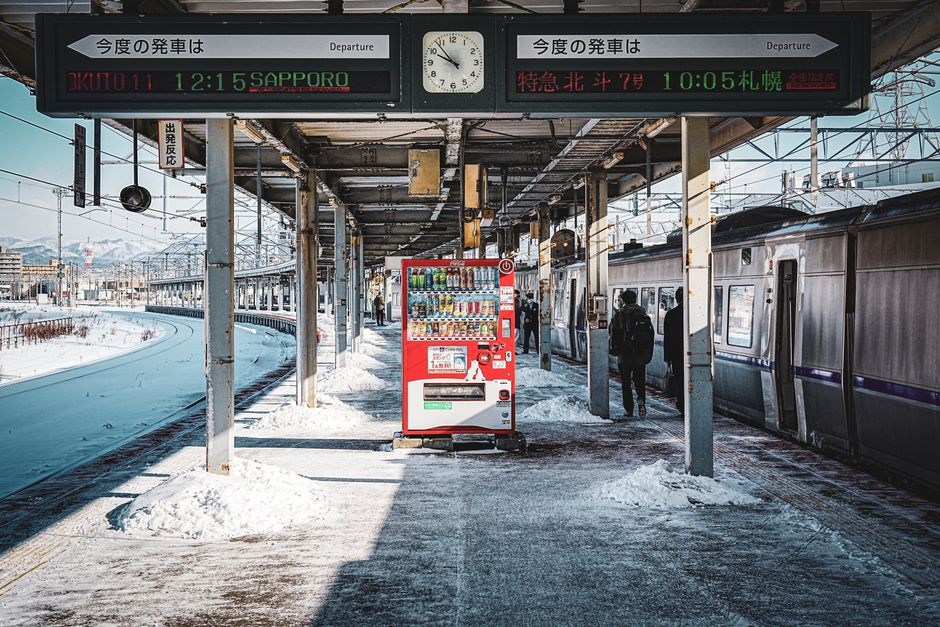
Tokyo in January averages 3–10°C. It’s dry, often sunny, and the wind is the primary discomfort factor — not the raw temperature. Kyoto runs 1–8°C and typically feels colder because cold air settles in the historic basin between surrounding hills. Osaka is comparable to Kyoto. Sapporo in Hokkaido is a different trip entirely: -5°C to -12°C with heavy snow from mid-December onward. A wardrobe that works well for the Tokyo-Kyoto corridor generally does not work for Hokkaido without significant changes to the outer layer.
Why Base Layers Decide Everything
Japan’s winter days are frequently sunny and dry. That means your base layer does most of the actual temperature regulation — not a heavy coat. Uniqlo HeatTech Extra Warm base layers are the practical standard here: thin, nearly flat-packing, and available at any Uniqlo in Japan for roughly 1,500–2,000 yen if you miscalculate. A higher-end option is the Icebreaker Merino 175 Long Sleeve (~$85 USD), which manages odor across multiple wears better than synthetics — worth the cost when you’re doing two weeks without checking luggage.
Two base layers worn interchangeably under mid-layers handle the majority of Tokyo-Kyoto-Osaka conditions without needing heavy knitwear. Most travelers pack three sweaters and two base layers. In practice, the inverse ratio works better.
The Indoor-Outdoor Temperature Problem
Japan’s indoor heating is aggressive. Department stores, train stations, most restaurants, and all ryokan are kept warm enough that full outdoor layering becomes a liability within minutes. The Uniqlo Ultra Light Down Jacket (~$70 USD) solves this more practically than a wool coat: it compresses into its own pocket, weighs almost nothing, and transitions from outdoor-viable to inside-a-bag in ten seconds. That transition speed matters when you’re moving between heated temples and cold streets a dozen times a day.
The 14-Item Capsule Core
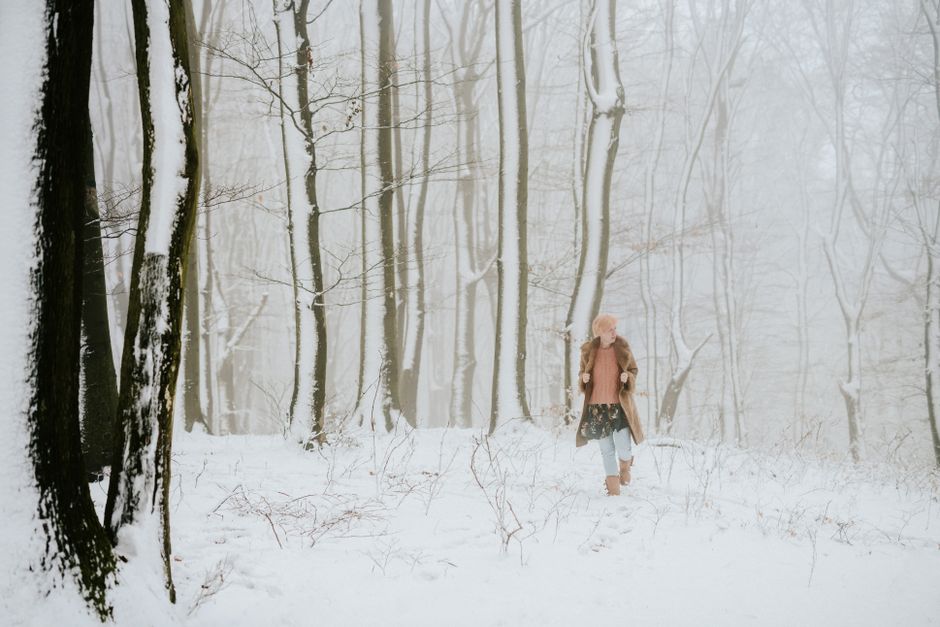
This list covers a standard Tokyo-Kyoto-Osaka itinerary in December through February. Hokkaido trips require replacing or supplementing the outer layer.
| Item | Qty | Specific Option |
|---|---|---|
| Base layer, long sleeve | 2 | Uniqlo HeatTech Extra Warm or Icebreaker Merino 175 |
| Merino mid-layer, crewneck or V-neck | 2 | Smartwool Classic All-Season Crew (~$90) or Uniqlo premium merino |
| Neutral trousers or slim chinos | 2 | One charcoal, one navy — mixes with every top combination |
| Compressible down jacket | 1 | Uniqlo Ultra Light Down Jacket |
| Waterproof outer shell | 1 | Uniqlo BLOCKTECH Parka or Arc’teryx Squamish Hoody (~$200) |
| Merino thermal leggings | 1 | Doubles as sleepwear in capsule hotels or guesthouses |
| Merino socks | 4 pairs | Darn Tough Hiker Micro Crew (~$24/pair) or Icebreaker Hike Light |
| Quick-dry underwear | 4 | Any quick-dry fabric — cotton adds weight and dries slowly |
| Wool scarf | 1 | Doubles as neck support on overnight Shinkansen segments |
| Touchscreen-compatible gloves | 1 pair | Thin liner weight — Japan winters rarely demand heavy gloves |
| Packable beanie | 1 | Compresses to fist-size; wool or merino preferred |
| Casual button-up or blouse | 2 | Worn under mid-layer or alone on warmer, indoor-heavy days |
| Slip-on walking shoes | 1 pair | See the shoes section below |
| Packable tote bag | 1 | Baggu Standard Bag ($14) or similar — folds to wallet size |
The full list fits in a 40-liter carry-on — the Osprey Farpoint 40 is the most frequently cited option for this format — with room for toiletries, a camera, and an electronics pouch. Compression packing cubes recover meaningful volume on soft items; the Eagle Creek Pack-It Specter set adds minimal weight while holding its structure inside the bag.
How 14 Items Cover 14 Days Without Visible Repetition
The skeptic’s objection is reasonable: won’t you look like you wore the same outfit every day? In practice, the math works against that concern.
- Two base layers combined with two mid-layers and two pairs of trousers creates eight distinct visible top-and-bottom combinations before any full outfit repeats exactly.
- Your down jacket and waterproof shell function as outer layers that are nearly invisible to outfit variation — everyone in Tokyo in January is wearing a puffer jacket.
- Scarf and accessory swaps shift the overall read of an outfit enough that photos from day 3 and day 13 don’t register as the same look.
- Two coin laundry sessions — once around day 5, once around day 10 — reset everything. A full wash-and-dry cycle costs 300–600 yen (roughly $2–4 USD) and takes 90 minutes. Most hotels and all capsule hotels in Japan have machines on-site.
The failure mode here isn’t wardrobe limitation. It’s travelers who skip the laundry because they’ve never used a Japanese coin laundry machine before. The machines are well-labeled and generally offer an English mode. The barrier is mostly psychological, not practical.
Three Japan-Specific Rules Most Packing Guides Skip
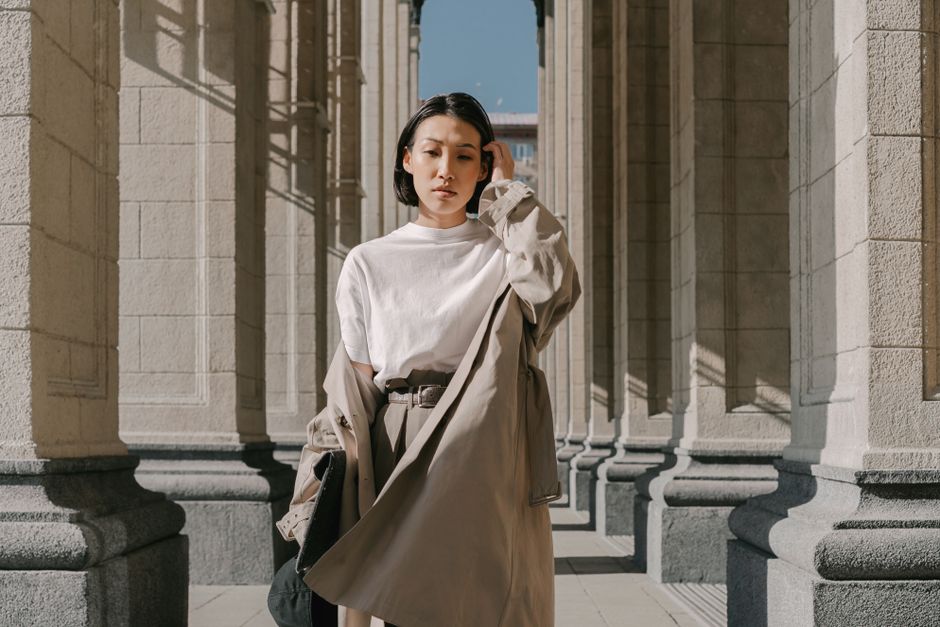
Do you actually need slip-on shoes?
Yes, and more than most guides emphasize. Shrines, temples, traditional restaurants with tatami seating, and all ryokan require removing shoes at the genkan. Lace-up boots create visible social friction when a queue of visitors is waiting behind you at the entrance. Any shoe you bring to Japan should slip on and off in under five seconds. This constraint — not temperature, not walking distance — narrows the footwear decision more than any other single factor on a Japan itinerary.
Does Japan’s plastic bag policy change what you pack?
Since 2026, Japan charges for plastic bags at convenience stores, supermarkets, and most retail shops. For a two-week trip involving any amount of depachika browsing, souvenir shopping, or daily Family Mart runs, the math adds up quickly. A packable tote that folds to wallet size earns its weight within the first two days. The Baggu Standard Bag at $14 is the most practical option: it holds a surprising volume, packs to nothing, and doesn’t look like a reusable grocery bag. This is the single most overlooked item in Japan packing guides.
Does color palette matter more in Japan than elsewhere?
Generally yes, in a practical rather than a judgmental sense. Tokyo’s fashion culture — particularly in neighborhoods like Ginza, Omotesando, and Shinjuku — skews toward well-fitted, neutral clothing. Loud graphic prints and heavily logoed pieces look noticeably out of place in certain contexts. A neutral palette of charcoal, navy, black, off-white, and camel creates more outfit combinations from fewer items and sits naturally within the aesthetic of most places you’ll spend time. This is a secondary benefit of capsule wardrobe logic, but it’s a meaningful one for Japan specifically.
The One-Shoe Rule
Bring one pair. Make it waterproof or water-resistant, slip-on, and built for 15,000-step days on cobblestone and gravel shrine paths. The Blundstone 500 and the Ecco Soft 7 are the two options most travelers land on — both slip on instantly, both hold up to light rain on temple grounds, and both pass muster at nicer restaurants. The Allbirds Tree Runner fails this test: not waterproof, sole depth insufficient for extended walking over uneven surfaces, and the casual silhouette reads underdressed in upscale contexts. Two pairs of shoes for a two-week carry-on trip doubles the volume problem without solving any real situation.
When the Capsule Method Actually Breaks Down
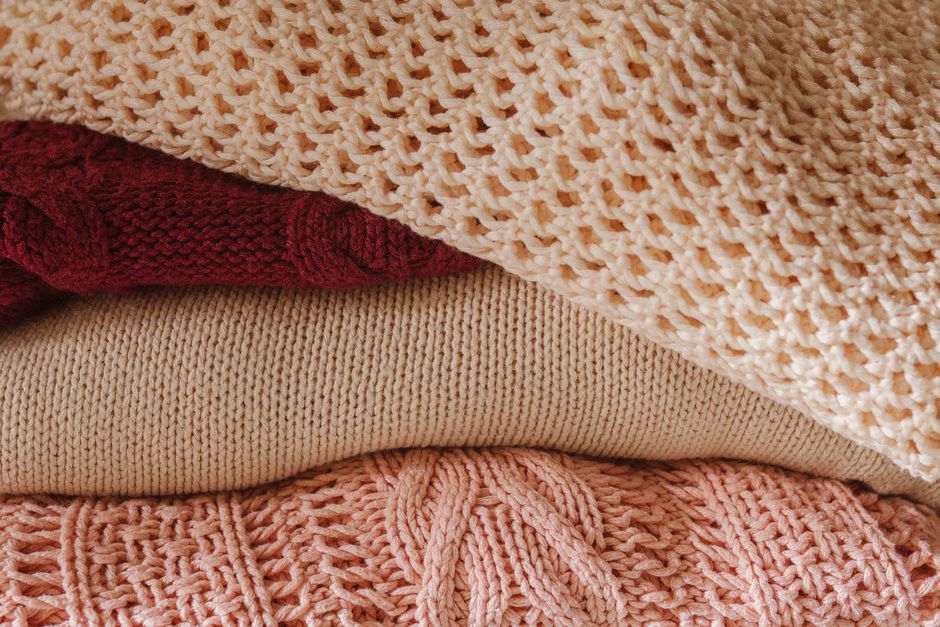
The 14-item list fails in one predictable scenario: formal obligations. A kaiseki dinner with a strict dress code, a business meeting, or a tea ceremony requiring specific attire — any of these introduces garments that don’t compress and don’t combine with the rest of the list. One formal outfit in a 40-liter bag typically occupies nearly half the available volume, and that math doesn’t work for a two-week trip.
The method also struggles for Hokkaido-heavy itineraries. Clothing for sustained -10°C and snowfall is bulkier than the Tokyo-Osaka list assumes. The practical workaround: buy a Uniqlo down coat in Tokyo at 5,000–8,000 yen for the Hokkaido segment, then leave it at your hotel’s front desk on checkout. Japanese hotel staff handle this gracefully — it’s common enough that most front desks in tourist areas expect it.
For everyone else doing the standard winter circuit — Tokyo, Kyoto, Osaka, Nara, Hiroshima — the list holds across the full two weeks. The method doesn’t require minimalist conviction or a tolerance for discomfort. It requires an honest accounting of what the trip actually demands, rather than everything it could theoretically demand on a hypothetical worst day.
As travel fabric technology keeps improving — merino-synthetic blends that compress further and regulate temperature across wider ranges — the physical weight of this kind of packing will only decrease. The underlying logic is unlikely to need revision.