Start in Singapore or Malaysia, then add Thailand or Vietnam once your travel rhythm is working. Solo female travel in Southeast Asia is manageable when you choose simple transport links, arrive during daylight, and treat safety as a daily routine instead of a personality test. You do not need to travel in fear, but you do need a plan for money, accommodation, phone access, and late-night movement.
Which Southeast Asian Route Is Best for a First Solo Trip?
The best first route is not the cheapest route on a map. It is the one that gives you clear transport, reliable accommodation, and enough English-language support to solve small problems quickly. A short route also leaves room for delays, bad weather, and days when you would rather sit in a cafe than change hotels.
Compare the easiest starting points
| Starting point | Best for | Typical daily budget | Main tradeoff |
|---|---|---|---|
| Singapore | First solo trip, simple transit, clean city breaks | $70-$120 | Higher accommodation and food costs |
| Kuala Lumpur and Penang | Affordable cities, food, rail and flight connections | $35-$70 | Traffic and uneven pedestrian infrastructure |
| Thailand | Large hostel network, beaches, social travel | $35-$80 | Busy nightlife areas and longer domestic transfers |
| Vietnam | Food, culture, strong value, compact city routes | $30-$65 | Chaotic traffic and harder street crossings |
| Indonesia | Yoga, beaches, nature, longer stays | $35-$80 | Traffic, ferry changes, and dispersed attractions |
For a first trip, choose Singapore for two or three nights, then continue to Kuala Lumpur or Penang. This gives you a low-friction arrival before you handle more crowded roads or less predictable transfers. Thailand works best when you want easy social contact through hostels and group activities. Vietnam is excellent for confident city travelers who can handle busy traffic. Indonesia rewards a slower pace; trying to cover Bali, Java, and the islands in one short trip creates unnecessary stress.
Bottom line: Singapore is the easiest first stop, Malaysia is the best value, Thailand is the easiest place to meet other travelers, and Vietnam offers the strongest mix of culture and cost.
How to Build a Daily Safety System That Actually Works
Solo travel becomes safer when you remove small points of uncertainty before they become urgent problems. Your system should protect four things: your location, your money, your phone, and your ability to leave an uncomfortable situation quickly.
Set up the day before leaving your room
Send your accommodation name and first destination to one trusted person. Screenshot the address in the local script, save the booking confirmation offline, and mark the route from the airport or bus station before you go. Check the weather, local holidays, and current government travel advice before taking a ferry, crossing a border, or visiting a remote area. Keep one bank card separate from your daily wallet, and carry only the cash you expect to use.
Use a three-part transport rule
For every move, decide how you will get there, what the backup option is, and what time you will stop traveling. Use official taxi desks, reputable ride-hailing apps, hotel-arranged transfers, or clearly metered taxis. Do not get into an unmarked car because the driver offers a cheaper fare. If a driver changes the destination, becomes aggressive, or refuses to use the agreed route, ask to stop at a busy hotel, shopping center, police post, or staffed transport hub.
Daylight arrival matters more than squeezing one extra destination into your itinerary. Book the first night in a well-reviewed property near a major road or transit stop, not a remote bargain room that saves $8. A private room is worth paying for on arrival night if it gives you a door lock, front desk coverage, and a reliable address.
Know the difference between caution and panic
Pickpocketing, overcharging, and unwanted attention are common travel annoyances, but they do not mean every stranger is a threat. Be polite, keep moving, and avoid explaining your entire itinerary to people you have just met. Trust the pattern of facts: a person blocking your exit, pressuring you to change plans, or insisting that only they can help deserves a firm no and distance.
What Gear Is Worth Packing for Solo Navigation?
My clear recommendation is a small day bag, a reliable power bank, and one discreet tracking device. Expensive anti-theft gear cannot replace awareness, but the right items reduce the three problems that ruin solo travel: losing your bag, losing phone power, and being unable to find your way back.
Choose the lightest bag that matches the trip
The Osprey Daylite Expandable Travel Pack 26+6 costs about $110 at its regular US price, weighs 1.85 pounds, and expands from 26 liters by another 6 liters. It is the best choice for a short city route because it stays compact on buses and has a suitcase-style opening. If you need built-in anti-theft features, the Pacsafe GO 44L anti-theft carry-on backpack costs $179.95, holds 44 liters, and measures 20.9 by 13.4 by 7.9 inches. It has lockable zippers, a slash-resistant strap, and an RFID-blocking pocket, but it is too large for casual sightseeing and too costly for a light weekend itinerary.
Protect phone access before buying extra security
The Anker Power Bank 10K Fusion with built-in cable costs about $52.99, stores 10,000mAh, and supports up to 30W output. That is enough for a full day of maps, translation, ride-hailing, and messaging, though a power bank never replaces charging it every night. An Apple AirTag costs $29, weighs about 11 grams, measures 31.9mm across, and has an IP67 rating. It can help locate a misplaced bag, but it is not a live emergency beacon and should not be treated as one.
Bottom line: Choose the Osprey for light travel, the Pacsafe for one-bag trips where theft resistance matters, the Anker for phone reliability, and the AirTag only as a recovery tool. Skip all four if buying them would leave you without travel insurance, emergency cash, or a working local data plan.
Five Booking Rules That Prevent Avoidable Problems

Good solo travel planning is mostly the removal of bad options. Use these rules before you confirm a room, tour, ferry, or overnight transfer.
Book the first two nights with a real arrival plan
- Choose accommodation with recent reviews, a staffed reception, clear check-in instructions, and a location you can reach without a remote walk.
- Arrive during daylight whenever the route is unfamiliar. A cheap late-night arrival can become expensive if you need a private transfer or emergency room.
- Use refundable bookings for border crossings, ferries, and domestic flights during storm or festival periods. A rigid itinerary can turn one delay into three lost reservations.
- Check the exact cancellation time, baggage rules, and pickup point. Screenshots should show the address, reservation number, and local phone number.
- Do not publish your room number, daily route, or solo status in public posts. Share those details privately with one trusted contact.
Do not choose a destination only because social media makes it look effortless. A beach town may have weak transport after dark, limited clinics, or long ferry gaps. A smaller itinerary with two or three bases usually gives you more freedom than a frantic list of six.
Solo Female Travel Questions That Deserve Straight Answers
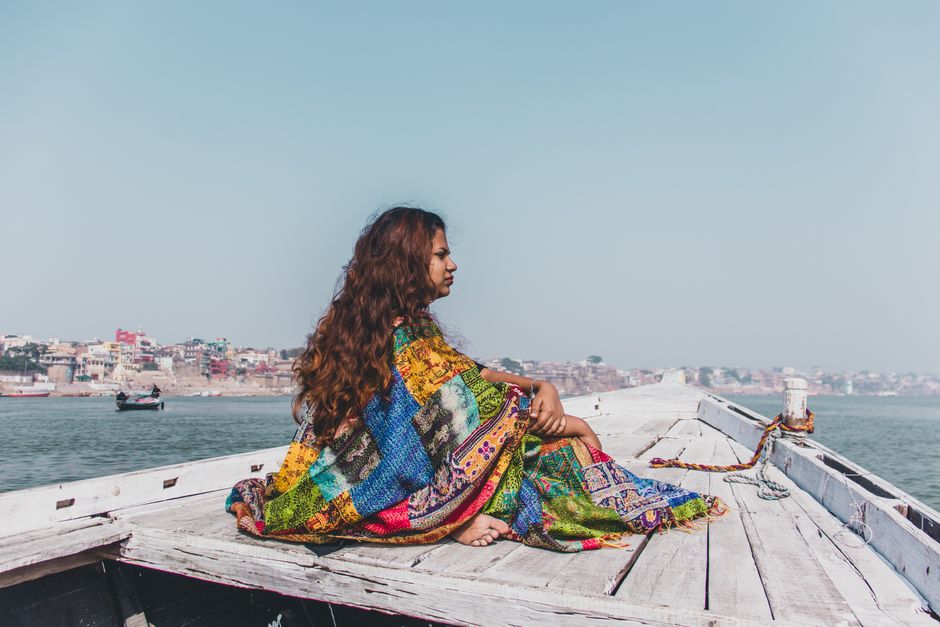
Is Southeast Asia safe for a woman traveling alone?
Many women travel through the region alone without serious trouble, but safety varies by city, neighborhood, transport type, and time of day. Start with places that have dependable transit and established accommodation networks. Read current government advisories before departure, especially for border areas, remote islands, protests, and regions affected by kidnapping or conflict. Safety advice should be specific to the route, not a blanket judgment about an entire country.
Should I stay in hostels or private rooms?
Choose a hostel when you want easy social contact, organized day trips, and a staffed front desk. Choose a private room when sleep, privacy, or a safer late arrival matters more. A female-only dorm can be a practical middle ground, but inspect recent reviews for locker quality, quiet hours, and access control. Never assume a high rating means the property suits solo travel.
How much independence is enough?
You can change plans, decline invitations, and leave a tour without giving a long explanation. The strongest solo travelers are not fearless; they keep enough money, battery, time, and information to make a different choice. A final money note: prices, exchange rates, and insurance terms change, so check the policy details before paying. This is not financial advice; it is practical travel-planning guidance.