You land at Narita. You’re hungry. You see a ramen shop with a vending machine outside. No menu in English. No idea how to order. And you’re holding chopsticks wrong. This is the reality for most first-time visitors to Japan. The food is world-class, but the rules around eating it are specific. Miss them, and you’ll get stared at. Follow them, and locals will appreciate the effort. This article covers the dishes you should not skip and the etiquette that keeps you from looking like a tourist.
Ramen: The Slurping Rule and Ordering Method
Ramen is not just noodles in broth. It’s a cultural institution. Each region has its own style: tonkotsu (pork bone) from Fukuoka, shoyu (soy sauce) from Tokyo, miso from Hokkaido. First-timers often order wrong or eat wrong.
How to Order at a Ramen Shop
Most ramen shops use ticket vending machines. You insert cash, press the button with the picture of the bowl you want, and hand the ticket to the chef. Some machines have English buttons. If not, point at the photo. You don’t need to speak Japanese.
Common options: kaedama (extra noodles, common in tonkotsu shops), ajitama (seasoned soft-boiled egg), chashu (pork slices). Expect to pay ¥800–¥1,200 for a standard bowl. Ichiran is a chain that works well for solo diners — booths with partitions, no talking required.
The Slurping Rule
Slurp loudly. It’s not rude. It shows you enjoy the food. Slurping cools the noodles and enhances the flavor. Do not chew with your mouth open in general, but slurping is the exception. If you eat silently, the chef might think you don’t like it.
What to Avoid
Do not dip your spoon into the communal broth pot. Do not leave your chopsticks standing upright in the bowl — that’s a funeral ritual. Rest them on the hashioki (chopstick rest) or on the edge of the bowl. Do not add too much garlic or chili oil before tasting the original broth. The chef balanced it already.
Chopstick Etiquette: Seven Rules You Must Follow
Most first-timers make at least two chopstick mistakes within their first meal. Here are the rules that matter.
- Never pass food from chopstick to chopstick. This mimics a funeral ritual where bones are passed between family members. Use the serving chopsticks instead.
- Do not point with chopsticks. It’s considered aggressive. Put them down if you need to gesture.
- Do not spear food. Chopsticks are for picking up, not stabbing. If you can’t pick it up, ask for a fork.
- Do not hover over dishes. Decide what you want before reaching. Hovering looks indecisive and messy.
- Use the opposite end for shared plates. If there are no serving chopsticks, flip your chopsticks and use the clean ends to take food from a shared dish.
- Do not stick chopsticks upright in rice. Already mentioned, but worth repeating. This is a dealbreaker.
- Rest them on the hashioki when not in use. If no rest is provided, place them on the edge of your bowl or on the paper wrapper folded into a small stand.
These rules apply at home, in restaurants, and at izakaya (Japanese pubs). Break them, and you signal that you don’t respect the culture.
Must-Try Dishes: A Practical Starter List
You cannot eat everything in one trip. Here are the dishes that deliver the most cultural return for your time and money.
| Dish | Best Place to Try It | Price Range | Key Tip |
|---|---|---|---|
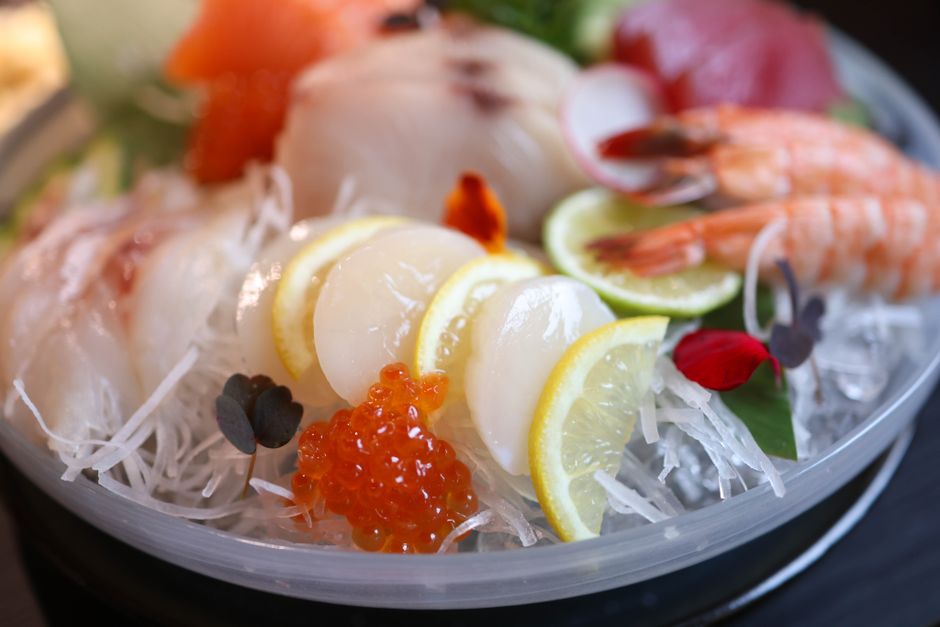
| Sushi (nigiri) | Tsukiji Outer Market (Tokyo) or a kaiten-zushi chain | ¥100–¥500 per plate | Eat with fingers, not chopsticks. Dip fish-side into soy sauce, not rice-side. |
| Tempura | Tenya (chain) or a specialty tempura shop | ¥1,000–¥2,500 for a set | Dip in tentsuyu (broth) with grated daikon radish. Eat immediately while crispy. |
| Okonomiyaki | Osaka (Dotonbori area) or Tokyo’s Tsukishima district | ¥800–¥1,500 | You cook it yourself on a hot plate at your table. Don’t flip it too early. |
| Takoyaki | Street stalls in Osaka or at festivals | ¥500–¥800 for 8 pieces | Let them cool. The molten center can burn your mouth. Use a toothpick. |
| Soba (buckwheat noodles) | Station soba shops or a dedicated soba restaurant | ¥500–¥1,200 | Slurp. Dip only a portion of the noodles into the tsuyu (dipping sauce). Do not dump the sauce into the noodles. |
| Matcha (green tea) and wagashi sweets | Kyoto (Nishiki Market or a traditional tea house) | ¥500–¥1,500 for a set | Eat the sweet first, then drink the matcha. The bitterness balances the sugar. |
Each dish has a specific eating method. Sushi is meant to be eaten in one bite. Tempura is dipped lightly. Okonomiyaki is eaten with a spatula, not chopsticks. Watch what locals do and copy them.
Izakaya Etiquette: How to Order and Pay
Izakaya are casual pubs where groups share small plates and drink. They are not bars and not restaurants — they are both. First-timers often get confused by the ordering system.
When you sit down, you will be given a wet towel (oshibori). Use it to wipe your hands, not your face or neck. Then you will be served a small appetizer (otoshi) — usually a simple dish like edamame or pickled vegetables. You did not order this. It costs around ¥300–¥500. It is not optional. This is a cover charge. Accept it.
Order drinks first. Beer is common: Asahi Super Dry, Sapporo, or Kirin Ichiban. Say “biiru kudasai” (beer please). For sake, order a karakuchi (dry) or amakuchi (sweet) variety. Do not pour your own drink — pour for others, and they will pour for you. Watch your glass: if someone pours for you, hold your glass with both hands as a sign of respect.
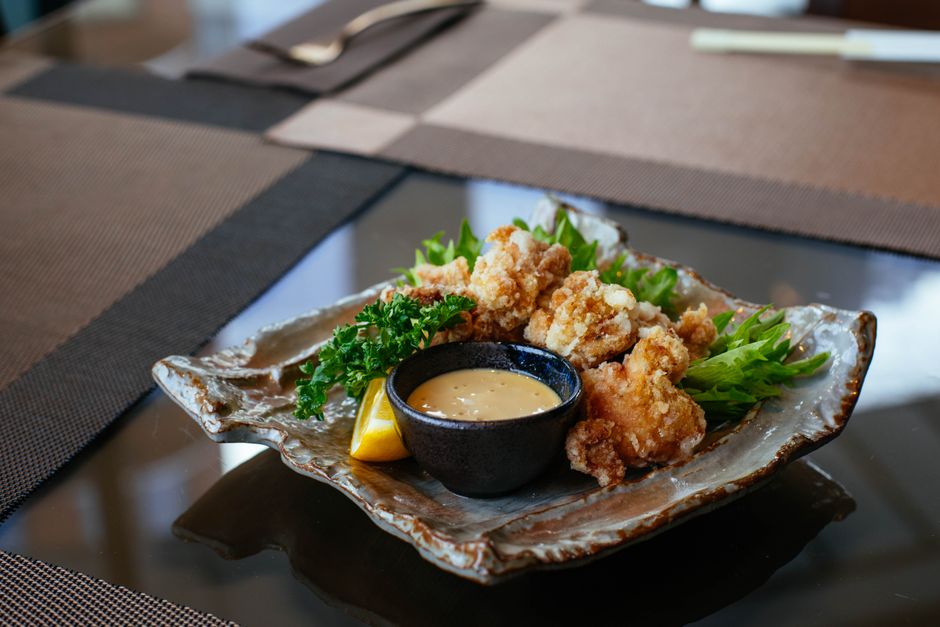
Food ordering is done in rounds. Order a few dishes at a time, not everything at once. Common izakaya dishes: edamame, yakitori (grilled chicken skewers), karaage (fried chicken), tamagoyaki (rolled omelette). Expect to spend ¥2,000–¥4,000 per person for a full evening.
When you are ready to leave, say “o-kaikei” (check please). Do not wave at the staff. Do not leave a tip — it is not customary and can be seen as insulting. Pay at the register, not at the table.
Onsen and Public Bath Etiquette: What First-Timers Get Wrong
Onsen (hot springs) are a must-try experience, but the rules are strict. Break them, and you will be asked to leave.
Rule one: no clothes in the bath area. Not even swimsuits. You enter the changing room, undress completely, and put your belongings in a locker. You take only a small towel (about 30cm x 30cm) into the bath area. That towel does not go into the water. You place it on your head or on the edge of the bath.
Rule two: wash thoroughly before entering. There are shower stations with stools, a bucket, and a handheld showerhead. Sit on the stool. Wash your entire body with soap. Rinse completely. Do not get soap into the onsen water. This is non-negotiable.
Rule three: no tattoos. Many onsens ban tattoos outright. Some allow small ones if covered with a patch. If you have visible tattoos, look for tattoo-friendly onsens in advance — places like Oedo Onsen Monogatari in Tokyo or Kinosaki Onsen in Hyogo are more lenient. Do not assume it’s fine.
Rule four: no diving, no swimming, no loud talking. Onsens are for relaxation. Speak in a low voice. Do not splash. Do not take photos. Do not bring your phone into the bath area.
After bathing, dry off completely before returning to the changing room. Use the small towel to pat yourself dry, then use a larger towel from the changing room. Do not drip water on the floor.
Onsen etiquette is not optional. It is a cultural requirement. Violations are taken seriously.
Common Mistakes and How to Avoid Them
Here is a short list of errors first-timers make repeatedly. Skip these and your trip will go smoother.
- Not carrying cash. Japan is still heavily cash-based. Many small restaurants, temples, and street stalls do not accept credit cards. ATMs at 7-Eleven and Japan Post work with international cards. Withdraw ¥20,000–¥30,000 at a time.
- Tipping. Do not do it. Service is included. Leaving money on the table will confuse or offend staff. If you want to show appreciation, say “gochisousama deshita” (thank you for the meal) as you leave.
- Eating while walking. In most cities, eating on the street is frowned upon. Finish your food at the stall or find a bench. The exception is ice cream and drinks. Do not walk while eating takoyaki or a sandwich.
- Not removing shoes. At temples, traditional restaurants, ryokan (inns), and many homes, shoes come off at the entrance. Look for a genkan (entryway) with a step. Step out of your shoes and turn them to face the door. Wear the indoor slippers provided — but remove those slippers before stepping onto tatami mats.
- Using your phone on trains. Set it to silent mode. Do not take calls. Do not watch videos without headphones. Do not talk loudly. The train car is a quiet zone.
The single most important takeaway: observe before acting. Watch what locals do at the ramen counter, in the onsen, and at the izakaya. Copy them. You will be welcomed for trying, even if you make small mistakes.