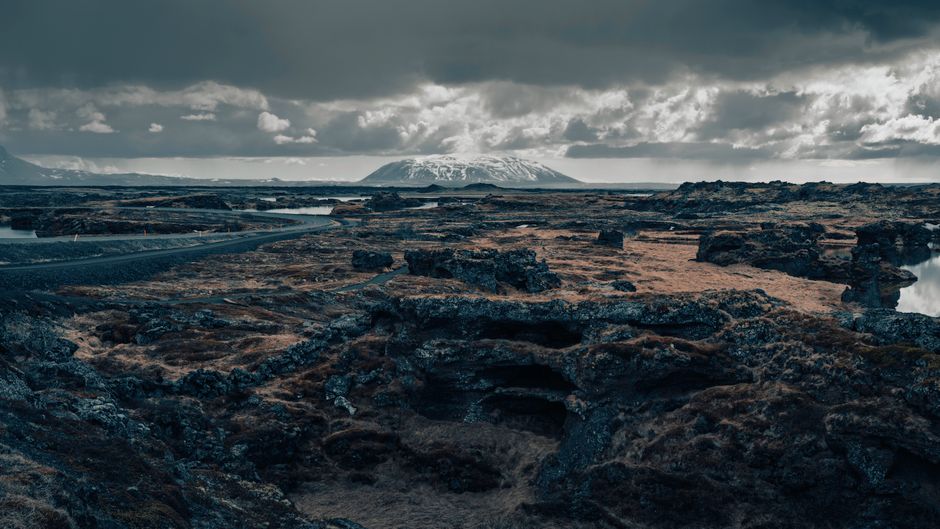
Most packing lists for Iceland in winter tell you to bring a “good waterproof jacket” and “warm layers.” That’s like telling someone to bring “a car” to a rally race. It’s technically correct but useless. I’ve done four two-week winter trips to Iceland — including a February stint where the wind hit 45 mph and the temperature dropped to -12°C. Here’s exactly what I pack, what I leave at home, and why most of those “essential” lists are wrong.
The Layer System That Actually Works
The biggest mistake? People treat layers as optional. In Iceland, your layer system is your survival kit. I use a strict three-layer setup and nothing more.
Base Layer: Merino, Not Cotton
Cotton kills. When it gets wet — from sweat or rain — cotton stays wet and pulls heat from your body. I wear Icebreaker 200 Oasis tops and bottoms ($80 each). The 200 weight is thick enough for -5°C but breathes well when you’re hiking. I pack two tops and one bottom for two weeks. You don’t need more. Wash one in the sink, wear the other.
Mid Layer: One Fleece, One Down
For active days — glacier hiking, snowshoeing — I use a Patagonia R1 TechFace fleece ($169). It’s grid fleece on the inside, smooth on the outside, and handles light wind. For stationary days — waiting for northern lights, driving — I swap to a Patagonia Down Sweater Hoody ($299). Down compresses smaller than synthetic and gives more warmth per gram. But it fails when wet, so only use it when you’re not expecting rain.
Shell: Waterproof, Not Just Water-Resistant
Iceland’s rain is horizontal. A water-resistant jacket will soak through in 20 minutes. I use the Patagonia Torrentshell 3L ($179). It’s 100% waterproof, has pit zips for venting, and packs into its own pocket. The hood fits over a helmet, which matters if you’re doing ice cave tours. Do not buy a fashion raincoat. Buy a shell with taped seams and a storm flap over the zipper.
Footwear: The Single Most Important Decision
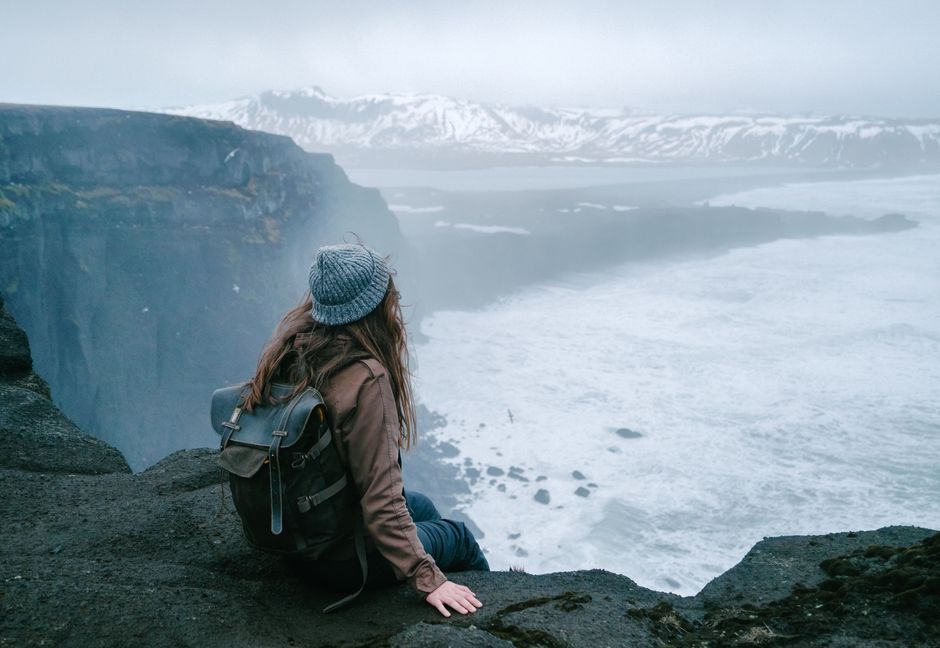
I see tourists in UGG boots and fashion sneakers slipping on ice every trip. Your feet will be wet, cold, and miserable if you get this wrong. Here’s what I’ve learned after destroying two pairs of boots in Iceland.
Waterproof boots with ankle support. I wear Merrell Moab 3 Mid WP ($130). They’re not glamorous. They work. The Vibram sole grips on ice better than most, and the Gore-Tex liner keeps feet dry through puddles and slush. I add Yaktrax Pro cleats ($22) for glacier walks. Without cleats, you will fall. It’s not if, it’s when.
For camp or town, I bring Darn Vermont Micro Crew Cushion socks ($24 for 2-pack). Merino wool, not cotton. I pack three pairs for two weeks. Wash one pair each night, hang them on the radiator. They dry by morning. Do not bring five pairs. You’ll just carry wet socks.
Accessories Most People Forget
This is where the generic lists fail. You can survive with a bad jacket. You cannot survive with wet hands and a frozen neck.
Gloves: Two Pairs Minimum
I bring Outdoor Research Alti II Mitts ($99) as my heavy pair. They’re down-filled, waterproof, and warm down to -20°C. For driving and photography, I use Smartwool Liner Gloves ($30). The liners fit inside the mitts, so I can take photos without freezing my fingers. If you only bring one pair of thick gloves, you’ll be stuck when you need to use your phone.
Neck and Face Protection
A scarf is useless in wind. I use a Buff Polar ($30). It’s a merino tube that covers my neck and can pull up over my nose. Combined with a beanie — I use Patagonia Brodeo Beanie ($35) — my entire head is covered except my eyes. That’s the goal. If any skin is exposed, the wind will find it.
What I Leave at Home (And What I Wish I Didn’t Bring)
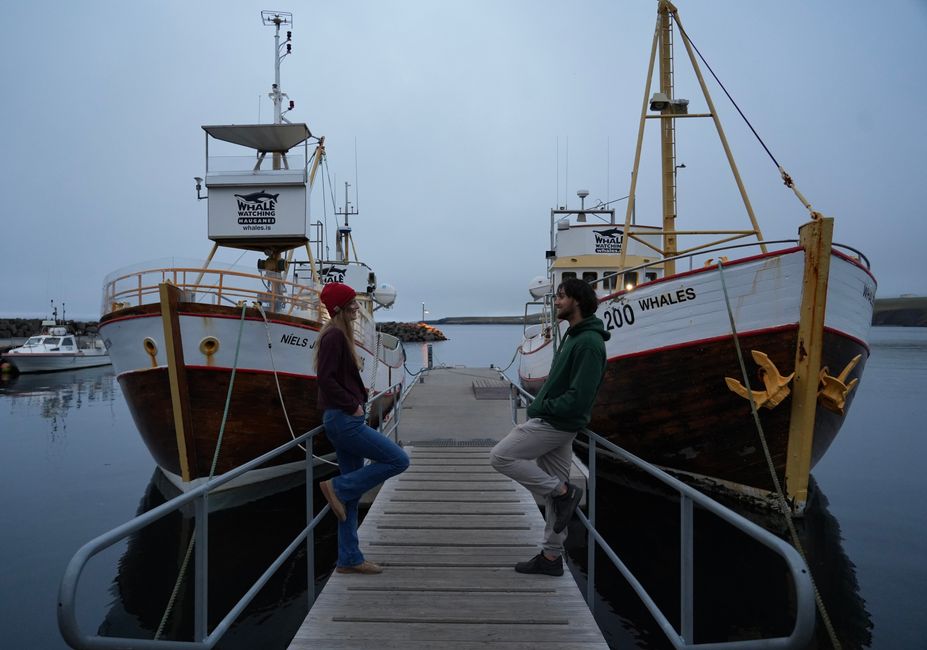
After four trips, I’ve learned what’s dead weight. Here’s the honest breakdown.
| Item | Why I Leave It | What I Bring Instead |
|---|---|---|
| Jeans | Heavy, wet, take 24 hours to dry | Columbia Silver Ridge hiking pants ($60) — dry in 2 hours |
| Cotton t-shirts | Same problem. Cold when damp. | Two Icebreaker 200 tops (already listed) |
| Heavy parka | Takes up half your luggage, only useful in -15°C | Shell + mid layer = same warmth, more versatile |
| Bath towels | Bulky, take forever to dry | PackTowel Personal ($20) — microfiber, packs to fist size |
| Multiple pairs of shoes | You’ll wear boots 90% of the time | Boots + one pair of Teva Ember Moc slippers ($70) for indoors |
One thing I wish I’d brought earlier: a buff or neck gaiter. I ignored it my first trip. By day three, my neck was raw from windburn. Now it’s non-negotiable.
Final Verdict: The 12-Item Core List
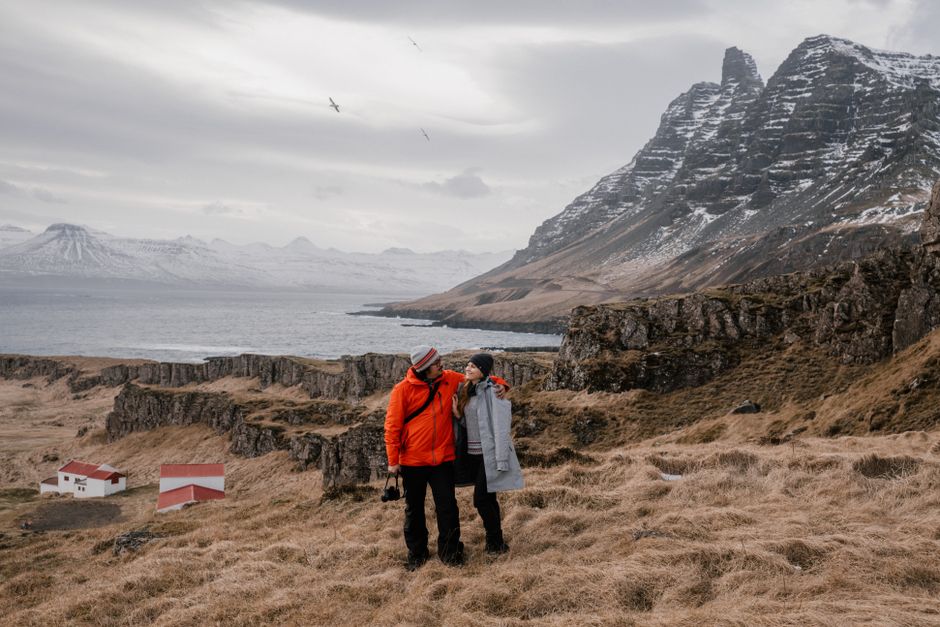
If you can only pack 12 items, here’s what I’d take for two weeks in Iceland in winter.
- Icebreaker 200 Oasis top (x2) — $80 each
- Icebreaker 200 Oasis bottom (x1) — $80
- Patagonia R1 TechFace fleece — $169
- Patagonia Down Sweater Hoody — $299
- Patagonia Torrentshell 3L jacket — $179
- Merrell Moab 3 Mid WP boots — $130
- Yaktrax Pro cleats — $22
- Darn Vermont Micro Crew socks (x3 pairs) — $36
- Outdoor Research Alti II Mitts — $99
- Smartwool Liner Gloves — $30
- Buff Polar neck gaiter — $30
- Patagonia Brodeo Beanie — $35
Total cost: roughly $1,180. That’s not cheap. But replacing a single item because you brought the wrong thing costs more in time and comfort. I learned that the hard way. Don’t be the person shivering in jeans at Gullfoss.