Golf Travel in Asia and Europe: What Gear You Actually Need
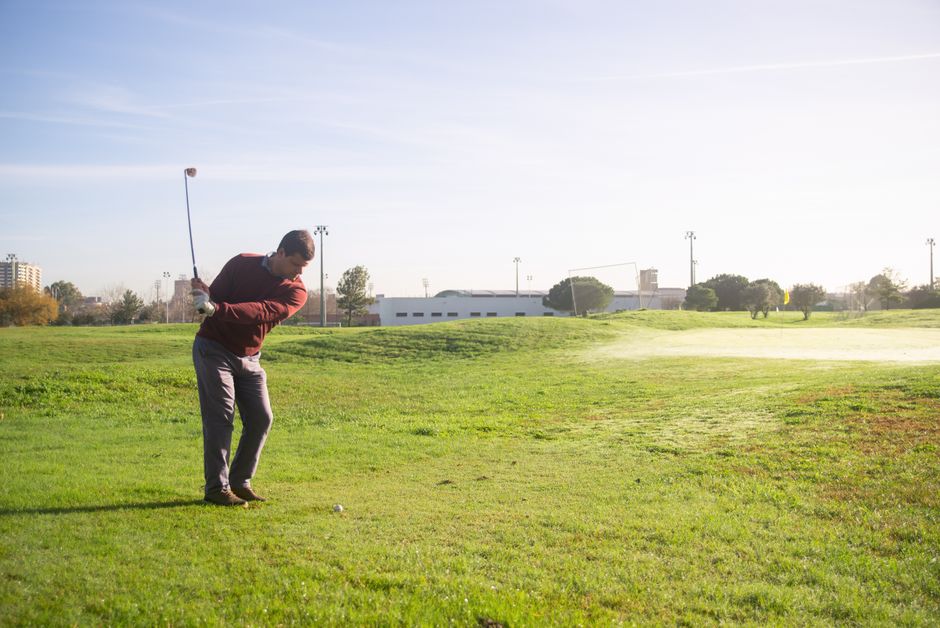
Playing golf on a foreign course changes how the game feels. The terrain is unfamiliar, the wind behaves differently, and the rental equipment at the pro shop is almost always a disaster. I’ve played rounds in Scotland, Portugal, Japan, and Thailand over the past several years, and the single best upgrade I made wasn’t a new set of irons — it was bringing my own slope-enabled rangefinder.
Top Golf Destinations in Asia and Europe Worth Planning a Trip Around
Not every golf trip abroad delivers the same experience. A week in the Algarve plays completely differently from a week in the Scottish Highlands or a weekend at a Jeju Island resort. Knowing what kind of course, terrain, and budget you’re dealing with before you arrive determines whether you show up prepared or spend the first two rounds figuring out what you walked into.
Here’s a practical breakdown of destinations I’d actually recommend — ranked not by prestige, but by what a traveling golfer actually experiences on the ground:
| Course / Club | Country | Terrain Type | Avg Green Fee (USD) | Best For |
|---|---|---|---|---|
| St Andrews Old Course | Scotland | Links, coastal wind, firm ground | $250–$310 | History and bucket list |
| Royal County Down | Northern Ireland | Links, elevated tees, blind shots | $200–$280 | Challenging links golf |
| Valderrama | Spain | Wooded, hilly, tight fairways | $280–$320 | Precision ball strikers |
| Quinta do Lago (South) | Portugal | Parkland, moderate elevation changes | $140–$200 | Value and warm weather |
| Hirono Golf Club | Japan | Parkland, undulating, pine-lined | $180–$250 | Course design and scenery |
| Blue Canyon Country Club | Thailand | Tropical, canyon-edge views | $80–$130 | Budget and warm climate |
| Nine Bridges Golf Club | South Korea | Mountainous, heavily sloped greens | $200–$300 | World-class elite experience |
| Banyan Golf Club | Thailand | Hilly, jungle-adjacent, scenic | $60–$110 | Hua Hin resort golfers |
Scotland and Ireland: Links Golf Done Right
If you’ve never played links golf, the Scotland-Ireland circuit should be your first international golf trip. Full stop. Courses like St Andrews, Carnoustie, Ballybunion, and Royal Portrush are routed across natural coastal landscape with no artificial shaping — just firm turf, deep rough, and wind that can shift 20 yards of carry in either direction mid-round.
The challenge isn’t just shot-making. It’s distance judgment under conditions that change hole to hole. A downwind par-4 might need a 3-iron off the tee to avoid running through the fairway. Into a headwind, that same hole plays like a completely different course. Knowing your exact carry yardage — not an estimate — matters more here than almost anywhere else in the world.
Booking tip: St Andrews Old Course allocates most tee times through a ballot system. Apply online at least a year in advance. Carnoustie and Kingsbarns Golf Links are easier to get onto and equally worth the trip.
Japan, South Korea, and Thailand: Asia’s Golf Scene Is Underrated
Japan’s golf culture is immaculate and serious. Caddies are mandatory at most private clubs, dress codes are enforced, and the courses themselves are in exceptional condition year-round. Hirono Golf Club near Kobe, designed by Charles Hugh Alison in 1932, is regularly cited as the finest course in Asia. The undulating fairways and multi-tiered greens make club selection surprisingly difficult — especially from awkward sidehill lies.
South Korea’s Nine Bridges, on Jeju Island, consistently ranks among the top 100 courses globally. It plays through mountainous terrain with dramatic elevation changes on approach shots — the kind of course where not having a slope-compensating rangefinder actively costs you strokes. Thailand’s Blue Canyon in Phuket hosted the Johnnie Walker Classic twice. It’s approachable, visually spectacular, and a fraction of European prices.
Why Renting a Rangefinder at the Course Is a Mistake
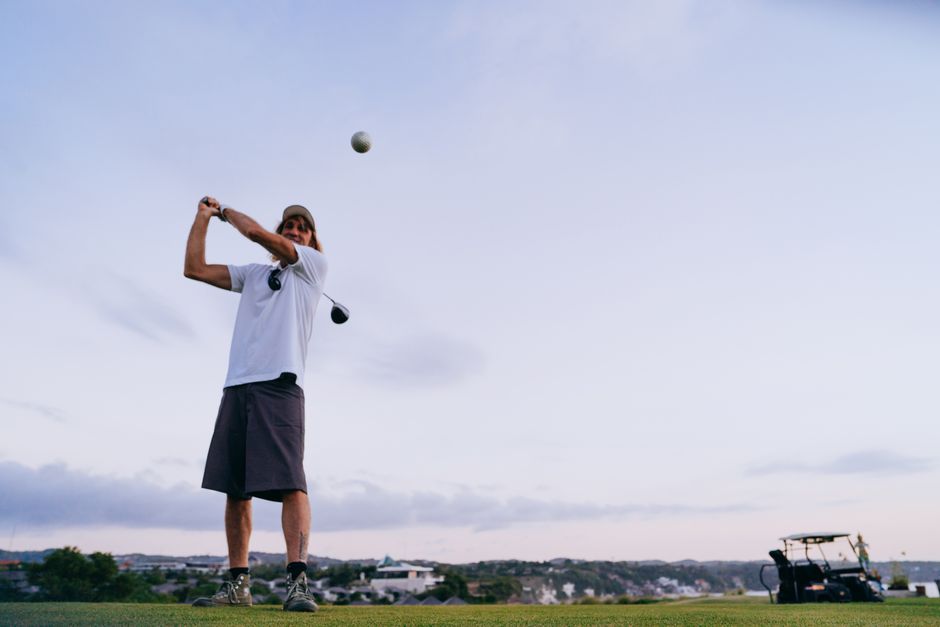
Rental rangefinders at golf clubs abroad are almost universally terrible. I learned this on a trip to the Algarve in Portugal — the rental unit at a well-regarded resort course had foggy optics, a dying battery, and couldn’t lock the flag on uphill approach shots. I guessed yardages for six holes before I gave up and handed it back. I three-putted twice because of it.
The problem isn’t just equipment quality. It’s that rental units are almost never slope-enabled. Courses in Europe and Asia that have any significant elevation change — and most of the interesting ones do — punish you for flat-yardage club selection. What reads as 155 yards on a rental unit might play like 170 yards when you’re hitting to a green that’s 20 feet above your feet.
What Specs Actually Matter When Traveling
For travel golf specifically, these are the specs that translate to real rounds:
- Range: Minimum 800 yards for reliable flag locking. For long par-5s and elevated tees, 1,000+ is better.
- Magnification: 6x or higher. Cheaper units use 4x, which struggles on blind-shot markers and small flag targets at distance.
- Slope compensation: Non-negotiable on hilly courses. Without it, you’re guessing on every elevated approach.
- Flag-lock feedback: Vibration confirmation that you’ve ranged the pin, not the tree behind it.
- Compact form factor: Anything bigger than a thick TV remote gets annoying in a travel bag.
The WOSPORTS H-116-1500 Golf Rangefinder covers all of these at $69.99. It ranges up to 1,500 yards, runs 6x magnification, has a slope toggle and vibration flag lock, and ships with a magnetic strap that clips directly to your cart or bag frame. That strap detail sounds minor — it isn’t. Not fumbling to find the rangefinder on every approach adds up over 18 holes.
When a Rangefinder App on Your Phone Actually Works
GPS golf apps like Golfshot or Arccos work fine on established courses with mapped GPS data. For standard green-center yardage, they’re adequate. But they don’t give you front/back pin placement in real time, they don’t compensate for slope, and they’re slower than a physical rangefinder by several seconds per hole. On a links course in a cold wind, digging out your phone 18 times is its own problem. For travel golf at any serious course, a dedicated rangefinder is cleaner and faster.
How Elevation and Slope Change Your Yardage on Foreign Courses
This is the part most casual golfers skip entirely, and it costs them at least 4–5 strokes per round on hilly courses.
The physics are straightforward. A golf ball hit uphill has to travel a longer effective distance to reach an elevated target — it loses carry height faster relative to horizontal progress. The opposite is true downhill. On flat ground, 150 yards is 150 yards. On a course like Nine Bridges in South Korea or Valderrama in Spain, a 150-yard shot to a green that’s 25 feet above you might genuinely require a 165-yard club. That’s two clubs of difference if you’re between a 7-iron and a 5-iron.
How Slope Compensation Is Calculated
A slope-enabled rangefinder measures the angle of inclination between you and the target, then applies a ballistic correction formula — the same math that tour caddies do in their heads, but done instantly. The result is a “plays like” yardage displayed alongside the raw distance. On the WOSPORTS H-116-1500, both numbers appear in the display simultaneously: raw distance and adjusted “plays like” distance.
So you might see: 148y / PL: 163y. That means the hole is physically 148 yards away, but due to uphill elevation, it plays like 163 yards. Club selection becomes straightforward. Without slope, you’re estimating — and on unfamiliar foreign courses where you have no historical reference for how greens play, estimating is expensive.
Tournament Legal vs. Slope Mode: What You Need to Know
Slope-enabled rangefinders are not legal for competition play under USGA or R&A rules unless the slope feature is physically disabled. The WOSPORTS H-116-1500 has a dedicated toggle to switch slope on and off, which means it’s legal for competitive rounds when set to flat mode. Most traveling golfers aren’t playing competitive events abroad — but if you’re joining a club day or guest competition at a Scottish links or Japanese private club, know how to turn slope mode off before you tee off.
Altitude Adjustment: The Forgotten Variable
Temperature and altitude both affect carry distance in ways most recreational golfers never account for. At higher elevations — courses in the Swiss Alps, parts of inland Japan, or the mountains of Central Europe — the thinner air reduces drag and the ball flies farther. A reliable rule of thumb: add approximately 1% of carry distance per 1,000 feet of elevation above sea level. At 5,000 feet, your 150-yard 7-iron carries closer to 157–158 yards. Most golfers at altitude fly every green for the first six holes before they realize what’s happening.
WOSPORTS H-116-1500 vs. Bushnell Tour V5 Shift: Is the Price Gap Worth It?
The Bushnell Tour V5 Shift retails at $299. It’s a better rangefinder — sharper optics, faster flag acquisition on moving targets in wind, and a more refined build quality that you can feel in your hand. If you’re playing 50+ rounds per year and want the best, buy the Bushnell.
If you’re a traveling golfer doing four to six international rounds annually, the math is different.
| Feature | WOSPORTS H-116-1500 ($69.99) | Bushnell Tour V5 Shift ($299) |
|---|---|---|
| Max Range | 1,500 yards | 1,300 yards |
| Magnification | 6x | 6x |
| Slope Compensation | Yes (toggle) | Yes (toggle) |
| Flag Lock Feedback | Vibration | Vibration + visual indicator |
| Magnetic Cart Strap | Included | Not included |
| Battery Type | CR2 | CR2 |
| User Rating | 4.3/5 (213 reviews) | 4.7/5 (2,000+ reviews) |
| Price | $69.99 | $299.00 |
The WOSPORTS closes roughly 80% of the performance gap at 23% of the cost. For travel specifically, there’s another factor: I’m not checking a $300 piece of glass through airport baggage. The WOSPORTS goes in my carry-on with zero anxiety. The H-116-1500 at under $70 is the right call for travelers who aren’t playing weekly competitive golf.
The One Packing Mistake Every Travel Golfer Makes
They throw the rangefinder loose in a side pocket, it bounces around in luggage for eight hours, and it stops holding calibration or the display gets rattled. Use the hard case it ships with. Every time. That’s it — there’s nothing more complicated about packing a rangefinder for travel than that one step.
Using a Trail Camera to Capture Wildlife on Golf Courses Abroad
This sounds niche until it happens to you. Golf courses in Asia and Europe regularly produce some of the most memorable wildlife encounters I’ve had anywhere — red kites circling over Welsh links, Japanese macaques crossing the rough near a Kyoto-area course, monitor lizards warming themselves on cart paths in Thailand, and red deer appearing on the hillside at Cabot Highlands in Scotland. Most people grab their phone, get a blurry shape at 150 feet, and move on.
Here’s a better approach, especially if you’re staying at accommodation near forested course boundaries or on resort grounds with natural habitat adjacent:
- Set up a motion-activated trail camera the evening before facing a water hazard edge, tree line, or natural animal crossing near your accommodation.
- Check the pre-dawn footage before your tee time — most large wildlife moves between 5am and 7am, well before the first groups go out.
- Position the camera at knee height facing slightly downhill for better frame coverage on animals crossing low ground.
- Use night vision mode overnight; switch to standard photo mode before dawn for color accuracy.
- Review footage sorted by category — if the camera uses AI animal classification, you can skip directly to deer, bird, or mammal folders without scrubbing hours of empty frames.
The WOSPORTS Trail Camera with AI sorting shoots 48MP stills and 4K video with sound, includes night vision, and automatically classifies footage by animal type. At $59.99, it packs into the same carry-on as the rangefinder without meaningful size or weight trade-offs. The IP66 waterproof rating means a night left out in the Scottish Highlands isn’t a problem.
Courses With the Most Consistent Wildlife Sightings
- Waterville Golf Links, Ireland — Atlantic seabirds, otters near the estuary running alongside the back nine
- Kingsbarns Golf Links, Scotland — red foxes, brown hares, and regular raptor sightings over the sea holes
- Cabot Highlands, Scotland — red deer visible from multiple elevated tee boxes at dawn
- Black Mountain Golf Club, Thailand — hornbills, tropical kingfishers, and monitor lizards near the lake holes
- Banyan Golf Club, Hua Hin — macaques near the forested sections of the back nine, especially at early tee times
One Rule: Only Set It Where You Have Permission
A trail camera on public course land without explicit club permission gets confiscated fast. Keep it on your accommodation grounds, a rental villa garden, or anywhere you have clear rights to place equipment. Arriving at the pro shop on day one to sort out a confiscated camera is not how you want to start a golf trip to Japan.
For a travel golfer heading to Asia or Europe in 2026, the clearest equipment upgrade is a slope rangefinder that fits in a carry-on — and the WOSPORTS H-116-1500 at $69.99 is the specific pick for anyone who doesn’t want to spend $300 on a Bushnell they’re terrified to lose in transit.