Travel planning for 2026 requires a more calculated approach than in previous years. We are seeing a distinct shift in how global tourism operates, moving away from the crowded, high-cost hubs of Western Europe and toward what many researchers call ‘destination dupes’ or secondary-tier cities. Inflation has stabilized in some regions but remains a variable that can quickly erode a vacation fund if you aren’t looking at the right data points. If you are trying to maximize the value of your currency, the strategy is no longer just about finding the cheapest hostel; it is about identifying regions where the local infrastructure has matured enough to offer comfort without the ‘over-tourism tax’ found in places like Venice or Kyoto.
Top budget destinations in Europe for 2026
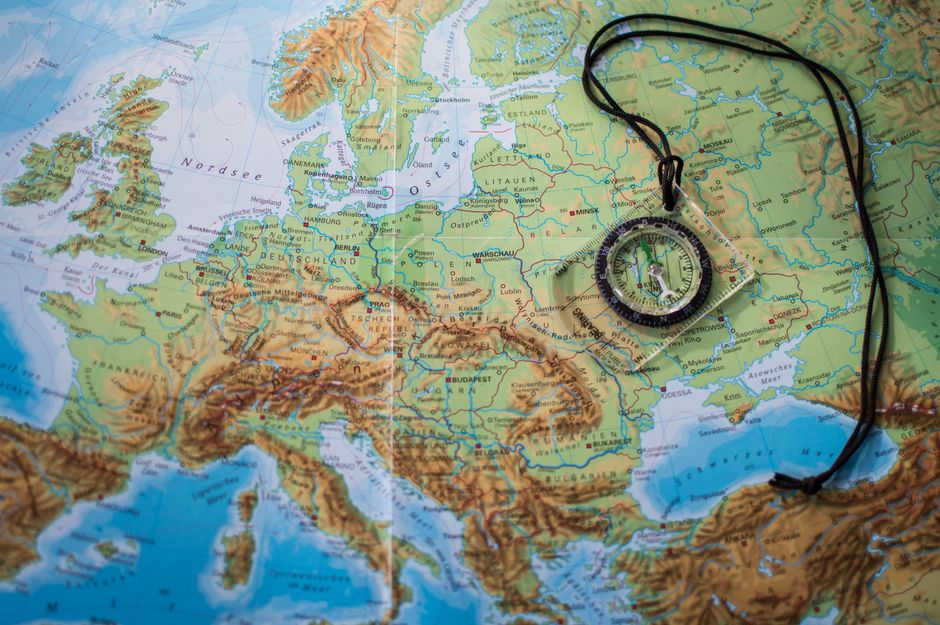
Europe remains the most requested region for travelers, but the cost of the ‘Big Three’—London, Paris, and Rome—has pushed many mid-range travelers into a different bracket. For 2026, the data points toward the Balkan Peninsula and Central Europe as the primary zones for high-value experiences. These areas provide the historical depth and architectural beauty of Western Europe at a fraction of the daily spend. When we look at the cost of a three-course meal or a night in a boutique hotel, the disparity is startling.
The Rise of the Albanian Riviera
Albania has transitioned from a ‘hidden gem’ to a legitimate contender for the best value in the Mediterranean. By 2026, improved flight connections to Tirana and the development of the Vlora International Airport will make the southern coast even more accessible. However, the costs remain significantly lower than neighboring Greece or across the water in Italy. A traveler can expect to find high-quality beachfront accommodation in Saranda or Ksamil for approximately $45 to $70 per night, even during the shoulder seasons of May and September. The logistical trade-off is the public transport system, which relies heavily on ‘furgons’ (minibuses) that don’t always follow a digital schedule. If you are someone who needs a precise itinerary, renting a car is a necessity here, though even with rental costs, the total trip expenditure remains low.
Poland: The Cultural Value King
While many travelers flock to Prague, Krakow offers a nearly identical aesthetic and historical experience for about 30% less. Poland has managed to maintain a very high standard of living and tourism infrastructure while keeping prices for dining and local transport remarkably stable. Cities like Gdansk on the Baltic coast are particularly undervalued. You can spend a day exploring the Museum of the Second World War—one of the best-designed museums in the world—and follow it with a high-end pierogi dinner and local craft beer for under $25. The Polish rail network is another highlight; it is efficient, clean, and incredibly cheap if booked a few weeks in advance. For those working remotely, Poland’s internet speeds are among the most reliable in Central Europe, making it a top choice for digital nomads in 2026.
| Destination | Estimated Daily Budget (Mid-Range) | Local Beer Price | Primary Value Factor |
|---|---|---|---|
| Saranda, Albania | $55 – $85 | $2.00 | Pristine beaches, low-cost seafood |
| Krakow, Poland | $65 – $95 | $3.50 | Efficient transport, historical depth |
| Tbilisi, Georgia | $50 – $80 | $2.50 | World-class wine, mountain access |
Affordable Asian hubs for long-term travelers and nomads
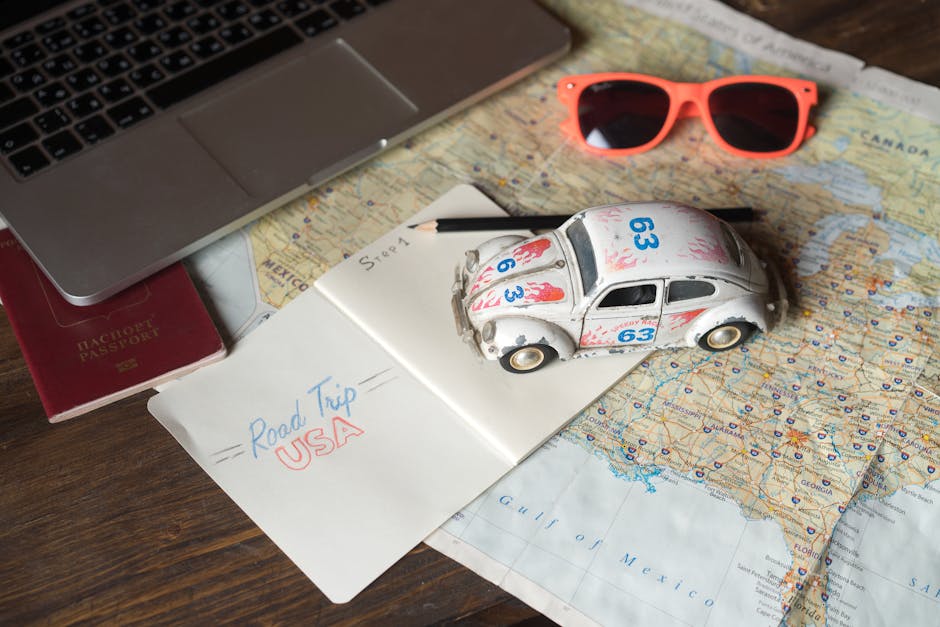
Asia has long been the gold standard for budget travel, but the landscape is changing. Traditional favorites like Thailand have seen price increases in major hubs like Phuket and Bangkok. To find the best value in 2026, travelers are looking further north and west. The focus is shifting toward countries that have invested heavily in their tourism soft power—specifically Vietnam and Uzbekistan. These nations offer a depth of experience that rivals any European destination but at a cost basis that allows for much longer stays.
Vietnam’s Continued Dominance
Vietnam remains one of the few places where a $50 daily budget doesn’t just get you by; it allows you to live quite well. The key for 2026 is to look beyond Hanoi and Ho Chi Minh City. Central Vietnam, particularly Da Nang and the surrounding areas, offers a perfect balance of modern amenities and traditional culture. The cost of a ‘Banh Mi’ on the street is still under $1.50, and a high-speed fiber internet connection in a co-working space is standard. One specific recommendation for 2026 is the Ha Giang Loop in the north. While it has become more popular, the cost of a multi-day guided motorbike tour is still roughly $40-$60 per day, including food and lodging. It is a world-class landscape that remains accessible to those on a strict budget.
The Silk Road Value in Uzbekistan
Uzbekistan is the most exciting ‘new’ budget destination for 2026. Since the liberalization of its visa regime, the country has become significantly easier to navigate. The high-speed Afrosiyob train connects Tashkent, Samarkand, and Bukhara, making the legendary Silk Road sites accessible without the need for expensive private drivers. Architecture that rivals the Taj Mahal can be seen for a few dollars in entrance fees. Food is another area of incredible value; a massive plate of Plov (the national rice dish) and tea will rarely cost more than $4. The main hurdle is the language barrier, as English is not yet as widely spoken as in Southeast Asia, but the hospitality of the local population often bridges that gap.
Pro Tip: When traveling in Uzbekistan, use local ride-hailing apps like Yandex Go. They provide fixed pricing that prevents the “tourist tax” often encountered with street taxis, and the rates are incredibly low—often less than $2 for a 15-minute cross-town trip.
Essential gear and software for low-cost international travel
Budget travel isn’t just about where you go; it’s about the tools you use to manage the journey. In 2026, the difference between a stressed traveler and a savvy one often comes down to the gear they pack and the software they use to protect their finances and data. Investing in high-quality, multi-functional items can actually save you money in the long run by avoiding baggage fees and emergency replacements.
Technical Apparel for Every Climate
Packing light is the easiest way to save $50 to $100 per flight on budget airlines. To do this, you need clothing that can be worn for multiple days without looking or smelling like it. One brand that stands out is Wayre. Their Jetsetter Trousers (approximately $115) are a significant upfront investment, but they are made from a technical silk-like fabric that is spill-resistant, wrinkle-resistant, and odor-resistant.
- Pro: You can literally wash them in a hotel sink and they will be dry in two hours.
- Con: The initial cost is high compared to standard fast-fashion travel pants.
Similarly, a pair of high-quality walking shoes is non-negotiable. The Reebok Nano series (approx. $100-$130) has evolved into a great travel crossover shoe. They are stable enough for a light hike in the Albanian mountains but stylish enough to wear into a bistro in Krakow.
- Pro: Extremely durable sole and wide toe box for long walking days.
- Con: The aesthetic is still somewhat ‘sporty,’ which might not suit every traveler’s style.
Software for Security and Budgeting
Managing your digital footprint is as important as managing your physical luggage. When you are hopping between public Wi-Fi networks in hostels and cafes, a VPN is a mandatory tool. NordVPN (approx. $3.50/month on a 2-year plan) is the industry standard for a reason. It allows you to access your home banking apps securely and can even help you find cheaper flights by masking your location to regions with lower pricing.
- Pro: Large server network ensures high speeds even in remote areas like Uzbekistan.
- Con: The interface can be a bit cluttered with features you might not need.
For financial management, YNAB (You Need A Budget) (approx. $15/month) is highly effective for long-term travelers. Unlike simple expense trackers, it forces you to ‘give every dollar a job,’ which prevents the slow ‘budget creep’ that often happens during the second month of a trip.
- Pro: Excellent syncing across devices and handles multiple currencies well.
- Con: It requires a proactive commitment to data entry that some travelers find tedious.
How to calculate your daily budget for 2026 trips
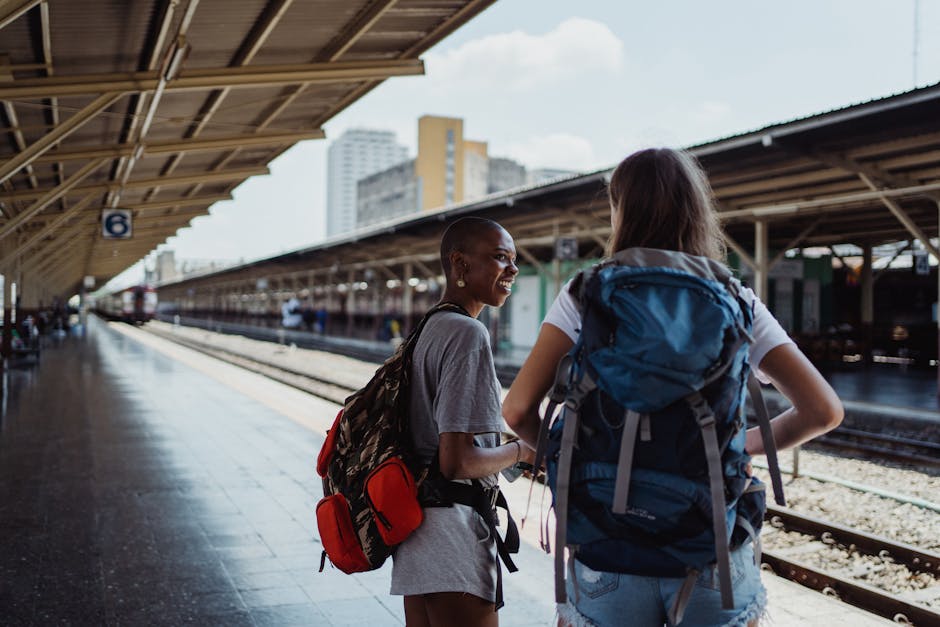
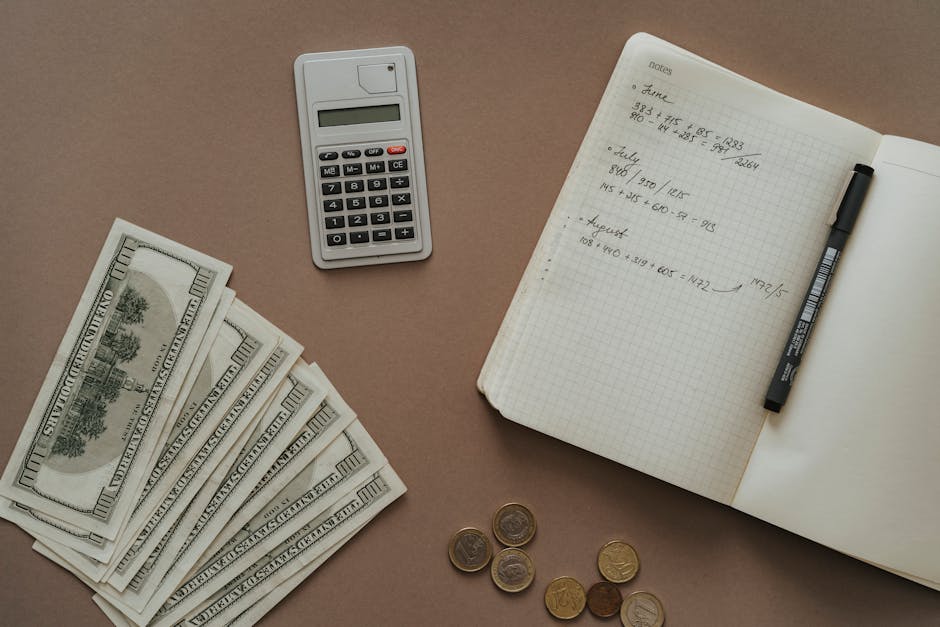
The most common mistake travelers make is using outdated ‘daily cost’ averages from blogs written three or four years ago. To get an accurate number for 2026, you need to use a bottom-up calculation method. This involves breaking your costs into three distinct tiers: fixed daily costs, variable experience costs, and the ‘buffer’ fund. By analyzing these components individually, you can create a realistic financial roadmap that accounts for the specific economic conditions of your chosen destination.
The Three-Tier Budgeting Method
First, identify your fixed daily costs. This includes your accommodation and three basic meals. In a place like Colombia, this might be $35. In Poland, it might be $50. Once you have this baseline, you add your variable costs. These are the things that make the trip worth taking—museum entrance fees, guided tours, or that specific wine-tasting excursion in Georgia. I recommend allocating a ‘daily average’ for these, even if you only do them every other day. For 2026, a safe variable allocation is $20 per day for budget travelers and $45 for mid-range. Finally, the buffer fund is a 15% markup on the total to account for fluctuating exchange rates and the inevitable ‘I’m tired and just want a taxi’ moments.
Leveraging Travel-Inspired Home Decor
When you aren’t on the road, maintaining the travel mindset can help you stay disciplined with your savings. Many travelers are now using their homes as a ‘vision board’ for their next big trip. Sites like Minted offer high-quality custom maps and travel-themed art (approx. $50-$200) that serve as a constant reminder of your 2026 goals.
- Pro: High-quality printing and framing options that look professional.
- Con: Custom work can take several weeks for delivery.
If you are a digital nomad, your home office setup is also a part of your travel budget. Investing in a compact, portable monitor or a high-quality ergonomic chair for your home base can increase your productivity, allowing you to earn more and travel longer. The ‘homebody’ phase of a traveler’s life is just as important as the ‘explorer’ phase for long-term financial sustainability.
Ultimately, budget travel in 2026 is about being a deep researcher. It is about understanding that the ‘cheapest’ flight often lands at an airport two hours away from the city, costing you more in transit than you saved on the ticket. It is about knowing that a $120 pair of technical trousers that lasts five years is cheaper than three pairs of $40 jeans that tear after one season. By focusing on secondary destinations and high-quality gear, you can see more of the world without compromising on the quality of the experience.