Sapporo and Otaru are often treated as a quick city break, but that plan misses the point. Sapporo is not simply a base for Otaru, and Otaru is not just a canal photo stop. The two cities offer different sides of Hokkaido: Sapporo feels broad, modern and energetic, while Otaru is compact, historic and shaped by the sea.
The most useful approach is to spend three nights in Sapporo and make Otaru a carefully timed day trip. That gives enough room for major sights, local food, weather changes and slower mornings without packing every hour.
How many days do Sapporo and Otaru need?
Four days is the best starting point for seeing both cities without turning the trip into a sequence of train platforms. Two days can cover the highlights, but the schedule becomes tight. Five or six days works better for travelers adding mountain walks, hot springs or a second coastal town.
| Day | Base | Morning | Afternoon | Evening |
|---|---|---|---|---|
| Day 1 | Sapporo | Arrive and settle in | Odori Park and the central streets | Local dinner near the city center |
| Day 2 | Sapporo | Historic buildings and a market visit | Hokkaido Shrine or a hilltop view | Susukino after dark |
| Day 3 | Otaru | Train to Otaru and canal walk | Sakaimachi Street and the old port area | Return to Sapporo or stay for dusk |
Why Sapporo deserves three nights
Sapporo spreads across a large urban area, so the map can look easier than the trip feels. One attraction may sit several blocks from the next, and winter snow can slow a walk that would take ten minutes in summer. Three nights create room for the central parks, historic sites, food neighborhoods and one view from higher ground.
The city also works as a weather buffer.
Why Otaru works best as a day trip
Otaru is small enough to explore on foot once the train arrives. A half-day is possible, but it forces rushed meals and leaves little time for side streets.
The clear verdict is simple: keep Sapporo as the main base unless the trip includes a special Otaru evening event or a strong preference for a quieter waterfront stay.
How to travel between Sapporo and Otaru without wasting time
The easiest route is the direct railway connection from Sapporo Station to Otaru Station. The journey usually takes roughly 35 to 45 minutes, depending on the service and stops. It is short enough for a day trip, but the morning departure still matters because Otaru becomes busier from late morning onward.
Step 1: Leave Sapporo after breakfast
Plan to reach the station before the main sightseeing rush. A departure around 8:00 or 9:00 gives enough daylight for the canal, old streets and a relaxed lunch. In winter, leave extra time to walk across icy platforms and find the correct track. Train displays can be easy to miss when several services use nearby platforms.
Step 2: Walk from Otaru Station toward the canal
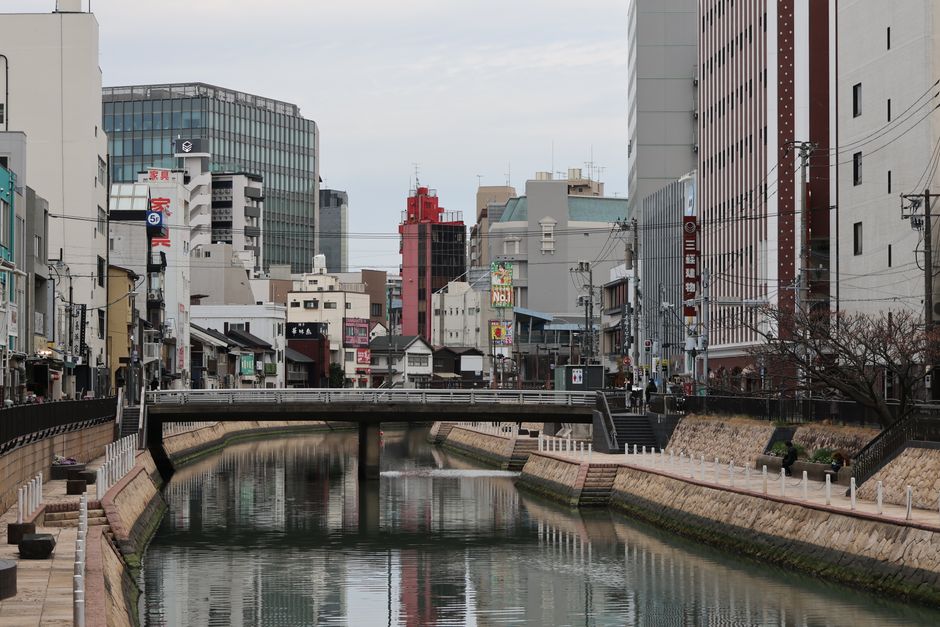
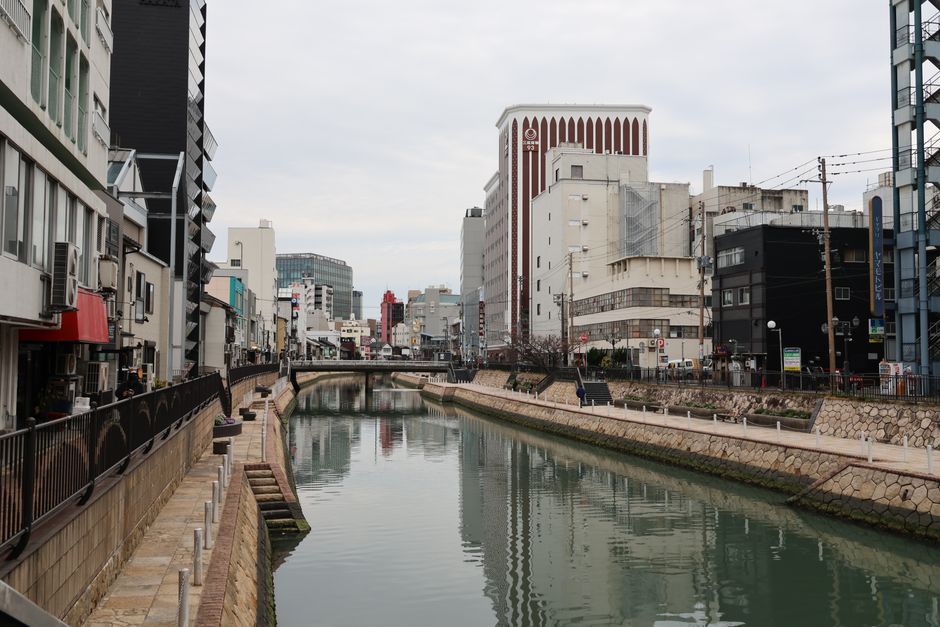
Otaru Station sits inland from the waterfront. The main road leads downhill toward the canal, so the route is easy to follow. Walk slowly rather than treating the road as a direct transfer. Side streets reveal old stone buildings, small workshops and views of the port that are absent from the busiest tourist strip.
Start at the canal area, then move inland along Sakaimachi Street. This order reduces backtracking and places the most open waterfront views earlier in the day. If the weather is clear, continue toward the old port edge before returning to the central streets.
Step 3: Return before the final rush
Do not wait until the last possible train if the return journey matters. Snow, rain and crowded platforms can make a short trip feel longer. A return in the late afternoon leaves time for dinner in Sapporo, while staying until dusk gives the canal a different atmosphere but reduces flexibility.
Travelers with large luggage should avoid carrying it through Otaru all day. Use luggage storage where available, or leave bags at the Sapporo accommodation before departure.
What to eat in Sapporo and Otaru: a simple local-food plan
Do not build the trip around one famous dish. Hokkaido food is best understood through contrast: warm meals for cold weather, seafood from the northern coast, dairy-based desserts, grilled ingredients and strong regional flavors. Three deliberate food stops each day are enough.
- Start with a filling breakfast. Choose a market meal, rice with seafood, grilled fish or a warm soup. Early meals help on the Otaru day because popular restaurants can develop long queues later.
- Try miso ramen in Sapporo. Sapporo is closely associated with miso-based ramen, but restaurants vary in richness, toppings and serving size. For a first bowl, choose a place with a short menu and visible local traffic rather than chasing the longest queue.
- Make room for soup curry. This is a different experience from ramen: a spiced broth with vegetables, meat or seafood served with rice. Ask for the spice level before ordering, especially if the meal follows a long walking day.
- Eat seafood in Otaru earlier than expected. Seafood rice bowls, grilled fish and fresh shellfish are common reasons to visit the city. Morning or early lunch is the safest time for choice. By mid-afternoon, some small counters may have limited portions.
- Use one evening for shared dishes. In Sapporo, an izakaya-style meal lets a group sample grilled items, pickles, seafood and seasonal vegetables. Ordering several small plates creates a better sense of local food than choosing one oversized meal.
- Keep dessert flexible. Hokkaido is known for rich dairy products and soft desserts, but cold weather can make a heavy sweet course less appealing. A small portion during an afternoon walk is easier to enjoy than saving every treat for the end of dinner.
Food mistakes usually come from eating only near the most photographed attraction. Walk two or three blocks away, check the menu outside and avoid any place that cannot explain basic ingredients or allergy information.
The strongest food verdict is this: make Sapporo the place for variety and Otaru the place for seafood and waterfront atmosphere. That division gives each city a distinct purpose.
What can go wrong on a Sapporo and Otaru trip?
Should Otaru be visited in the afternoon?
It can, but it is not the best choice for a first visit. If the schedule allows only an afternoon, focus on the canal and one nearby street rather than trying to cover the whole city.
Is winter too difficult for walking?
Winter is manageable when the day is planned around short outdoor sections. Wear shoes with firm grip, keep hands free for balance and avoid tight connections after heavy snow. Snow can make a route look charming while hiding uneven pavement, so the safest pace is slower than the map suggests.
Should the trip include a mountain or coastal excursion?
Only if there are at least five days. Adding another distant stop to a four-day itinerary creates a transport-heavy trip and leaves little time for Sapporo itself. A nearby viewpoint or shrine provides a better change of scenery without sacrificing a full city day.
What is the most common planning mistake?
The most common mistake is treating travel time as empty time. A direct train may take less than an hour, but getting to the station, finding the platform, storing luggage and walking from the destination station can add another hour around it. Build the day around neighborhoods, not isolated pins on a map.
When should Otaru not be included?
Skip Otaru if the trip has only one full day in Hokkaido, if the arrival and departure times already consume two days, or if the weather forecast suggests severe conditions and the priority is museums and indoor dining. In those cases, Sapporo offers a more complete experience with less logistical risk.
For a first-time visitor, Otaru is worth the day trip when there is enough daylight and the route remains simple. It is not worth forcing into a short schedule just because it appears close on a map.
Where should you stay: Sapporo or Otaru?
Stay in Sapporo for the main trip. The city has more transport options, more evening choices and better backup plans when the weather changes. It also makes departure morning easier when flights or long-distance trains leave from the wider transport network.
Choose Otaru for atmosphere
Otaru makes sense for travelers who value quiet streets, older buildings and a waterfront setting more than nightlife or transport flexibility. An overnight stay allows a slower canal walk after day-trippers leave. The tradeoff is a smaller evening selection and a less convenient departure connection.
Use this final decision rule
Choose Sapporo when convenience, food variety and flexible sightseeing matter most. Choose Otaru when the trip is longer and the waterfront mood matters more than efficiency. The opening misconception was that Otaru is merely a quick photo stop beside Sapporo. It is better understood as a compact coastal counterpoint to the capital: visit it with a full day, then return to Sapporo with enough time to enjoy the city that makes the wider Hokkaido trip practical.