Trying to fit Rio de Janeiro into a short trip can create a familiar problem: the map looks manageable, but beaches, hills, viewpoints and neighbourhoods sit farther apart than expected. The best plan is not a checklist of famous places. It is a route built around geography, daylight and the kind of day being planned. Rio rewards slow starts, early viewpoints and neighbourhood choices that reduce unnecessary crossings of the city.
Where should visitors stay in Rio de Janeiro?
Copacabana, Ipanema and Leblon
For a first visit, the beachfront districts offer the clearest base. Copacabana has the widest range of streets, restaurants and transport connections, but it also feels busier and more urban. Ipanema is easier to enjoy on foot, with a strong beach culture and a more polished evening atmosphere. Leblon is quieter and more residential, although its location works best for travellers who plan to spend most days in the southern zone.
Santa Teresa, Lapa and Botafogo
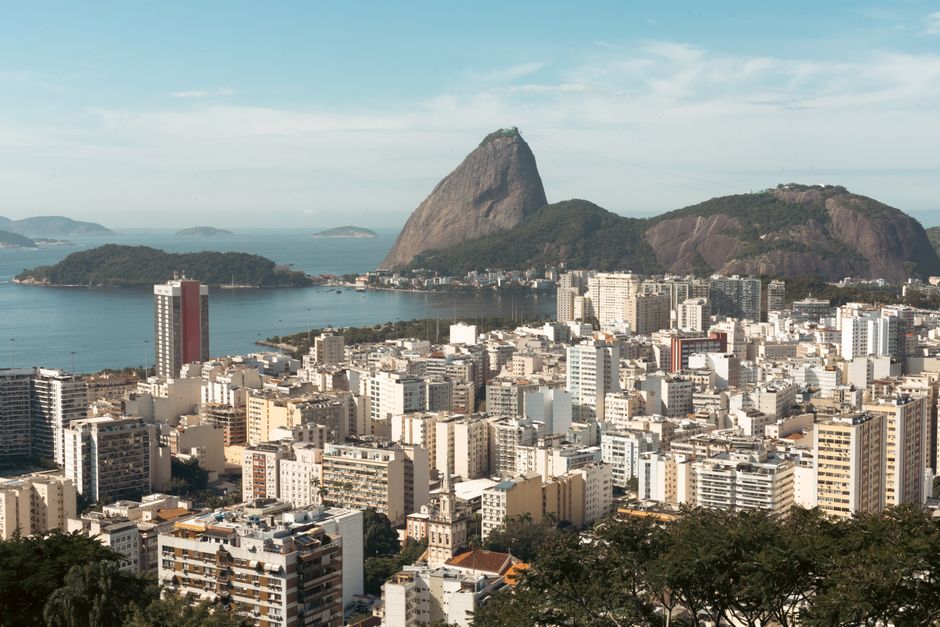
Santa Teresa suits visitors who want steep lanes, old houses, studios and a slower hilltop setting. It is atmospheric, but less convenient for beach mornings. Lapa is useful for nightlife and access to the historic centre, yet it can feel very different after dark. Botafogo gives a useful middle position between the southern beaches and central attractions, with striking views of Sugarloaf Mountain.
| Neighbourhood | Best for | Main trade-off |
|---|---|---|
| Copacabana | First-time convenience and beach access | Busy streets and less calm at night |
| Ipanema | Walkable beach days and evening dining | Higher demand and a smaller local feel |
| Botafogo | Views, food and central positioning | Beach water is not the main attraction |
| Santa Teresa | Character, art and hilltop atmosphere | Steep roads and slower transport |
Bottom line: Ipanema is the strongest all-round base for a first trip, while Botafogo is the better choice for travellers who want a more local rhythm and easy access in several directions.
Which Rio beaches deserve time?
Choose the beach by the type of day
Copacabana is the obvious starting point because its long promenade makes orientation simple. The beach works well for a morning walk, a swim when conditions are suitable and people-watching near the shore. It is not the quietest option, and the central stretch can feel crowded during sunny weekends.
Ipanema is the better choice for a classic Rio beach day. The broad sand, mountain backdrop and changing atmosphere around the numbered lifeguard posts give the beach distinct local zones. Post 9 is associated with a lively social crowd, while Post 8 is closer to the main access from the neighbourhood. A walk toward Arpoador adds one of the city’s easiest sunset viewpoints.
Go farther only for a reason
Leblon offers a calmer continuation of Ipanema, especially near the far western end. São Conrado has dramatic cliffs and a less urban setting, but it is not the best replacement for the southern beaches if swimming conditions and easy facilities matter most. Barra da Tijuca is long and open, making it useful for space and a quieter horizon, but its distance can consume much of a short day.
Beach conditions change with weather, currents and local advice. Red flags are not decoration. Avoid isolated stretches after dark, keep valuables out of sight and treat the shoreline as a public space rather than a place to display phones or cameras. The clear verdict is simple: choose Ipanema for the best mix of scenery, walking and atmosphere; choose Barra only when space matters more than proximity.
How can visitors see Rio from above?
Plan the high points around visibility
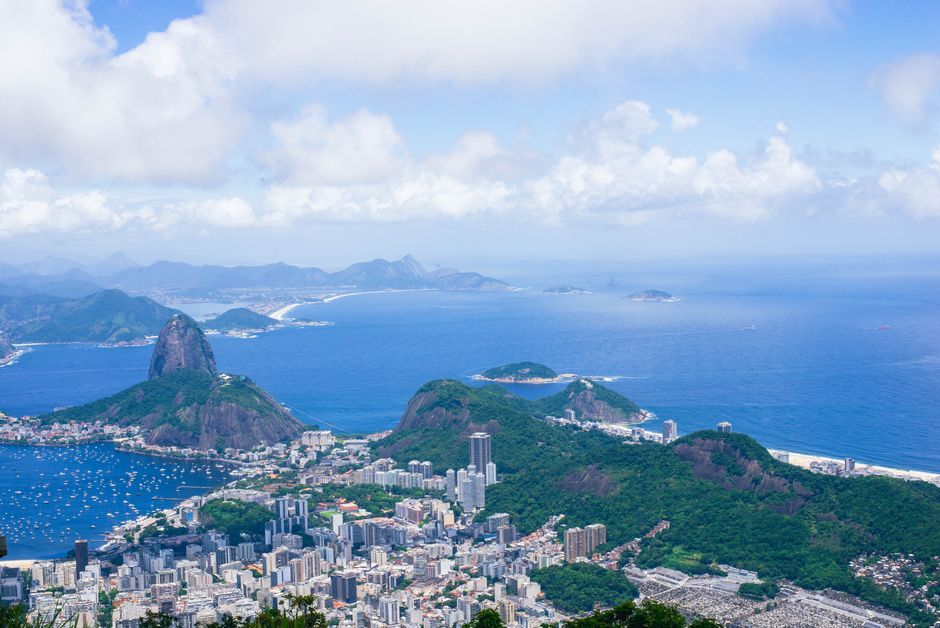
Rio’s viewpoints are powerful because the city is built between ocean, forest and steep rock. They are also easy to waste. Clouds can cover the main view, haze can flatten the coastline and heavy rain can turn a steep outing into a poor use of time. Check the sky before leaving, then place the highest viewpoint early in the day when visibility often has a better chance of holding.
Christ the Redeemer gives the broadest city overview: the southern beaches, Lagoa Rodrigo de Freitas, the central districts and the mountains all appear in one sweep. The statue area becomes crowded, so arriving early improves both the view and the space available for photographs. Sugarloaf Mountain offers a different experience. Its cable-car route reveals Guanabara Bay, the entrance to the city and the sharp relationship between water and rock. It is the stronger pick for sunset when the forecast is stable.
Smaller viewpoints can be better
Mirante Dona Marta often provides a more flexible alternative, with a clear view toward Christ the Redeemer and the southern coastline. Vista Chinesa gives a forested outlook over the city and suits travellers who want a quieter stop, although the road makes it less convenient without planned transport. Arpoador requires no major expedition: the rocks at the end of Ipanema create a practical sunset stop that can be combined with dinner and a neighbourhood walk.
One viewpoint is enough for a short day. The best choice is Christ the Redeemer for the full city panorama, Sugarloaf for the bay and rock scenery, and Arpoador for the simplest sunset.
What does a realistic three-day Rio itinerary look like?
Use geography instead of chasing a list
A workable itinerary groups nearby places together. This reduces time in traffic and leaves room for weather changes, delays and unplanned stops.
| Day | Morning | Afternoon | Evening |
|---|---|---|---|
| 1 | Ipanema beach and Arpoador | Walk through Ipanema and Lagoa | Dinner near the southern beaches |
| 2 | Christ the Redeemer area | Botafogo and Sugarloaf surroundings | Sunset by the bay if skies are clear |
| 3 | Santa Teresa and the historic centre | Lapa, Selarón Steps and central streets | Return to the preferred beach district |
What to move when the weather changes
Cloud cover is the main reason to swap days. If the mountains disappear, use the beach districts, museums or neighbourhood walks instead of forcing a summit visit. A wet morning can still work for Santa Teresa and the historic centre, but slippery hills require slower walking and sensible footwear.
Do not place Christ the Redeemer, Sugarloaf, Santa Teresa and Barra da Tijuca on the same day. The map may make the plan look possible, but the crossings leave little time for the places themselves. The strongest three-day structure is one beach day, one major viewpoint day and one central-neighbourhood day.
How should visitors move around Rio?
Five practical rules prevent most wasted time
- Group each day by zone. Keep Ipanema, Copacabana and Leblon together. Pair Botafogo with Sugarloaf. Put Santa Teresa, Lapa and the historic centre on one route.
- Use daylight for unfamiliar walks. Busy central streets can change quickly after offices close. A route that feels simple at midday may feel poorly suited to wandering late at night.
- Keep phones and cameras discreet. Avoid standing at a kerb with a phone held out while checking directions.
- Allow extra time for hills. Santa Teresa, viewpoints and some access roads are slower than their map distance suggests. Heat adds another constraint.
- Use local guidance for beach conditions. Water quality, waves and currents are not fixed. A beach can look calm while conditions remain unsuitable for swimming.
The mistake that causes the most trouble
The most common planning error is treating every journey as a short transfer. Rio’s traffic, slopes and weather can change the timing of a day. A realistic plan includes one main attraction, one nearby area and a clear point at which the day ends. That approach feels less ambitious on paper and works far better on the ground.
The verdict: walking and public transport are useful within the main beach districts, while longer or hillier routes deserve more careful timing and a door-to-door option when daylight is running out.
What should visitors expect from Rio neighbourhoods?
Is Rio only about beaches?
No. The beaches are the city’s easiest entry point, but they explain only one part of Rio. Santa Teresa has a hilltop, residential character with narrow streets and creative spaces. Lapa is more intense, more central and more connected to nightlife. The historic centre shows older civic buildings, churches and commercial streets, although it can feel quiet outside working hours.
Why does the city feel so different from street to street?
Rio changes quickly because natural boundaries and urban districts sit close together. A short route can move from apartment blocks to forest, from a busy promenade to a steep residential lane, or from a tourist landmark to a working commercial area. That contrast is part of the city’s appeal, but it rewards attention. Dress for heat, carry water, and avoid assuming that a quiet street is automatically a good place for an evening detour.
Is the famous scenery always accessible?
No. Rain, mist, crowd levels and road conditions can change the experience. A viewpoint may be open but offer little visibility. A beach may be beautiful but unsuitable for swimming. Strong travel planning leaves space for substitution rather than treating every reservation or landmark as non-negotiable.
Rio works best when neighbourhoods are treated as living districts, not backdrops. The strongest day may include a famous view, a simple local meal and an ordinary street that was never on the original route.