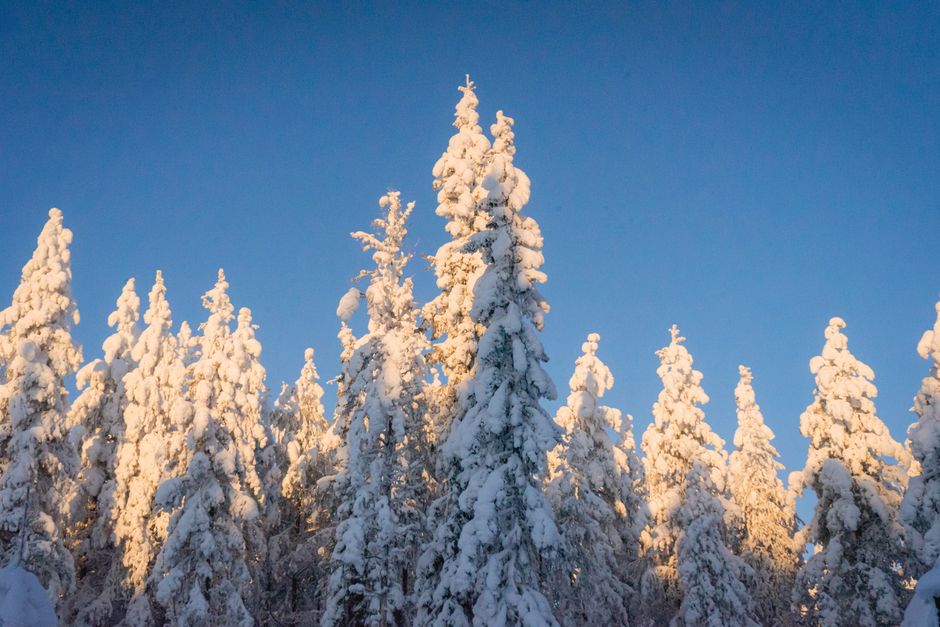
Lapland in winter is not a soft-focus fairy tale. It is cold, dark, quiet and highly seasonal. Plan around daylight, travel distances and cloud cover, and the snow, saunas and northern skies become the point of the trip rather than the backdrop.
When Is the Best Time to Visit Lapland in Winter?
The best time depends on what matters most, but late January through early March gives the strongest balance of snow, usable daylight and winter activities. December has the strongest festive atmosphere, while April brings brighter days and softer conditions.
December brings darkness and atmosphere
December is the darkest part of the season. Around the Arctic Circle, daylight can shrink to a short blue-grey period, and farther north the sun may remain below the horizon for much of the day. That sounds dramatic, but the snow reflects moonlight and artificial light, so the landscape rarely feels completely black.
Snow depth can be less reliable in early December than many visitors expect. A cold start does not guarantee a deep, settled cover. Festive events and decorated villages create a strong mood, but packed schedules and limited daylight make outdoor plans less flexible.
January to March offers the strongest conditions
January is properly wintry, with deep snow, frozen lakes and long nights. February usually adds more daylight without losing the snow-covered landscape. March is often the easiest month for active travel: mornings can still be cold, afternoons are brighter, and the northern lights remain possible on clear nights.
Best overall verdict: choose February or early March for a first visit. The days are long enough for outdoor plans, while the landscape still looks unmistakably Arctic.
Which Lapland Base Works Best for a Winter Trip?
Lapland is enormous. Choosing a base matters more than squeezing several destinations into one short trip. A village near an airport may offer convenience, while a remote northern location may offer darker skies and a quieter setting.
| Base type | Best for | Main trade-off |
|---|---|---|
| Rovaniemi area | First visits, families, museums and easy connections | More visitors and brighter night skies |
| Levi or Ylläs area | Skiing, active days and a wider choice of trails | Busier during peak holiday periods |
| Saariselkä area | Quiet landscapes, cross-country routes and northern skies | Longer transfers and fewer urban services |
| Inari area | Culture, wilderness and a slower pace | Best with careful transport planning |
Choose convenience for a short first trip
Rovaniemi works best when the trip lasts three or four nights. Transport links are simpler, indoor attractions help during poor weather, and day tours can reach forests, frozen lakes and rural areas without changing accommodation.
Choose darkness for northern-light priorities
For northern skies, the far north has the edge. A smaller settlement with less artificial light can make a clear night feel much more dramatic. The trade-off is simple: more transfer time and fewer backup activities if clouds arrive.
The clear recommendation is to choose one base for a short trip and two bases only when the journey lasts at least six nights. Constantly changing location wastes daylight and adds risk to winter travel.
What Should a Four-Day Lapland Itinerary Include?
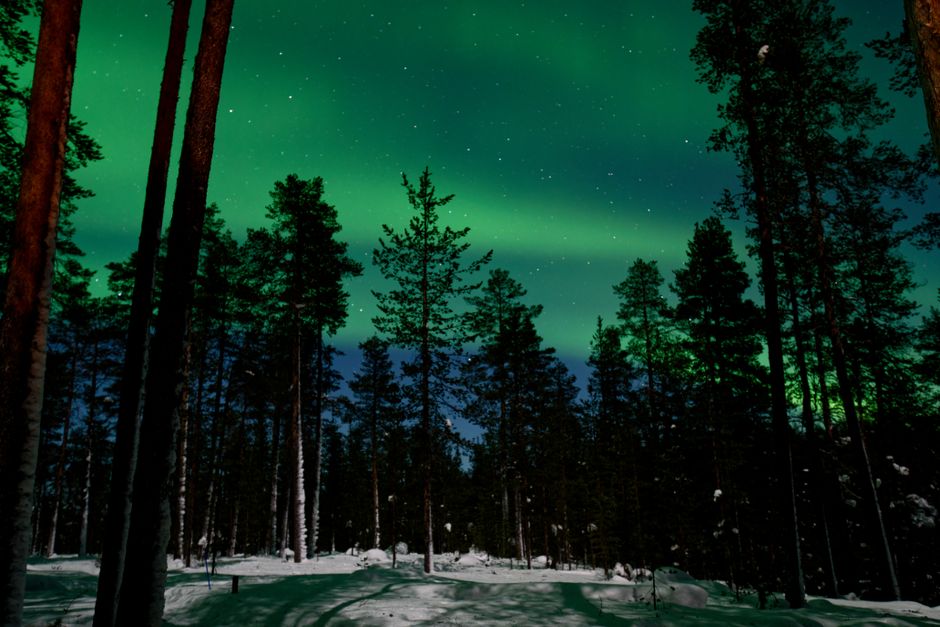
A good short itinerary leaves room for weather. Snowfall, wind and low visibility can change plans quickly, so every day should have one main outdoor activity and one flexible option.
- Day one: arrive and adjust. Keep the first afternoon light. Walk through the local centre, check transport times and learn the route back to the accommodation. If skies are clear, take a short evening walk away from streetlights.
- Day two: spend time in the snow. Pick one main activity such as a husky-led forest trip, a reindeer visit, a guided snowshoe walk or a long cross-country outing. Do not stack several timed tours together. Cold-weather delays are common.
- Day three: protect the northern-light opportunity. Keep the daytime plan flexible and reserve the evening for a dark-sky excursion or a quiet spot outside the settlement. Cloud cover matters more than the strength of an aurora forecast.
- Day four: use the daylight well. Choose a sauna session, local cultural visit or short nature trail before departure. If the previous evening was cloudy, a final clear night may still deliver a view.
The itinerary works because it separates effort. A demanding snow activity followed by several hours outside at night can leave visitors exhausted, cold and less able to enjoy the next day.
How Realistic Is Seeing the Northern Lights?
The northern lights are a bonus, not a booking guarantee. Clear skies, darkness and solar activity must line up at the same time. A strong forecast cannot cut through cloud, and a weak forecast can still produce a brief display.
Cloud cover matters first
A clear, cold night with moderate activity is more useful than a high activity forecast under thick cloud. Local guides often move between several viewing areas because conditions can differ sharply over short distances.
Use darkness and patience
Streetlights, indoor windows and bright snow can reduce visibility. Walk away from the centre, keep phone screens dim and give the eyes time to adjust. The first visible glow may be pale green or grey rather than the bright ribbons shown in edited photographs.
Plan at least three nights if the lights are a major reason for the trip. One night creates a gamble. Three nights create options. The strongest approach is to treat the search as a late-evening activity and keep the following morning free enough for rest.
What Is a Finnish Sauna Visit Really Like?
Sauna is not a decorative extra in Lapland. It is part of the region’s winter rhythm: heat, quiet, washing and recovery after time outdoors. A proper visit is slower and less theatrical than many tourists expect.
What happens inside the sauna?
Enter clean and dry, sit on a towel, and keep conversation low unless the group is clearly social. Heat builds in stages. A short session followed by cooling down is better than staying inside until dizziness appears. Several short rounds are normal; one long endurance test is not.
Is cold-water swimming necessary?
No. Cold plunges are optional, and they are not a measure of courage. Step outside for fresh air, cool down gradually and return to warmth.
Reserve a sauna after the most active day, not before a long night outside. The heat can leave the body relaxed and dehydrated. Drink water, avoid treating alcohol as part of the ritual and leave enough time to warm up fully before travelling.
The best sauna experience is the quietest one with clear instructions, clean facilities and no pressure to perform. A rushed session built around photographs misses the point.
What Goes Wrong on a Lapland Winter Trip?
The biggest mistakes are basic. Visitors underestimate distance, trust a weather forecast too far in advance and pack for a city break instead of several hours outdoors.
- Overpacking the schedule: two major excursions in one day leave no room for delays, meals or recovery.
- Using one thick layer: a single heavy coat cannot manage changing activity levels. Several breathable layers work better because walking creates heat and standing still removes it.
- Ignoring hands and feet: cold toes and fingers end an outing quickly. Warm socks, insulated footwear with room to move and spare gloves matter more than fashionable styling.
- Leaving the centre without a plan: darkness, snowbanks and unfamiliar tracks can hide hazards. Use marked routes or a local guide.
- Assuming every lake is safe: ice conditions vary with water movement, recent weather and local maintenance. Never walk onto frozen water without current local guidance.
When should an activity be skipped?
Skip an outing when wind chill makes exposed skin unsafe, visibility drops sharply or fatigue affects balance. Rescheduling is sensible. A memorable winter trip does not require proving resilience against bad conditions.
When is a remote stay the wrong choice?
Choose a connected settlement instead if the trip is short, the weather is uncertain or indoor alternatives matter. Remote accommodation suits travellers who accept limited services and longer transfers. It is a poor match for anyone expecting a packed evening scene or easy spontaneous transport.
Winter rewards restraint. The best plan is the one that still works after a cancelled tour, a cloudy night and two hours of heavy snowfall.
What Should Visitors Pack for Lapland in Winter?
Pack for standing still, not just walking. Northern-light viewing can involve long periods outdoors with little movement, and that is when cold reaches the body fastest. Clothing should trap warm air, block wind and stay dry.
Build a practical clothing system
Start with a moisture-moving base layer, add insulation, then use a windproof outer layer. Bring spare socks and gloves because snow melts into fabric. A warm hat that covers the ears, a neck covering and footwear with a firm sole are essential for icy paths.
Protect the small details
Keep batteries close to the body because cold drains them quickly. Use sunglasses or protective eyewear during bright snow conditions. A small headlamp helps on dark paths, but it should not replace route awareness or local guidance.
Keep the final day simple. Allow time for a sauna, a slow walk and one last look at the winter landscape. Lapland works best when the schedule leaves space for weather, silence and the possibility that the clearest sky appears after the planned activity has ended.