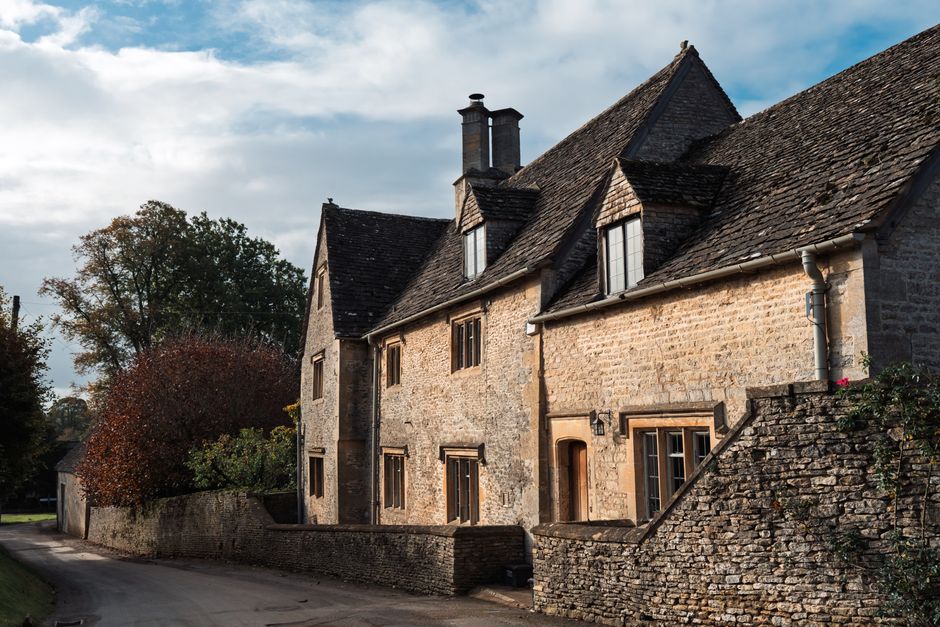
Can Bath and the Cotswolds fit into one weekend without turning the trip into a race? Yes, but only with a firm plan. Bath works best on foot, while the Cotswolds reward slow travel through one carefully chosen cluster of villages. The strongest route uses Bath for the first day, then heads north or north-east for a focused countryside day. Trying to cover every famous village creates long transfers, crowded stops, and very little time to enjoy the places that brought the trip together.
How to divide Bath and the Cotswolds over two days
The clearest verdict is simple: spend Saturday in Bath and Sunday in one Cotswold area. Bath has enough history, architecture, gardens, and riverside walking to fill a full day. The Cotswolds are spread across a large rural region, so the second day needs a tight route rather than a long list of stops.
Saturday belongs to Bath
Arrive early and begin near the Roman Baths, Bath Abbey, and the old city centre. These sights sit close together, making the morning easy to walk. Continue towards Pulteney Bridge and the River Avon before lunch. In the afternoon, walk uphill to the Circus and Royal Crescent, then continue through the residential streets towards Victoria Park. This order moves from the busiest central sights to quieter views and avoids crossing the same ground several times.
Sunday needs one countryside cluster
Choose Castle Combe for a compact village visit close to Bath, or travel farther towards Bourton-on-the-Water, Stow-on-the-Wold, Bibury, or Broadway for a deeper Cotswold experience. A car makes the wider route easier, but a car-free plan can work from railway stations and connecting buses if the timetable is checked in advance. The official Cotswold train and bus guidance is useful because rural services can be less frequent on Sundays.
Which Cotswold base works best from Bath?
There is no single best village for every weekend. The best choice depends on how much countryside, walking, and transport time the itinerary can absorb. Use this comparison before committing to a route.
| Place | Best for | Time shape | Main drawback |
|---|---|---|---|
| Castle Combe | A short countryside escape from Bath | Half day or relaxed full day | Small area, with fewer nearby stops on foot |
| Bourton-on-the-Water | First-time visitors wanting a famous village and river setting | Full day with one nearby stop | Can feel crowded in the middle of the day |
| Stow-on-the-Wold | Market-town atmosphere and central connections | Full day with nearby villages | Less of a waterside postcard setting |
| Bibury | Quiet lanes, stone cottages, and a short scenic visit | Best paired with another village | Limited transport and services compared with larger towns |
| Broadway | Longer walks, views, and a more spacious day | Full day with a slower pace | Too far for a rushed Bath-and-village loop |
For a first visit with limited time, Castle Combe is the most practical pick because it keeps the travel day manageable. For the classic Cotswold look, Bourton-on-the-Water gives the strongest visual introduction, but it should be visited early or late in the day. For a car-free trip, Stow-on-the-Wold or Bourton-on-the-Water usually makes more sense than a tiny village with only occasional services. Transport information can change, so check the current regional travel guidance before leaving.
Saturday in Bath: a walkable route with room to breathe
Bath is easiest when treated as a sequence of short walks rather than a checklist of separate attractions. The city centre is compact, but the hills become tiring after several hours. Begin with the oldest part of the city while energy is high, then leave the afternoon for open space and viewpoints.
Morning: Roman history and the city centre
Set aside two to three hours for the Roman Baths and Bath Abbey area. The Roman complex explains why Bath exists, while the abbey gives the surrounding streets their visual centre. Allow extra time for queues during school holidays and summer weekends. After the visit, walk towards the Guildhall Market and Pulteney Bridge. The riverfront is a natural pause point, with benches, cafés, and views of the weir.
Afternoon: Georgian streets and green space
Walk west towards the Circus and Royal Crescent, taking the quieter residential streets instead of following the busiest road. The Georgian architecture is more impressive when seen as a complete neighbourhood rather than as two isolated monuments. Continue into Victoria Park for a slower finish. If the weather is clear, add the skyline walk around Prior Park or another elevated viewpoint, but avoid squeezing it in after dark. The practical rule is to choose one major indoor attraction, one architectural walk, and one green space. That mix gives the day shape without making every hour feel booked.
Stay within walking distance of the centre if possible. A central base saves repeated uphill journeys and makes an early start much easier.
Sunday Cotswolds route: choose one of three practical loops
The Sunday plan should match the available transport, not an imaginary map where every village sits ten minutes apart. Pick one loop and leave space for walking, lunch, and delays.
- The close-to-Bath loop: Travel to Castle Combe, walk through the village, then follow a signed countryside route if conditions are suitable. Keep the day local and return to Bath in the afternoon. This is the best option when the weekend includes a late arrival, an evening train, or unpredictable weather.
- The classic village loop: Start at Moreton-in-Marsh, connect towards Bourton-on-the-Water, and add Stow-on-the-Wold only if the timetable allows. Bourton works well for the first stop because the river, bridges, and central streets are easy to understand on foot. Stow then offers a different feel: a hilltop market town with a broad square and older lanes.
- The walking-focused loop: Choose Broadway or another larger base, then spend more time on a footpath instead of collecting villages. The Cotswolds are at their best beyond the main photo spots, where stone walls, pasture, and ridge views replace queues. Check path conditions after rain and wear shoes with firm grip.
Do not plan all three. The countryside is slower than the map suggests, and parking or bus connections can add unexpected time. A two-stop day feels generous; a four-stop day usually feels like transport with photographs attached.
Practical questions about a Bath and Cotswolds weekend
The small decisions matter more than adding another attraction. These answers cover the issues most likely to affect the quality of the trip.
Is a car necessary?
No, but it changes the shape of the weekend. Bath is simple without a car, and several Cotswold towns connect through rail and bus routes. A car gives access to smaller villages and countryside walks, yet narrow lanes, limited parking, and busy village centres can make driving stressful. For a first weekend, car-free travel works best with one larger town as the base. A car works best when the priority is remote viewpoints and flexible walking routes.
How many Cotswold villages should be visited?
Two is the sensible maximum for one day. One village plus a longer walk is often better than three brief stops. Each place needs time for orientation, a quiet lane, a meal or rest, and the journey out. The famous villages are not interchangeable: Bourton is waterside and busy, Stow is a market town, Bibury is compact, and Broadway has more space for longer walks.
What happens in bad weather?
Keep Bath as the weather-proof part of the trip. Museums, historic interiors, cafés, and covered markets give the first day flexibility. On Sunday, shorten the village route rather than forcing a long exposed walk. Wet stone paths become slippery, and rural buses may offer fewer alternatives if a connection is missed. A good backup plan is one village, one indoor visit, and an early return to Bath.
Mistakes that make this weekend feel rushed
The best recommendation is to cut one stop before the trip begins. A focused weekend feels richer because Bath and the Cotswolds offer different experiences: one is a dense historic city, the other is a wide rural landscape. Treating them as one sightseeing circuit creates the wrong pace for both.
Do not use Bath as a daily base for every village
Bath is a strong base for a close visit such as Castle Combe, but longer journeys towards the central Cotswolds can consume much of Sunday. If the main goal is several villages, spend the countryside night closer to the route. If Bath is the main goal, keep the Cotswolds to one nearby excursion. This single choice prevents the most common planning error: spending more time changing transport than walking through villages.
Do not confuse famous with rewarding
Popular places can be beautiful and still feel crowded. Arrive early, travel outside the busiest part of the day, or choose a less famous village with a longer footpath. Avoid blocking narrow lanes for photographs, climbing walls, or entering private land. The Cotswolds are living communities, not an open-air film set. Respectful travel keeps the villages pleasant and preserves the quiet character that makes the region worth visiting.
The region rewards fewer places, longer pauses, and a route shaped by the landscape rather than by a crowded checklist.