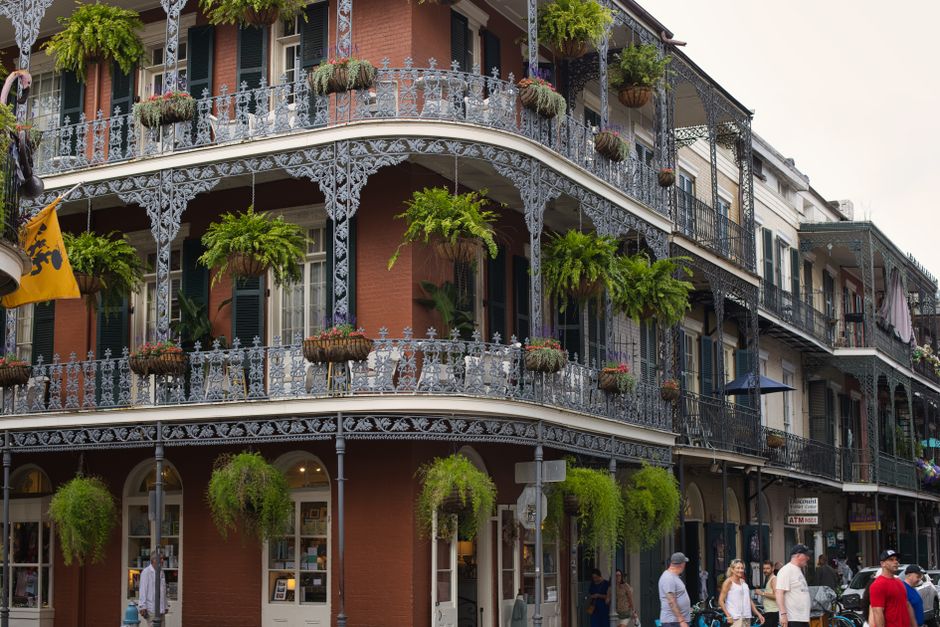
The best first trip to New Orleans combines live music, local food and time on foot rather than treating the French Quarter as a checklist. Three days is enough to hear several styles of music, eat classic Louisiana dishes, explore historic neighborhoods and understand why the city feels different from anywhere else in the United States. The key is pacing. Long meals, late nights and hot weather can make an overfilled schedule miserable.
This guide focuses on what a visitor can realistically expect, where to place the main experiences and which common mistakes can quietly damage the trip. The French Quarter deserves time, but it should not receive every hour.
Why New Orleans Works Best as a Music-and-Food Trip
New Orleans is strongest when music and food are treated as daily parts of the city rather than separate attractions. A morning can begin with coffee and a filled pastry, continue with a walk past Creole townhouses, and end with brass, jazz or rhythm and blues in a small room. That pattern explains the city better than a long list of museums.
The city has several musical identities
Jazz is the obvious starting point, but it is only one piece of the sound. Brass bands bring large, moving energy to streets and neighborhood venues. Funk, blues, gospel and rhythm and blues appear in different rooms and districts. Traditional jazz may feel intimate and layered, while a brass performance can turn the entire audience into part of the event.
Music also runs on a different clock. Many shows begin later than visitors expect, and a venue may offer a short early set followed by a stronger performance later in the evening. Checking the schedule on the day of the visit helps avoid arriving during a quiet gap.
Food tells the city’s history
New Orleans food reflects French, Spanish, West African, Caribbean and Gulf Coast influences. Creole cooking often uses tomatoes, seafood and a layered sauce base, while Cajun cooking developed from rural Louisiana traditions and frequently focuses on darker roux, smoked meat and bold seasoning. The distinction is useful, but restaurant menus do not always follow neat boundaries.
Start with a few anchor dishes: gumbo, red beans and rice, jambalaya, po’boys, oysters, crawfish when in season, and a fried or filled sweet breakfast item. Do not order every famous dish in one sitting. A better approach is one substantial local meal, one lighter stop and one snack each day.
The clear verdict is simple: plan New Orleans around sound and appetite, then fit landmarks into the gaps. That order produces a more accurate experience of the city.
A 3-Day New Orleans Itinerary That Leaves Room to Wander
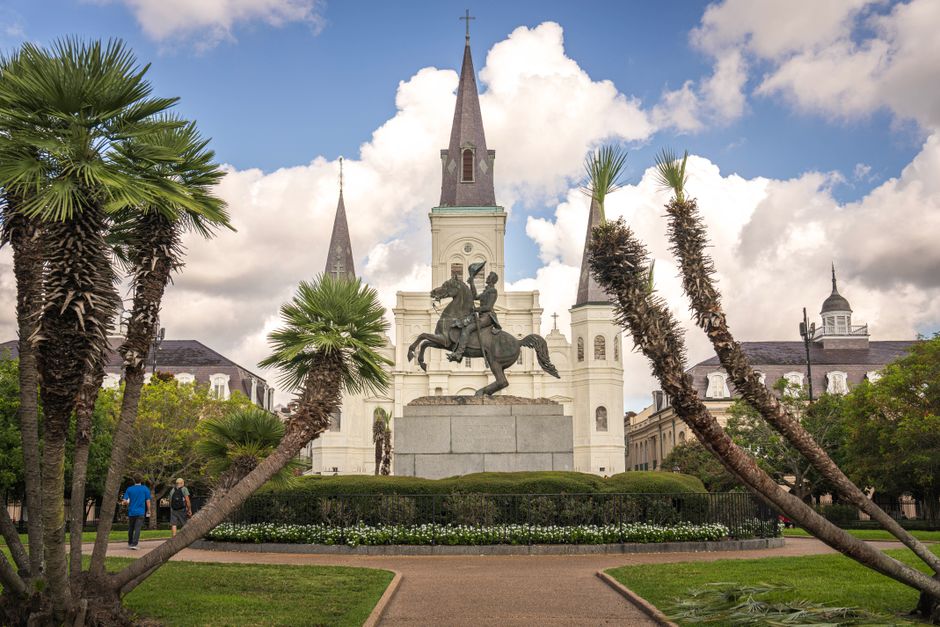
A workable itinerary keeps each day centered on one area. Crossing the city repeatedly wastes time, especially during hot afternoons or major events. The schedule below leaves space for slow meals, unexpected street performances and weather delays.
| Day | Morning | Afternoon | Evening |
|---|---|---|---|
| Day 1 | French Quarter walk, Jackson Square and riverfront | Creole architecture, market browsing and a long lunch | Traditional jazz or a relaxed meal near the Quarter |
| Day 2 | Garden District or a historic streetcar ride | Magazine Street, local cafés and a neighborhood dinner | Live music in the Marigny area |
| Day 3 | Tremé history and a late breakfast | City Park, a museum or a quiet final meal | Choose one last show instead of rushing between venues |
Day one: learn the French Quarter’s shape
Begin early, before the streets become crowded and the heat builds. Walk Royal Street for architecture and galleries, then move toward Jackson Square and the riverfront. Bourbon Street is part of the city’s public image, but it is not the best place to understand the neighborhood. Side streets reveal courtyards, wrought-iron balconies and old Creole cottages that are easy to miss in a busy group.
Schedule a long lunch rather than stacking several attractions into the afternoon. The Quarter rewards wandering without a fixed destination. In the evening, pick one music room and stay long enough to hear a complete set.
Days two and three: widen the map
The second day should move beyond the Quarter. The Garden District offers broad streets, mature trees and a different architectural scale. Day three can focus on Tremé and City Park, depending on weather and interest.
Do not make the final day a race through every remaining landmark. The strongest ending is usually a quiet meal, one chosen performance and enough time to reach the airport or next destination without stress.
What to Eat, and How to Avoid Tourist Traps
New Orleans food rewards curiosity, but famous names and long lines do not automatically signal the best meal. A crowded restaurant may be excellent, yet a quiet counter serving one focused dish can offer a clearer taste of local cooking. Use the following approach.
- Choose dishes before choosing restaurants. Decide whether the meal should focus on gumbo, seafood, a po’boy, red beans and rice or a dessert.
- Ask what is seasonal. Gulf seafood and crawfish are not equally available throughout the year. A restaurant that explains the day’s supply is often a better choice than one that presents every dish as permanently available.
- Reserve the meal that matters most. One planned dinner creates structure. The remaining meals can stay casual, which leaves room for a market snack, bakery stop or unexpected recommendation.
- Balance heavy dishes. Gumbo, fried seafood, rich sauces and sweet pastries can become exhausting when eaten repeatedly. Add fruit, vegetables, lighter seafood or a simple breakfast to keep the schedule comfortable.
- Question the setting, not the food tradition. A restaurant near a famous attraction is not automatically poor, and a hidden address is not automatically authentic. Judge the menu, service, crowd mix and clarity about ingredients.
What mistakes cause the most disappointing meals?
The common failure is trying to eat every signature dish in a single day. Another is assuming that a long queue proves quality. Lines may reflect limited seating, social media attention or a narrow service window. A third mistake is ordering unfamiliar dishes without asking about portion size or ingredients, then having no appetite left for the meal that was actually planned.
What is the strongest food strategy?
Give each day one serious local meal, one flexible meal and one small snack. The best food verdict is variety with restraint: sample the classics, but do not let them crowd out the rest of the city.
French Quarter Tips: What to Expect Before Arrival
The French Quarter is compact, lively and visually dramatic, but it is not a theme park. Streets can be uneven, sidewalks can narrow suddenly and the mood can change from quiet morning to loud late night within a few blocks. The best visit comes from accepting those contrasts instead of expecting constant polish.
How should visitors handle heat, crowds and walking?
Wear comfortable walking shoes and plan the longest outdoor routes early. Carry water, take indoor breaks and avoid scheduling a major walking tour immediately after a late night. Rain can arrive quickly, while summer humidity can make short distances feel much longer. A flexible afternoon is more useful than a perfect timetable.
Keep phones and wallets secure in crowded areas, especially around busy nightlife streets. Use well-lit routes after dark and arrange transportation before leaving a venue. These are ordinary city precautions, but the Quarter’s crowds can make small lapses harder to correct.
What should be skipped?
Skip the urge to spend the entire trip on Bourbon Street, skip the belief that every attraction needs a timed booking, and skip any itinerary that crosses the city several times in one day. New Orleans rewards depth more than speed. Three focused days—with one French Quarter day, one wider neighborhood day and one history or park day—offer the best balance.
For a first visit, the specific recommendation is a three-day plan built around morning walks, long local meals and one carefully chosen music setting each night. That combination captures New Orleans more honestly than a rushed tour of every famous stop.