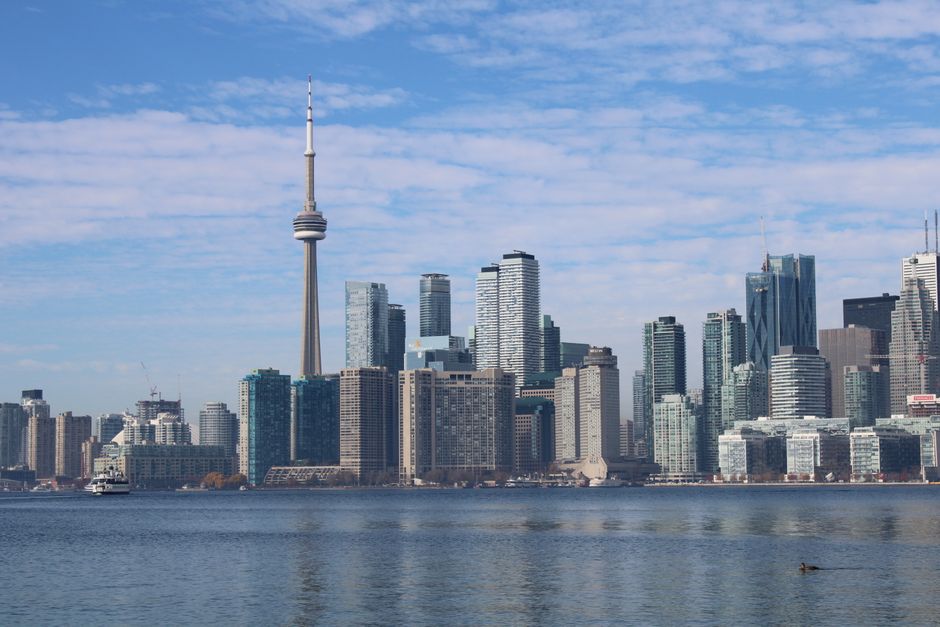
Which Toronto neighbourhoods are worth visiting, and how can they fit into a realistic trip? The answer depends less on collecting landmarks and more on choosing areas that connect naturally. Toronto is a large, layered city. The downtown core, residential streets, cultural districts and waterfront each offer a different version of the city.
Which Toronto neighbourhoods fit your trip?
Toronto has more than 140 neighbourhoods, so a first visit needs a filter. The strongest plan groups nearby areas by mood and distance instead of crossing the city for one sight at a time.
| Neighbourhood | Best for | Time needed | What to expect |
|---|---|---|---|
| The Annex | Museums, university streets and cafés | 2 to 4 hours | Tree-lined blocks, historic houses and a steady student presence |
| Distillery Historic District | Architecture, galleries and evening walks | 1.5 to 3 hours | Restored industrial buildings and pedestrian-only streets |
| Toronto Islands | Open space, skyline views and beaches | Half a day | Ferry planning, weather exposure and long walking distances |
Best choice for a first visit
For a first day, choose Kensington Market and the Annex. They are close enough to combine, yet different enough to show Toronto’s contrast between dense city life and quieter residential streets. Kensington works best around late morning and lunch. The Annex becomes more enjoyable in the afternoon, when the streets, bookshops, campus paths and museum district have more breathing room.
Best choice for a slower day
Choose Leslieville when the goal is to experience a residential neighbourhood rather than complete a checklist. The main streets are easy to explore on foot, but the area rewards wandering down side streets. Destination Toronto’s neighbourhood guide is useful for checking current district boundaries and seasonal events.
How to build a one-day neighbourhood itinerary
Trying to include five distant districts usually creates a day spent waiting for transport.
Start in the west-central districts
- Begin in Kensington Market in the late morning. Walk slowly rather than following one straight route. Look for small courtyards, painted walls, produce stalls and the changing mix of older homes and commercial buildings.
- Keep this section flexible because the best stops change from block to block.
- Move north to the Annex in the afternoon. The walk toward Bloor Street passes through quieter streets and brings a noticeable change in pace.
End near a subway line
Finish around Bloor Street or Yonge Street. This gives the itinerary a clear exit if energy drops or rain arrives. The Annex has several subway stations nearby, while streetcars and buses connect the surrounding districts. Check the current TTC routes and schedules before leaving because service changes can affect a carefully timed day.
The practical rule is simple: plan one anchor neighbourhood, one adjoining area and one optional extension. That structure feels full without making the city feel like a race.
The strongest two-day route moves from local streets to the waterfront
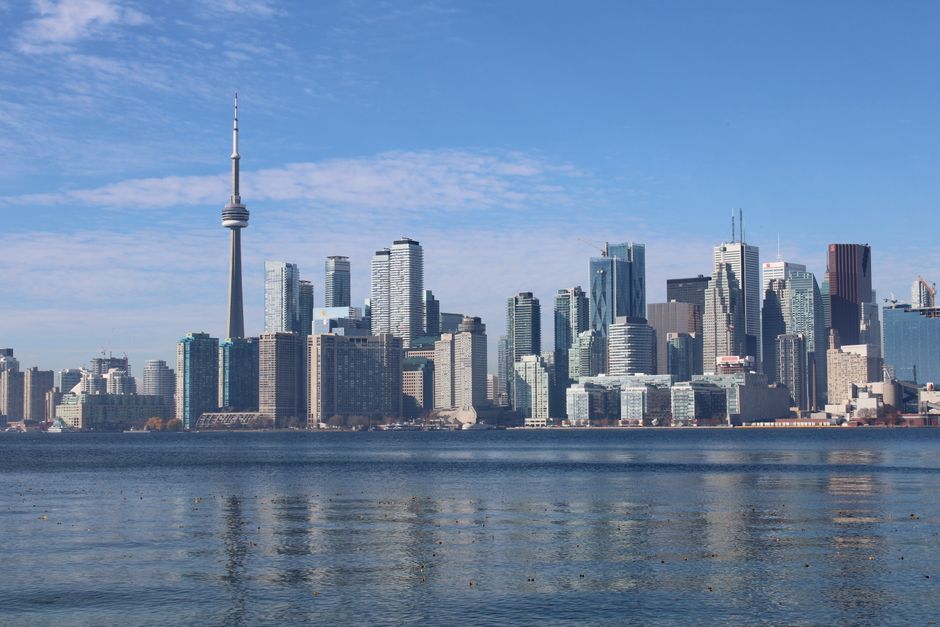
The best two-day plan starts with neighbourhood texture and ends with open space. Use day one for Kensington Market, the Annex and nearby central districts. Use day two for the Distillery Historic District, the waterfront and Toronto Islands. This order works because the first day is built around short urban walks, while the second needs more attention to ferry timing and weather.
Day one: culture and street life
Begin in Kensington Market, continue through Chinatown and spend the afternoon in the Annex. Add the Royal Ontario Museum area only if the group enjoys museums; it should not be forced into a day already full of walking. Evening plans work well around Bloor Street, Queen Street West or the Entertainment District, depending on the preferred pace.
Day two: historic streets and open water
Start at the Distillery Historic District before moving west along the waterfront. The district is compact, so it does not need a full morning unless galleries, public art or seasonal events are a priority. Continue toward the ferry terminal only after checking the day’s departure information. The City of Toronto confirms that ferry routes and seasonal schedules can change, and the island trip is affected by weather and peak demand.
This route avoids a common mistake: treating Toronto as one compact sightseeing zone. The city is walkable in sections, not all at once.
What makes each area feel different?
Toronto neighbourhoods are not just clusters of attractions. They are shaped by street width, building age, transport patterns, local businesses and the way residents use public space. That is why two areas only a short ride apart can feel unrelated.
Kensington Market and Chinatown
Kensington Market feels informal and constantly in motion. The area is strongest when explored without a rigid route. Expect crowds at popular food spots, uneven pavements in places and a mix of quiet corners and loud traffic. It is a poor choice for a hurried visit built around one photo.
The Annex and Koreatown
The Annex has a calmer rhythm. Historic houses, university buildings, cafés and cultural institutions sit close together. The area becomes more interesting when the main road is treated as a spine rather than the whole destination. Side streets reveal porches, mature trees and older brick homes.
Leslieville and the east end
Leslieville is better for a half-day than a quick stop. Queen Street East provides the clearest route through the district, but the surrounding residential streets show why the area feels local. The verdict is clear: choose Leslieville for atmosphere and everyday city life, not for a dense list of major landmarks.
Common Toronto itinerary mistakes and their fixes
Toronto rewards flexible planning. The biggest failures usually come from misunderstanding scale, timing or the difference between a district’s reputation and its actual experience.
Is it realistic to visit every famous neighbourhood?
No. A plan that includes the west end, the east end, the waterfront, midtown and Scarborough in one day will produce rushed transfers and shallow visits. Group areas by geography. A west-central day can combine Kensington Market, Chinatown and the Annex. An east-side day can focus on Leslieville, Riverside and the Beaches. A waterfront day can combine Harbourfront with the islands if ferry conditions cooperate.
Should the Toronto Islands be planned like a normal park visit?
No. The islands require a time buffer. Ferries can be busiest during the middle of the day, and the return trip may take longer than expected during weekends or holidays. The City of Toronto recommends checking routes and schedules in advance. Bring water, sun protection and a layer for wind. Do not build a fixed restaurant reservation immediately after the ferry return.
What should visitors avoid assuming about transit?
Do not assume every short distance is faster by car or that every streetcar arrives on a perfect timetable. Traffic, construction and special events can change journey times. A smart plan identifies the nearest subway station, keeps one backup route and avoids booking two activities on opposite sides of the city with no margin.
Local tips for choosing the right pace
- Keep one unplanned hour in each full day. Toronto’s best moments often come from a bakery window, a small gallery, a public square or a side street that was not on the original route.
- Wear shoes suited to pavement and long walks. A neighbourhood that looks close on a map can involve several kilometres once parks, markets and side streets are included.
- Use mornings for popular markets and museums. Save residential districts and waterfront walks for the afternoon when a slower pace feels natural.
- Check event calendars before choosing accommodation or an evening route. Concerts, festivals and sports events can change crowd levels well beyond the venue itself.
- Respect residential streets. Keep voices low near homes, do not block doorways for photographs and avoid treating private porches or front gardens as public attractions.
- Plan around the weather. Toronto summers can feel humid, while spring and autumn bring quick changes in temperature. The waterfront and islands often feel cooler than inland streets.
When to choose a different area
Skip the Distillery Historic District if the trip needs long, quiet walks through residential streets. Choose the Annex or Leslieville instead. Skip the Toronto Islands when the forecast is poor or the schedule is tight. Choose the waterfront promenade or High Park for easier access. Skip Kensington Market during the busiest period if crowds are stressful; visit early or shift to nearby Chinatown and the Annex.
The final route decision
For a short visit, the clearest answer is a west-central day built around Kensington Market and the Annex, followed by an east-and-waterfront day only if time allows. That plan answers the opening question without turning Toronto into a checklist. The neighbourhoods remain distinct, the transfers stay manageable and the city’s real character has room to appear between the scheduled stops.