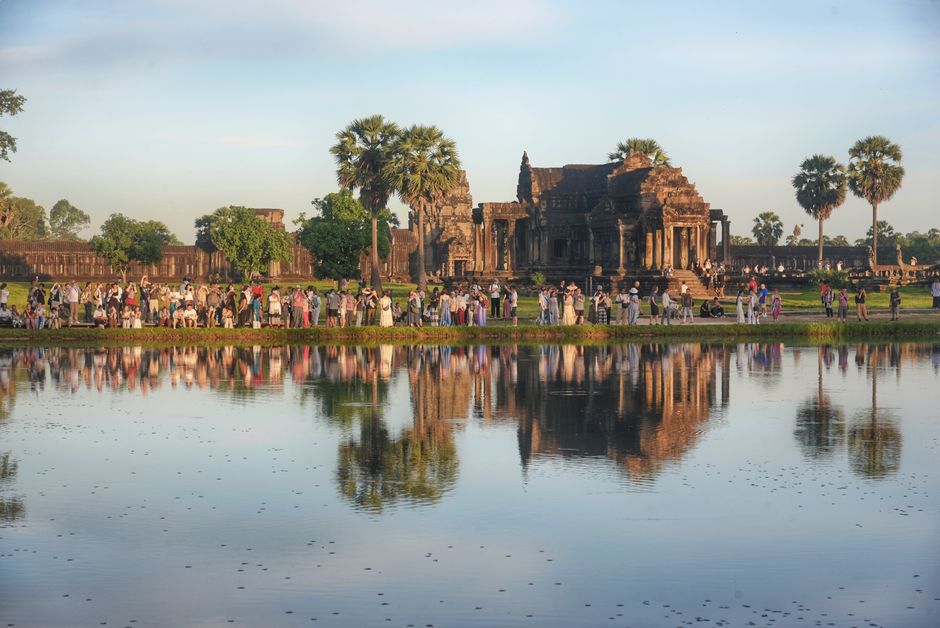
The strongest plan for most visitors is three full days in Siem Reap: one day for the central temples, one for the wider archaeological park, and one for quieter sites and the town. The common problem is arriving before sunrise, rushing through several major monuments, and reaching the afternoon too tired to enjoy anything. Angkor is not one compact attraction. It is a large historic landscape, and the heat, distances, crowds and temple layouts all shape the experience.
How many days are needed for Siem Reap and Angkor?
Choose three full days for a balanced first visit
Three full days gives enough time to see the major landmarks without turning every morning into a race. The first day can focus on Angkor Wat and the nearby monuments. The second can cover the larger circuit, where forest paths and smaller ruins create a different rhythm. The third can combine a more distant temple area with a slower afternoon in Siem Reap.
Two days works for a short trip, but it requires firm choices. One day is rarely enough unless the goal is only to see Angkor Wat and a few nearby sites. Four or more days suit visitors who enjoy photography, detailed history, long walks or repeated visits at different times.
Match the schedule to energy, not ambition
A dawn start followed by six hours of walking can leave visitors exhausted before the most interesting light appears. Build a midday break into every full temple day. A room, café, shaded courtyard or quiet town walk can restore energy better than adding another ruin to the route.
The practical verdict is clear: three full days is the best default for a first visit. Use two days only when the wider trip has higher priorities, and choose four days when the temples themselves are the main reason for travelling to Siem Reap.
Which Angkor itinerary works best for a first visit?
A simple route comparison
These route patterns reduce backtracking and give each day a distinct purpose. The exact order can change with weather, crowd levels and access conditions, but the structure remains useful.
| Plan | Morning focus | Afternoon focus | Best for |
|---|---|---|---|
| Two days | Angkor Wat and nearby central temples | Grand Circuit or a selected outer temple | Short stays with limited time |
| Three days | Major central temples | Rest, then a second temple group | Most first-time visitors |
| Four days | Major sites at a relaxed pace | Outer areas, museums or town time | History fans and photographers |
Why the three-day route wins
The three-day plan balances recognition and discovery. It leaves space for Angkor Wat, Bayon and the temple-lined roads most visitors expect, while protecting time for less crowded ruins. It also gives a spare morning if rain changes the plan or if the first day becomes tiring.
A temple becomes harder to appreciate when the visit turns into a race from one entrance to another. Select fewer sites and stay long enough to notice the carvings, courtyards, reservoirs and changing views.
How to plan each temple day without wasting time
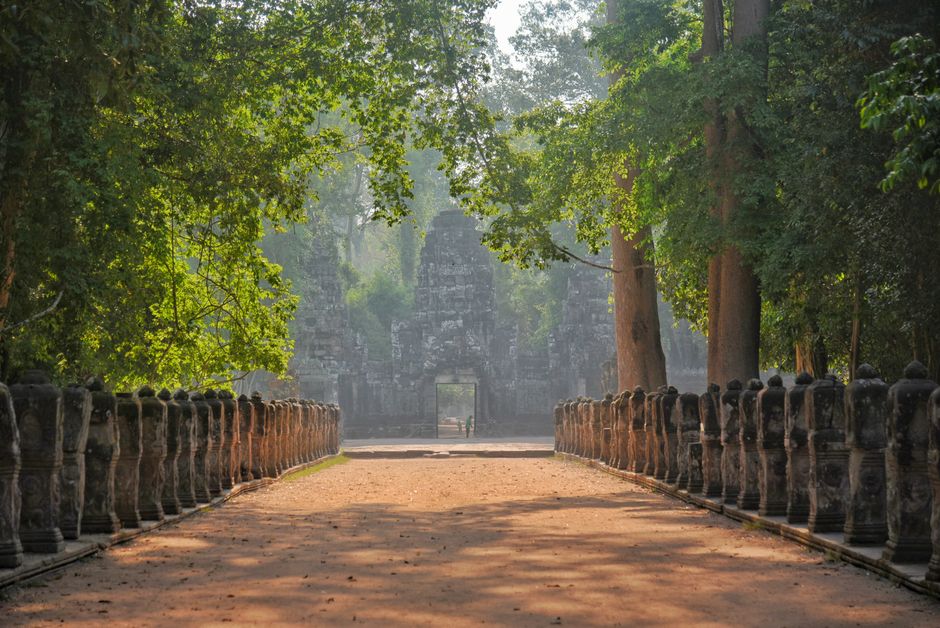
Good planning matters more than trying to see every name on a map. The park contains long roads, one-way sections, uneven ground and large spaces between monuments. Use this sequence when building a daily route.
- Group temples by location. Put nearby sites on the same morning instead of crossing the park repeatedly.
- Start with the site that matters most. If Angkor Wat is the priority, visit it when energy and attention are highest.
- Place the largest walk before the hottest hours. Open courtyards and stone steps feel much harder after midday.
- Keep one flexible stop. A smaller ruin can replace a crowded landmark when the main route slows down.
- Plan the exit. Leave enough time to return to town, shower, eat and rest before an evening activity.
- Carry less than expected. Water, sun protection, a light cover-up and secure footwear matter more than a heavy day bag.
Use timing as a crowd strategy
Sunrise is not automatically the best choice for every temple. It creates a memorable atmosphere at Angkor Wat, but the viewing area can become crowded and the sky may remain cloudy. A later morning can offer a calmer visit to another monument, especially on days when large groups follow the same headline route.
Rules, roads and restoration work can change. A flexible route protects the day from small surprises.
What should visitors expect inside the temples?
Angkor rewards patience, but it can feel confusing on the first morning. The most useful answers concern clothing, walking and the difference between a famous view and a worthwhile visit.
What should be worn?
Choose clothing that covers the shoulders and knees for religious sites. Loose, breathable fabric works better than heavy layers, and a light cover-up can help when moving between town and temple areas. Comfortable shoes with a firm sole are more useful than sandals with little grip because surfaces can be dusty, uneven or wet.
How difficult is the walking?
Most visitors can manage the main paths, but the day still involves heat, steps and long stretches without shade. Some upper levels and narrow stairways require extra care. Anyone with limited mobility should ask about route conditions before setting out and avoid building a full day around monuments that require repeated climbs.
Are the smaller temples worth visiting?
Yes, especially after the first major landmarks. Smaller sites often feel less rushed, and their setting can reveal how the complex fits into the surrounding forest and water system. The clear recommendation is to combine two or three famous monuments with at least one quieter stop. That mix creates a fuller impression than visiting only the most photographed locations.
How heat, crowds and local etiquette change the experience
Heat is the main planning problem
The tropical climate can turn a short walk into a draining effort. Stone reflects heat, open terraces offer little shade, and humidity makes the body work harder than expected. Start with the most exposed areas while energy is high. Drink regularly rather than waiting for thirst, and take breaks before fatigue becomes dizziness.
A midday pause is not wasted sightseeing time. It protects the quality of the afternoon and reduces the temptation to rush through sacred spaces. Visitors who push through the hottest hours often remember discomfort more clearly than the carvings.
Crowds follow predictable habits
Large groups tend to gather at headline sites and at famous viewpoints. The noise can be striking, but the flow usually changes after the first morning wave. Moving one stop ahead or behind the standard route can create a much calmer visit. A guide or driver with local experience can also help adjust the order when roads or entrances become busy.
Respect is part of the route
Angkor remains a religious and cultural place, not only an archaeological backdrop. Keep voices low in active worship areas, never climb on carvings, and ask before photographing people. Do not block doorways or narrow passages while taking pictures. Local residents, staff and other visitors all share the same limited space.
These habits improve the experience for everyone and prevent the most common errors: treating sacred structures as climbing frames, wearing unsuitable clothing, or turning a quiet courtyard into a photo queue.
Which Siem Reap plan fits different travel styles?
For a first visit, the three-day plan is the best choice. It gives enough time for the essential temples, a slower second route and a proper break in the middle of the day. It also leaves room for the unexpected: rain, tired legs, a delayed start or a site that deserves more time than planned.
Choose by priority
Choose two days when the temples are one part of a wider Cambodia trip. Choose three days when Angkor is the central purpose of the visit. Choose four or five days when the goal includes detailed photography, repeated visits, remote monuments or a slower connection with Siem Reap itself.
The best itinerary is not the one with the most temple names. It is the one that keeps attention alive from the first gate to the final courtyard.
| Travel priority | Best plan | Reason |
|---|---|---|
| See the essential landmarks | Two days | Efficient route with firm choices |
| Balance temples and recovery | Three days | Strong coverage without constant rushing |
| Explore at a slower pace | Four days | More flexibility for outer sites and rest |