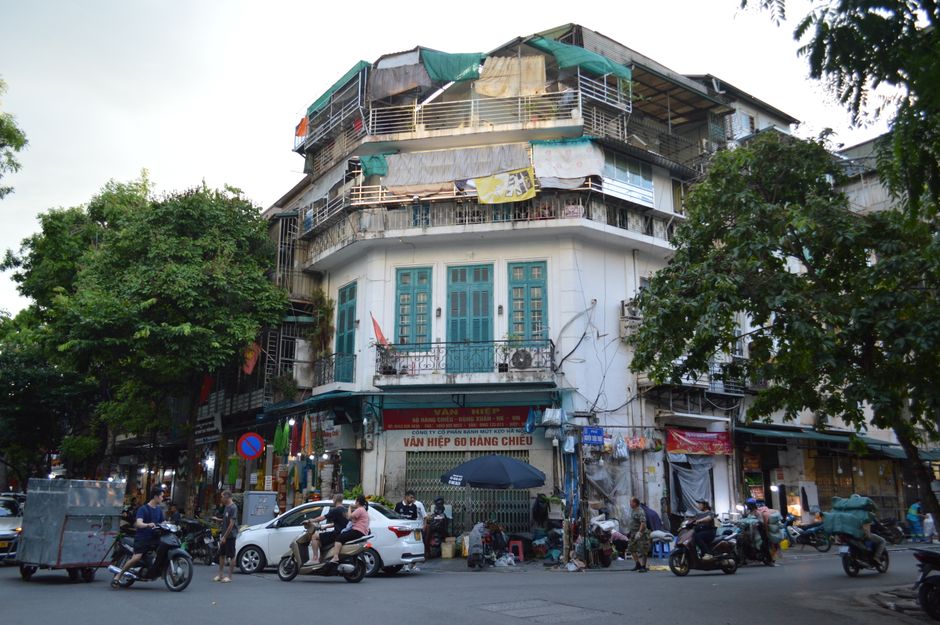
The common misconception is that Hanoi’s Old Quarter is a compact museum district that can be understood in one quick walk. A visitor may start near Hoan Kiem Lake, follow the busiest street for twenty minutes, take a few photographs, and still miss the neighborhood’s real character. The Old Quarter works better as a living maze: part market, part residential district, part food scene, and part historic trading center. The best visit depends less on covering every street than on choosing a sensible route, leaving room for pauses, and knowing when the traffic, heat, and crowds will change the experience.
How Long Do You Need in Hanoi’s Old Quarter?
Two full days gives most visitors the right balance. One day can cover the central sights and a food-focused walk, but a second morning or evening makes the area feel less rushed. The district looks small on a map, yet short distances take time because sidewalks narrow, crossing roads requires patience, and each street changes character within a few blocks.
| Available time | Best use | What to expect |
|---|---|---|
| 3 to 4 hours | Lake, central streets, one market stop | A useful introduction, but little time for side streets |
| One day | Morning walk, afternoon rest, evening food route | The main highlights with moderate walking |
| Two days | Historic core, markets, local meals, nearby districts | The strongest balance of sights and slower exploration |
| Three or more days | Old Quarter plus museums, lakes, and day trips | More flexibility when weather or crowds disrupt plans |
A practical first-day route
Start near Hoan Kiem Lake early, before the streets become busy. Walk toward the northern lanes, then continue through the streets known for traditional goods and small workshops. Reach Dong Xuan Market before midday, when the building is active but not yet at its most crowded. Return toward the lake through different streets rather than retracing the same route. This creates a roughly four-hour loop with time for breakfast and short stops.
Why a second day helps
Use the second day for the streets missed during the first walk, a slower meal, and the area near the French Quarter. The contrast matters: the Old Quarter feels dense and commercial, while the French Quarter has wider streets, grander buildings, and a calmer rhythm. The verdict is clear: one day works for a short stop, but two days gives the neighborhood enough time to make sense.
What Should You Do on a One-Day Old Quarter Itinerary?
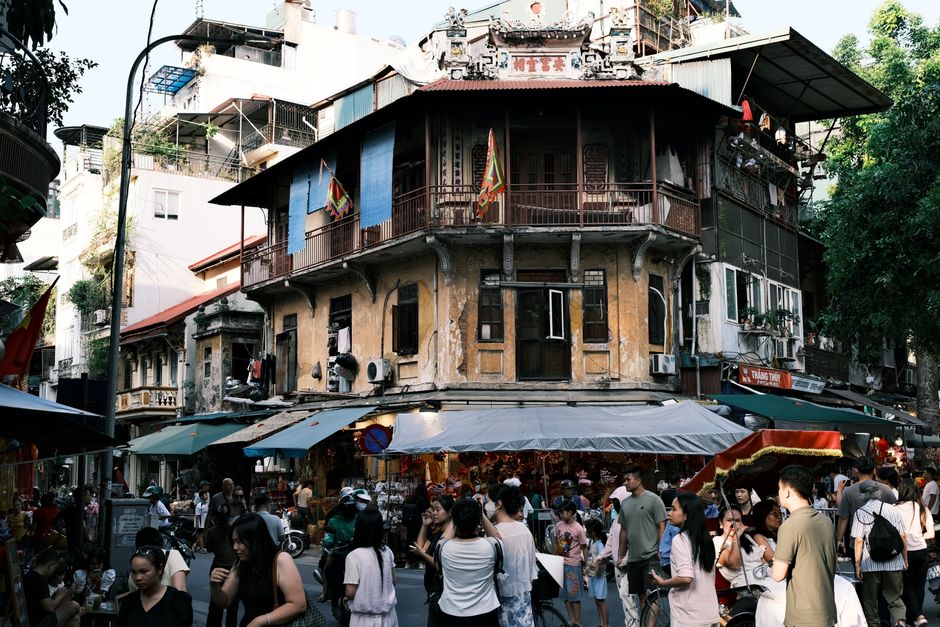
The strongest one-day plan follows the district’s natural rhythm instead of packing every attraction into a rigid schedule.
- Begin before 8 a.m. Start at Hoan Kiem Lake, when the air feels cooler and residents gather for exercise. Walk around part of the lake, then enter the Old Quarter from the northern side.
- Spend the morning on foot. Choose several streets with different identities rather than trying to walk every lane. Look for shopfronts, old tube houses, street kitchens, and goods displayed close to the pavement.
- Reach Dong Xuan Market before lunch. The market offers a clear view of Hanoi’s trading culture, but narrow aisles and busy movement make it tiring later in the day.
- Take a midday break. Heat, humidity, and traffic noise build quickly. A shaded meal or an hour indoors improves the rest of the itinerary more than adding another sight.
- End near the lake. The open space provides a calmer finish and makes navigation easier if the group has separated during the walk.
How to adjust the route for different travelers
Families should shorten the walking loops and plan regular breaks because scooters, uneven pavement, and crowded crossings demand constant attention. Older travelers may enjoy the lake, market, and French Quarter more than a full network of narrow lanes. Visitors who care most about food should keep the sightseeing route short and reserve the evening for several small meals rather than one long restaurant visit.
What to leave out
The Old Quarter rewards observation, not speed. The best one-day verdict is a compact morning route, a protected midday pause, and a second walk after the heat eases.
How Does Hanoi’s Old Quarter Change Through the Day?
The Old Quarter is not one fixed experience. Morning, afternoon, and evening reveal different versions of the same streets, and planning around those changes prevents the most common disappointment: arriving at the right place at the wrong time.
Morning: the clearest view of daily life
Early morning brings the best conditions for walking. The light is softer, traffic is lighter in some lanes, and photographs show more detail. This period suits travelers who want to understand how the neighborhood functions rather than only see its busiest public face.
Morning also works well for markets. Fresh goods move quickly, and the atmosphere feels practical rather than staged. A respectful visitor should avoid blocking entrances, touching items without permission, or photographing people at close range without asking.
Afternoon: the hardest period for long walks
Heat and humidity can make a short map distance feel much longer. Pavements may disappear beside parked motorbikes, forcing pedestrians closer to moving traffic. Afternoon rain can arrive suddenly during wetter periods, so a flexible plan matters more than a perfect route. Use this time for lunch, rest, indoor visits, or a short walk through the French Quarter.
Evening: lively, crowded, and less predictable
After sunset, the district becomes more social. Food stalls, small gatherings, and evening activity fill the streets, while traffic remains intense. The atmosphere feels exciting, but navigation becomes harder and noise levels rise. Keep valuables secure, agree on a meeting point, and avoid standing in the road to take photographs.
The clear recommendation is to do serious sightseeing in the morning, protect the middle of the day, and return in the evening only for the atmosphere. That pattern gives the neighborhood variety without turning the visit into an endurance test.
What Should Visitors Know Before Walking the Old Quarter?
Is the Old Quarter easy to navigate?
The main landmarks are easy to locate, but the smaller streets can feel confusing because many lanes look similar. Download an offline map before leaving reliable internet access. Use Hoan Kiem Lake, Dong Xuan Market, and the edge of the French Quarter as anchor points. A simple route with two or three anchors works better than constant map checking.
Street names often reflect the goods once sold there, yet the modern scene does not always match the name. Treat the names as clues, not guarantees.
What causes the most trouble?
Three mistakes appear again and again. First, visitors wear unsuitable shoes and underestimate uneven pavement. Second, they cross roads by waiting for a completely empty gap that may never come. Walk at a steady, predictable pace when local pedestrians begin crossing, and avoid sudden stops. Third, they plan a long outdoor route during the hottest hours.
Keep bags closed and carried toward the inside of the sidewalk. Small misunderstandings become easier to avoid when expectations are clear and polite.
What local behavior earns respect?
Dress with reasonable modesty when entering religious sites, ask before photographing people, and do not treat residential doorways as scenic props. Small businesses may operate directly beside family homes, so loud conversations and blocked entrances create real disruption. The verdict: thoughtful behavior improves the visit more than any checklist of hidden streets.
Which Part of Hanoi’s Old Quarter Is Best for Your Visit?
The best choice for most first-time visitors is a route that links Hoan Kiem Lake, the central trading streets, and Dong Xuan Market. It offers the clearest mix of history, daily life, food, and movement without requiring a long transfer across the city.
Choose the lake and central lanes for a first visit
This area suits travelers with limited time. The lake provides an easy starting point, while the nearby streets introduce the Old Quarter’s dense layout and street-level commerce. It also offers the simplest escape when the heat or traffic becomes too much. For a first visit, this is the most reliable base because the route contains variety within a manageable distance.
Choose the market and northern lanes for atmosphere
The northern section feels busier and more practical. It suits visitors who want to see wholesale activity, traditional goods, and crowded market movement. The trade-off is comfort: the lanes can feel cramped, noisy, and less relaxing. Avoid this area during the busiest period if enclosed spaces or heavy crowds cause stress.
Choose the French Quarter for space and contrast
The French Quarter works best when the Old Quarter feels overwhelming. Its broader streets and larger buildings create a clear change of pace, making it a good afternoon alternative or a calmer final walk. It cannot replace the Old Quarter’s narrow lanes and market energy, but that difference is exactly its value.
Do not judge the district by one rushed circuit. For a satisfying Hanoi visit, match the route to the time available, walk early, pause during the heat, and let the Old Quarter remain a working neighborhood rather than a backdrop built only for sightseeing.