A first weekend in Porto can disappear quickly. The city looks compact on a map, but steep lanes, slow viewpoints, cellar visits and river walks make the distances feel longer. Arrive without a plan and the best parts of Ribeira may be crowded before breakfast, while the Douro waterfront gets pushed aside by an overlong lunch.
The most effective route is simple: explore Porto’s historic centre early, cross to Vila Nova de Gaia for the Port cellars after lunch, then reserve one riverside walk for late afternoon. This plan leaves room for tiled churches, small cafés, local food and unplanned viewpoints without turning the weekend into a checklist.
How to fit Porto into two useful days
The best split: old city first, Gaia second
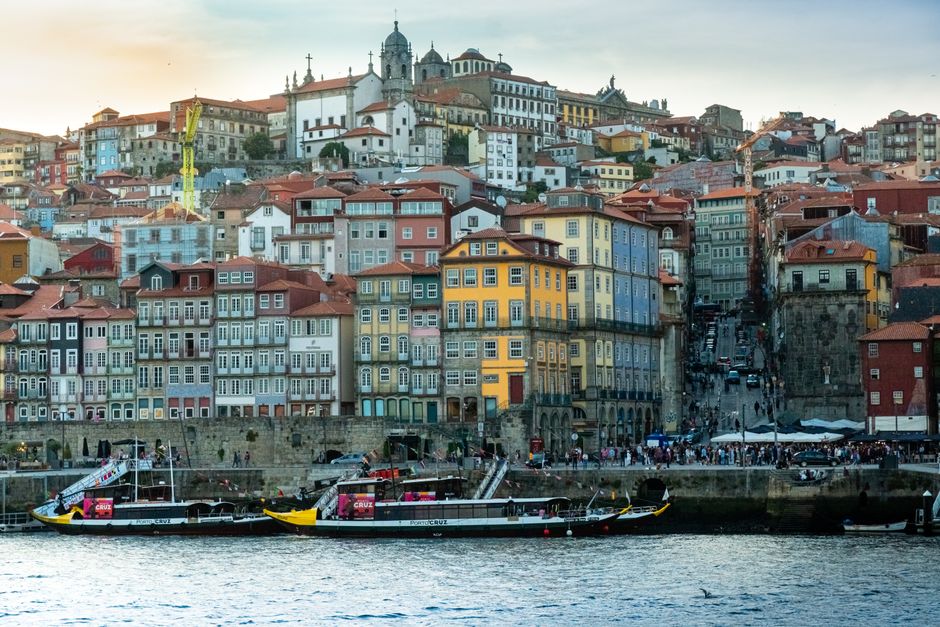
Keep the first morning on Porto’s north bank. Ribeira, São Bento station, the cathedral area and the upper bridges sit close enough to connect on foot. Start early because the lanes around the river become busy later, and morning light gives the old façades more depth. Cross into Gaia only after the main historic sights are complete.
A workable two-day rhythm
- Saturday morning: begin at São Bento, continue to the cathedral, then walk downhill through the historic streets to Ribeira.
- Saturday evening: stay near the river for dinner, but walk uphill before returning if the waterfront feels too busy.
- Sunday morning: explore Clérigos, Carmo and the quieter streets around Cedofeita.
- Sunday afternoon: follow one Douro route toward Foz or take a shorter walk along the Gaia side.
One anchor per half-day works better than six fixed bookings. Porto rewards pauses, and the hills make rushed schedules tiring.
What to do in Ribeira without wasting the morning
Start before the waterfront fills
Begin at the upper end of the route rather than beside the river. São Bento station is worth entering for its azulejo panels, but it needs only a short visit unless a train journey is part of the plan. From there, walk toward the cathedral for a broad view across the rooftops. The cathedral terrace is one of the quickest ways to understand Porto’s layout: the old centre falls toward the Douro, while Gaia rises across the water.
Continue through the narrow streets instead of taking the fastest road downhill. The Sé district has irregular lanes, small doorways and sudden openings toward the river. This is where comfortable shoes matter most. Smooth-looking streets can change into polished stone steps, and wet paving becomes slippery after rain.
Use Ribeira as a neighbourhood, not a photo stop
At the waterfront, pause beside the river before following the promenade east or west. The square is lively, but the side streets reveal more of the district’s character. Look for working entrances, laundry above the lanes and façades that show how tightly the houses were built. Avoid spending the entire morning at one viewpoint. Ribeira is strongest when used as a connecting route between the upper centre, the bridge and the river.
A good verdict is clear: visit Ribeira early, walk slowly downhill and leave before the waterfront becomes the only thing seen. The experience improves when the river is one part of the morning rather than the whole plan.
How to visit the Port cellars in Gaia
Make Gaia a timed afternoon visit
Gaia sits across the Douro, but the crossing is not a quick change of neighbourhood. The bridge route, viewpoints and cellar entrances can turn a short visit into several hours. Book or check cellar entry times before crossing, then allow extra time for the bridge and the viewpoints above the river. A guided tasting usually takes longer than a simple visit, so it should be the afternoon’s main activity.
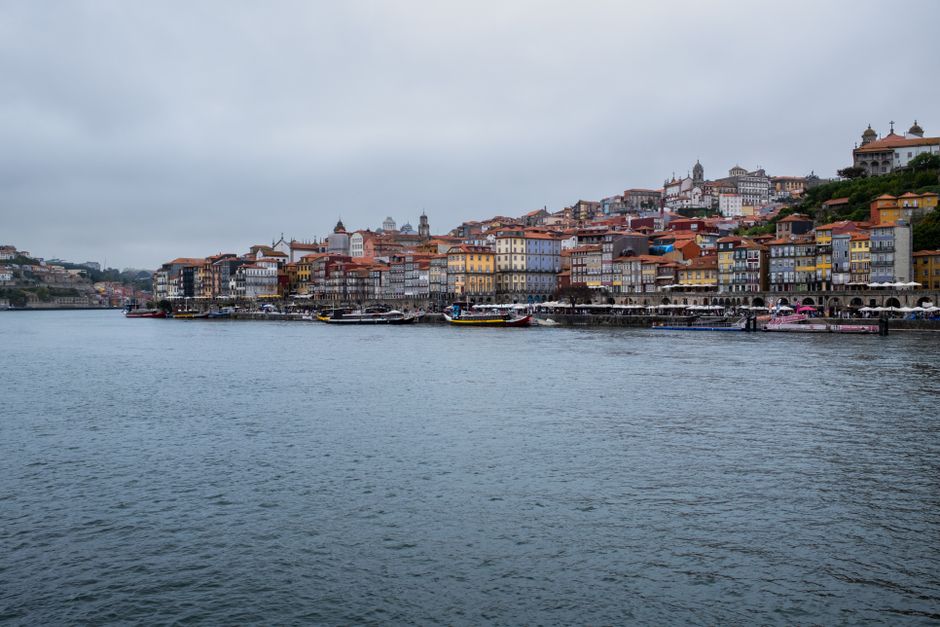
Gaia after lunch is the strongest choice because the river-facing terraces catch warmer light later in the day, while the north bank remains available for historic sights in the morning.
Choose the cellar experience by interest
- Choose a traditional lodge tour for storage history, barrel rooms and an explanation of how Port develops.
- Choose a shorter tasting for a first introduction when the weekend schedule is tight.
- Choose a smaller specialist visit for more detailed discussion and fewer large groups.
- Skip a second cellar if the first tour already covers the main styles and production stages.
Do not treat every cellar as interchangeable. Tour length, tasting format, building history and views differ. One well-chosen visit gives more value than rushing through several names.
Which riverside walk fits the afternoon?
Pick one river direction
| Route | Approximate distance | Time needed | Best feature |
|---|---|---|---|
| Ribeira to Foz | About 5 km | 1.5 to 2 hours | Long views, beaches and the Atlantic edge |
| Gaia riverfront west | About 3 km | 1 to 1.5 hours | Cellar façades, river light and skyline views |
| Ribeira east toward the Freixo area | About 4 km | 1.5 hours | Quieter river scenery and fewer central crowds |
The clear choice for a short weekend
For most visitors, the Gaia riverfront is the best afternoon walk because it links naturally with a cellar visit and keeps Porto’s skyline in view. Choose Foz when the weather is bright and the Atlantic matters more than historic streets. Choose the shorter bridge route when tired legs, rain or a late dinner make a compact plan sensible.
The route should match the remaining daylight. The western walk is more exposed to wind, while the central riverfront is easier after dark. A short walk completed well is better than a long route abandoned halfway.
What can go wrong on a Porto weekend?
What to do when weather turns
Rain does not ruin Porto, but it changes the order. Move São Bento, the cathedral interiors, cellar tours and covered cafés earlier. Save the river walk for a clear gap. Wet stone deserves caution, especially on steps around the Sé district. If the wind is strong near the Atlantic, stay closer to the central Douro and use the extra time for a slower meal.
Keep the neighbourhood sequence, but move outdoor sections around the weather.
Porto weekend questions, answered
Is two days enough for Porto?
Two days are enough for a focused first visit covering Ribeira, the upper historic centre, one Gaia cellar and one riverside walk. A longer stay allows day trips, museums, Foz and slower neighbourhood exploration. The weekend plan works because it protects the city’s main experiences without pretending to cover every street.
Should the Port cellars come before Ribeira?
No. Keep Ribeira and the upper centre on the first morning, then cross to Gaia in the afternoon. This order reduces backtracking and gives the riverfront better late-day light. It also keeps the most flexible part of the schedule before a timed cellar visit.
What is the best final walk?
Choose the Gaia waterfront for skyline views, Foz for open Atlantic scenery or the shorter bridge route when energy is limited. The best final walk is the one that matches the weather and leaves enough time to reach dinner without rushing.
Porto is becoming easier to visit, but its appeal still comes from walking at the city’s own pace: one hill, one view, one river crossing at a time. A well-planned weekend leaves enough structure to see the essentials and enough space for the next unexpected turn.