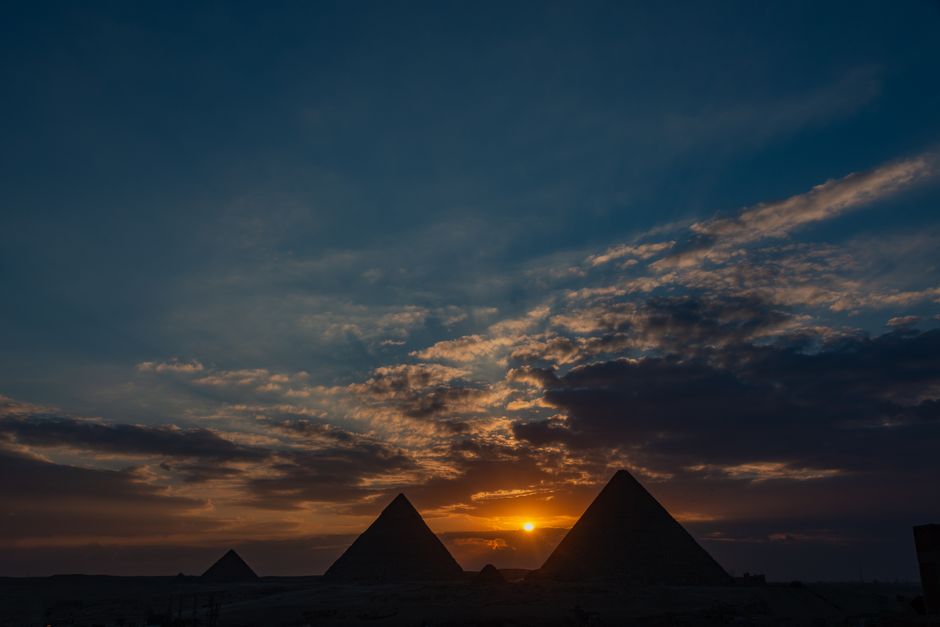
The usual mistake starts with a flight that lands late, a packed first morning, and a plan to see the pyramids at the hottest part of the day. Cairo rewards a slower, better-timed approach. The pyramids need half a day, the historic center needs another, and the city itself needs room for traffic, queues, strong tea, sudden street scenes and the simple pleasure of watching the Nile move through the evening.
How many days are needed for Cairo and Giza?
Three full days provide the best balance for a first visit. Two days can cover the major sights, but the schedule becomes fragile as soon as traffic, tiredness or a delayed entry causes a change. Four or five days suit travelers who want more museums, religious history, markets or a day trip outside the capital.
A realistic three-day itinerary
| Day | Morning | Afternoon | Evening |
|---|---|---|---|
| Day 1 | Giza pyramid complex before the strongest heat | Lunch and rest near the accommodation | Nile-side walk or relaxed dinner |
| Day 2 | Egyptian Museum or another major museum | Historic Cairo, mosques and old streets | Market visit with time for unplanned stops |
How to adjust the plan
With only two days, place Giza on the first full morning and keep the afternoon light. The second day can combine a museum with historic Cairo, but avoid placing several distant districts on the same route. With four days, add Saqqara, Memphis or a longer visit to Coptic Cairo rather than forcing more stops into every day.
The strongest itinerary keeps one flexible block each day. Cairo is not a city where every transfer takes the time shown on a map. A short road journey can stretch well beyond an hour during busy periods. The extra space prevents one delayed car ride from damaging the entire visit.
What is the best way to visit the Giza pyramids?
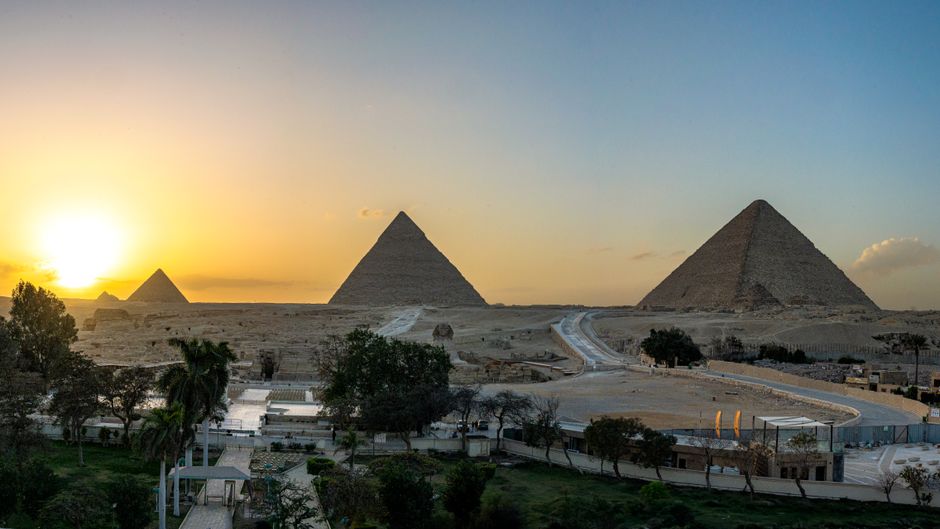
Arrive early, enter with a clear route, and leave before the afternoon heat becomes the main story. The pyramid plateau is open and exposed, with little shade between major points. A morning visit gives better walking conditions, softer light and more energy for understanding the site.
Use this walking order
- Start at the main entrance and confirm the day’s access arrangements before walking deeper into the plateau.
- See the Great Pyramid first, while the approach is quieter and the light is less harsh.
- Continue to the second pyramid and the broad viewpoints that show all three major pyramids together.
- Visit the smaller pyramids and surrounding tomb areas if time and heat allow.
- Finish near the Sphinx, then arrange transport from a known meeting point.
What to carry and wear
Wear closed walking shoes with a firm sole. The ground includes dust, uneven stone and sloping paths. Light clothing, sunglasses, a hat and enough water matter more than a stylish outfit. A scarf or light overshirt helps with sun and dust, while a small bag keeps hands free for climbing-free walking and photographs.
Do not plan the pyramids as a quick photo stop. The scale is difficult to understand from a single viewpoint, and the best experience comes from pausing at several angles. At the same time, do not accept every proposed detour, ride or private service offered inside or near the site. A firm, polite refusal is enough.
What should visitors expect at the Giza pyramid complex?
The Giza plateau is both a major archaeological site and a busy working visitor area. Expect heat, dust, persistent approaches from people offering rides or guiding help, uneven surfaces and frequent pauses for photographs. That does not make the visit unpleasant, but it does mean the setting feels less controlled than a quiet museum.
Why the site feels larger than expected
The three main pyramids are not arranged as a compact row. Viewpoints, entrances and the Sphinx are spread across a wide plateau. A photograph can make the distance look short, yet walking between points takes time, especially in the sun. Build in pauses rather than racing from one monument to the next. The landscape itself is part of the experience: desert on one side, dense Cairo on another, and construction, roads and daily life close to the ancient stones.
How to handle guides and offers
Visitors may hear offers for camel or horse rides, informal guiding, photographs or shortcuts. Some services can be useful, but pressure is the warning sign. Ask for the full arrangement before agreeing, including duration, route and final payment. If the answer changes after the service starts, end the arrangement calmly and return to the marked visitor route.
Inside narrow chambers, crowding can become uncomfortable. People with claustrophobia, breathing problems or limited mobility should check the route before entering. The most rewarding part of Giza is not a required climb into every interior space. A person can understand the site through its exterior scale, tomb layouts, viewpoints and historical setting without forcing an unsuitable section.
Which Cairo local tips make the biggest difference?
The best local rule is to protect energy before chasing sights. Cairo works better when mornings carry the demanding visits and afternoons allow rest. Heat, noise and traffic add up quickly, even for fit travelers.
Daily habits that prevent trouble
- Keep a translation of the accommodation address available in Arabic and English.
- Use a trusted taxi arrangement or a reputable ride service instead of accepting an unsolicited ride.
- Drink sealed or treated water and choose busy food places with high turnover.
- Dress with shoulders and knees covered when visiting mosques or religious neighborhoods.
- Ask before photographing people, especially children, workers and worshippers.
- Leave generous time for security checks at museums and major monuments.
How to behave in streets and religious sites
Cairo is social and direct. Shopkeepers, drivers and guides may speak with confidence and enthusiasm, but a visitor does not need to match that volume. A clear no, followed by continued walking, usually works better than a long explanation. Bargaining belongs in informal markets, not everywhere. For a mosque, wear suitable clothing, remove shoes when asked and keep voices low.
Meals deserve time. The best local experience may be a simple breakfast, a bowl of street food from a busy stall or tea in a neighborhood café rather than a rushed meal beside a landmark. Keep valuables close in crowded areas, avoid displaying large amounts of cash and use a cross-body bag that closes fully. These habits are ordinary travel sense, not reasons to fear the city.
What mistakes should be avoided in Cairo and Giza?
A first visit becomes much easier when the predictable errors are removed. The biggest problem is not missing one sight. It is spending the entire trip tired, overheated and stuck in transfers.
Common planning mistakes
- Scheduling Giza after midday: The plateau becomes harder to walk and less comfortable for long viewpoints. Choose an early start.
- Booking too many distant districts together: Cairo’s map hides traffic delays. Group nearby sights instead of crossing the city repeatedly.
- Leaving no recovery time: A late arrival should not be followed by a full sightseeing morning. Sleep first and protect the next day.
- Assuming every offer is included: Confirm access, transport and service details before accepting help.
- Relying on card payments everywhere: Keep a small cash reserve for places that cannot process electronic payments.
- Ignoring religious dress: Carry a light layer so a spontaneous mosque visit does not become impossible.
When not to add another attraction
Skip an extra museum or distant neighborhood when the day already includes Giza, a long transfer and an evening reservation. The added sight will rarely compensate for the lost time and rising fatigue. Saqqara also deserves a dedicated half-day rather than being squeezed into a rushed pyramid morning.
The clearest plan is simple: start Giza early, keep the middle of the day flexible, and use the second and third days to explore Cairo by district. That approach leaves room for the real city around the monuments, from river views and old lanes to ordinary meals and conversations. The late-arriving traveler who once faced a punishing first morning can instead reach the pyramids with enough time, water and attention to see why the place still feels enormous after thousands of years.