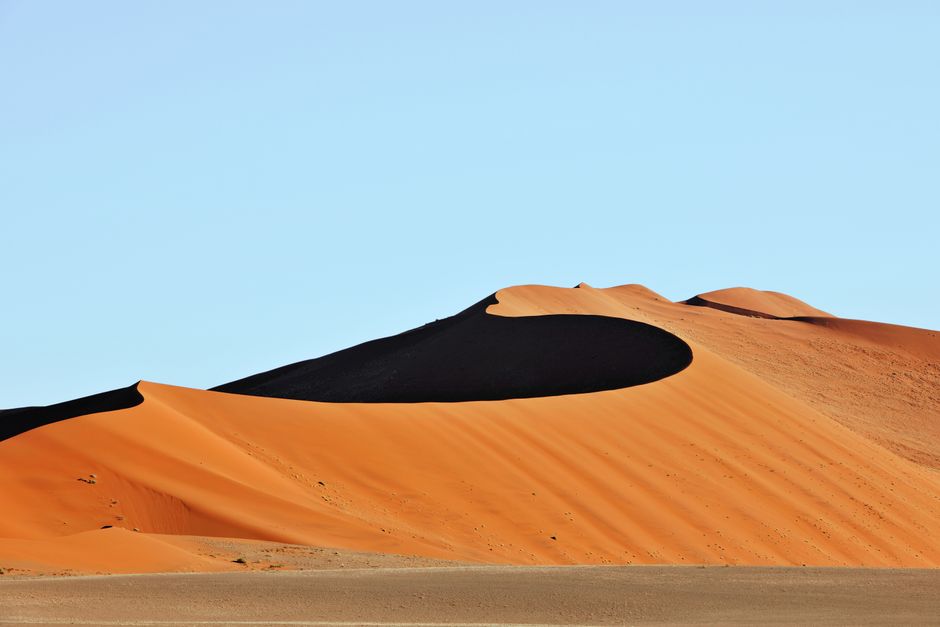
Namibia rewards travelers who leave space in the schedule. The best route links the red dunes of Sossusvlei, the wide emptiness of the Namib Desert, and the cooler Atlantic towns around Swakopmund and Walvis Bay. A realistic first trip needs at least nine or ten days, and twelve to fourteen days feels far better. Distances are long, roads can be rough, and the landscape changes slowly before it suddenly changes completely.
The strongest plan combines two or three desert bases with one coastal stop and a flexible final day. That approach gives enough time for sunrise at the dunes, a guided desert activity, wildlife viewing, and a quiet evening beside the ocean. It also reduces the risk of turning the entire holiday into a rushed driving challenge.
Why Namibia Works Best as a Slow Road Trip
Namibia is not a destination built around constant sightseeing. Its appeal comes from scale: empty gravel plains, sharp mountain ridges, dry riverbeds, salt pans and dunes that change color with the sun. The journey between places forms part of the experience, but only when the route leaves room for stops and delays.
The landscape needs time
Short visits often focus on one famous dune area and miss the contrast that makes Namibia special. The red sands around Sossusvlei look almost unreal, while the central desert feels pale, stony and severe. Farther west, fog rolls in from the Atlantic and creates a cool coastal climate. These zones sit within the same country but demand different clothing, driving habits and expectations.
The clear verdict
Namibia suits travelers who enjoy open space, early starts and self-guided exploration. It is a poor match for anyone seeking dense city life, short transfers or a packed list of attractions every afternoon. The best trip protects the quiet parts instead of treating them as wasted time.
Plan around sunrise, sunset and road conditions. Midday often brings harsh light and heat, while the first and last hours of daylight reveal the strongest colors.
How to Build a Practical Namibia Itinerary
A ten-day route can cover the country’s most accessible highlights without pretending that every region fits into one holiday. The following schedule favors a steady pace and keeps the longest drives manageable.
| Days | Base | Main plan |
|---|---|---|
| 1 | Windhoek | Arrive, recover and check supplies |
| 2-3 | Sossusvlei area | Dune sunrise, Deadvlei and Sesriem Canyon |
| 4 | Namib-Naukluft region | Scenic drive through desert and mountain passes |
| 5-6 | Swakopmund | Town walk, desert excursion and coastal food |
| 7 | Walvis Bay | Lagoon, dunes and marine wildlife |
| 8-9 | Damaraland | Rock formations, desert-adapted wildlife and local history |
| 10 | Windhoek | Return with time for delays |
Travelers with twelve or more days can add Etosha National Park or spend longer in Damaraland. The important choice is not adding every possible stop. It is keeping two nights in the places that matter most. One-night stays create packing, checking in and route-finding work at the exact time the desert should feel unhurried.
What Should Travelers Expect on Namibia’s Roads?
Are the distances harder than they look?
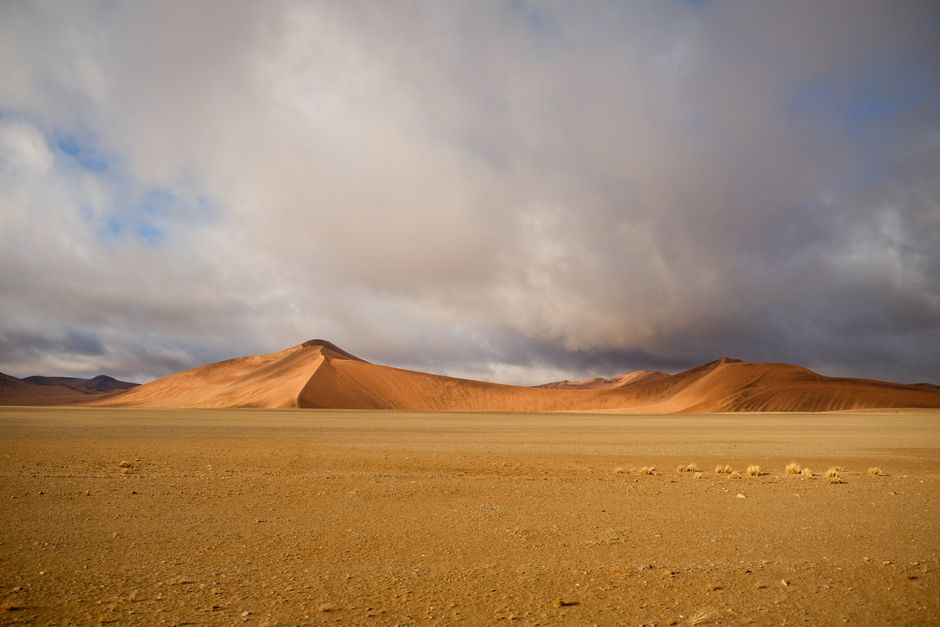
Yes. A route that appears short on a map may take much longer on gravel, especially after rain or on corrugated sections. Driving times also grow when travelers stop for viewpoints, wildlife or tire checks. The safe approach sets a conservative arrival target and avoids planning a major activity immediately after a long transfer.
What should go in the vehicle?
Carry more water than seems necessary, plus snacks, a paper map, a charged phone, a power bank and basic first-aid supplies. Keep fuel planning ahead of the next town rather than waiting for the tank to look low. Tire pressure matters on changing surfaces, so check it before leaving paved roads and ask locally about current conditions.
What is the biggest driving mistake?
Speed is the main avoidable problem. Gravel can hide dips, loose stones and animals near the road edge. Driving slowly also protects the vehicle and leaves more attention for the scenery. Avoid night driving outside towns because visibility drops quickly and wildlife may move across the road.
The practical verdict is simple: treat every transfer as a travel day, not as empty space between attractions.
How to Visit the Dunes Without Ruining the Morning
Reach the dunes before sunrise and build the whole day around that decision. The early light gives the sand its deepest color, the temperature remains manageable, and the most famous viewpoints feel calmer before the heat arrives. A late start often means a harder walk, flatter photographs and less energy for the rest of the day.
- Pack water, a hat, closed shoes, a light layer and a small bag for waste. Sand reflects heat, even when the air still feels cool.
- Leave enough time to reach the entrance, pass through the access area and continue toward the main dune sites. Entry procedures and road conditions can slow the morning.
- Choose one major climb instead of attempting every dune. A shorter ridge often gives a better view than an exhausting ascent under direct sun.
- Walk on firmer sand where possible. Deep soft sand increases effort and can turn a short distance into a serious physical challenge.
- Visit Deadvlei only when energy and water reserves allow it. The final walk can feel much longer than expected in the heat.
- Use the hottest part of the day for lunch, rest or a shaded canyon visit. Desert travel works better when the schedule follows the climate.
Do not treat the desert as a backdrop that requires constant movement. Sit quietly for a few minutes and watch how the dune shadows move. That pause often becomes more memorable than a rushed checklist of viewpoints.
What Are Swakopmund and Walvis Bay Really Like?
The coast changes the rhythm of a Namibia trip. Swakopmund has old German colonial buildings, broad streets, cafés and a strong outdoor-tourism scene, while Walvis Bay feels more functional and is shaped by its harbor, lagoon and working waterfront. Neither town resembles a tropical beach resort. Cold Atlantic water, wind and morning fog are common, even when the desert inland feels hot.
Why stop in Swakopmund?
Swakopmund is the easiest place to rest after several days on the road. The town also works well as a base for exploring nearby desert ecosystems, where experienced guides explain how small animals survive without regular surface water.
Why add Walvis Bay?
Walvis Bay offers a different view of the coast. The lagoon attracts flamingos and other birds, while boat trips and shoreline excursions may reveal dolphins, seals and seabirds. Conditions vary, so marine wildlife should never be treated as guaranteed. The strongest reason to visit is the contrast between industrial harbor activity, wetland habitat and bare dunes.
What should travelers pack?
Bring layers rather than relying on desert heat. A fleece, windproof jacket, long trousers and sunglasses can matter more at the coast than extra warm-weather clothing. Sand gets everywhere, so protect cameras and keep small electronics in sealed bags during windy outings.
The clear choice is Swakopmund for atmosphere and easy downtime, and Walvis Bay for wetlands and marine scenery. Two nights between them gives the coast enough room to feel like a real part of the journey.
Which Namibia Mistakes Are Easiest to Avoid?
The following problems cause the most frustration.
- Overloading the route: Adding Etosha, the southern desert, the coast and the far northwest to a short trip creates exhausting transfers. Remove one region before removing rest days.
- Ignoring seasonal conditions: Rain can affect gravel roads, while winter nights in the desert can feel surprisingly cold. Check local road updates shortly before each long drive.
- Underestimating fuel gaps: Never assume the next service station is close because the map looks populated. Plan around confirmed fuel stops and refill early.
- Skipping a buffer night: A flat tire, weather delay or slow road can disrupt a tightly timed departure. Keep the final night near the airport or return point.
- Expecting constant wildlife: Namibia’s desert landscapes offer subtle sightings rather than nonstop encounters. Wildlife viewing improves with patience, early starts and realistic expectations.
- Forgetting local communities: Desert towns and rural areas are not empty stages. Ask before photographing people, follow access rules and choose guides who explain local context.
For a first visit, the strongest route is the one that protects two-night stays.
Namibia works best when the schedule leaves room for silence, weather and distance. The route below summarizes the strongest use of each stop.
| Place | Best for | Main trade-off |
|---|---|---|
| Sossusvlei | Dunes, sunrise and desert scenery | Early starts and heat |
| Swakopmund | Rest, cafés and guided activities | Wind and cool ocean weather |
| Walvis Bay | , lagoon and marine life | Less historic atmosphere |
| Damaraland | Rock landscapes and desert wildlife | Longer drives and fewer services |
| Etosha | Classic wildlife viewing | Requires extra route time |