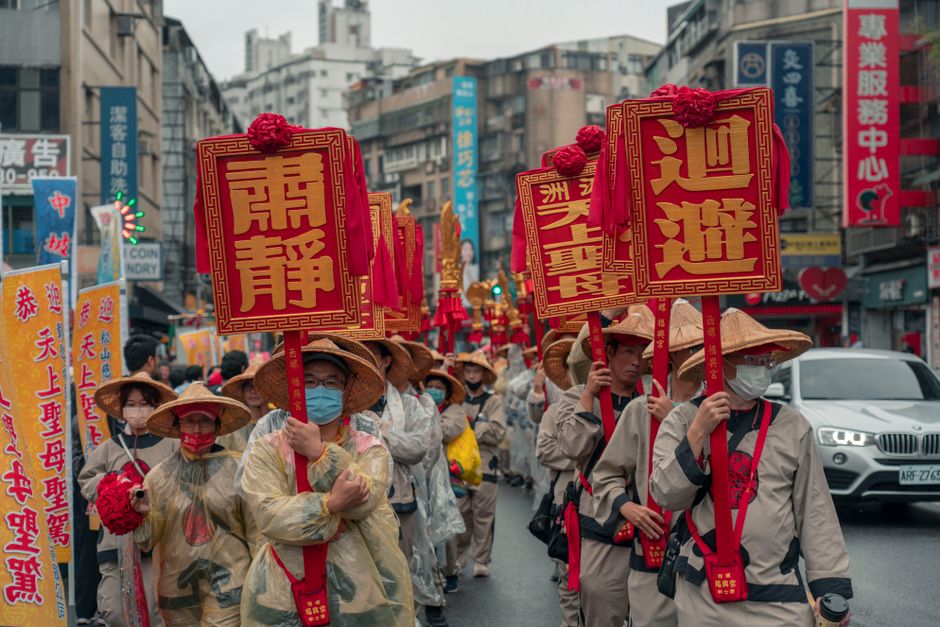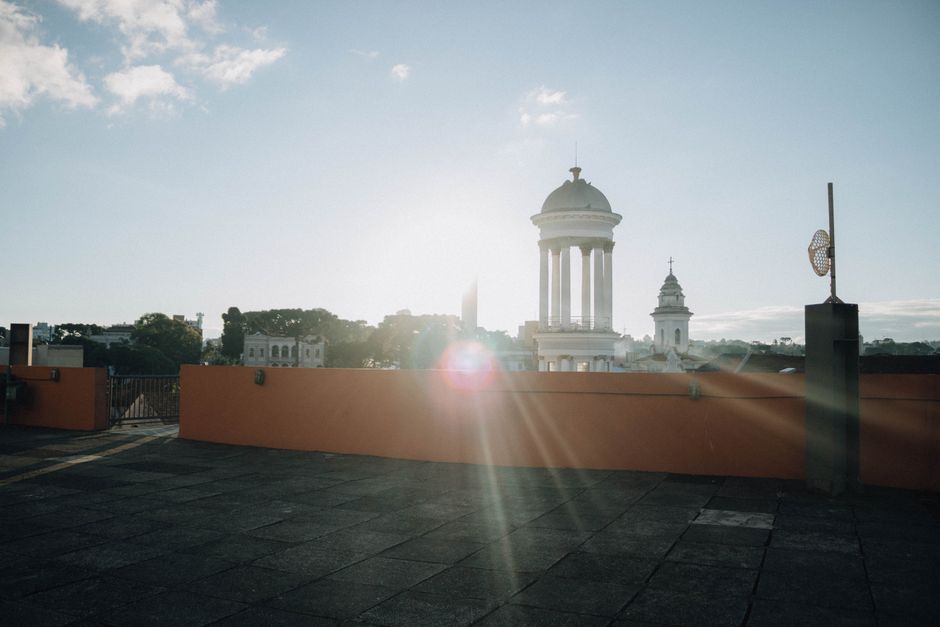
The best way to see a famous sight quietly is to plan around crowd movement, not simply arrive early and hope for the best. Enter during the first available time slot, visit the busiest outdoor areas before the tour groups arrive, and place indoor attractions in the middle of the day when streets and viewpoints become crowded.
Start With the First Entry Window
Book the earliest practical entry time whenever the attraction allows timed admission. This is the most reliable strategy because the first visitors arrive in small waves, staff have had time to prepare the site, and large tour groups usually need more time to gather. The quietest period often lasts only 30 to 60 minutes, so arriving at the gate before opening matters.
Why the first hour works
Most visitors follow a predictable rhythm. They eat breakfast, travel toward the main sight, take photographs outside, and enter between late morning and midday. Tour operators also prefer schedules that fit neatly into a full day, which makes the middle of the morning far busier than the opening window. A first-entry visit can mean shorter security lines, clearer views, and less pressure to move through small rooms.
Arriving too early can still create problems if the entrance is in a quiet area with limited transport. Check the walking route, station opening time, and estimated transfer before choosing a slot. A 7:30 entry is not useful if the first train arrives at 7:45.
How to plan the opening visit
Arrive 20 to 30 minutes before the stated entry time. Keep tickets, identification, and reservation details ready before reaching the gate. Use the first hour for the most popular room, viewpoint, or courtyard, then move toward secondary areas while other visitors are still entering.
Use a Timing Map, Not a Single Magic Hour
A famous sight rarely stays quiet all day. The better approach is to divide the visit into windows and match each place to the period when it handles visitors best. Local opening hours and seasonal schedules still need checking before departure.
| Place or activity | Quieter window | Usually busier | Best planning move |
|---|---|---|---|
| Historic landmark | Opening time to 9:30 | 10:30 to 15:00 | Enter first and visit the main interior before the exterior viewpoint |
| Popular museum | Late afternoon or final two hours | 11:00 to 14:00 | Start with the headline gallery, then explore smaller rooms |
| Scenic viewpoint | Sunrise or the final hour before sunset | Midday and sunset | Choose sunrise for space or reserve a late slot in advance |
| Central market | First hour or after 16:00 | 11:30 to 14:30 | Visit before lunch, then leave before the dining rush |
| Old town street | Before 09:00 | 12:00 to 18:00 | Walk the main route early and use side streets later |
Why the middle of the day needs a different plan
Between late morning and mid-afternoon, the main sight may be full even on a weekday. This is the right time for a museum with timed capacity, a long lunch away from the central square, or a residential district with no headline attraction. Moving indoors can protect the itinerary from heat, rain, and crowds at the same time.
Build the Route Around Crowd Flow
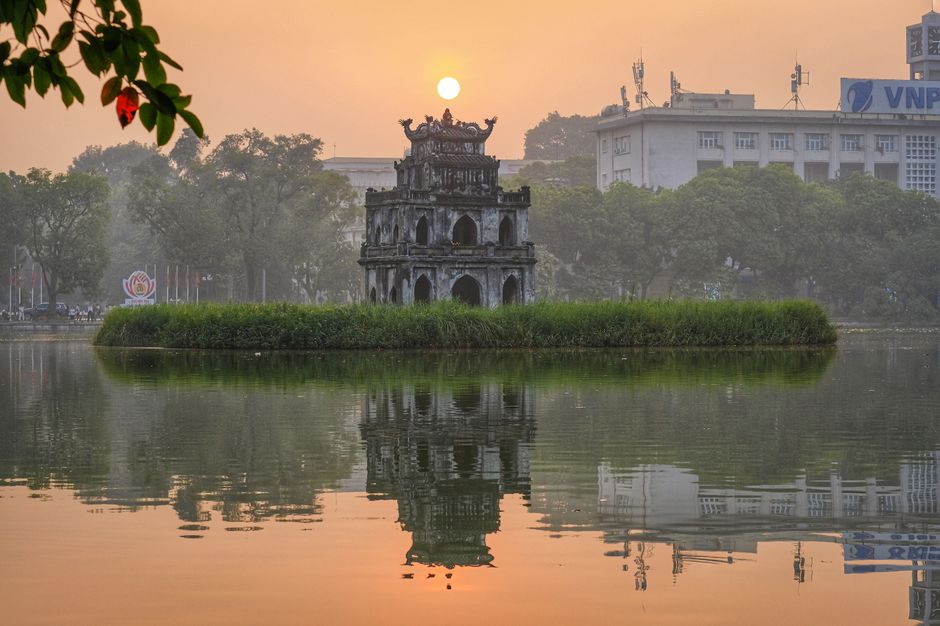
The route between sights often creates more stress than the sights themselves. A poor itinerary sends visitors back and forth across the same district, places every famous stop at noon, and leaves no room for a queue. A strong itinerary follows the direction of visitor movement and uses one major sight as the day’s anchor.
Place one headline sight first
Choose the attraction that would cause the greatest disappointment if the visit failed. Put it in the first entry window, then build the rest of the day around its location. Do not schedule three major landmarks before lunch. Travel time, security checks, and unexpected queues make that plan fragile.
A practical morning might begin at a historic complex, continue on foot to a quieter neighborhood, and finish near a museum with timed afternoon admission. The route feels less crowded because it moves away from the main visitor corridor instead of crossing it repeatedly.
Use side entrances and secondary paths
Many large sites have more than one entrance, though visitors often gather at the gate shown most prominently on maps. Check the official site plan for an alternate entrance, a separate reservation queue, or a less popular access road. At large parks and historic districts, enter from the far side and walk toward the central feature. The walk becomes part of the visit, and the final viewpoint often appears after the largest crowds have thinned.
Leave a buffer after every major stop
Allow at least 30 minutes between a timed reservation and the next fixed activity. That buffer covers a delayed bus, a security line, a wrong turn, or a short rest. Avoid booking a second attraction across town immediately after the first. A flexible route with two strong stops is better than a packed schedule that turns every delay into a problem.
The clear verdict: one early headline sight plus one flexible afternoon area produces a calmer day than four famous attractions linked by rushed transfers.
Choose the Right Day and Season
Time of year matters, but the calendar is not the only factor. A quiet Tuesday during a school holiday can feel busier than a rainy Saturday in late winter. The best day combines low local demand, manageable weather, and normal transport service.
Use this four-step day-selection method
- Check local holidays. Avoid national celebrations, school breaks, religious festivals, and major sporting events unless the event itself is the reason for the trip.
- Compare weekdays. Tuesday through Thursday often offer the most stable conditions, but some museums close on a Monday and some landmarks become busy when tour groups have fewer operating days.
- Check arrival patterns. Cruise ports, conference centers, and large train stations can reveal when a sudden wave of visitors will reach the center.
- Watch the forecast without overreacting. Light rain can reduce outdoor crowds, while severe weather may close viewpoints, delay transport, or create long indoor queues.
Pick the shoulder season with care
Spring and autumn often provide a useful balance between open attractions and lower demand. The quietest week is not always the best week if a site has reduced hours or limited transport. Confirm the last admission time, not only the closing time. A landmark that closes at 18:00 may stop admitting visitors at 17:15.
For outdoor sights, the most comfortable low-crowd plan is usually an early weekday visit in a month with regular services. For museums and covered attractions, late afternoon on a normal weekday can work better than the morning because many visitors arrive immediately after breakfast.
What If the Site Is Busy Anyway?
Even a careful plan can meet a queue. The answer is not to abandon the entire day. Keep a short backup route nearby and decide in advance how long the main attraction deserves.
How long should the wait be?
If the queue has stopped moving for 20 minutes, ask staff whether the delay comes from security, a ticket problem, or a capacity limit. A line that moves steadily may be reasonable; a line caused by a temporary closure can waste an entire morning. Set a personal limit before joining instead of making the decision while tired.
What is the best nearby alternative?
Choose a secondary sight within a 15-minute walk or a short public transport ride. A smaller gallery, quiet garden, local market, or neighborhood viewpoint can preserve the shape of the day. The alternative should not be another famous attraction with the same peak hours. Its value comes from changing the pace and location.
Should the main sight be moved to another day?
Move it if the attraction is central to the trip and the booking rules allow changes. Do not move it simply because the entrance looks busy at 10:00 if the interior contains timed galleries that will become quieter later. Ask for the next low-demand window, then use the waiting period for lunch or a walk away from the entrance.
The best backup is decided before the queue appears. That single choice prevents a crowded sight from controlling the whole itinerary.
Use a Simple Two-Day Sightseeing Pattern
The most reliable structure is simple: place the city’s busiest outdoor sight first, use the crowded middle of the day for an indoor or local activity, and reserve the final hours for a viewpoint or walk with several exit options.
Day one: the essential landmark
Arrive before opening, complete the main visit, and leave the central zone before lunch. Spend the afternoon in a less concentrated district with independent streets, small public spaces, and ordinary local services. Return to the historic center only after the largest tour groups begin to leave.
Day two: the flexible route
Start with a market, waterfront, or neighborhood walk during its first quiet period. Use a timed museum visit around midday, then choose between a sunset viewpoint, a riverside path, or a second district depending on weather and energy. Keep the final activity optional so a delayed bus or sudden crowd does not ruin the day.
Do not chase an empty landmark at every hour. The goal is a visit with room to look, pause, and change direction. Arrive early, move against the main flow, and keep one flexible backup; that is the most dependable way to experience popular sights without the crowds.