A traveler arriving at Zürich Hauptbahnhof with one weekend and a small bag faces a familiar problem: the city looks compact on a map, but its old lanes, lakefront, hills and museums can consume time quickly. The strongest two-day plan keeps the center walkable, uses public transport for longer links and leaves room for weather changes.
What Should You See in Zurich Old Town on Day One?
Zurich Old Town is the best starting point because it places several major sights within a short walking area. The historic center sits on both sides of the Limmat River, so the route works as a loop rather than a list of isolated stops. Begin near Zürich Hauptbahnhof and walk toward Bahnhofstrasse before turning into the Lindenhof quarter. This order keeps the first part of the day simple and avoids spending the morning climbing steep streets with luggage.
Which historic streets and buildings matter most?
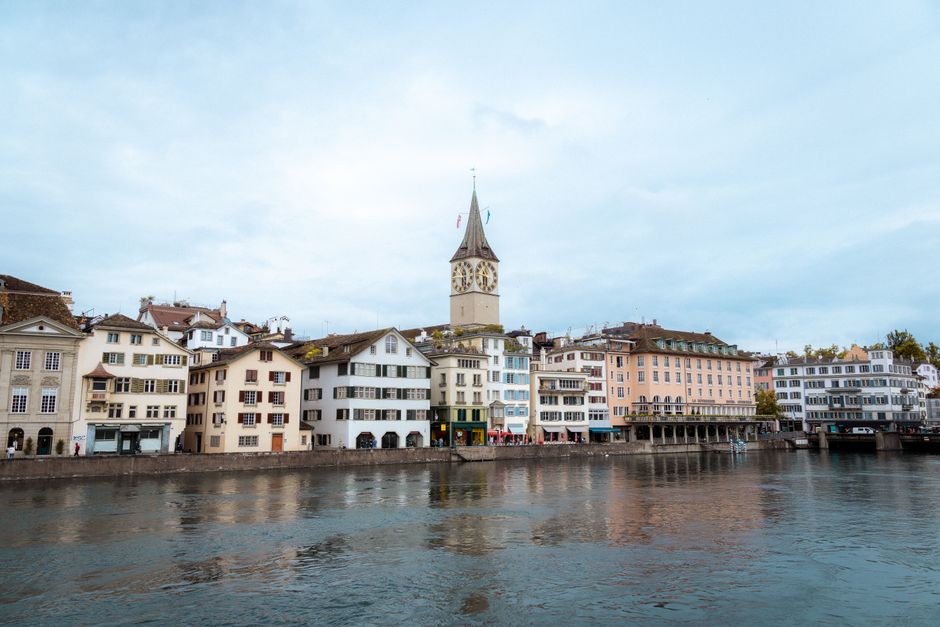
Follow the river toward Rennweg and Augustinergasse, where narrow lanes lead into the medieval center. Continue to St. Peter, whose clock face is one of the largest on a European church tower, then cross toward Fraumünster and Grossmünster. The two churches face each other across the river, making them useful landmarks as well as sightseeing stops. The Grossmünster towers provide a paid lookout, while Lindenhof offers a free elevated view over the Limmat and the rooftops.
Allow extra time for Niederdorf. Its main lanes are busy, but the side streets are calmer and better suited to a slow architectural walk. This area is also practical for an early meal because it has many small restaurants and cafés close together. A useful local rule is to avoid treating every church as a full museum visit. Choose one interior, then spend the remaining time outdoors where the city’s layout becomes easier to understand.
How should the afternoon be arranged?
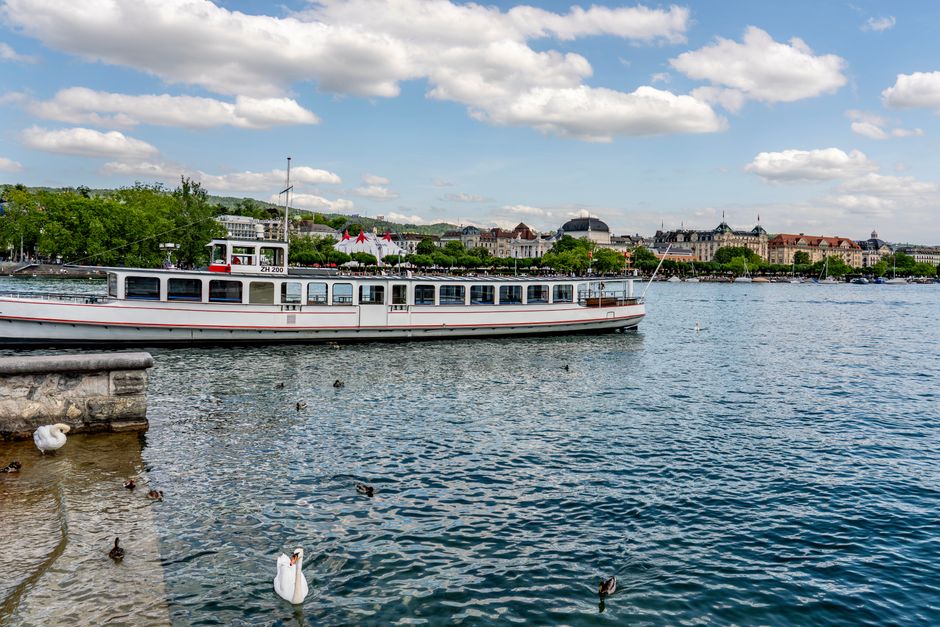
After lunch, walk to the Kunsthaus area or the University quarter, depending on interest and weather. The Polyterrasse gives another broad city view without requiring a mountain excursion. From there, return through the Old Town toward the lake. Finish at Bellevue, Bürkliplatz or Sechseläutenplatz as daylight fades. This route covers the historic core, river, church towers and first lake views without crossing the city repeatedly.
The verdict for day one is clear: keep the schedule inside the central walking zone. A rushed museum list produces less understanding than a connected route through the Old Town, riverfront and lake edge.
How Should You Get Around Zurich in Two Days?
Zurich rewards a mixed transport plan. Walking is fastest inside the Old Town, trams are best for short cross-city journeys and trains handle longer links. The mistake is building the itinerary around taxis or repeated returns to the station. Zurich’s network makes a simple point-to-point plan more efficient.
Which transport method fits each part of the route?
| Journey | Best method | Practical reason |
|---|---|---|
| Zürich Hauptbahnhof to Old Town | Walk | The river, Bahnhofstrasse and Lindenhof are close together. |
| Old Town to Bellevue or Bürkliplatz | Walk or tram | The lakefront is a direct continuation of the central route. |
| Central Zurich to Uetliberg station | Local train | The rail link avoids a long road journey and reduces transfers. |
| Lakefront to Enge or Wollishofen | Tram or walk | The route follows the lake and works well when weather is stable. |
| Zurich to a lake cruise departure point | Walk or tram | Most central piers are near Bellevue and Bürkliplatz. |
What should visitors check before boarding?
Check the destination, route number and ticket validity before entering a tram or train. Zurich transport uses zones, and the correct ticket depends on the full journey rather than only the first stop. Keep the ticket available during travel because inspections can happen without warning. Timetables change with engineering work, public events and seasonal boat schedules, so confirm the day’s connection through the official network information.
For a two-day stay, the best transport strategy is to group sights by district. Walk the Old Town together, keep the lakefront together and reserve one transport-heavy trip for Uetliberg. This reduces backtracking and leaves more time for viewpoints.
Which Zurich Viewpoints Are Worth the Time?
Uetliberg is the strongest viewpoint for a clear day, but it should not replace the central lookouts. The mountain gives the widest panorama, while Lindenhof and the Polyterrasse explain Zurich’s street pattern with far less travel time.
When is Uetliberg the right choice?
Uetliberg rises to 871 metres and can be reached by local train followed by a short uphill walk. From the summit area, the view reaches across Zurich, Lake Zurich and the surrounding hills. The trip is worth the time when visibility is good and the ground is dry. Cloud can cover the main panorama, so check the forecast before committing a large part of the morning.
Which central viewpoints work in poor weather?
Lindenhof is the most efficient choice for a first city panorama. The Polyterrasse is useful after visiting the University quarter, and the Grossmünster tower offers a more elevated view if the stair climb is suitable. On a wet day, these options keep the route compact. The practical verdict is to choose Uetliberg for distance and Lindenhof for efficiency; trying to visit every lookout creates repetition rather than variety.
When Is the Best Time to Visit Zurich?
There is no single best month for every two-day itinerary, but there is a best match between season and activity. Zurich works year-round because the Old Town, transport network and indoor attractions remain useful when rain or cold affects the lakefront.
Is spring or summer better for the lake?
Spring brings longer daylight and fresh greenery, but showers can interrupt a viewpoint visit. Summer offers the best chance for long walks beside Lake Zurich and late evening light. It also brings more visitors and fuller public spaces. Start outdoor routes early, especially on weekends, and keep an indoor museum or café area available as a weather backup.
Can autumn and winter still support two full days?
Autumn often provides crisp visibility and strong colors around the lake and Uetliberg. Winter has shorter daylight, yet the compact Old Town becomes easier to manage because a central route does not rely on long outdoor stops. Plan viewpoints before mid-afternoon, wear shoes with reliable grip and avoid placing a mountain walk on the final morning if fog is likely.
Weather matters more than the calendar when the itinerary includes Uetliberg or a lake cruise.
What Mistakes Should a Two-Day Zurich Itinerary Avoid?
The best two-day plan protects time instead of filling every hour. Zurich is easy to navigate, but small planning errors can turn a relaxed city break into a series of transfers.
Five errors that commonly waste time
- Starting with a distant viewpoint. If the weather is poor, the journey may consume a morning for a view that is hidden by cloud. Check visibility first and keep Lindenhof as a reliable alternative.
- Separating nearby sights across different days. The Old Town, Grossmünster, Fraumünster, Lindenhof and the central lakefront belong in one connected walking route.
- Confirm the timetable before assigning a fixed activity.
- Wearing unsuitable shoes. Old Town streets can be uneven, and the Uetliberg paths may become slippery after rain. Comfortable shoes with firm soles protect the day’s schedule.
- Using the lake only as a photo stop. Allow time to walk from Bürkliplatz toward Enge or Sechseläutenplatz. The shoreline shows a quieter side of the city and gives the itinerary breathing room.
What is the final route decision?
Use day one for the Old Town, river and central lakefront. Use day two for Uetliberg or another viewpoint, then return to the lake or a museum based on the weather. That structure covers Zurich’s main character without pretending every attraction deserves equal time.
Zurich’s appeal is likely to remain tied to the same balance: a dense historic center, an accessible lake and hills that make the city feel larger than its map. A thoughtful two-day route leaves enough space to see all three.