Arriving in Singapore with only a few days can create a familiar travel problem: the city looks compact on a map, yet the neighbourhoods, gardens, food streets and waterfront attractions do not fit neatly into one rushed route. The practical answer is to group places by location and mood. Singapore works best when each day combines one cultural district with one green space, leaving enough time for heat, rain, meals and unplanned discoveries.
Which Singapore neighbourhoods fit a first trip?
Choose districts by atmosphere, not just landmarks
Chinatown suits travellers who want heritage streets, temples, traditional food and a central base for exploring. Tiong Bahru feels calmer, with art-deco housing, small cafés and a local residential character.
For a first visit, Chinatown and Kampong Gelam make the strongest cultural pairing because they show two different sides of Singapore within a manageable distance. Little India deserves a separate half-day rather than a quick photo stop. Tiong Bahru is a better choice for a slower morning than for a landmark-heavy itinerary.
Match the district to the time available
With two full days, select two neighbourhoods and one major garden. With three days, add Little India or Tiong Bahru and spend more time outdoors. A fourth day allows a slower visit to the southern waterfront or a return to the area that felt most interesting. The clear recommendation for first-timers is to avoid changing neighbourhoods every hour. Two well-explored districts reveal more than six rushed stops.
How should neighbourhoods and gardens be grouped?
Use short geographic clusters
Plan each day around one main geographic cluster. Gardens work best early or late, while covered heritage streets and indoor attractions provide useful midday shelter.
| Day focus | Neighbourhood cluster | Garden or outdoor stop | Best timing |
|---|---|---|---|
| Day one | Chinatown and the Civic District | Waterfront promenade | Morning heritage walk, evening views |
| Day two | Kampong Gelam and Little India | Fort Canning Park | Morning districts, shaded afternoon |
| Day three | Marina Bay | Gardens by the Bay | Late afternoon into evening |
Build around weather, not wishful timing
Singapore is hot and humid throughout the year, with short heavy showers possible even when the morning looks clear. Start walking before 10am, schedule indoor or covered stops around midday, and return outdoors after 4pm. This pattern protects energy and makes gardens more enjoyable.
What should a three-day Singapore itinerary look like?
A practical route with room to slow down
- Day one: heritage and the river. Begin in Chinatown with a temple visit and a walk through the older street network. Continue towards the Civic District, where museums, historic buildings and the river create a compact afternoon route. End at the waterfront after sunset rather than crossing the city for another attraction.
- Day two: colour and contrast. Start in Little India before the streets become hottest. Walk through the temple and market areas, then move towards Kampong Gelam for shophouses, murals and the mosque precinct. Use Fort Canning Park as a green pause between districts. It offers shade, slopes and a change of pace without requiring a long journey.
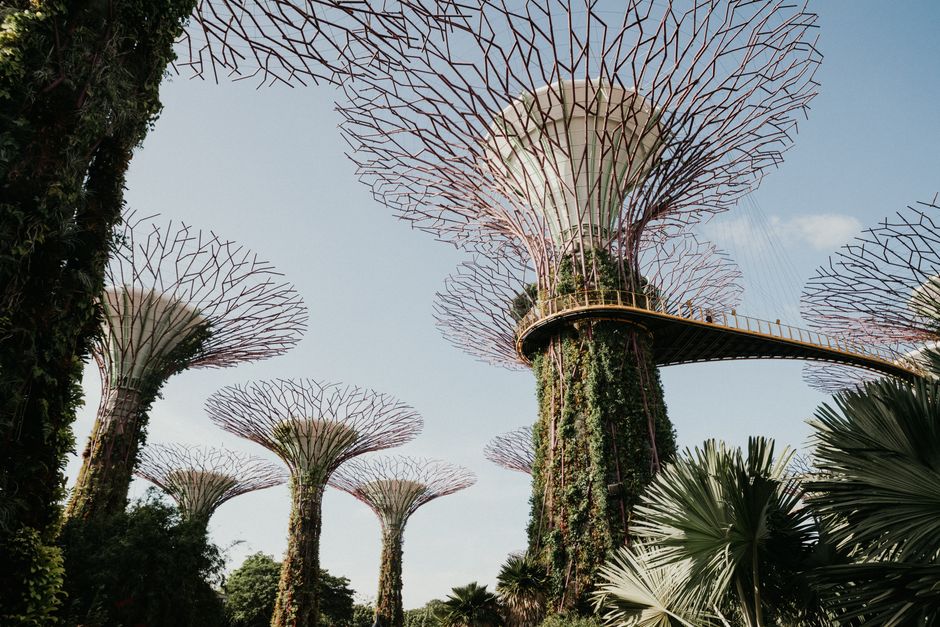
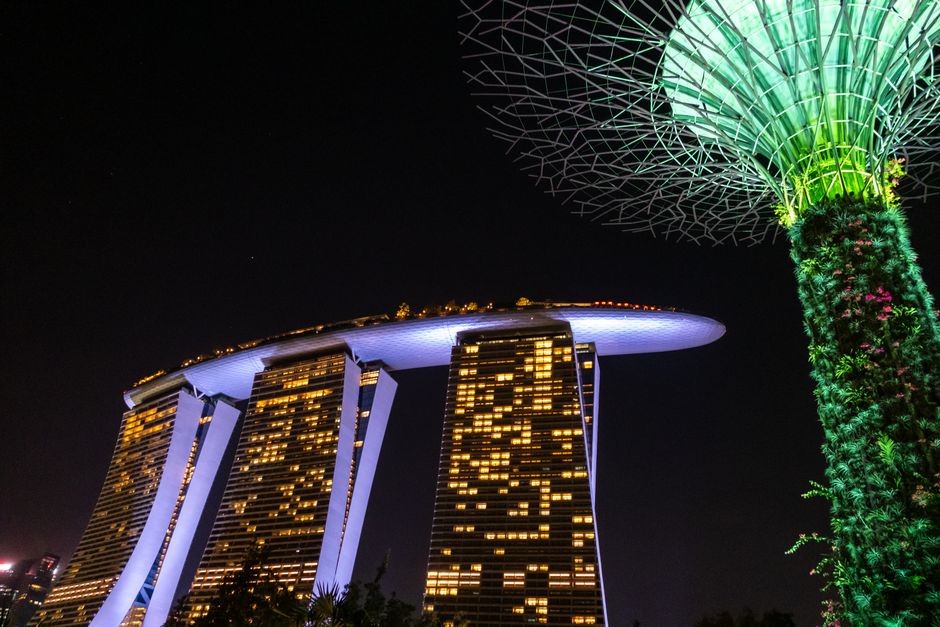
- Day three: gardens and modern Singapore. Spend the late afternoon around Marina Bay, then enter Gardens by the Bay while the light changes. The outdoor areas are more comfortable after the strongest heat has passed. Keep the evening open for the waterfront skyline and a relaxed meal nearby.
What should stay off the schedule?
Do not place a distant island visit, several museums and two major gardens on the same day. That plan looks efficient on paper but creates long transfers and little time to notice the city. A first trip needs one flexible block each day. That block can absorb rain, a delayed meal, tired feet or a neighbourhood that deserves another hour.
Which garden is worth prioritising?
Is Gardens by the Bay the right choice?
Yes, for a first visit with limited time. Gardens by the Bay gives the clearest introduction to Singapore’s futuristic city-and-nature identity. The waterfront setting, elevated structures and evening atmosphere make it distinct from a traditional botanical garden. Visit late in the day, when the route can move from daylight planting areas to the illuminated skyline.
Is the Singapore Botanic Gardens a better fit?
Choose the Singapore Botanic Gardens for a quieter, more natural experience. It suits travellers who prefer broad lawns, mature trees, walking paths and a slower pace. The garden is especially valuable after several dense urban districts. The verdict is simple: Gardens by the Bay wins for a first-time visual overview, while the Singapore Botanic Gardens wins for calm, shade and plant-focused walking.
Fort Canning Park fills the middle ground. It is not a full-day garden destination, but its central position makes it useful between Chinatown, the Civic District and Orchard Road. Treat it as a breathing space rather than another attraction to collect.
What mistakes make Singapore feel harder than it is?
Common planning failures
- Overloading the day: Six major stops leave no time for meals, rain or queues. Four meaningful stops are more realistic.
- Ignoring the midday heat: Long outdoor walks between 11am and 3pm can drain energy quickly. Use covered routes and indoor stops during that window.
- Assuming every green space feels the same: Gardens by the Bay is a designed waterfront attraction; the Botanic Gardens is a mature landscape; Fort Canning is a compact hill park. Choose by experience.
- Skipping local etiquette: Dress respectfully at religious sites, follow signs about photography and keep voices low inside temples and mosques.
- Relying on one weather plan: Keep a covered alternative near every outdoor cluster. Singapore’s showers can change a route within minutes.
What should be checked before departure?
Check opening hours for gardens, museums and religious sites because schedules can change for maintenance, ceremonies or public events. Confirm the last practical train or bus connection after an evening walk. Pack light clothing, comfortable shoes, a compact umbrella and a refillable water bottle.
Which neighbourhood-and-garden mix suits the trip?
For a first Singapore visit, the strongest combination is Chinatown, Kampong Gelam, Gardens by the Bay and one quieter green space. It gives cultural texture, modern architecture, outdoor relief and a manageable route. Adding every famous district weakens the experience because the city’s appeal comes from contrasts noticed at walking speed.
Use this final comparison
| Travel priority | Best area | Main caution |
|---|---|---|
| Heritage and food streets | Chinatown | Can feel crowded at peak meal times |
| Colour and local character | Little India | Heat and traffic make slow walking harder |
| Design and skyline | Marina Bay and Gardens by the Bay | Less residential and traditional in feel |
| Quiet greenery | Singapore Botanic Gardens | Needs more time than a quick photo stop |
Use the comparison to build a route around the preferred experience. A focused itinerary produces a clearer sense of Singapore than a checklist of distant sights, and it leaves enough space for the city’s weather, food and small street-level details to shape the day.