Three days in Stockholm is enough for a strong first visit, but only with a sensible route. Keep the historic centre compact, give Djurgården a full day, and leave room for water, weather and slower Nordic meals.
How should three days in Stockholm be divided?
The best plan is simple: explore Gamla Stan on the first day, spend the second day on Djurgården, then use the third day for Stockholm’s wider city centre and a final local choice. Trying to cover every island creates a rushed trip with too much transport and not enough time in each place.
A practical three-day structure
| Day | Main area | Best focus |
|---|---|---|
| Day 1 | Gamla Stan | Old streets, royal history, viewpoints and waterfront lanes |
| Day 2 | Djurgården | Vasa Museum, open-air history, parks and the harbour |
| Day 3 | Norrmalm, Södermalm or Skeppsholmen | Modern Stockholm, city views, galleries or a quieter island |
Why this order works
Gamla Stan is dense and easy to reach, so it makes a good opening day after arrival. Djurgården deserves more space because its attractions sit inside a large green island rather than along one short street. The third day stays flexible. If rain has affected the first two days, choose indoor museums. If the weather is bright, use Södermalm’s viewpoints or walk beside the water around Skeppsholmen.
The main rule is one anchor plan per day. A large museum, a long walking route and several timed attractions do not fit comfortably together. Keep one major commitment, then add nearby streets, cafés, parks or viewpoints around it.
What should happen on the first day in Stockholm?
Morning: enter Gamla Stan from the north
Start near the northern edge of Gamla Stan and walk south toward Stortorget. This gives the old town a natural sequence: wider approach streets first, then narrower lanes, historic squares and small waterfront passages. The central streets become busy later, so an early start makes photography and quiet observation easier.
Afternoon and evening: stay on foot
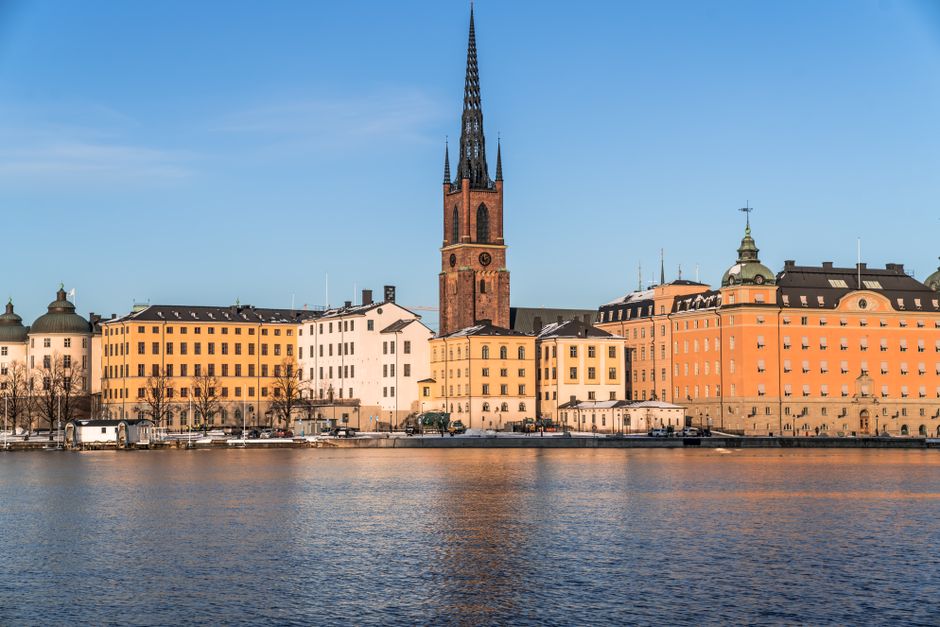
Spend the afternoon around the Royal Palace, Riddarholmen and the western waterfront before returning to Stortorget for the evening. The strongest first-day experience comes from keeping the route compact, wearing shoes that handle cobbles, and allowing time to stop when a lane or courtyard looks interesting. Gamla Stan works best as a place to wander, not as a checklist of every doorway.
How to explore Gamla Stan without wasting half a day
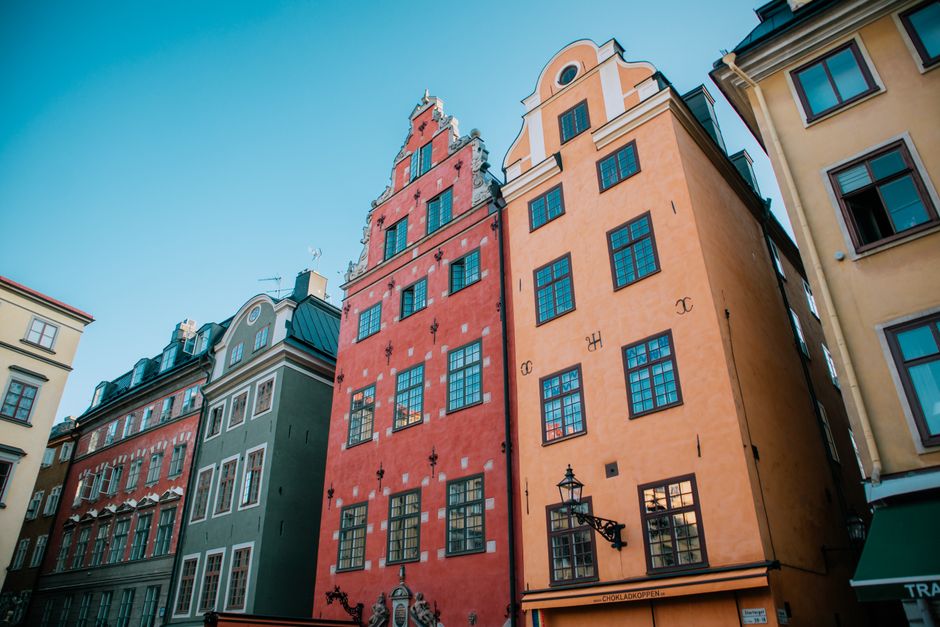
Gamla Stan is small on a map and deceptive on foot. The island contains steep sections, uneven paving, narrow lanes and many streets that look close together but do not connect in a straight line. A good route should move through different types of space instead of repeating the same central lanes.
Use a north-to-south walking route
Begin around the Parliament area and cross into the historic centre through the northern approach. Continue toward the Royal Palace, then cut through the lanes around Stortorget. From there, head south toward Österlånggatan and the waterfront side of the island. Finish near Slussen if energy remains, or return to the central square for a slower evening.
This route works because it shifts gradually from civic Stockholm to medieval Stockholm and then to harbour views. It also reduces unnecessary backtracking. The busiest tourist streets are useful for orientation, but the quieter side lanes often show more of the old town’s character.
Know what deserves time
The Royal Palace is the strongest choice for visitors interested in state history, royal rooms and formal interiors. The Nobel Prize Museum suits travellers who prefer ideas, personal stories and twentieth-century history. Riddarholmen is better for a short outdoor stop, especially when the weather is clear and the waterfront light is good.
Do not force every attraction into the same afternoon. A museum visit can take two hours once entry, orientation and reading time are included. Add the palace, several churches and a long meal, and the day becomes a queue schedule.
Handle the practical problems
- Use the main lanes for navigation and the side lanes for atmosphere.
- Keep a little extra time for cobbled surfaces and short climbs.
- Plan an indoor stop before bad weather turns the route into a cold march.
- Do not expect every historic building to be open throughout the day.
- Finish near public transport rather than crossing the whole city again.
The clearest verdict: Gamla Stan is best explored as a three-hour walking district with one serious indoor stop. Treating it as a full-day attraction usually adds repetition rather than depth.
How should a full day on Djurgården be planned?
Give Djurgården the full day. It has the right mix of major history, green paths and water views, but the island feels rushed when visitors try to visit several large museums before lunch. Choose one main museum, then let the rest of the day breathe.
- Start with the Vasa Museum. Arrive early enough to see the ship, galleries and supporting displays without racing through them. The museum explains why the vessel sank, how it was recovered and what seventeenth-century Stockholm looked like. Allow at least two hours.
- Walk instead of immediately taking another vehicle. The paths between the main attractions are part of the experience. Djurgården has trees, open lawns, water edges and quieter corners that feel far removed from the traffic of central Stockholm.
- Choose one second attraction. Skansen is the strongest option for outdoor cultural history, historic buildings and traditional Swedish settings. A smaller museum or gallery may suit visitors who want a shorter indoor stop and more time outside.
- Use the late afternoon for the harbour edge. The water-facing paths offer a better sense of Stockholm’s geography than another enclosed attraction. Pause near the bridges and look back toward the city skyline.
- Return before exhaustion sets in. Djurgården is easy to underestimate. The distances are manageable, but a museum, several walks and a full meal can produce a long day.
The common mistake is treating Djurgården like a row of quick stops. For most visitors, the best combination is the Vasa Museum, one secondary attraction and a long outdoor walk.
Which Stockholm mistakes should be avoided?
The biggest mistake is overplanning the itinerary. Stockholm rewards a slower route because its appeal comes from water, changing light, public squares and neighbourhood details between the famous sights. A packed timetable turns those strengths into obstacles.
Mistake: crossing the city for every meal
Restaurants and cafés are spread across the central districts, but a meal rarely deserves a long detour during a short trip. Eat near the area being explored, then use the saved time for another street or viewpoint. Gamla Stan, Djurgården and Södermalm each have enough choices to support a local day without constant transit.
Mistake: ignoring daylight and weather
Stockholm’s conditions can change quickly, even during a pleasant season. Rain makes cobbles slippery, wind feels sharper beside the water, and a clear afternoon may become cool after sunset. Keep a waterproof outer layer available and place indoor attractions near the middle of the day when possible.
Mistake: assuming every island is equally convenient
Stockholm’s island geography looks simple but affects the pace of a visit. A short distance across water may require a bridge, a scheduled boat or a longer land route. Check the transport connection before committing to a second distant neighbourhood, especially after a museum visit.
Another failure mode is arriving at the most popular attraction during the busiest part of the day with no backup plan. If the queue is long, switch to a nearby walk, viewpoint or café instead of losing hours. Flexibility should be built into the route, not added after the schedule breaks.
What are the best choices for the third day?
Is Södermalm the right choice?
Choose Södermalm for city views, independent streets, older working-class history and a more relaxed neighbourhood feel. The walk around Monteliusvägen is especially useful for understanding Stockholm’s geography because Gamla Stan, Riddarholmen and the central skyline appear across the water. The route includes slopes, so it suits travellers who want walking rather than a museum-heavy day.
Is Skeppsholmen the right choice?
Choose Skeppsholmen for a quieter day of waterfront walking, open space and art. It sits close to the centre but feels less crowded than Gamla Stan. The island works well when the first two days have been busy and a calmer final route is needed.
For most first-time visitors, Södermalm is the best third-day choice because it adds a different view of Stockholm rather than repeating the old town. Choose Norrmalm for convenience, or Skeppsholmen for a slower finish. The final recommendation is clear: spend day one in Gamla Stan, day two on Djurgården, and use day three for Södermalm unless weather or departure logistics make the central districts smarter.