Which Sri Lankan train route works best for a first trip?
The familiar problem starts in Kandy: a train ticket is in hand, the mountain route looks simple on a map, and the planned arrival in Ella seems comfortably timed. Then the train leaves late, clouds cover the viewpoints, seats fill quickly, and a short-looking journey turns into most of a day. The hill-country railway is rewarding, but it works best when the route is treated as the main experience rather than a quick transfer.
The classic mountain route
The strongest first-time route runs from Kandy towards Nanu Oya, continues through the tea country to Ella, and can finish at Badulla. Kandy offers a useful starting point with major transport connections and cultural sights. Nanu Oya serves Nuwara Eliya, while Ella provides easier access to short hikes, viewpoints and waterfalls. The final stretch to Badulla is quieter and feels less arranged for visitors.
Choose the right length
A full Kandy-to-Ella journey can take roughly seven to nine hours, depending on the service and delays. Breaking the trip at Nanu Oya or Haputale makes the scenery easier to enjoy and reduces the risk of arriving after dark. For a compact journey, Kandy to Nanu Oya gives a strong taste of mountain railway travel. For the most varied landscape, continue through Haputale and Ella. The best route for most first-time visitors is Kandy to Nanu Oya, then Nanu Oya to Ella on a separate travel day.
How long does the hill-country train journey take?
Journey times in Sri Lanka need generous margins. Railway timetables provide structure, but weather, track work, congestion and long station stops can alter the day. The figures below are useful planning ranges rather than promises. A train that leaves late can still produce a memorable journey, but a tight hotel check-in or airport connection creates unnecessary stress.
| Train segment | Planning range | Best use |
|---|---|---|
| Kandy to Nanu Oya | 4 to 6 hours | Reach the high tea country |
| Nanu Oya to Haputale | 2 to 3 hours | Scenic short travel day |
| Haputale to Ella | 2 to 3 hours | Pair rail travel with hikes |
| Ella to Badulla | 1 to 2 hours | Extend beyond the busiest stops |
Allow at least half a day of spare time around any connection. A late arrival is common enough to plan for, not a reason to abandon the route. Morning departures usually give better visibility before cloud builds over the ridges. Trains can also become crowded near Kandy and Ella, so the early part of the journey may feel less relaxed than the final mountain sections.
For a fixed itinerary, stay close to the station before a major travel day and avoid placing a long train ride immediately before a flight. Use the railway for scenery, not for precision timing. That single rule prevents many avoidable problems.
What should a three-day train itinerary include?
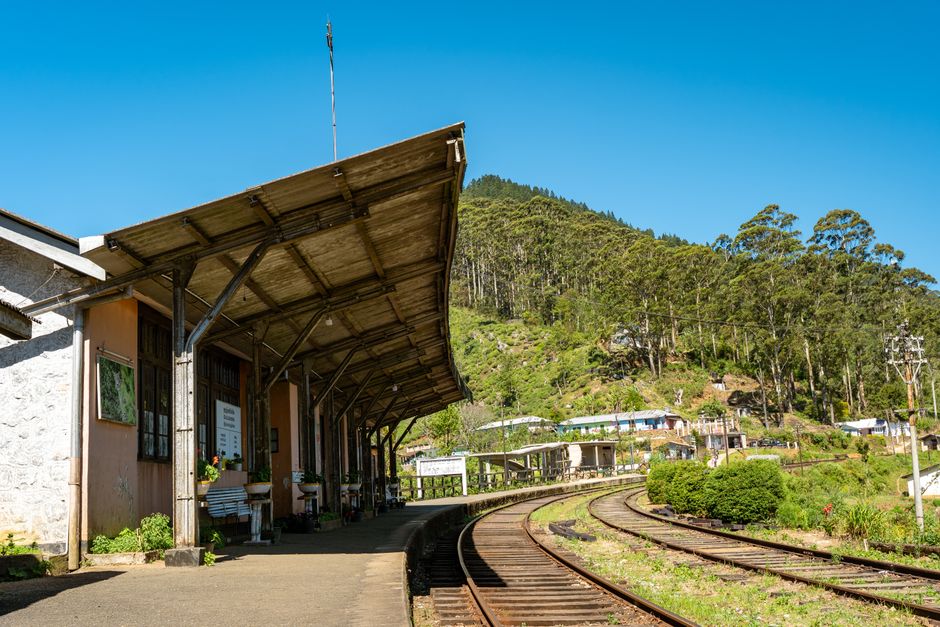
A three-day plan should protect the best views without turning every stop into a rushed photo break. The following structure works for travellers who want mountain scenery, tea-country walks and a realistic pace.
- Day one: Kandy to Nanu Oya. Begin early and expect the journey to occupy much of the day. After arriving, continue to Nuwara Eliya by local taxi or bus. The town sits at a much higher elevation than Kandy, so cooler air and evening mist are normal. Keep the first evening light: a short walk, a warm meal and an early start are more useful than a packed sightseeing list.
- Day two: Nuwara Eliya to Haputale. Leave time for the transfer back to Nanu Oya station, then take the train through tea estates and high valleys. Haputale makes a good overnight base for travellers who prefer quieter viewpoints and fewer evening crowds. A walk near Lipton’s Seat can fit here, but weather may limit the view.
- Day three: Haputale to Ella. Take the train for the dramatic ridgeline section, then use Ella as a base for a short hike or waterfall visit. The town has more dining and accommodation choices, but its popularity also means more traffic and noise than Haputale.
This plan keeps the train journey central while avoiding the mistake of crossing the entire hill country in one exhausting day. A fourth day allows a slower Nuwara Eliya stay or a continuation to Badulla. For travellers with only two days, Kandy to Nanu Oya and Nanu Oya to Ella is possible, but it leaves little room for delays or weather changes.
What makes the hill-country railway worth the slow pace?
The scenery changes because the train climbs through several distinct landscapes, not because every window offers a postcard view. Around Kandy, the route feels tropical and densely settled. As the railway gains height, palms give way to cooler vegetation, eucalyptus, mist and carefully cut tea fields. Near Nanu Oya, the air can feel unexpectedly cold, especially after rain. Beyond Haputale, the line follows steep contours where valleys open suddenly between tunnels and bends.
Watch the landscape change
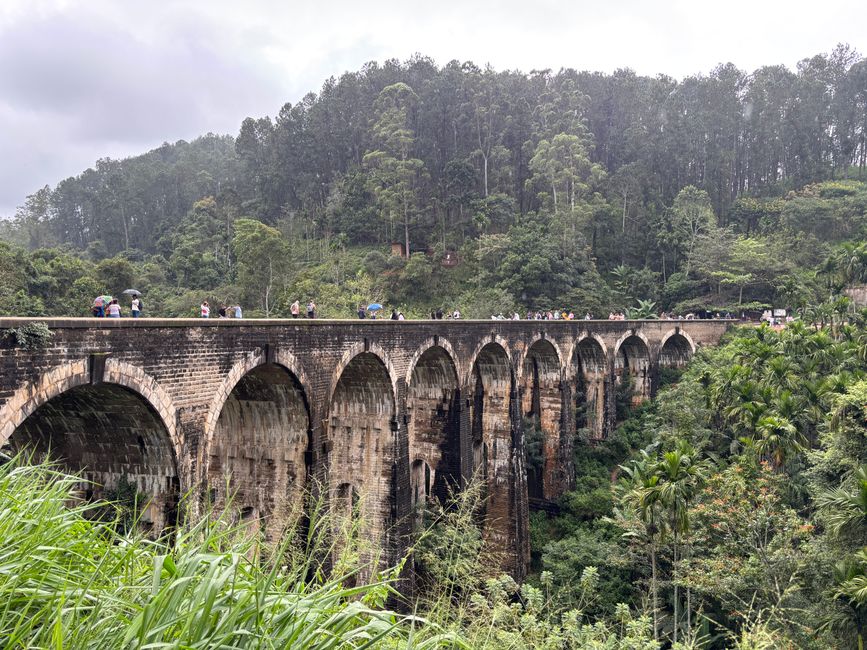
The most interesting sections are often between stations rather than at famous viewpoints. Tea pickers may appear on slopes below the track, small homes sit beside narrow roads, and bridges reveal how sharply the land drops away. The train moves slowly enough for these details to register. A window seat helps, but a crowded carriage still offers plenty of views through doors and open windows when conditions are safe.
Expect imperfect weather
Cloud can arrive within minutes. A clear morning at Nuwara Eliya may become grey by midday, while a wet journey can still reveal bright green slopes between showers. Pack a light waterproof layer, protect phones from sudden rain, and keep camera equipment accessible rather than buried in a large bag. Damp seats and misted windows are part of the mountain climate.
The route is not a continuous scenic display. Some sections pass through settlements, railway yards and ordinary roadside areas. That contrast adds value: the journey shows how people live across difficult terrain instead of presenting the hills as an empty landscape. The strongest experience comes from accepting changing views, slower movement and small details rather than chasing one perfect photograph.
Which seats and stations make the journey easier?
Is a reserved seat necessary?
A reserved seat provides more predictability on a long travel day, especially during busy periods. Unreserved carriages can feel lively and social, but they may fill quickly at major stations. For travellers carrying luggage or managing a strict overnight plan, a reserved option is the safer choice. For short sections such as Haputale to Ella, flexibility may matter more than a guaranteed seat.
Which side of the train has the best view?
There is no permanent winning side because the route curves constantly. The better view can shift from one window to the other within minutes. Sitting near a door or choosing a carriage with openable windows gives more flexibility than obsessing over a specific side. Avoid leaning outside the carriage or blocking doorways for photographs. Railway staff and local passengers need those areas to remain clear.
How should luggage be handled?
Use one manageable bag rather than several heavy cases. Station platforms can be uneven, and boarding may involve a short rush when the train arrives. Keep valuables in a small day bag and place larger luggage where it does not obstruct legs or exits. At Nanu Oya and other busy stations, confirm the platform and train direction with staff before boarding. Station names can sound similar when announcements are crowded.
Carry water, a snack, tissues, hand sanitiser and a thin warm layer. Food sellers may board at stations, but choices and timing vary. A small scarf or cloth also helps with dust near open windows. Comfort comes from light luggage and easy access to essentials, not from packing for every possible weather event.
What mistakes cause the most trouble?
The hill-country train is simple to enjoy when its limits are clear. Most problems come from planning it like a punctual urban railway.
- Booking the same-day airport connection: delays can turn a scenic ride into a logistical emergency. Finish the hill-country journey at least one full day before an international flight.
- Choosing Ella only because it is famous: Ella is convenient, but Haputale or Nuwara Eliya may suit travellers who want quieter evenings and cooler weather.
- Assuming every train has the same comfort: carriage types vary. Check the service details and arrive early enough to find the correct platform.
- Ignoring altitude: Nuwara Eliya and Haputale can feel cool after warm lowland cities. Thin clothing alone may be uncomfortable at night.
- Planning a packed sightseeing list after arrival: a delayed train can remove several hours. Keep only one essential activity on the arrival day.
- Chasing open-door photographs: the famous images are not worth standing in an unsafe position. Use windows, platforms and approved areas instead.
The clearest alternative is simple: if a journey must be fast, take a road transfer and treat the train as a separate scenic outing. Road travel offers more control over stops and arrival times, while the railway offers a slower, more social view of the mountains. Neither option replaces the other. Do not choose the train for a deadline; choose it for the experience of crossing the landscape.