Arriving in San Pedro de Atacama can feel strange. The town sits beside one of the driest places on Earth, yet the first challenge may not be the heat. At more than 2,400 metres above sea level, a short walk with a backpack can leave a new arrival breathing harder than expected.
The Atacama rewards a slower plan. Give the body time to adjust, group nearby landscapes together, and save the highest excursions for later. The result is a trip with sharper sunsets, quieter roads and fewer rushed mornings.
How many days does the Atacama Desert need?
Four full days is the best minimum for a first visit. Three nights can cover the famous valleys, but the schedule becomes tight once altitude, early departures and transfer time enter the picture. Five or six nights work better for travellers who want the high-altitude lagoons, a proper stargazing session and one flexible day for wind, cloud or fatigue.
Why the first day should stay light
Most visitors reach San Pedro through Calama, followed by a road journey of roughly 100 kilometres. The transfer itself is manageable, but the change in altitude can bring headache, dry mouth, poor sleep or mild nausea. Those symptoms often appear after several hours rather than immediately.
Use the arrival day for a slow walk around town, an early meal and plenty of water. Valle de la Luna is a good first outing only if arrival happens early and energy levels remain normal. It sits lower than several other attractions, but the intense sun and uneven paths still demand care.
What a realistic trip includes
A balanced visit usually combines one low-altitude landscape day, one salt-flat or lagoon day, one geyser morning and one evening devoted to the sky. The order matters more than the number of stops. Visiting El Tatio on the first morning is a poor choice because the road climbs above 4,000 metres before sunrise, when cold and altitude feel strongest.
For a short trip, skip the temptation to add every viewpoint. The clearest recommendation is four nights in San Pedro, with the first morning reserved for adjustment and the last day kept open for weather or a missed excursion.
Which Atacama itinerary works best for a first visit?
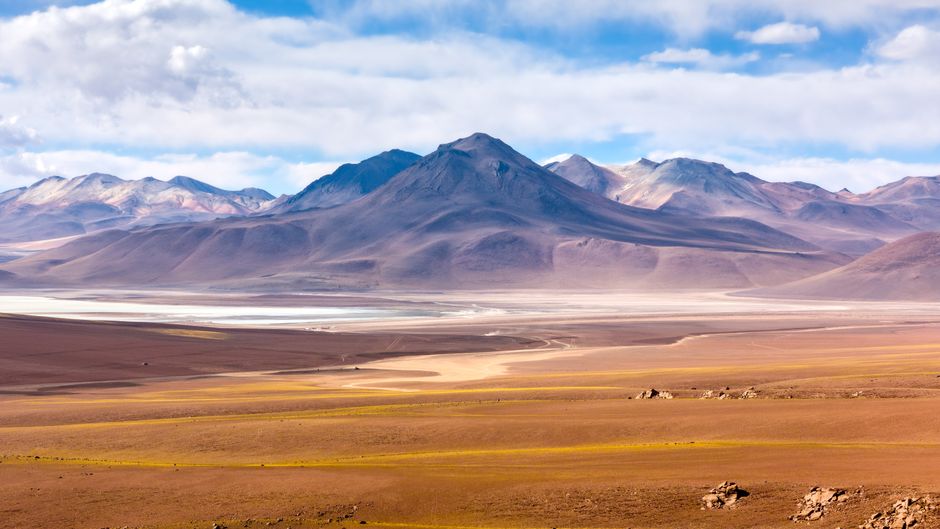
The following plan gives each day a clear purpose and keeps the most demanding landscapes away from the arrival period. It also leaves room for a late return, which matters because several desert excursions take longer than their map distance suggests.
| Day | Plan | Approximate conditions |
|---|---|---|
| Arrival | Transfer to San Pedro, rest, short town walk | 2,400 metres; dry air |
| Day 1 | Valle de la Luna and sunset viewpoints | Warm afternoons; strong sun |
| Day 2 | Salar de Atacama, Laguna Chaxa and nearby villages | Long drive; reflective salt flats |
| Day 3 | Lagunas Altiplánicas or Piedras Rojas | Often above 4,000 metres; cold wind |
| Day 4 | El Tatio before dawn, then a quiet afternoon | Below freezing at sunrise is possible |
| Day 5 | Stargazing and departure buffer | Very clear, cold nights |
How to adjust the plan
With only three nights, remove the high-altitude lagoon day rather than cutting the acclimatization period. With six or seven nights, add a second evening in the desert, a village-focused route through Toconao and Socaire, or a spare morning for photography.
Travel times can expand because roads cross empty terrain, vehicles stop for viewpoints and access rules may change. Confirm departure times locally after arrival. A route that looks short on a map can occupy most of a day.
The strongest itinerary choice
For a first trip, choose landscape variety over maximum altitude. Valle de la Luna, the Salar de Atacama and one high-altitude excursion create a more complete experience than repeating several similar salt lagoons. Keep at least one unscheduled half-day if the trip includes long transfers.
How should visitors handle Atacama altitude, sun and water?
The desert feels easy until several small stresses combine: altitude, glare, cold mornings, low humidity and long gaps between settlements. The most useful preparation is simple and repeatable.
- Spend the first 12 to 24 hours gently. Walk slowly, avoid intense exercise and keep the first evening short.
- Drink regularly without forcing excessive amounts. Dry air increases fluid loss, yet drinking far beyond thirst can also cause problems. Carry water during every outing and ask local guides about the day’s route.
- Protect skin and eyes. Use a wide-brimmed hat, sunglasses with strong ultraviolet protection and long, breathable layers. Salt flats and pale rock reflect light from below as well as above.
- Pack for two climates in one day. Valleys can feel hot in the afternoon while El Tatio may be bitterly cold before sunrise. A fleece, wind layer, warm socks and gloves earn their space.
- Eat before early departures. High-altitude mornings feel harder on an empty stomach. Choose a light meal the night before and carry a simple snack for long drives.
- Respect access restrictions. Stay on marked paths near geysers, salt lagoons and fragile formations. The ground can hide thin crusts, unstable edges or hot water.
- Plan around the moon for stargazing. Darker lunar phases usually produce stronger views of faint stars, but even a brighter moon creates beautiful desert landscapes. Cloud cover and wind matter too.
The best rule is to treat discomfort as information, not as a challenge to defeat. A slower schedule beats a heroic schedule in the Atacama because a missed viewpoint is easier to accept than a forced descent or a ruined night of sleep.
What are the Atacama’s main landscapes really like?
The desert is not one giant empty plain. Each area has a different texture, altitude and rhythm, and choosing between them becomes easier once those differences are clear.
Valle de la Luna and Valle de la Muerte
These valleys offer the most accessible introduction to the region. Wind has cut ridges, caves and folded layers into pale rock, while salt deposits add a rough white surface. Sunset brings dramatic colour, but it also brings crowds at the best viewpoints. Arriving early or choosing a less central lookout can make the experience calmer.
Salar de Atacama and Laguna Chaxa
The salt flat feels broad and quiet rather than mountainous. At Laguna Chaxa, flamingos feed in shallow water while volcanoes rise across the distance. The attraction depends on patience: birds may stand far away, heat can shimmer over the salt and the landscape rewards observation more than constant movement.
Lagunas Altiplánicas and Piedras Rojas
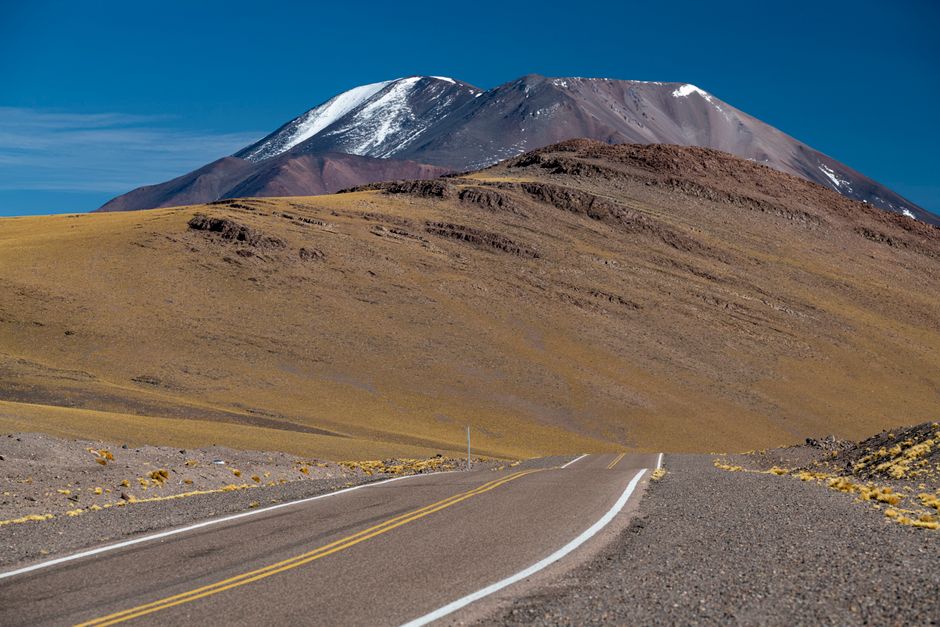
These sites deliver the strongest colour contrast, with blue water, red stone and snow-tipped volcanic peaks when conditions allow. They also bring a major altitude jump. Cold, wind and thin air can turn a beautiful stop into an exhausting one, so this route belongs after at least two nights in San Pedro.
El Tatio Geysers
El Tatio is most active and atmospheric before the sun rises. Steam columns stand out against the dark volcanic slopes, but the morning can be severely cold. The site requires careful movement because hot ground and boiling water sit close to marked paths. The return journey often feels easier than the outbound climb, but fatigue can arrive later in the day.
The best landscape for most first-time visitors is the combination of Valle de la Luna, Laguna Chaxa and one high-altitude route. Together they show the Atacama’s rock, salt, wildlife and volcanic scenery without turning the trip into a race between viewpoints.
Atacama Desert questions that affect the trip
When is the best time to visit the Atacama?
The desert works year-round, but each season changes the balance between temperature, crowds and weather. Winter brings cold nights and very clear skies. Summer can bring a short rainy-season effect in the highlands, sometimes called the Altiplano winter, with cloud or road disruption around higher routes. Spring and autumn often offer a useful middle ground.
Is San Pedro de Atacama suitable without a car?
Yes. The town works well as a base, and organised excursions cover the major landscapes. A car offers more freedom for sunrise stops and remote villages, but independent driving requires careful fuel planning, offline maps, confidence on rough roads and respect for altitude. For a first visit, local transport can reduce stress.
What should not be packed?
Heavy cotton layers, open shoes for long excursions and a tightly scheduled daily plan create problems. The desert demands adaptable clothing, sun protection and space for warm layers rather than a large wardrobe.
Which local habits matter?
Keep noise low in rural areas, ask before photographing residents and avoid removing stones, salt or plants.
Is the Atacama a good choice for a short Chile trip?
Yes, if the route gives San Pedro at least three nights and avoids an overloaded transfer schedule. It is a poor match for a rushed weekend that tries to combine every major excursion with flights, long drives and another Chilean destination. The desert needs time for the landscape to reveal its scale, and the body needs time to catch up with the altitude.