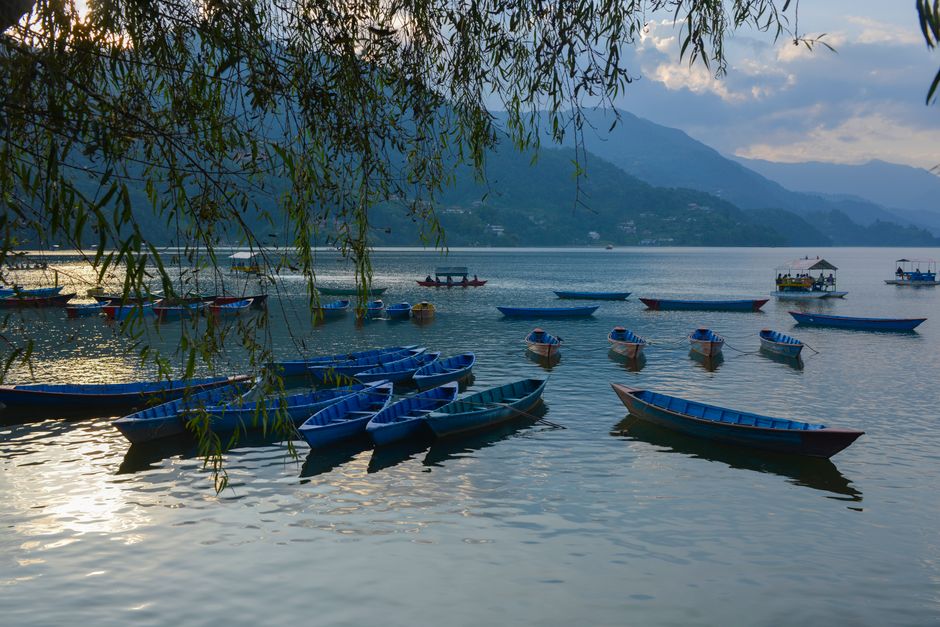
Pokhara works as both a relaxed lakeside base and a gateway to some of Nepal’s most accessible mountain trails. A good trip combines time in the city, short walks through hill villages and enough flexibility for weather, road delays and changing trail conditions.
How to choose the right Pokhara and Annapurna route
The first decision is not which village looks best in photographs. It is how much time, walking effort and road travel the trip can absorb. The Annapurna foothills offer short viewpoints, multi-day village walks and demanding high-altitude routes, often within the same broad region. That range makes planning easier, but it also creates false expectations. A route described as a “short trek” may still include steep stone steps, uneven paths and six hours of walking on a full day.
Match the route to available time
With two or three nights, stay in Pokhara and add a low-elevation viewpoint such as Sarangkot or the World Peace Pagoda. With four to six nights, a village route through places such as Australian Camp, Dhampus or Ghandruk becomes realistic. A longer trip can include the Mardi Himal foothills or the lower section of the Annapurna Base Camp approach, but road conditions and walking speed still matter more than the number of days on paper.
Understand elevation before booking
Pokhara sits at roughly 800 metres above sea level, while many foothill villages rise between 1,500 and 2,000 metres. Ghorepani reaches about 2,860 metres, and the Annapurna Base Camp area rises above 4,000 metres. The change is gradual on some routes but fast on others. Headaches, poor sleep and unusual tiredness become more likely as elevation increases. A route that looks short on a map may feel difficult after a long drive followed by a climb.
Pick the right starting point
Ghandruk suits travellers who want a strong mountain-village experience with a manageable itinerary. Dhampus and Australian Camp work well for a first overnight walk close to Pokhara. Sarangkot is better for sunrise and a quick introduction to the landscape than for a full trekking experience. The best choice is the route that leaves room for weather changes and recovery, not the one with the most famous name.
What a realistic three- to seven-day itinerary looks like
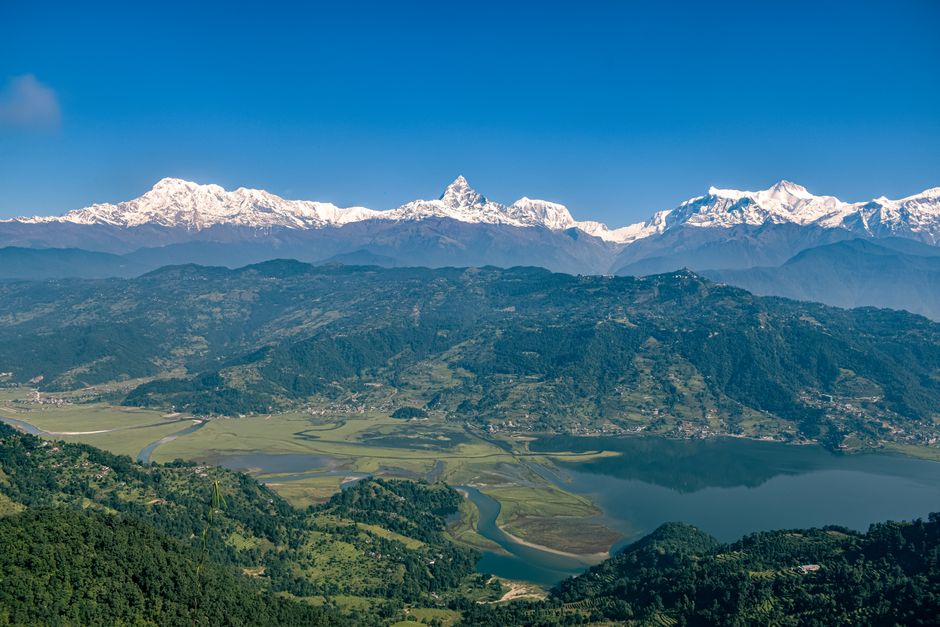
A useful itinerary gives each day one clear purpose. Pokhara should not become a rushed transfer point, and a walking route should not be planned so tightly that one delayed vehicle ruins the schedule. The following outline works as a framework rather than a fixed promise. Local road conditions, monsoon damage and visibility can change the order.
Short trip: three days
| Day | Plan |
|---|---|
| 1 | Arrive in Pokhara, walk beside Phewa Lake and visit the Lakeside area |
| 2 | Sunrise at Sarangkot, then explore the World Peace Pagoda or a nearby viewpoint |
| 3 | Choose a local museum, waterfall, cave or relaxed lakeside morning before departure |
Balanced trip: five days
| Day | Plan |
|---|---|
| 1 | Arrive and recover in Pokhara |
| 2 | Drive to Dhampus or Australian Camp and walk to an overnight village |
| 3 | Continue through the foothills, then return toward Pokhara |
| 4 | Explore Pokhara and keep time for weather delays |
| 5 | Visit a cultural or natural site before departure |
Longer trip: seven days
Use the extra two days for Ghandruk or a longer ridge route rather than adding several distant places. A sensible seven-day plan includes two nights in Pokhara, three or four nights in the hills and at least one spare half-day. That buffer protects the trip from late vehicles, heavy rain and poor mountain visibility. It also makes the final day less stressful, especially when the next connection leaves from Kathmandu.
When to visit the Annapurna foothills
The clearest trekking conditions usually arrive in autumn and spring, but each season offers a different experience. October and November often bring stable weather and sharp mountain views after the monsoon. March and April bring warmer days, flowering rhododendrons and longer daylight, though haze can reduce distant views. December and January can be crisp and clear, yet mornings and higher villages may feel very cold. June through September brings heavier rain, slippery trails, leeches and cloud-covered peaks. Lower routes can still be possible, but transport delays become more common.
Autumn and spring: best for mountain views
These seasons suit travellers who want the strongest balance of visibility, comfortable walking temperatures and open teahouses. Start early on viewpoint days because clouds often build later. Pack a warm layer even when Pokhara feels hot; the temperature drops quickly after sunset in exposed villages.
Winter: quiet trails and colder nights
Winter can reward patient travellers with clear skies and fewer people. The main issue is not daytime walking but sleeping at altitude. Simple rooms may have limited heating, and water can become very cold overnight. Routes above 3,000 metres need careful checking before departure because snow or ice can affect passes and steps.
Monsoon: lower expectations, better flexibility
Rain changes the experience rather than cancelling every possibility. The hills become intensely green, waterfalls grow stronger and village life feels quieter. The trade-off is poor visibility and muddy ground. Choose shorter routes near road access, keep footwear covered and avoid planning a tight connection immediately after a mountain walk. A clear morning can still produce a memorable viewpoint, but mountain panoramas should not be treated as guaranteed.
How to prepare for the walking days
The best preparation is modest and specific: train for stairs, protect your feet from wet conditions and carry less than seems necessary. The foothills do not require expedition-level equipment on ordinary routes, but poor preparation quickly turns a pleasant village walk into a painful day.
- Build walking strength. For four weeks before departure, include stair climbing, brisk walking and one longer weekend walk. Practise carrying a small daypack. Downhill steps can strain the knees more than uphill sections, so include controlled descents in training.
- Use layered clothing. A quick-drying base layer, warm mid-layer and waterproof outer layer cover most conditions. Temperatures change between Pokhara, shaded forest and exposed ridges. Cotton dries slowly after rain and becomes uncomfortable during long walks.
- Protect feet and ankles. Wear broken-in walking shoes with firm grip. Pack two pairs of socks, blister care and sandals for evenings. New footwear is one of the easiest ways to create a problem that cannot be solved on the trail.
- Carry water and purification supplies. Refill points vary by village and season.
- Keep documents accessible. Carry copies of passport details, travel insurance information and emergency contacts. Permits and registration requirements can vary by route, so check the current rule locally before starting the walk.
- Plan for communication gaps. Mobile service can weaken between villages. Download maps, write down accommodation details and tell a trusted contact the intended route. A local guide becomes especially useful when trails split, weather changes or a road transfer ends somewhere unexpected.
Avoid overpacking. Porters and guesthouse staff can help with logistics, but every extra item still has to move along narrow paths and stone stairways.
Which experience fits which traveller?
There is no single best Annapurna foothills plan, but there is a clear best fit for each type of trip. A short city break should stay close to Pokhara. A first trek should favour a well-used lower route with villages and road access. Strong walkers with extra time can choose a higher and quieter itinerary, provided they accept colder nights, longer climbs and fewer easy exits.
| Trip style | Best fit | Main advantage | Main trade-off |
|---|---|---|---|
| First visit with limited time | Pokhara, Sarangkot and the World Peace Pagoda | Low planning risk and varied scenery | Less time in mountain villages |
| First overnight trek | Dhampus or Australian Camp | Accessible trails and manageable elevation | More developed and busier than remote routes |
| Village and culture focus | Ghandruk and nearby foothill paths | Strong village character and mountain views | Longer road transfer and steeper sections |
| High-altitude trekking goal | Longer Annapurna approach routes | Greater mountain scale and challenge | More preparation, colder conditions and less flexibility |
| Rainy-season travel | Short lower-elevation walks near Pokhara | Greener scenery and easier retreat | Cloud, mud and transport disruption |
The strongest general plan is four or five days: two nights in Pokhara, two nights in the foothills and one flexible day. It gives enough time to see the city, walk through villages and recover before the next journey. Travellers who want the highest viewpoints should extend the trip rather than compress the same route into fewer days. The Annapurna foothills reward an unhurried schedule because the best moments often come between major sights: a clear morning over the ridgeline, a village path after rain or a quiet meal while the weather moves across the valley.