The best Road to Hana itinerary is not a race to Hana town. It is a carefully paced coastal drive with fewer stops, realistic timing, and enough room for rain, traffic, narrow bridges, and unexpected closures. A one-day drive can work, but only when the route stays focused. Travelers who want waterfalls, black-sand coast, forest trails, and time beyond Hana should split the journey across two days.
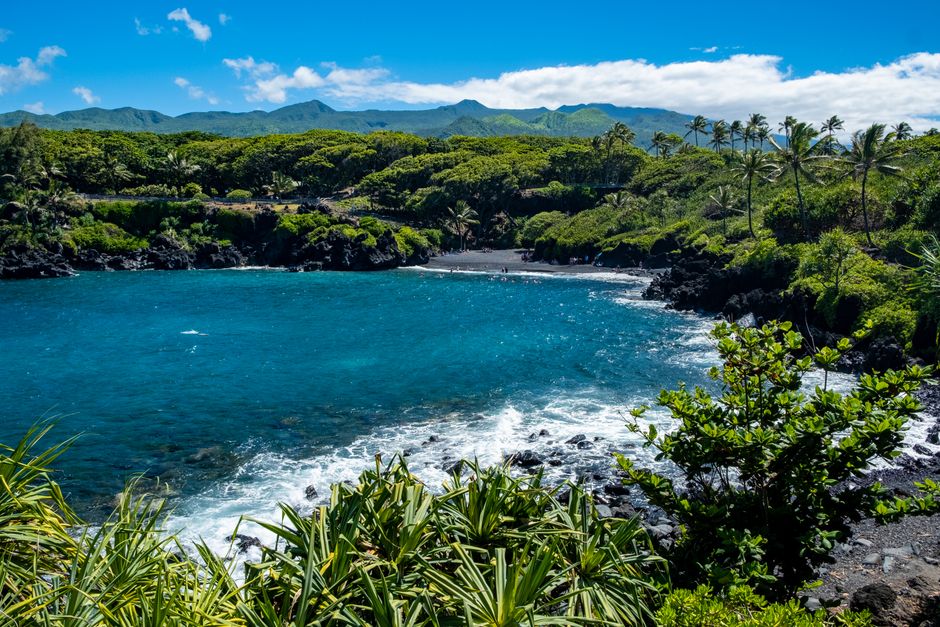
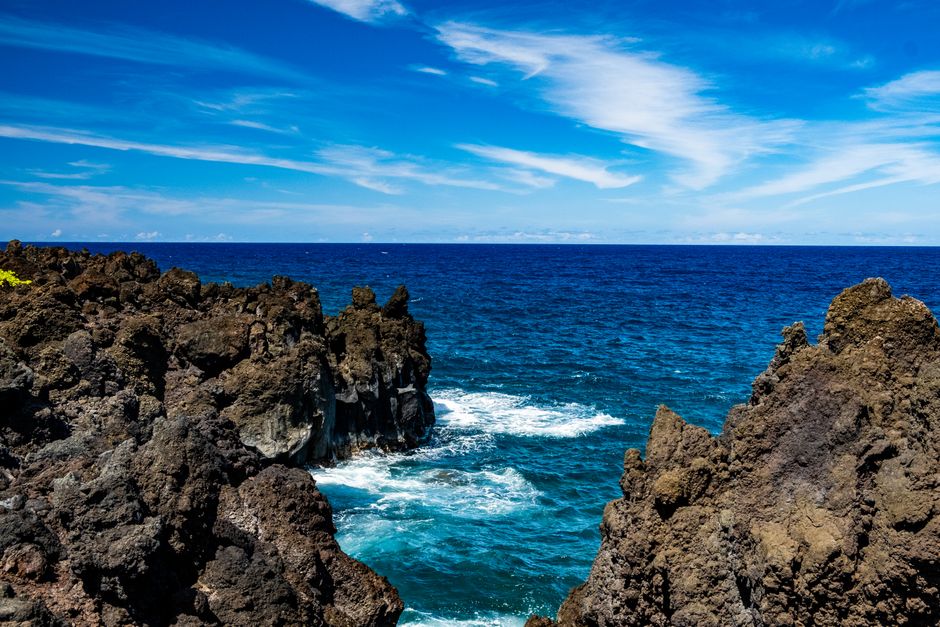
The Hana Highway follows Maui’s northeastern coast through thick rainforest, steep valleys, small communities, and exposed ocean viewpoints. Its appeal comes from the changing landscape, not from checking every roadside pullout. The strongest plan chooses a few meaningful stops, respects private land, and treats the drive home as part of the trip rather than an afterthought.
Which Road to Hana Itinerary Fits the Trip
Choose the trip length before choosing the stops
A one-day route suits travelers who want a first look at the coast and accept a long day. An overnight stay near Hana makes the journey calmer and gives the eastern side of Maui more attention. A plan that continues beyond Hana needs another layer of caution because road conditions, weather, and park access can change the timing.
| Itinerary style | Time needed | Core route | Best for | Main trade-off |
|---|---|---|---|---|
| Focused day trip | 10–12 hours | Paʻia to Hana and back | First-time visitors with limited time | Few long walks and little flexibility |
| Hana overnight | 2 days | Paʻia to Hana, then return the next day | Travelers who want a slower pace | Limited accommodation and advance planning |
| Hana and beyond | 2 full days | Hana plus the Kīpahulu area | Hikers and coastal landscape lovers | More driving and greater weather exposure |
| Separate summit day | Half to full day | Haleakalā summit on another day | Visitors who want both coast and high elevation | Less efficient than combining unrelated regions |
The clear choice for most first visits
For a first visit with only one available day, the focused day trip is the strongest choice. Leave early, stop at a few locations before Hana, reserve time for one major walk or coastal viewpoint, and turn around while daylight and energy remain. Trying to add the summit, every waterfall, and the far southeastern coast creates a schedule that looks ambitious on paper and feels rushed on the road.
For travelers with two days, an overnight plan wins. It lets the first day cover the central highway and the second day explore Hana or the Kīpahulu side before returning. The extra night does not remove the need for planning, but it changes the trip from a timed drive into an actual visit.
How to Drive the Hana Highway in One Day
A practical sequence from west to east
- Leave Paʻia or the central Maui area around sunrise. An early start reduces the chance of arriving at the busiest viewpoints during the middle of the day. It also creates a buffer for rain, slow traffic, and parking delays.
- Use the first hour for scenery rather than a long hike. The early section contains roadside viewpoints, short forest walks, and small pullouts. Choose one or two. Saving every stop for the morning often leaves no time for Hana itself.
- Pause at Keʻanae only if conditions allow. The peninsula provides a dramatic coastal change, but waves can be dangerous and the road around the settlement needs careful driving. Stay on public access routes and keep clear of agricultural areas.
- Schedule the longest walk before the late afternoon. Mud, heat, and fading daylight make a short trail harder than the distance suggests. Closed trails and swollen streams can also change the plan.
- Reach Hana with at least two hours left in the day. Use that time for a meal, a quiet coastal stop, or a short walk. Hana should not become a quick turn-around point after hours of driving.
- Set a firm return time. A driver who reaches Hana late should skip distant stops on the way back. The route becomes less forgiving after dark, especially during rain.
How many stops are enough
Four to six meaningful stops usually provide a better day than twelve rushed ones. A useful mix includes one short nature walk, one cultural or community stop, one coastal viewpoint, and one place to eat or rest. Avoid pulling over wherever another vehicle has stopped. Parking may block residents, emergency access, or narrow bridge approaches.
Keep the vehicle stocked with water, food, and a charged phone before leaving the populated areas. Mobile coverage can drop along the route, and roadside services are limited. The practical winning strategy is simple: choose fewer stops, spend more time at each one, and return before fatigue turns a scenic drive into a stressful one.
What Lies Beyond Hana
Is Kīpahulu worth adding?
Yes, for travelers who want a quieter, more rugged extension and can give it enough time. The Kīpahulu district lies within the larger Haleakalā protected area but cannot be reached by driving directly from the summit district. From Hana, the route continues through a less developed section of southeastern Maui, with coastal views, forest, and marked trails.
The trade-off is time. Adding Kīpahulu to a single-day drive can turn a long outing into an exhausting loop. It works best with an overnight near Hana or with a plan that treats the district as the day’s main destination. Check current access before leaving because streams, trails, and park facilities can close after storms.
What should not be combined with the Hana drive?
Haleakalā summit sunrise should usually receive its own day. The summit sits at high elevation, has rapidly changing weather, and requires a very early start. Combining it with the full coastal drive creates two unrelated experiences and leaves no room for delays.
The same logic applies to a packed west-Maui beach schedule. Maui’s roads connect on a map, but travel time does not behave like a straight line. The strongest itinerary gives the eastern coast its own block of time and avoids treating every region as a possible add-on.
What does beyond Hana feel like?
It feels quieter, less polished, and more dependent on conditions. There are fewer convenient services and fewer places to improvise. That is part of the appeal, but it demands a full tank, food, water, respectful driving, and a willingness to turn around when conditions change.
Waiʻānapanapa requires advance planning
Non-resident visitors need advance entry and parking arrangements for Waiʻānapanapa State Park. Reservations open on a rolling basis, and the park assigns entry periods. Arriving outside the assigned window can lead to denied access, so the reservation must match the driving schedule rather than sit loosely on the wish list.
Build in extra time before the entry period. The final approach includes narrow sections and limited parking options. Do not assume a reservation solves every logistics problem; it only confirms access during the approved time.
Haleakalā sunrise follows a different system
Visitors entering the summit area during sunrise hours need an advance reservation. The park releases some reservations far ahead and another portion shortly before the date, but availability can disappear quickly. A sunrise reservation does not remove the need to check weather, road conditions, park fees, clothing needs, and arrival instructions.
Respect cultural sites, residents, trail closures, and posted limits throughout the island. Keep voices low near homes, never take rocks or plants, and leave gates, farms, and shoreline areas undisturbed. These choices are not decorative etiquette; they determine whether the route remains safe and welcoming for the communities that live there.
The Best Maui Plan: Separate the Coast and Summit
A three-day structure that protects the experience
The strongest Maui plan gives the Road to Hana one full day or two slower days, then places Haleakalā on a separate day. This structure prevents the most common scheduling error: using the same day for a sunrise at elevation and a long coastal drive through changing weather.
| Day | Morning | Afternoon | Evening decision |
|---|---|---|---|
| Day 1 | Paʻia and the opening highway | Keʻanae, selected forest stops, and Hana | Return before dark or stay near Hana |
| Day 2 | Hana or Kīpahulu, depending on access | One major walk and a slow return | Keep the evening free for rest |
| Day 3 | Haleakalā summit or another regional plan | Lower-elevation stops after weather improves | Finish near the next accommodation area |
The final recommendation
For most travelers, the best Road to Hana itinerary is a focused early start, four to six carefully chosen stops, a reserved coastal park visit only when access is confirmed, and a firm return deadline. Add Hana or Kīpahulu as an overnight experience when the schedule allows. Keep Haleakalā separate. That plan leaves room for rain, road delays, local communities, and the quiet moments that make the journey memorable.
Choose the slower two-day version if the goal is to understand eastern Maui rather than simply reach its most photographed viewpoints. Choose the focused one-day route when time is limited, but keep the route narrow and return while daylight remains. The clear winner is the itinerary that treats the Hana Highway as a living coastal road, not a list of attractions to conquer.