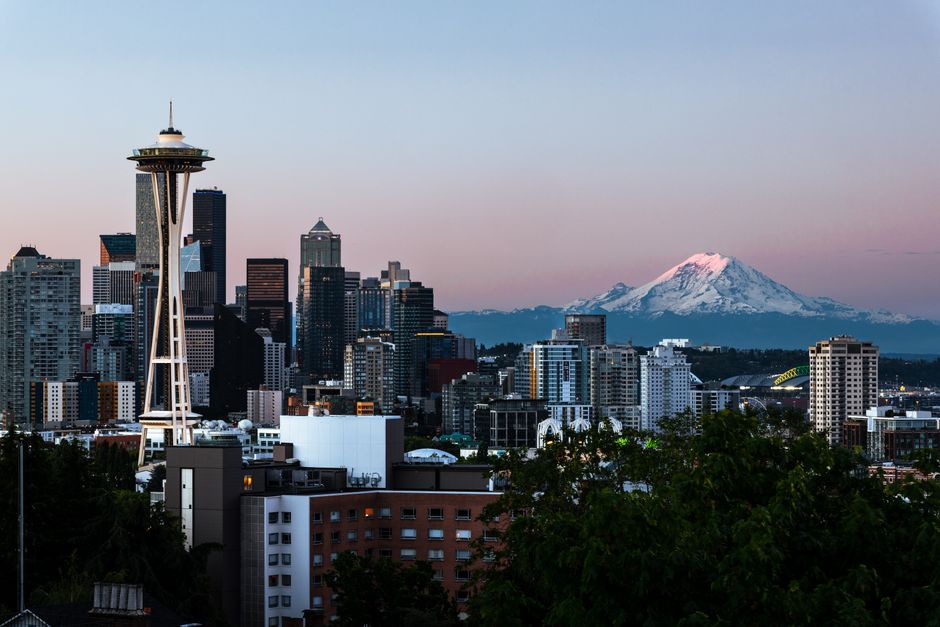
Seattle and the Olympic Peninsula sit close together on a map, but the journey between them can consume much of a day. A ferry crossing, winding coastal roads, mountain weather, and limited evening services make this a trip where route planning matters more than adding another attraction. The strongest plan uses Seattle for urban sights, then gives the peninsula at least three full days instead of treating it as a quick detour.
How many days are needed for Seattle and the Olympic Peninsula?
Five to seven days is the right range for a first trip that includes Seattle, Olympic National Park, and the peninsula’s coastal towns. Three days can work, but only with a narrow focus. A two-day visit usually becomes a driving exercise with little time for trails, beaches, or changing weather.
What a five-day route can cover
Spend the first two nights in Seattle. This allows time for the waterfront, Pike Place Market, a neighborhood walk, and one major viewpoint or museum. On the third morning, travel toward the peninsula and stay near Port Angeles, Sequim, or the northern park boundary. That position gives access to Hurricane Ridge when roads and weather allow, while keeping the next day’s drive manageable.
Use day four for the northern Olympic Peninsula, then move west toward Forks or the Pacific coast. Day five should focus on one coastal area, such as Rialto Beach, Ruby Beach, or Kalaloch, before returning toward Seattle or continuing to another destination.
Why six or seven days is better
An extra night changes the pace. It allows one day for the Hoh Rain Forest and another for the coast, rather than forcing both into a rushed loop. It also creates a weather buffer. Fog may hide a mountain viewpoint in the morning, while heavy rain can make a forest walk more atmospheric and still enjoyable. A longer itinerary also reduces the temptation to drive after dark on unfamiliar roads.
The clear verdict: choose five days for a highlights trip, six days for a balanced first visit, and seven days for a slower route with more hiking. The peninsula rewards time spent outdoors, not a checklist of distant stops.
Which Seattle and Olympic Peninsula route wastes the least time?
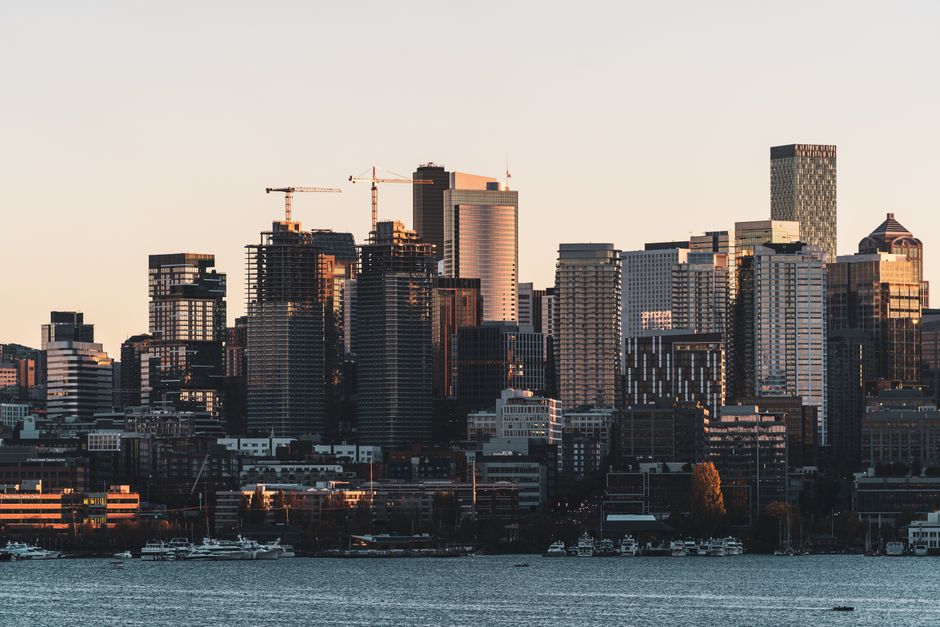
The route should follow geography rather than attraction popularity. Seattle lies east of Puget Sound, while the Olympic Peninsula forms a large loop around the Olympic Mountains. Crossing the water once and then moving in a broad arc is usually more efficient than repeatedly returning to the same base.
| Trip stage | Suggested base | Main focus | Planning point |
|---|---|---|---|
| Days 1–2 | Seattle | Waterfront, Pike Place Market, neighborhoods | Group central sights by area |
| Day 3 | Port Angeles or nearby | Ferry crossing and northern peninsula | Allow time for loading and delays |
| Day 4 | Port Angeles area | Mountain viewpoints or lake scenery | Check road and weather conditions |
| Day 5 | Forks or the coast | Rain forest and coastal beaches | Expect long drives between stops |
The efficient loop
A practical loop runs from Seattle across Puget Sound, north through Port Angeles, west toward Forks, then south along the coast.
The route that causes trouble
The common mistake is booking every night in Seattle and treating the peninsula as a day trip. The distance looks modest, but ferry schedules, boarding queues, road construction, and slow two-lane highways add up quickly. A second mistake is placing the Hoh Rain Forest, Hurricane Ridge, and several beaches into one day. Those locations are not close neighbors, and the drive between them can be tiring even in clear weather.
The best route is the one that limits backtracking. A shorter list of places produces a stronger trip than a longer list reached under pressure.
How should each day be planned around weather and daylight?
Plan the peninsula by conditions, not by a rigid attraction order. The region’s weather changes across short distances. Seattle can be bright while the coast is wet, and a clear morning at the coast can turn misty by afternoon. A flexible structure protects the best parts of the trip.
- Check access before leaving. Review ferry status, mountain road conditions, park notices, tide information, and trail alerts. A viewpoint that looks nearby may require a road that is closed or affected by seasonal restrictions.
- Start the longest drive early. Morning departures leave room for photographs, slow traffic, and an unplanned short trail. They also reduce the chance of reaching a remote area after services have closed.
- Keep one anchor activity per day. Choose a main hike, beach, or viewpoint, then add nearby stops. This works better than assigning six fixed attractions to a single route.
- Use rain intelligently. Forest trails can remain rewarding in wet weather, especially around moss, streams, and large trees. Save exposed mountain viewpoints and long beach walks for clearer periods.
- Protect the last evening. Avoid scheduling a demanding coastal drive immediately before an early departure from Seattle. A final night near the airport or ferry connection can remove unnecessary stress.
What to pack for changing conditions
Layers matter more than a large wardrobe. Bring a waterproof outer layer, comfortable walking shoes with reliable grip, warm clothing for exposed viewpoints, and a small day pack. Carry water and food on remote routes because options can be sparse outside the towns. Mobile service also becomes unreliable in parts of the peninsula, so offline maps and a written address for the next lodging stop are sensible backups.
How to handle limited daylight
In the darker months, build the schedule around daylight and avoid ambitious sunset drives. In summer, longer evenings create more flexibility, but popular trails and ferry routes can still fill early. The winning habit is simple: place outdoor activities in the first half of the day and use towns, markets, or indoor sights as flexible afternoon options.
What should first-time visitors know about Seattle and the peninsula?
Is Seattle walkable for visitors?
Parts of central Seattle are easy to explore on foot, but the city has steep streets and separated neighborhoods. The waterfront, Pike Place Market, Pioneer Square, and nearby downtown sights can form one walking area. Capitol Hill, Ballard, Fremont, and other neighborhoods need separate planning. Trying to cover all of them in one afternoon creates more transit time than discovery.
Are the Olympic Peninsula roads easy?
The main highways are straightforward, but distances are deceptive. Roads narrow near beaches, trailheads, and park boundaries. Fuel, food, and restroom options become less frequent as the route moves west. Fill the vehicle before entering a remote stretch and download directions before leaving a town. Never assume the next service station is only a few minutes away.
What should be expected at popular natural sites?
Rain forest trails may have mud, roots, and slick wooden surfaces. Coastal beaches can include driftwood, uneven rocks, and fast-changing tides. Mountain areas may have snow or limited access outside summer. Stay on marked paths, keep away from unstable logs, and check tide conditions before walking along narrow sections of shore.
The strongest local habit is leaving room for quiet places. A small viewpoint, roadside pullout, or short forest path can deliver more atmosphere than a crowded signature stop. The trip works best when it leaves space for the landscape to set the pace.
What is the best final plan for a first visit?
The best first trip spends two nights in Seattle, crosses to the peninsula early, gives the northern mountains one full day, and reserves at least two days for the western forest and Pacific coast. That plan accepts a basic truth: the Olympic Peninsula is too large for a rushed circle, and Seattle is too varied for a single evening. Keep one weather buffer, avoid booking every night in the city, and treat ferry and road conditions as part of the itinerary rather than minor details. With those choices, the opening problem—how to connect an urban stay with a remote, weather-shaped landscape—has a practical answer: slow the route down, reduce backtracking, and let each region have its own day.