How many days does the South Rim need?
The best length for a first visit
A first visit works best with two full days and at least two nights near the South Rim. One day can cover the main viewpoints, a section of the Rim Trail, and a sunset stop. A second day gives enough time for a longer walk, the historic village area, Desert View, or a slower morning without turning the trip into a race.
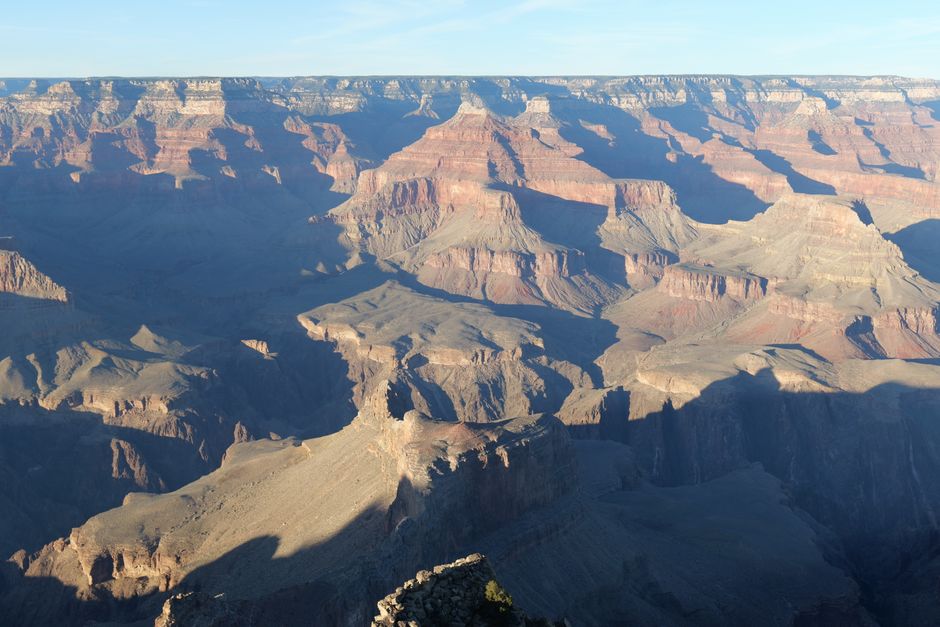
The South Rim remains open throughout the year, but travel time affects road conditions, daylight, shuttle operations, and trail comfort. The rim sits at roughly 7,000 feet above sea level, so visitors arriving from lower elevations may notice shortness of breath during even easy walks. The canyon also creates a misleading sense of distance: a viewpoint may be close to the rim but far from the river below.
How far is the South Rim from major bases?
The South Rim is about 60 miles north of Williams and roughly 80 miles northwest of Flagstaff. From Phoenix, the drive is much longer, so a same-day visit leaves little margin for traffic, entrance delays, or sunset. The North Rim is not a nearby second viewpoint; the road journey between the two developed rims is about 212 miles and usually takes several hours.
Best verdict: plan two nights for a balanced first visit. A single day works only when the South Rim is one stop on a longer road trip and the schedule begins early.
Which South Rim sights fit a first-day itinerary?
A simple order that reduces backtracking
The most efficient first day moves from the central village toward the eastern and western viewpoints. Sunrise is usually easier at a viewpoint reached by shuttle or a short walk, while sunset deserves a location with enough space to avoid a last-minute crowd.
| Time | Area | What to do |
|---|---|---|
| Early morning | Mather Point or Yaki Point | Watch first light and walk a short section of the rim |
| Late morning | Grand Canyon Village | Visit the visitor center, historic district, and nearby overlooks |
| Afternoon | Hermit Road | Use the seasonal shuttle and stop at selected overlooks |
| Late afternoon | Hopi Point or another west-facing overlook | Arrive before sunset and stay for changing canyon light |
What to leave for another day
Do not add a long inner-canyon hike, Desert View, every Hermit Road stop, and a sunrise-to-sunset viewpoint tour to the same day. The South Rim rewards fewer stops with more time at each one. Choose two or three viewpoints, then walk between nearby locations when possible.
Best verdict: use the first day for rim views and orientation. Save a serious descent below the rim for a separate day when the group has enough water, daylight, and recovery time.
How should visitors get around the South Rim?
Use the shuttle network as part of the plan
Parking and traffic can consume the hours that should be spent at the canyon. The shuttle system connects the visitor center, village facilities, trailheads, and several scenic roads. Routes change by season, and service can be delayed by weather or crowd levels, so check the park’s current operating information on the day of travel.
- Arrive early and park near the first major destination rather than circling for a closer space.
- Use the Orange Route for access toward the South Kaibab Trailhead, Yaki Point, and nearby overlooks.
- Use the Blue Route to connect the visitor center, village facilities, campgrounds, and central services.
- Use the seasonal Red Route for Hermit Road when private vehicles are restricted.
- Allow extra time for queues at popular stops, especially around sunrise, midday, and sunset.
- Keep a map and offline information available because mobile service can be weak or absent in parts of the park.
Why driving is not always faster
Hermit Road is about seven miles long, but the scenic experience takes much longer than the distance suggests. Each overlook requires unloading, walking, viewing, and waiting for the next bus. Policies and hours can change, so a current park notice matters more than an old itinerary.
Best verdict: park once, then use the shuttle and walk. A car is useful for arriving and reaching the wider South Rim, but it is usually the least efficient tool for moving between central viewpoints.
What should you expect on South Rim trails?
Is the Rim Trail easy?
The Rim Trail is the best choice for visitors who want broad views without committing to a major descent. Some sections are paved and relatively level, while others include uneven surfaces and exposure near the edge. The trail can be divided into short walks between viewpoints, so a group can turn around before fatigue changes the day.
Can a visitor hike to the river and back?
That is not a sensible day plan for most first-time visitors. Trails below the rim are steep, and the return journey is harder because the climb comes after the day’s heat and exertion. South Kaibab Trail has limited shade and no water pipeline along the route. Bright Angel Trail offers more developed facilities, but conditions, closures, and water access can change.
Mule traffic, heat, ice, loose rock, and altitude can all change the difficulty. Stay behind railings, keep children within reach, and never treat a photograph as a reason to approach an unstable edge.
Park rules and trail notices control conditions inside Grand Canyon National Park.
Best verdict: choose the Rim Trail for dependable scenery and a deeper trail only when the group has planned for the climb back, weather, water, and daylight.
What mistakes ruin a South Rim visit?
The strongest recommendation: protect the first and last hours
Do not build the trip around midday. The first and final hours usually offer cooler temperatures, softer light, and fewer people. A visitor who arrives late, searches for parking, and then rushes between viewpoints often sees less than someone with a shorter but better-timed plan.
- Underestimating altitude: walk slowly after arrival and treat headaches, dizziness, or unusual fatigue seriously.
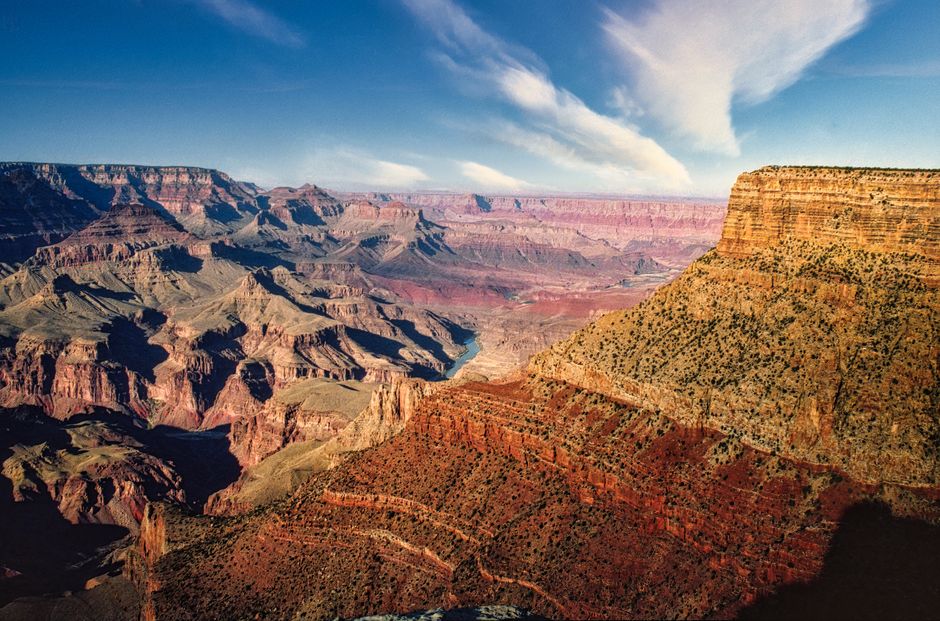
- Ignoring distance: the visible river is far below the rim, and a short descent creates a long climb back.
- Carrying too little water: bring water for the planned distance, not only for the time spent at the overlook.
- Leaving sunset logistics late: identify the return shuttle, walking route, and parking area before the light fades.
- Overloading the itinerary: every viewpoint takes time, especially when buses are busy or roads operate seasonally.
When should a plan change?
Change the route when a storm approaches, smoke reduces visibility, a trail notice changes access, or someone in the group shows signs of heat illness or altitude trouble. A missed viewpoint is recoverable. A preventable rescue situation is not.
Visitors with mobility concerns should review accessible routes and ask park staff about current conditions. Some overlooks and shuttle buses support accessible travel, but terrain varies between stops.
Best verdict: remove one major activity before removing water, rest, or daylight from the schedule.
Which South Rim plan suits different travelers?
For a one-day visit
Choose one sunrise viewpoint, a central village walk, a short Rim Trail section, and one sunset overlook. Skip the inner-canyon descent. This plan gives a first-time visitor the defining landscape without turning every hour into a transfer.
For two full days
Use the first day for orientation, viewpoints, and the village. On the second day, start early with a carefully chosen trail, then spend the afternoon at Desert View or along Hermit Road. Keep the evening flexible because shuttle timing, weather, and energy levels may change.
For families or slower travelers
Base the day around short walks, frequent stops, and one dependable viewpoint rather than a long list of overlooks. The South Rim is not improved by counting every stop. It is improved by leaving enough time to watch the canyon change color, hear the wind, and move safely through a high-elevation environment.
The clearest recommendation is a two-night South Rim stay with an early arrival, one rim-focused day, one flexible trail or scenic-drive day, and shuttle-based movement inside the park. That plan gives first-time visitors the best balance of scenery, safety, and time without pretending the canyon can be rushed.